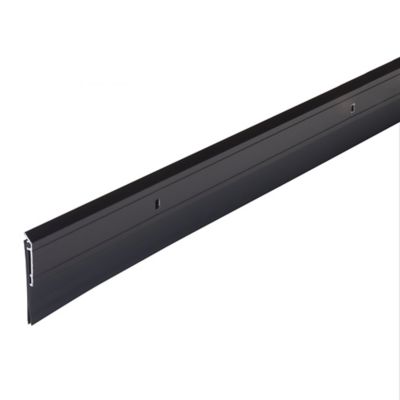
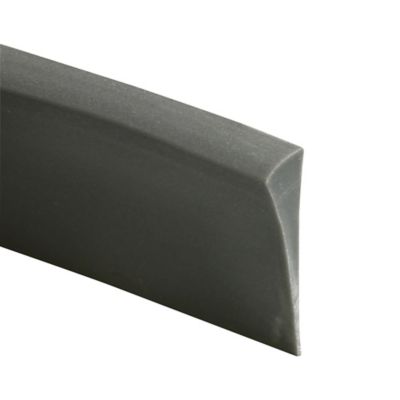
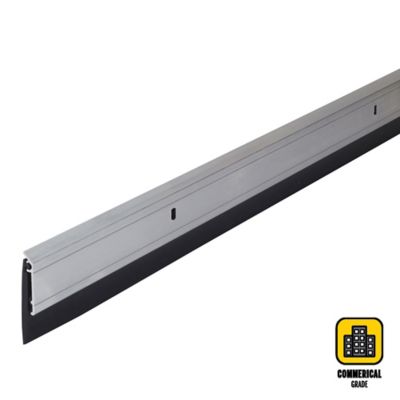
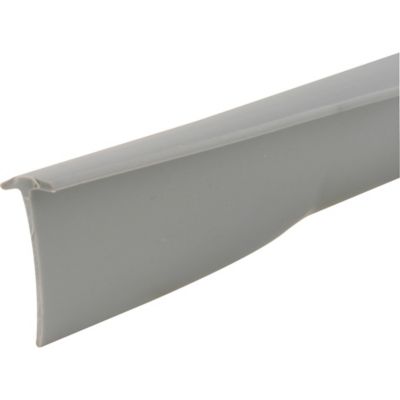
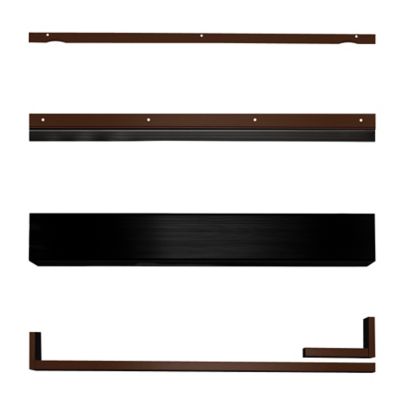
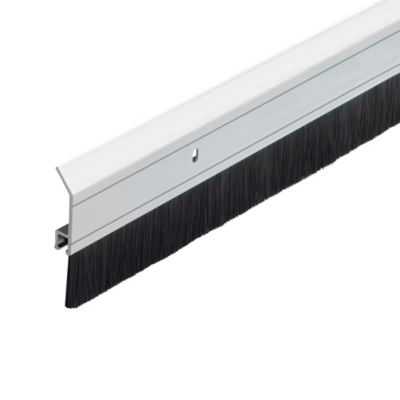
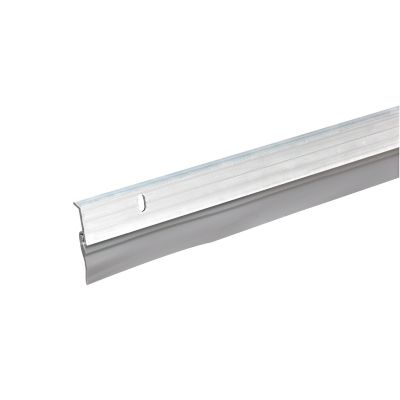
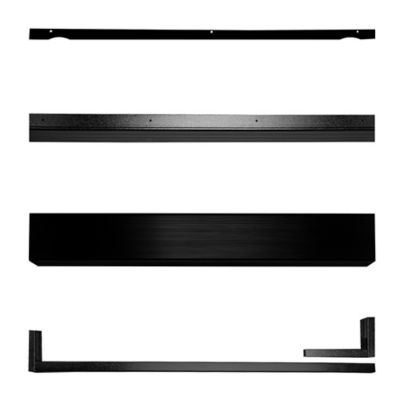
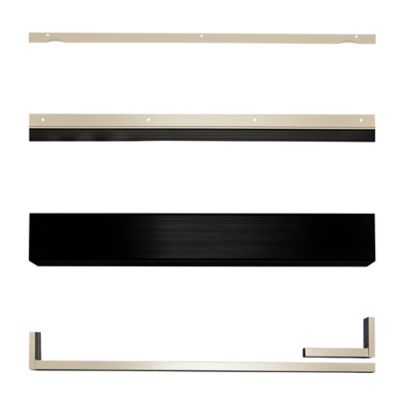
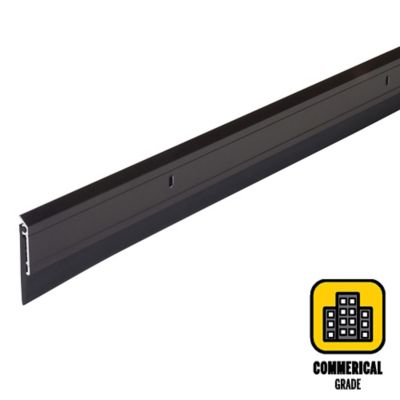
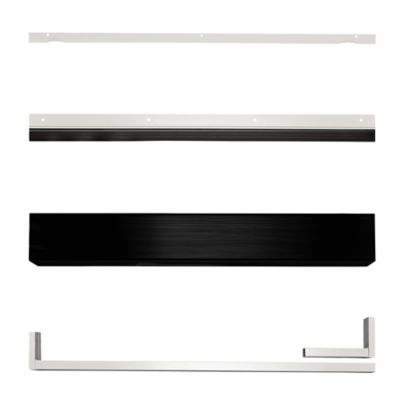
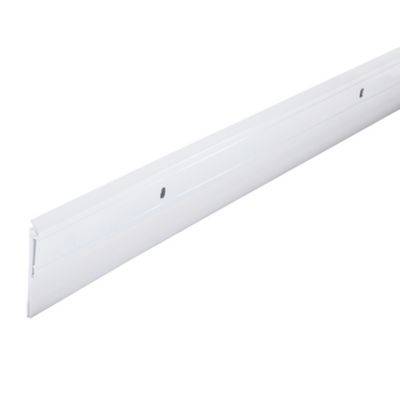
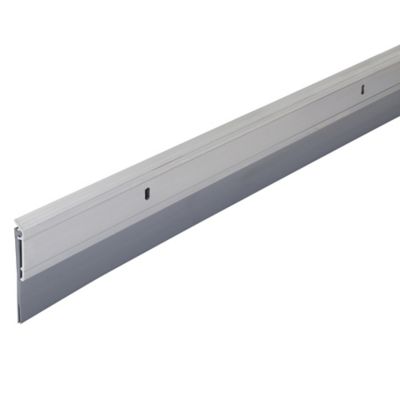
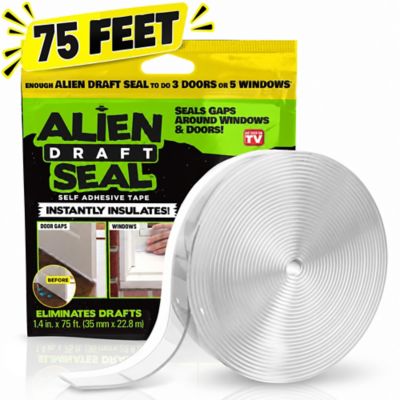
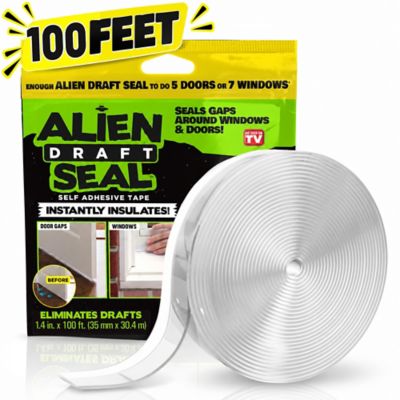
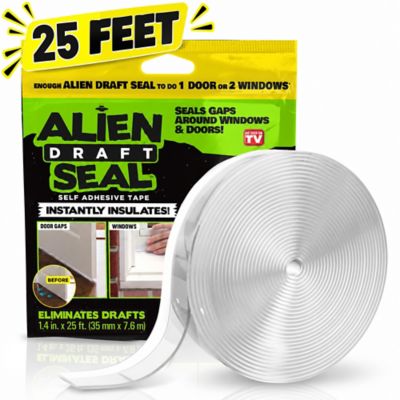
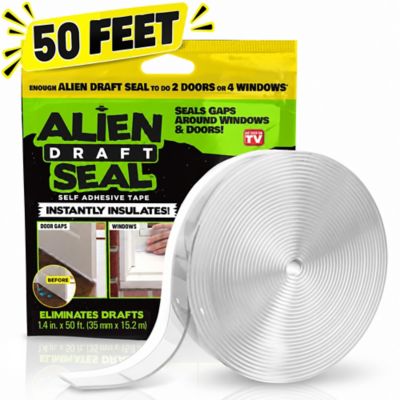
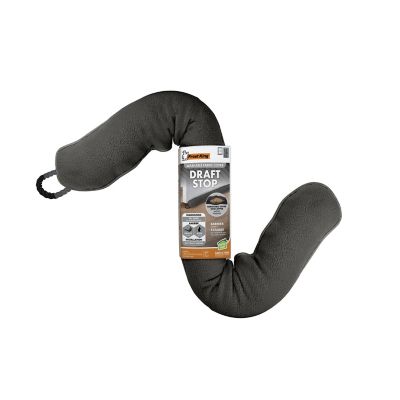
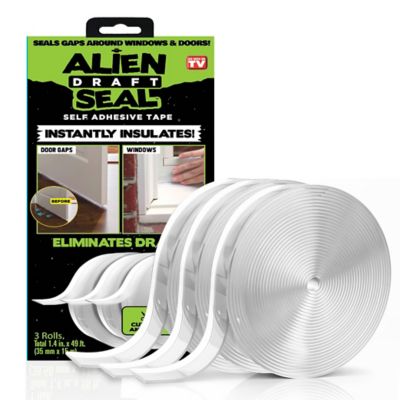
Door sweeps for storm doors help close the gap between the bottom of the door and the threshold, giving windblown dust, stray leaves and drafts less room to slip through. That small strip does a fair bit of work on a farmhouse entry, a side porch or the back door that sees a steady stream of muddy boots. A storm door provides an extra barrier outside the main entry door, and its bottom seal helps that outer barrier do its job without getting in the way of everyday traffic. Sweeps come in several general styles, including flexible fins that slide into channels, strips attached to a retaining rail and bottom assemblies that fit over the lower edge of the door. The right match depends on the door’s construction rather than appearance alone. A slim replacement insert may be all that is needed when the original rail is sound, while a bent or corroded holder may call for a compatible replacement assembly. Flexible vinyl and rubber are common sealing materials because they can bend against the threshold as the door swings. Some designs have more than one fin, creating several points of contact along the sill. Others have a broader blade intended to bridge a particular gap. Neither a thicker strip nor a longer blade is automatically a better choice; the seal needs enough contact to limit the opening without dragging so hard that the door becomes difficult to latch. For households with pets, children or frequent porch traffic, that balance matters every time someone heads outside. A sweep should work quietly in the background, not require an extra shove after every trip to the yard. Although a bottom seal can help limit air and debris at the sill, it is only one part of the entryway. Gaps along the sides, a damaged threshold or a door that hangs crooked need attention of their own, and a sweep cannot turn an open screen panel into a sealed barrier.
Fit is the detail that makes the biggest difference when comparing storm door sweeps. Door width is a starting point, but the shape and size of the mounting channel often determine whether a replacement insert will stay put. Two strips can look much alike from a few feet away and still have different attachment profiles. A T-shaped edge, a rounded bead and a flat mounting flange are not interchangeable just because the flexible blades below them have a similar shape. The existing retainer, the door manufacturer’s specifications and the replacement’s listed dimensions provide a better basis for a match than the entry opening alone. Blade height also matters. A sweep that barely reaches the sill may leave an opening, while one that folds over heavily can catch grit, wear unevenly or resist the door closer. On a sloped or worn threshold, the gap may vary from the hinge side to the latch side, so a single measurement does not tell the whole story. Some bottom assemblies allow vertical adjustment, but that adjustment has limits and does not make up for loose hinges or a sagging frame. Mounting methods deserve the same attention. Slide-in inserts depend on a matching channel, screw-mounted styles need suitable attachment points, and adhesive-backed designs depend on the specified surface and installation conditions. Trimming is appropriate only where the sweep’s design and manufacturer’s directions allow it; cutting through a mounting feature can spoil the fit. For an aluminum storm door, the thickness and profile of the bottom rail can be especially important when considering an over-the-edge assembly. Hardware placement should also leave the door’s drainage openings clear. Water needs its intended route out rather than collecting behind a new seal. A tidy installation leaves the door able to swing, close and latch normally, with the flexible edge making light, consistent contact where intended. These details matter on a sheltered front porch just as much as on a busy side entry, especially when a door closer has to pull the door shut after someone passes through carrying feed buckets, groceries or an armload of firewood.
Materials and upkeep shape how well a storm door sweep holds up to that routine. Vinyl is a common choice for flexible replacement fins, while rubber compounds offer different levels of flexibility and resistance to outdoor exposure. Performance varies by formulation, so specifications for sunlight, temperature range and the intended door application are more useful than judging by color or feel alone. Where a sweep includes a metal carrier, the finish and condition of that carrier matter as well. An aluminum rail will not develop red rust like unprotected steel, though corrosion and damaged attachment points can still cause trouble. Sand, gravel dust and dried mud along the threshold act like grit under the blade every time the door moves. Occasional cleaning with a soft brush or cloth, along with a mild cleaner approved for the material, helps keep that buildup from scraping the seal. Harsh solvents and unapproved lubricants can affect flexible materials or leave residue that gathers more dirt. Splitting fins, flattened sections, loose ends and scraping noises are signs worth checking rather than simply pushing harder on the door. A visible gap at one corner may point to a fit or alignment issue instead of a worn strip. Homes on gravel lanes, properties with outdoor chores and entries shared with pets can put plenty of miles on a small bottom seal, making ease of replacement a practical consideration. For a rental property or a home with several storm doors, keeping track of each door’s channel profile and dimensions can make later maintenance less of a guessing game. A business entry or another heavy-traffic exterior door may have different mounting and performance requirements;
Commercial Door Sweeps for Exterior Doors covers that separate application. For storm doors, the goal stays straightforward: a compatible seal that helps keep the threshold gap in check, preserves drainage and lets the door close without a struggle. Matching those everyday needs is what makes a small replacement part earn its place at a hardworking entry.