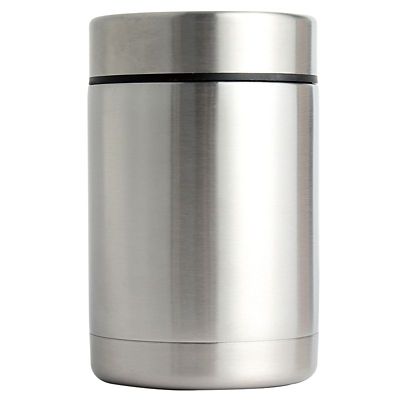
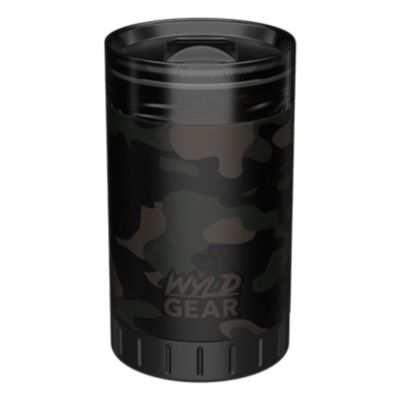
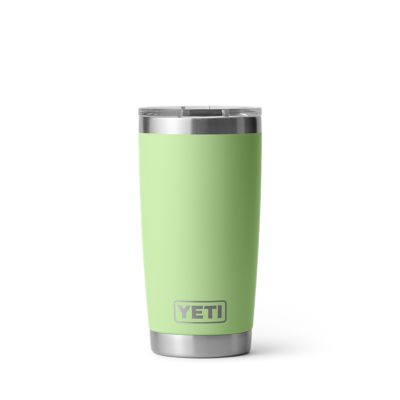
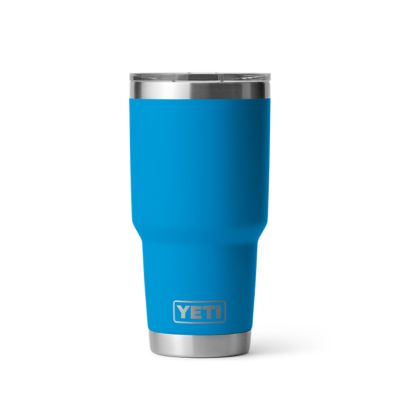
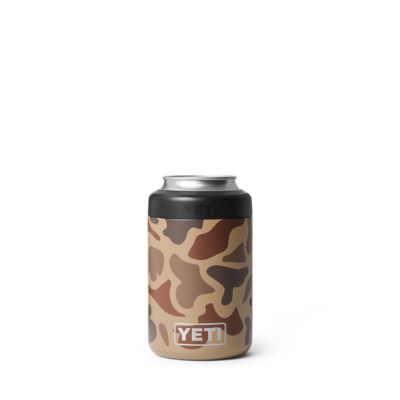
Stainless steel can coolers are reusable holders that surround a beverage can with a protective metal shell, helping a chilled drink stay cold while keeping it comfortable to hold. Often called insulated can holders or koozies, they leave the drinking opening exposed so there’s no need to pour the beverage into another container. Double-wall, vacuum-insulated construction slows heat transfer between the can and its surroundings. The space between the walls also limits how much warmth passes from your hand to the drink, which makes a difference when a can stays in your grip through a long conversation beside the grill. A vacuum-insulated holder can help keep a beverage cold for hours, though the actual time depends on its construction, the drink’s starting temperature, and how the holder is handled. It preserves an existing chill rather than cooling a room-temperature drink on its own. Stainless steel resists corrosion and provides a firm outer shell that stands up to everyday handling, whether the drink travels to a campsite, a fishing spot, or the back porch. Some designs feature stainless steel on both the inner and outer walls, while others incorporate plastic collars, rubber gaskets, or cushioned bases. Those additional materials serve different purposes, from holding the can snugly to softening contact with a tabletop. The insulated exterior can also reduce condensation, helping limit wet hands and moisture rings on a picnic table or workbench. Moisture can still collect around exposed parts of the can, so a dry exterior isn’t an absolute promise. Compared with a soft sleeve, a steel holder adds more structure and weight, giving the drink a substantial feel without requiring a separate drinking vessel. For folks who tend to set a beverage down between tasks, that combination of insulation, a steady grip, and a sturdy shell makes stainless steel can coolers a practical part of everyday drinkware.
Can size and shape matter just as much as insulation. A standard 12-ounce can and a slim 12-ounce can hold the same amount, but their different diameters mean they won’t necessarily fit the same holder. Taller 16-ounce cans need enough interior height and the right retaining system, while beverage bottles require a design that accommodates their shape. A holder described for several container sizes may rely on an insert, an adjustable base, or interchangeable parts; the stated fit should identify which shapes it accepts. A snug fit keeps the container from rattling and helps the retaining collar do its job, but the can should still slide in and come back out without a wrestling match. Threaded collars usually unscrew for loading, then tighten around the can with a flexible gasket near the top. Push-in designs may grip the container without a separate screw-on ring. Either arrangement should leave enough of the drinking rim exposed for comfortable sipping. The collar holds the can in place; it doesn’t turn an open beverage into a sealed, spillproof container. Shape also affects where the cooler can go. A broad base may sit well on a level table but may not fit a narrow cup holder in a folding chair or vehicle. A nonslip bottom can help reduce sliding on a smooth surface, though no base can keep a drink upright on every uneven tailgate or sloping picnic bench. Exterior finishes range from plain metal to coated surfaces, with differences in texture and grip that become noticeable when hands are damp. For drinks poured directly into a cup, a
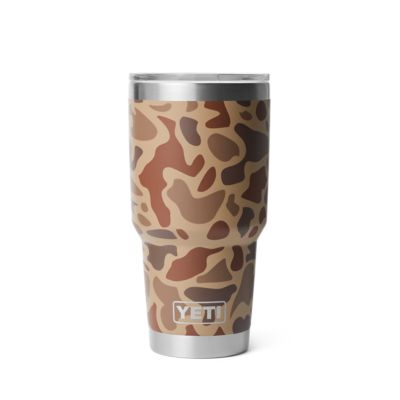
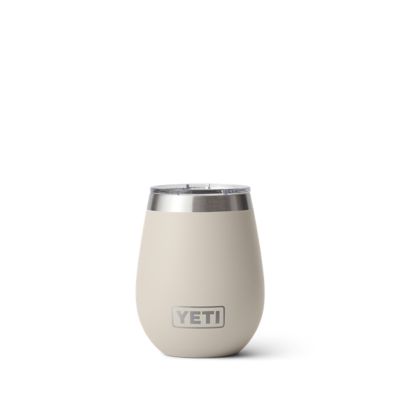
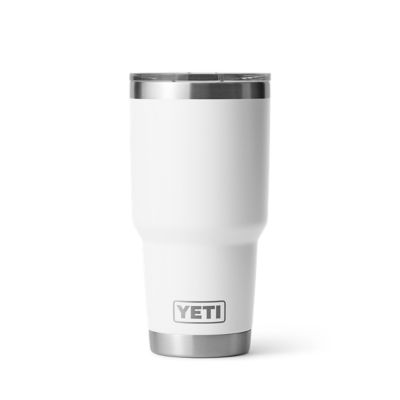
stainless steel insulated tumbler serves a different purpose. A can cooler generally holds the original container, while a tumbler is intended to hold the beverage itself. Some holders offer both functions, but that flexibility depends on their stated design rather than the stainless steel material alone.
Care is straightforward, but the small parts deserve attention. Beverage residue can collect beneath a retaining ring or around a gasket, especially when a can gets sticky during a cookout or rides home in a lunch bag. Removing detachable parts as directed makes it easier to rinse those tucked-away surfaces and let everything dry before reassembly. Mild dish soap, warm water, and a soft cloth or brush are a sensible starting point when they match the care directions. Dishwasher suitability varies with the finish, insulation, adhesives, and removable components, so a steel body alone doesn’t mean every part belongs in the dishwasher. Abrasive pads can scratch polished metal or wear through a coating, and harsh cleaners may damage surfaces or seals. Stainless steel resists rust, but salt, trapped moisture, and residue still deserve a thorough rinse rather than a long stay beneath the collar. After a fishing trip or a day around dusty equipment, cleaning the bottom and threads helps keep grit from scraping surfaces or making the ring harder to turn. Letting the holder dry completely also keeps a closed-up gasket from trapping moisture between outings. Everyday knocks may leave scuffs, and a hard drop can dent the shell or damage the retaining system, so a firm metal build isn’t a reason to treat it like a shop hammer. Checking the ring and seal occasionally helps catch loose or worn parts before the can starts shifting. Beyond their everyday usefulness, stainless steel can coolers make practical gifts for campers, anglers, backyard cooks, and people who enjoy a drink on the porch after chores. Matching the holder to the recipient’s usual can shape matters more than choosing by color alone. A slim-can drinker and someone who reaches for a standard soda can may need different fits. With the right dimensions, comfortable grip, and manageable care routine, an insulated can holder can earn a regular place beside the lunch pail, in the picnic basket, or on the table at a family gathering.