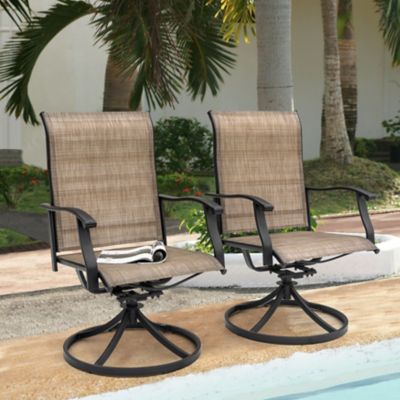
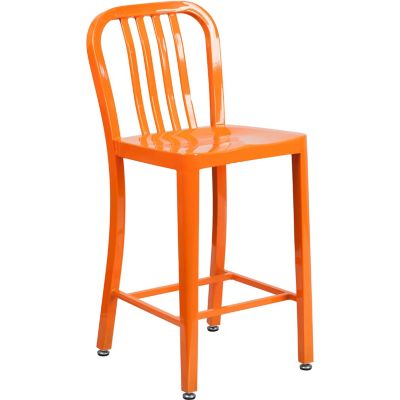
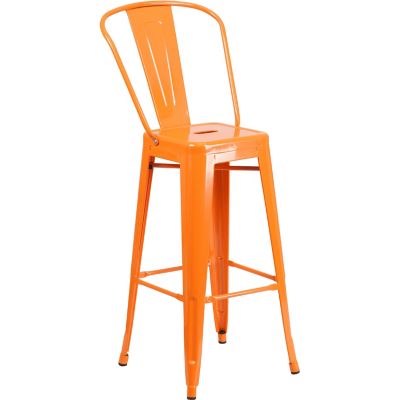
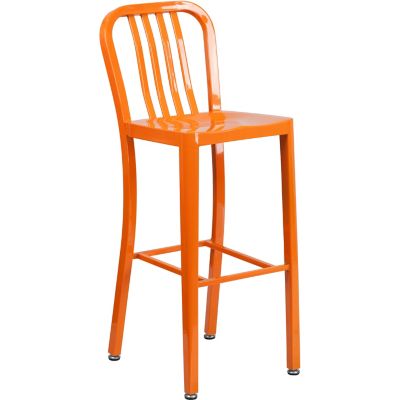
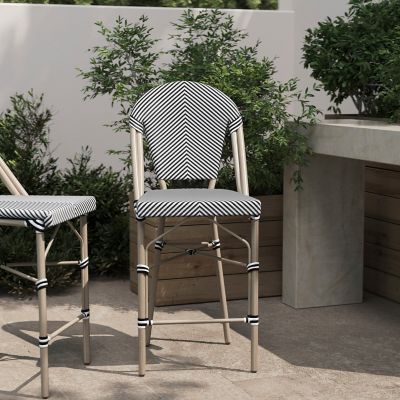
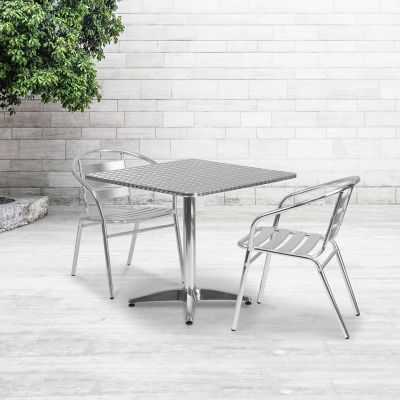
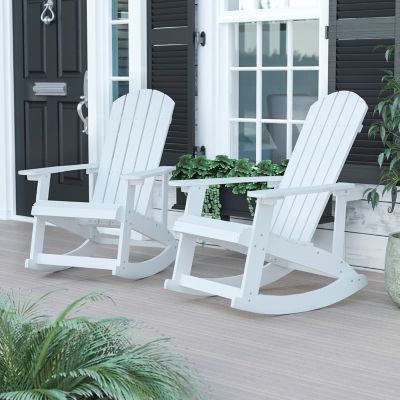
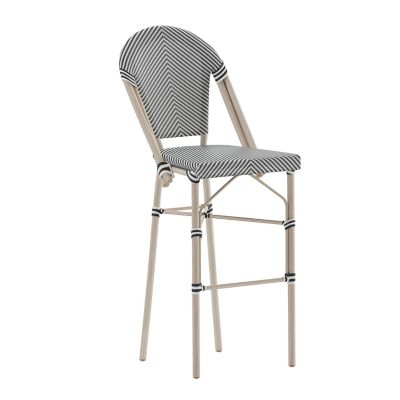
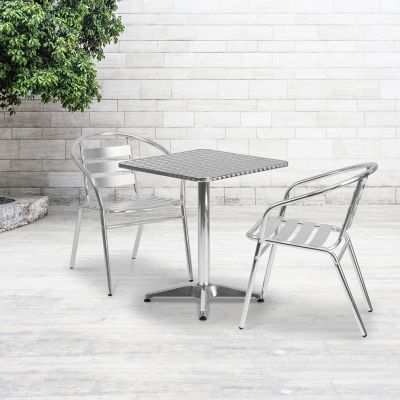
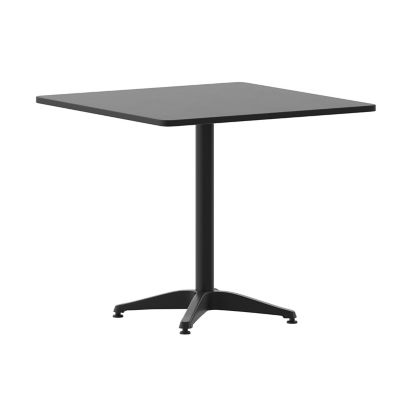
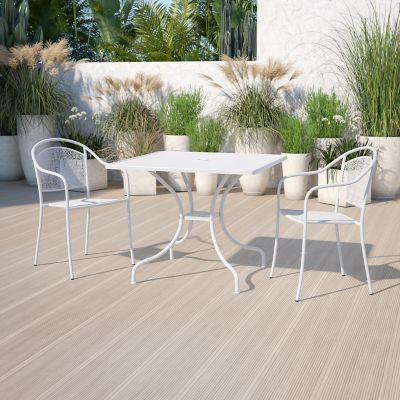
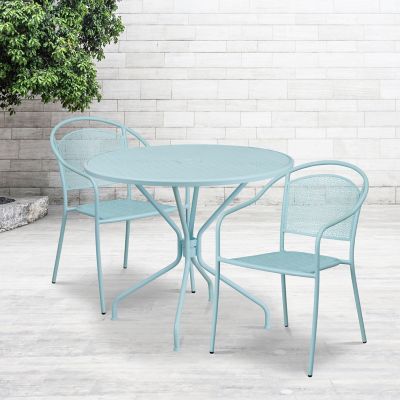
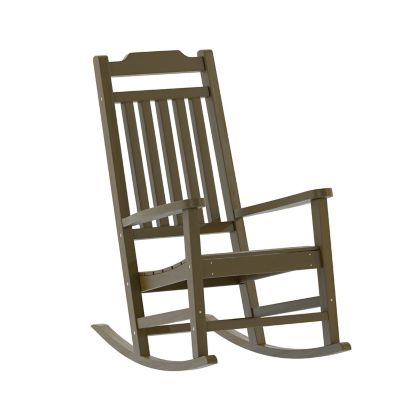
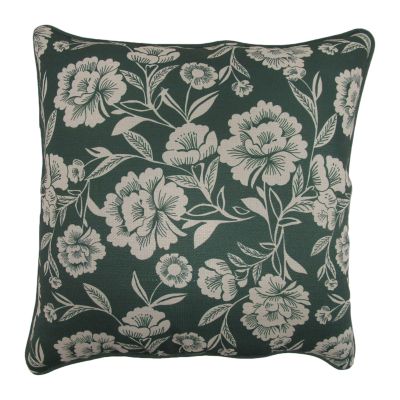
Indoor outdoor furniture brings a comfortable place to sit, eat and catch up to the spaces where everyday life happens, from the kitchen and sunroom to the porch and patio. A spot beside the back door might be where boots come off after chores, while a covered porch can become the place everyone settles in when the work is done. Furniture that suits both indoor and outdoor settings helps those areas feel connected without making every room look alike. Simple lines, easy-to-clean surfaces and finishes that work with wood floors, brick or concrete can carry the same relaxed feel from one space to another. Seating height and table size make a real difference in how that furniture fits daily routines. An upright seat with supportive arms can be a welcome place for conversation, while a deeper seat gives someone room to lean back with a book. For folks who enjoy a gentle back-and-forth motion,
indoor outdoor rocking chairs bring familiar comfort to a sitting area, with enough clearance around the base for the full rocking motion. A small table within reach gives a coffee cup or reading glasses a place to land without crowding the walkway. In tighter spaces, the overall footprint matters just as much as the seat itself: wide arms, angled legs and a curved back can extend beyond the dimensions someone first notices. Dining areas also need room to pull seats away from the table and walk behind them. On a porch that doubles as the main entrance, keeping the door swing and path to the steps clear helps furniture feel like part of the home rather than something to squeeze around. The best fit leaves room for people, pets and the regular traffic of a busy household, whether that means carrying groceries inside or heading out with a feed bucket.
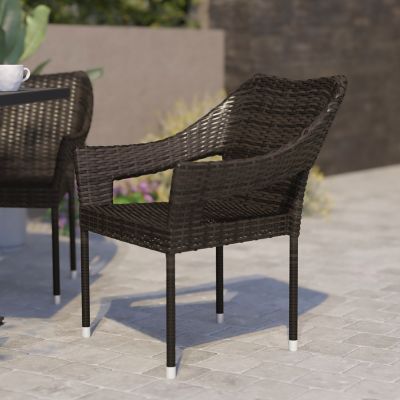
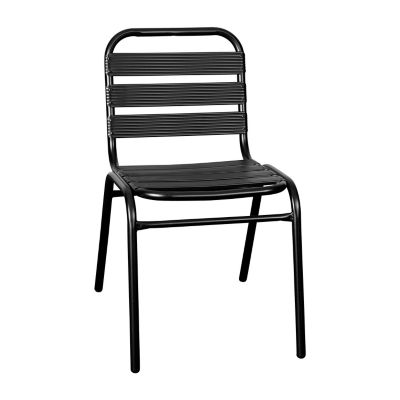
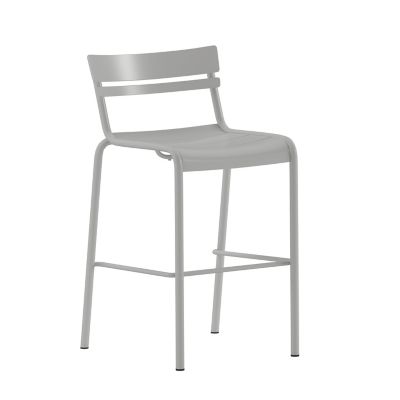
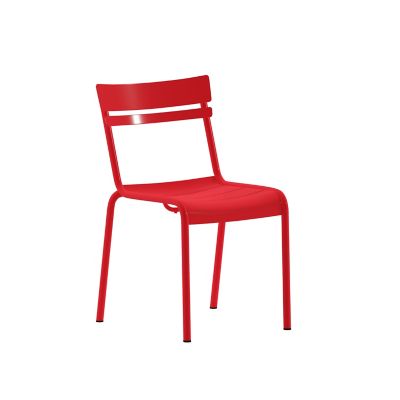
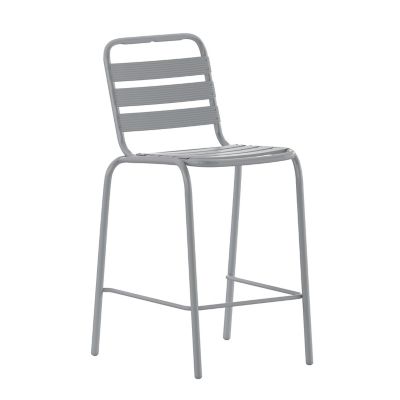
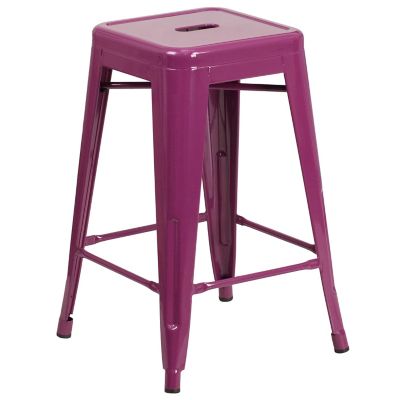
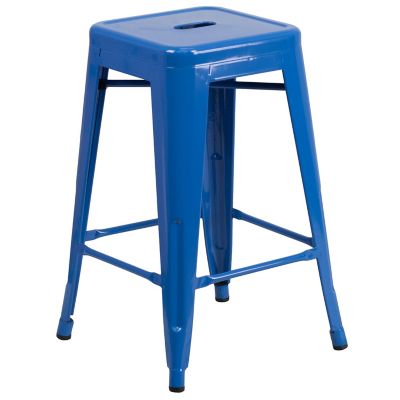
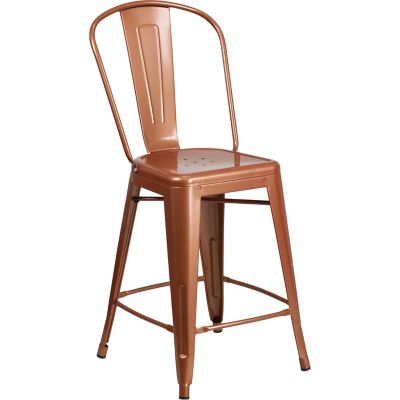
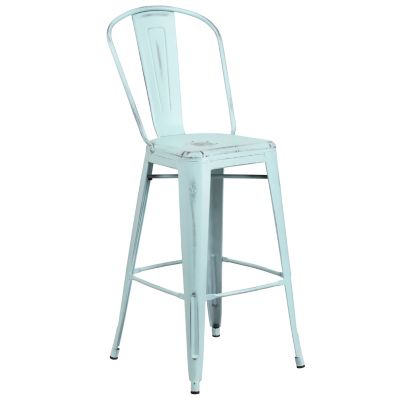
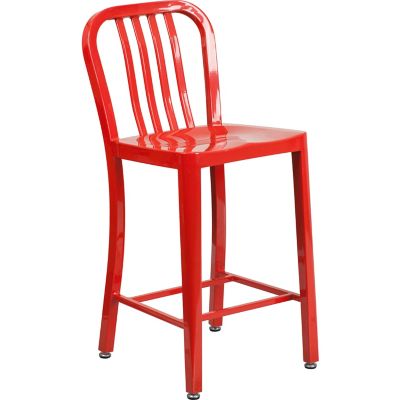
Materials give indoor outdoor furniture much of its character, along with the care it needs and the wear it can handle. Wood brings visible grain and a solid, familiar feel that sits comfortably alongside a farmhouse table or porch railing. Its performance depends on the wood species, construction and finish, so an outdoor rating matters more than appearance alone. Protective finishes may need attention over time, and joints deserve an occasional check where pieces meet. Metal offers a different look, from slim frames that keep a small sitting area open to broader shapes with a more substantial presence. Powder-coated steel and aluminum have different weights and maintenance needs; aluminum generally resists rust, while steel depends on an intact protective finish to help keep corrosion at bay. Scratches and chipped coatings deserve attention before exposed metal becomes a bigger concern. Resin and other molded materials can offer surfaces that wipe clean easily, though suitability for outdoor placement still depends on the manufacturer's specifications. Woven furniture varies, too. Natural fibers and synthetic wicker may look similar at a glance, but they do not necessarily belong in the same setting. For any material, a covered porch is still an outdoor space, and protection from overhead exposure does not eliminate moisture or direct sunlight. Outdoor-rated frames, finishes and fabrics help match the furniture to that setting. Cushions add another layer to the decision. Fabric made for outdoor use may resist fading and moisture better than indoor upholstery, but seams, filling and drying time matter as well. Removable covers can simplify routine care when their cleaning directions allow it. Slatted surfaces and open frames can help water drain rather than collect, while broad, level feet provide steadier contact on a suitable floor. A balanced frame, sound connections and a stated weight capacity are practical details worth considering alongside color and shape, especially for furniture that will see daily family use.
Comfort comes down to more than a soft cushion. Seat depth, back angle and the distance from the floor all affect how a chair or bench feels once someone settles in. A lower seat may suit lounging, while a higher, firmer seat can make sitting down and standing up less of a chore. Armrests should leave enough room to sit comfortably and, when paired with a dining table, fit beneath the apron if the seating needs to tuck in. Cushions should fit the frame without sliding into gaps or hanging so far over the edge that they lose support. In a household with children or pets, smooth edges, stable bases and fabrics with clear cleaning instructions can help furniture stand up to everyday messes. Crumbs, muddy paw prints and a splash from a watering can are easier to manage when surfaces are accessible and cushion covers are straightforward to maintain. Mild soap and a soft cloth suit many surfaces, but the manufacturer's care directions should set the routine; harsh cleaners, stiff brushes and pressure washing can damage certain finishes or fabrics. Furniture that moves between the house and porch also needs a little attention underneath. Clean feet and floor-appropriate glides help protect indoor surfaces, and lifting rather than dragging helps protect both the frame and the floor. Manageable weight and a shape that passes through doorways make occasional rearranging less of a wrestling match. Folding or stacking designs can help where space serves more than one purpose, provided their locking parts and intended use suit the household. As a gift for a housewarming, retirement or family milestone, furniture works best when the recipient's space and seating preferences are already familiar. A comfortable place to rest can mean a lot to someone who spends much of the day on their feet. Whether the setting is a quiet corner off the kitchen or a gathering spot near the backyard, indoor outdoor furniture earns its place by fitting the space, supporting the people who sit there and keeping everyday upkeep manageable.