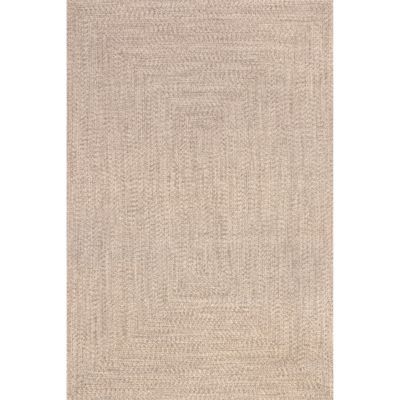
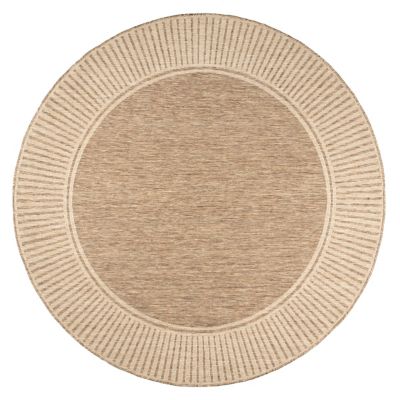
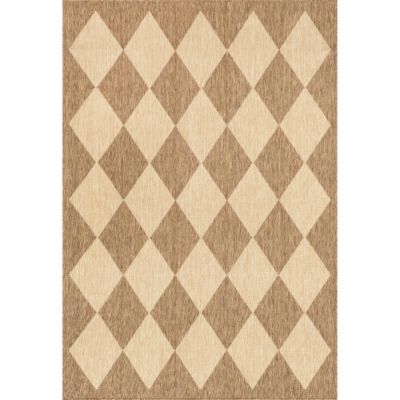
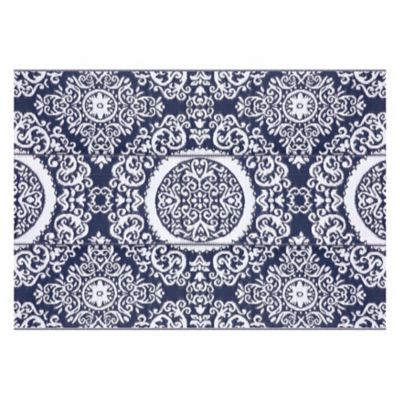
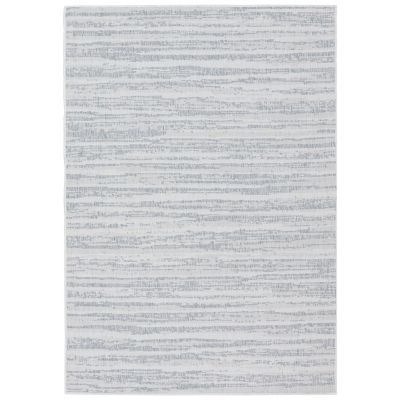
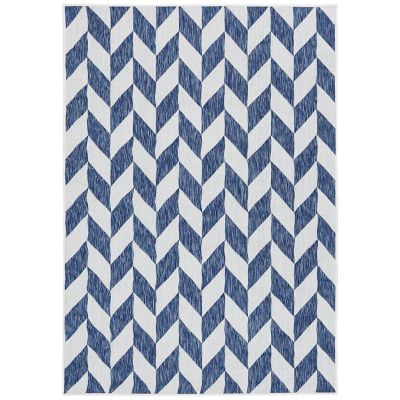
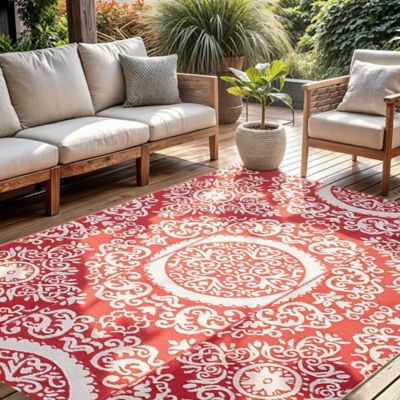
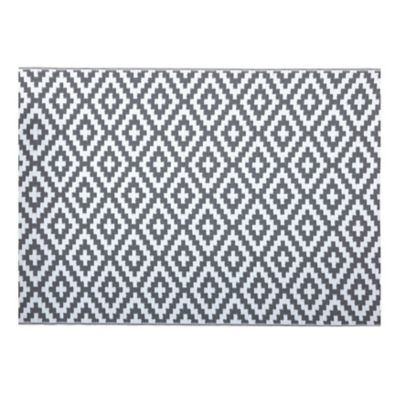
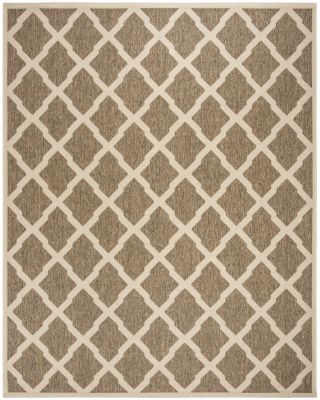
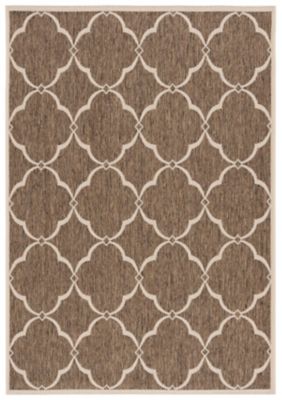
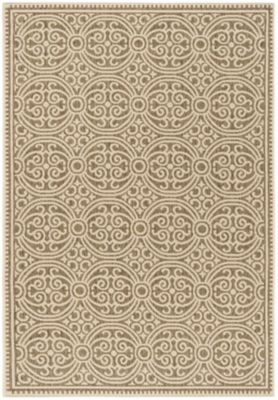
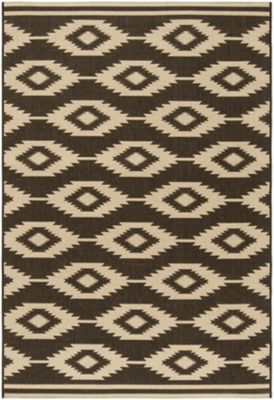
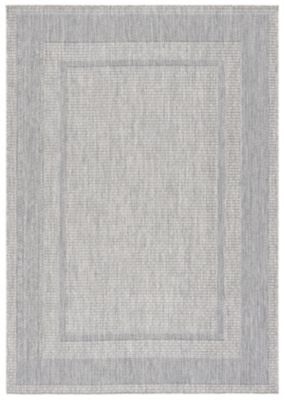
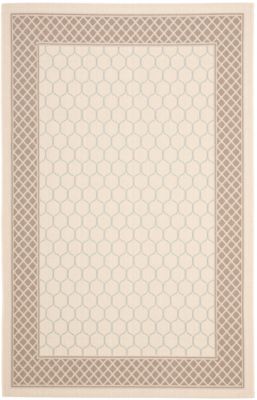
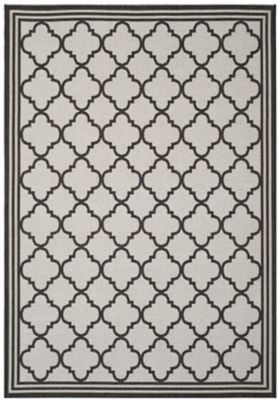
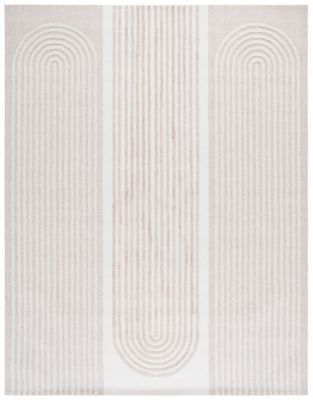
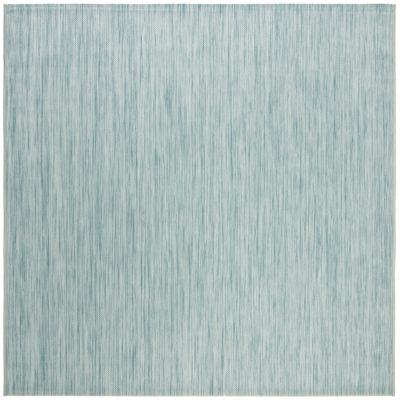
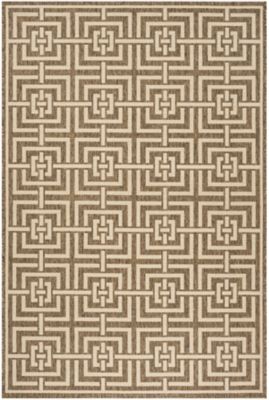
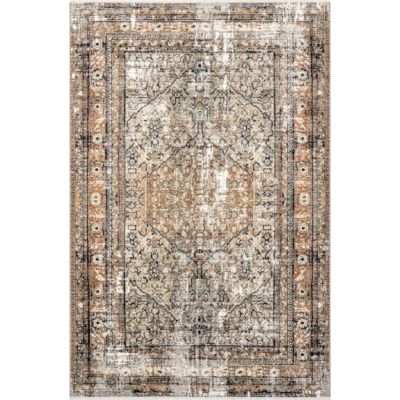
Indoor outdoor patio rugs help a porch, deck, or sunroom feel like a place to settle in, whether that means coffee before chores or a seat beside the family after supper. They bring color and a softer feel to hard surfaces while giving tables, chairs, and benches a more connected look. On a covered porch, a rug can pull a pair of rockers and a little side table into one comfortable sitting area. Inside, the same type of rug can suit a mudroom, enclosed breezeway, or busy dining space where boots, paws, and everyday spills are part of the routine. Materials make a difference in how these rugs handle that traffic. Polypropylene is a common choice because the fiber absorbs little moisture and is generally easy to clean, though the backing and weave also affect drying time. Polyester options can offer a soft feel and rich color, with outdoor suitability depending on the rug’s construction and care label. Some rugs feature recycled synthetic fibers, while others have a woven texture that resembles natural plant fibers. That distinction matters: a natural-fiber look does not necessarily mean natural-fiber construction, and rugs made with jute or similar absorbent materials generally belong in dry, sheltered settings unless labeled otherwise. Flatwoven and low-pile styles tend to fit busy pathways well because there is less pile to catch crumbs, leaves, and grit. A smoother weave can also make it easier to move dining chairs, while a more textured surface adds interest beneath a simple seating arrangement. For households with children or pets, practical details such as tightly finished edges, manageable weight, and straightforward cleaning directions often matter as much as color. The right match depends on where the rug will sit, how much weather reaches it, and what a normal day looks like around the house. A sheltered reading corner has different needs from an open patio beside a gravel walkway, even when both spaces call for an indoor outdoor rug.
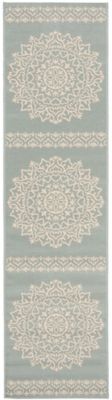
Size and shape give indoor outdoor patio rugs much of their usefulness, especially where one porch serves several purposes. A rectangular rug can follow the lines of a farmhouse table or a long seating group, while a round rug can soften the look of a square landing or sit neatly beneath a round table. Runners work well along narrow covered spaces, provided there is enough clearance around doorways and steps. In a seating area, a rug that reaches beneath the front legs of the main chairs or sofa helps keep the arrangement from looking scattered. Under a dining table, extra room beyond the tabletop lets chairs stay on the rug when someone pulls back to stand. The space needed depends on the chairs and layout, so the full furniture footprint matters more than the table measurement alone. For a broad deck or a gathering spot with several seats,
Large Outdoor Patio Rugs can help bring the main furniture group together without leaving chair legs perched along an edge. Doors still need room to swing, and a rug should not cover a step or interfere with a clear walking path. Thickness includes any pad underneath, a detail that matters near low door sweeps. Patterns and colors have a practical side, too. Heathered tones and smaller repeating patterns can make tracked-in dust, pet hair, and bits of grass less noticeable between cleanings. Lighter shades can brighten a shaded porch, while deeper colors give pale flooring a stronger contrast. Stripes can emphasize the length of a walkway, and a quiet border can frame a seating area without competing with patterned cushions. Earth tones sit comfortably alongside wood, brick, and stone; blues and greens can bring a little color to plain concrete. Surface temperatures vary with sun exposure, material, and color, so an outdoor rug should not be counted on to stay cool in direct sunlight. Its main job is to suit the space and the way people move through it.
Day-to-day care is part of what makes an indoor outdoor patio rug a good fit for a hardworking home. Most benefit from regular sweeping or vacuuming appropriate to the weave, especially near entrances where fine grit collects. Removing that grit helps limit abrasion as feet and furniture move across the surface. Spills are easier to manage when blotted promptly, and spot cleaning should follow the manufacturer’s directions rather than a one-cleaner-fits-all approach. Some outdoor-rated rugs can be rinsed with a garden hose, but others call for more limited washing, particularly when backing or attached layers are involved. After a thorough cleaning or soaking rain, both sides need time to dry, along with the floor beneath. Moisture trapped between a rug and a deck can contribute to mildew, staining, or changes in the finish, even when the rug fibers themselves resist water absorption. On wood or composite decking, compatibility with the flooring manufacturer’s guidance is worth checking before leaving any rug in place for long stretches. A suitable outdoor-rated pad may help with grip and cushioning, but the pad also needs to match the floor surface and allow the drainage the setting requires. Indoors, a compatible nonslip pad can help reduce sliding on smooth floors. Corners and edges deserve attention wherever children run through or someone carries a full tray to the porch. Weather exposure adds another layer to the choice: covered areas offer some protection, while open patios call for construction intended for direct outdoor conditions. Fade resistance can help colors hold up in sunlight, but it does not mean a rug will never fade. During cooler months, clearing away damp leaves and storing a clean, fully dry rug when its care instructions recommend it can help protect its appearance. For a busy household, a porch sitter, or someone furnishing a new place in the country, these rugs offer a practical way to make everyday spaces more inviting without making them feel too fussy for real life.