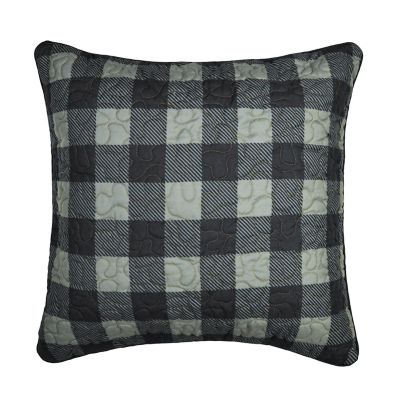
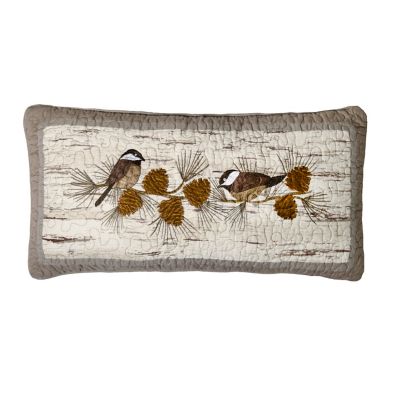
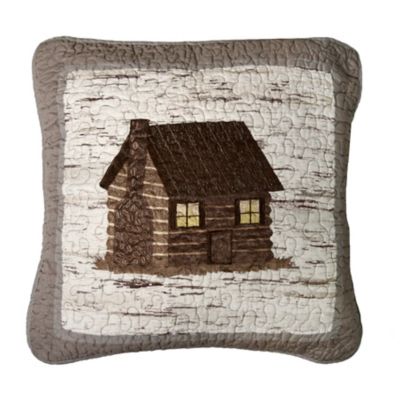
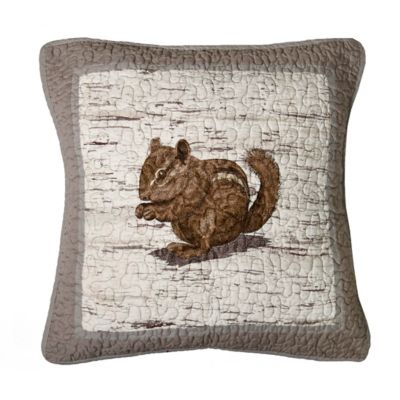
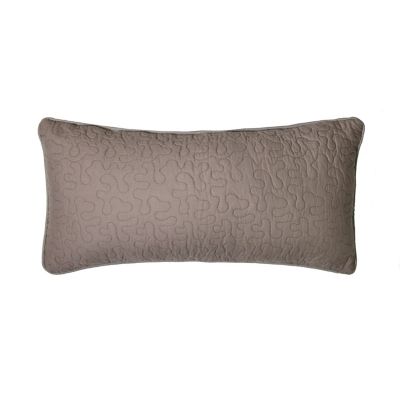
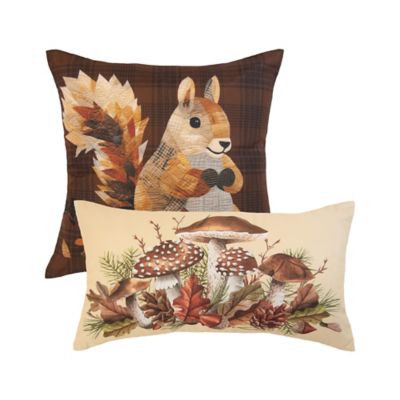
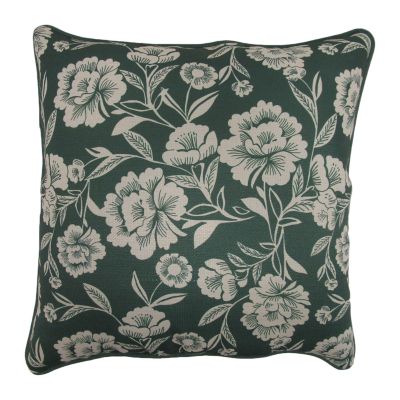
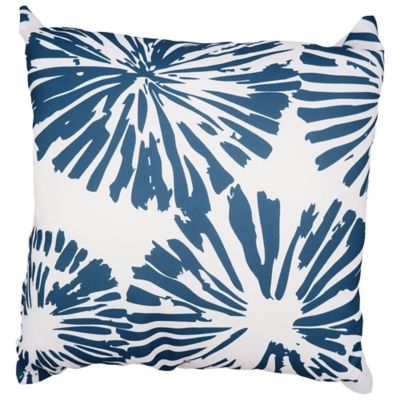
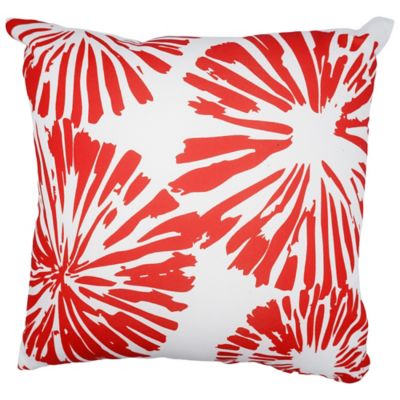
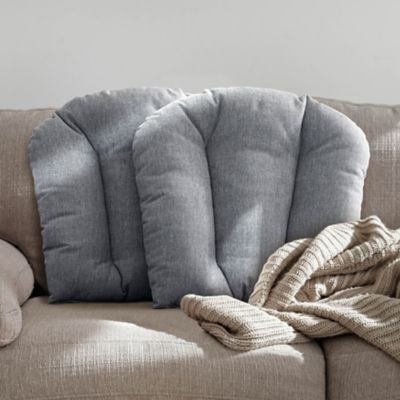
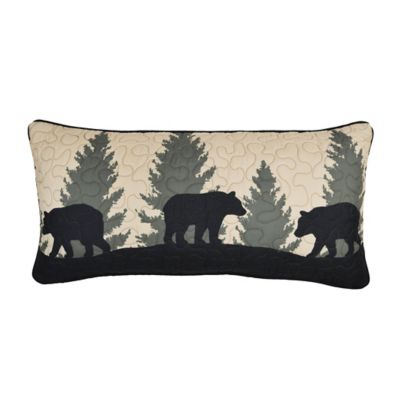
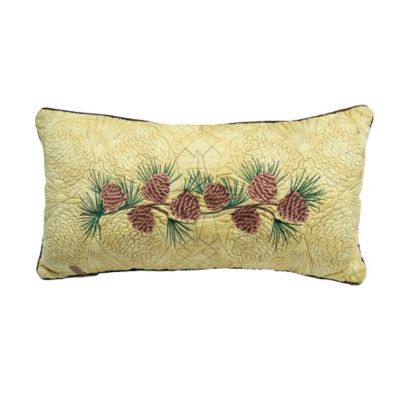
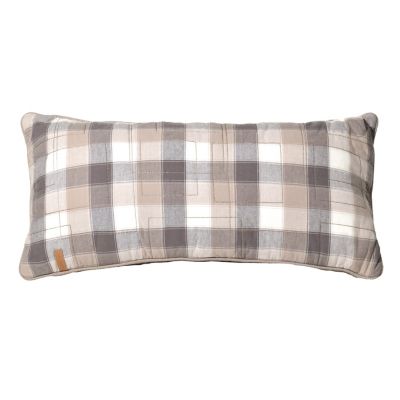
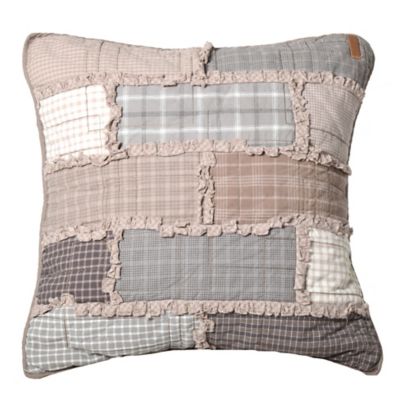
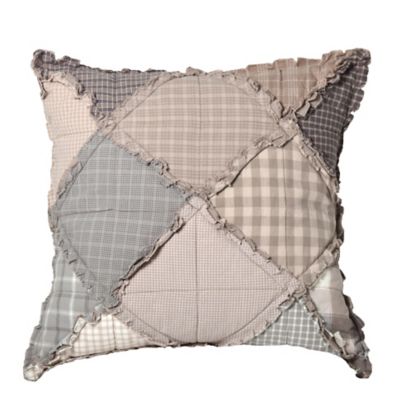
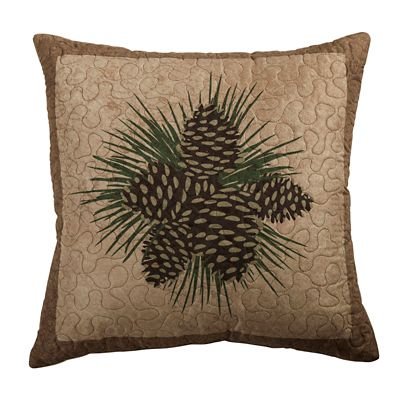
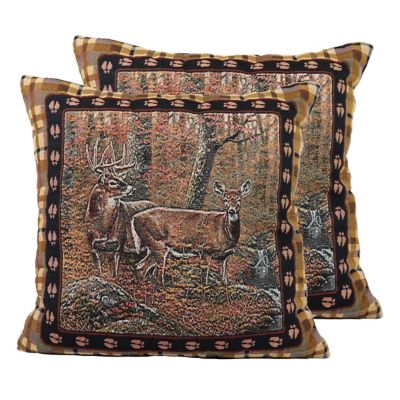
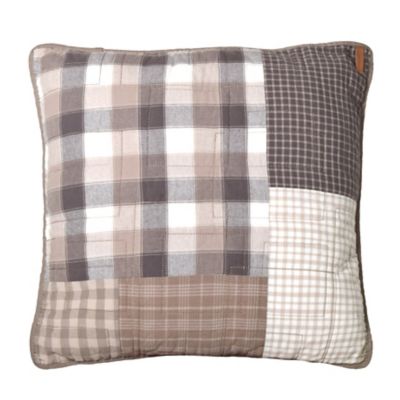
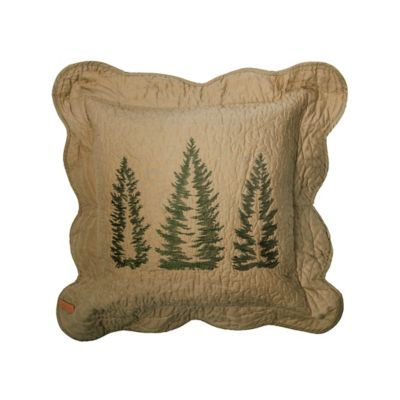
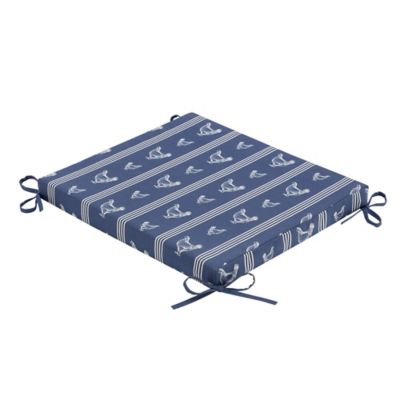
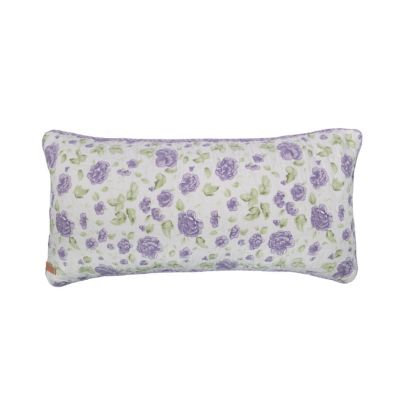
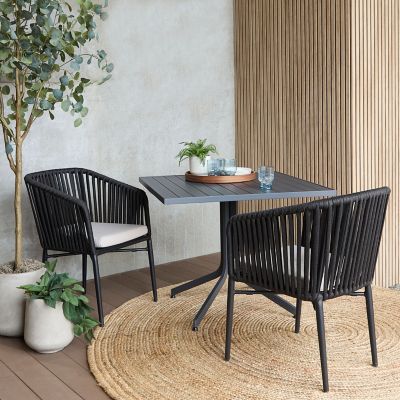
Indoor outdoor accent pillows bring a softer feel to porch chairs, patio sofas and the indoor seats where folks gather at the end of the day. They combine the color and comfort of throw pillows with fabrics intended to handle some outdoor exposure, making them a practical fit for spaces that see sunlight, everyday spills and plenty of coming and going. Water resistance, fade resistance and stain resistance are common features, though the level of protection varies by fabric and construction. An outdoor-rated pillow is not necessarily waterproof, and even weather-resistant fabric benefits from shelter during heavy rain or snow. On a covered front porch, a pair of square pillows can soften the back of a wooden bench without taking away its simple country feel. In a family room, the same type of easy-care fabric can make sense for a favorite chair near a sunny window or a couch shared with pets. Size and shape matter as much as appearance. Square accent pillows fill out deep seats and give a broad surface to lean against, while rectangular lumbar pillows tuck behind the lower back without crowding a shallow chair. Round pillows and bolsters add another shape to a seating arrangement, although their comfort depends on the seat and how someone likes to settle in. Checking the seat width, back height and remaining sitting space helps keep pillows from becoming something guests have to move before taking a seat. A deep patio sofa can handle larger pillows, but a narrow rocker usually feels better with a smaller pillow that stays clear of the armrests. Fill also changes the feel: a plump insert offers more cushioning, while a flatter one takes up less room. Accent pillows add comfort and visual interest, but they do not replace a properly fitted seat cushion. For a reading corner, a screened porch or a bench beside the back door, the best fit leaves enough space to sit comfortably and get up easily.
Fabric and construction help determine where indoor outdoor throw pillows feel most at home. Polyester and olefin are common outdoor fabric choices, and some covers feature recycled polyester fibers. A recycled fiber content alone does not establish weather resistance; the fabric’s finish, weave and stated care requirements still matter. Solution-dyed fabrics have color added during fiber production, which can help them hold their color through sun exposure, though no textile is immune to fading over time. Fade-resistant fabric is especially useful on a porch that catches strong afternoon light, while stain resistance can be helpful around outdoor dining areas or busy family seating. Water-resistant finishes can shed light splashes, but moisture may still enter through seams, closures or prolonged contact with a wet surface. Pillow fill and cover construction affect drying time, too, so a quick-drying claim should apply to the complete pillow rather than just its outer fabric. Tightly woven covers offer a different feel from textured weaves, and a smooth surface may be easier to brush free of pet hair, crumbs or loose dirt. Raised stitching, fringe and tassels add texture but may need a little more attention around muddy paws or snagging claws. Well-finished seams, secure closures and neatly attached trim are worth checking in pillows that will move between the house and porch. Color and pattern can tie those spaces together without making every piece match. Earth tones sit comfortably beside wood furniture and stone, while blues, greens and simple stripes work with painted rocking chairs or woven seating. A patterned pillow can bring several furniture colors together; a solid one gives the eye a resting place beside a busy cushion print. Coordinating pillows with
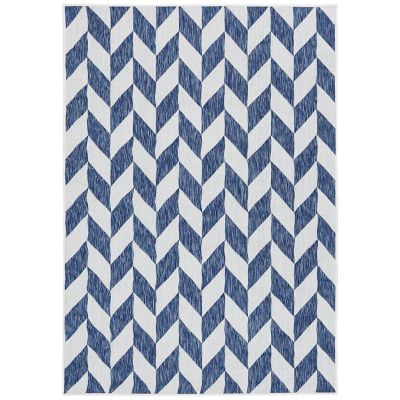
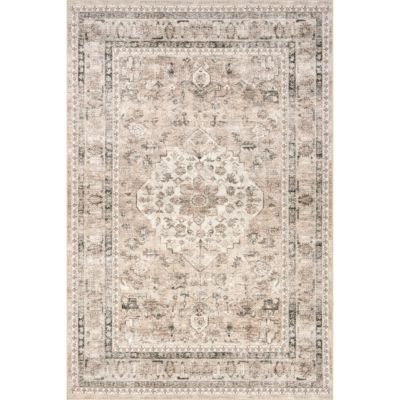
Indoor Outdoor Area Rugs can help a porch seating group feel connected, especially when the rug and pillows share one or two colors rather than the same pattern. During the cooler months, deeper shades and inviting textures can carry that comfortable look indoors without relying on a holiday motif.
Everyday care plays a big part in how well indoor outdoor accent pillows hold up from one season to the next. Removable covers with zipper closures can make cleaning more manageable, but a removable cover is not automatically machine washable. The care label should spell out whether a cover can go in the washer, needs hand washing or calls for spot cleaning only. Sewn-closed pillows may have separate cleaning directions for the entire pillow, and the insert inside a removable cover may need different treatment from the shell. For many fabrics, brushing away loose soil before it gets ground into the weave and blotting spills promptly helps limit marks. Mild soap and water may be appropriate when the care instructions allow it; bleach, strong cleaners and high dryer heat can damage certain fibers or finishes. After cleaning or a passing shower, pillows need to dry fully, including the fill, before they return to a seat or go into storage. Standing a damp pillow on its edge in a well-ventilated spot can help air reach more of its surface, provided that method suits its construction. Mildew-resistant fabric still needs attention because dirt and trapped moisture can support growth even when the fiber itself resists it. A sheltered porch reduces exposure, but wind-driven rain, damp chair cushions and heavy dew can still leave pillows wet. Bringing them inside during extended wet weather and storing them clean and completely dry during long stretches without use helps protect their appearance and feel. A dry indoor shelf or suitable weather-protected storage space is a better home than a damp corner of the shed. These practical details also make pillows a thoughtful housewarming or host gift for someone who enjoys porch coffee, backyard visits or a comfortable place to read. A familiar color, a size suited to the recipient’s seating and straightforward care requirements matter more than an elaborate arrangement. Whether they spend most of their time on a sheltered patio or a well-loved family room couch, indoor outdoor accent pillows work best when their fabric, proportions and upkeep suit the way that space gets lived in.