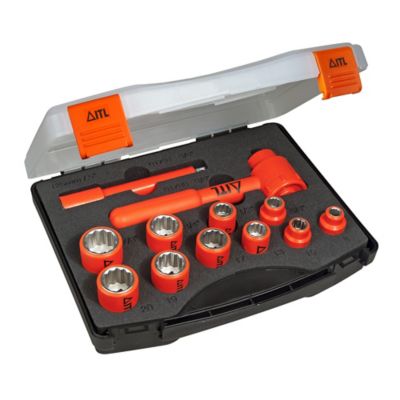
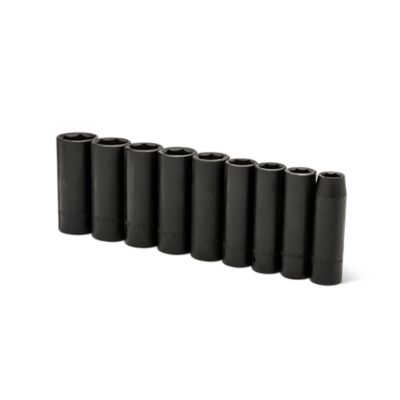
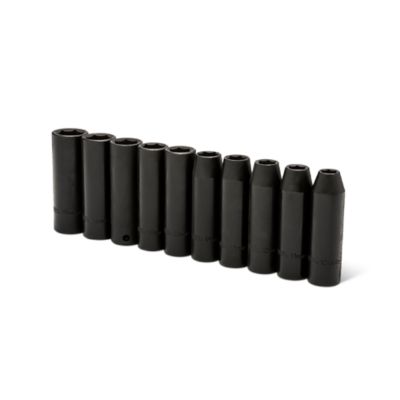
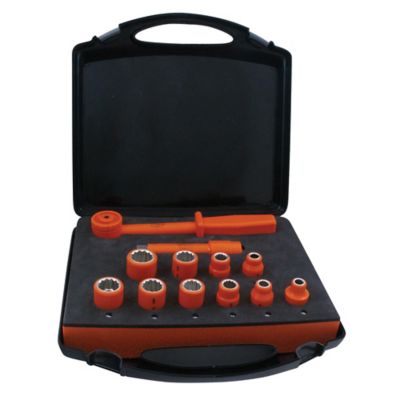
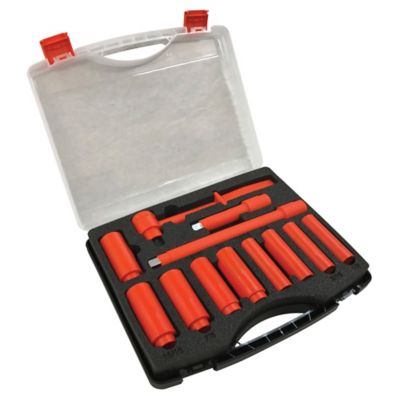
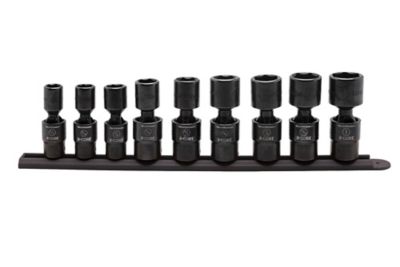
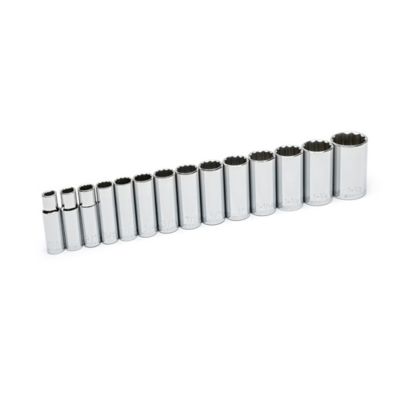
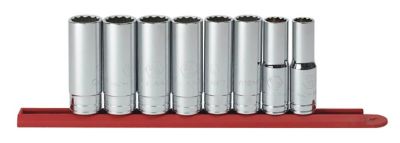
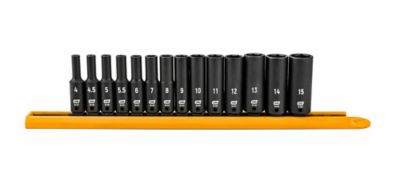
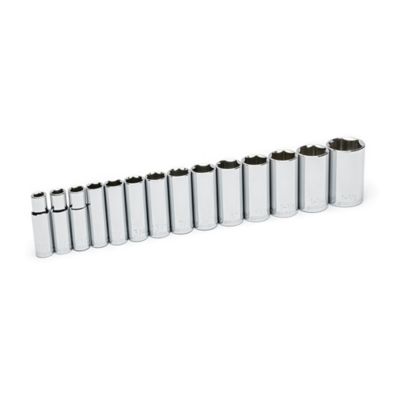
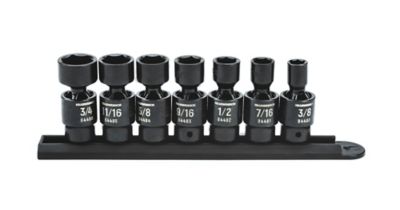
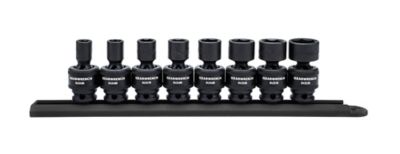
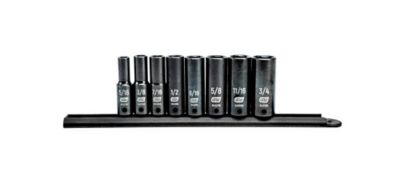
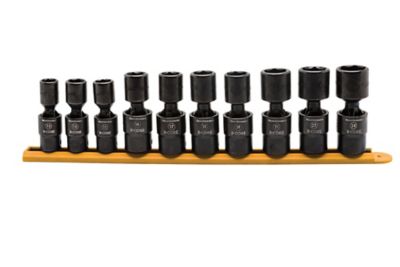
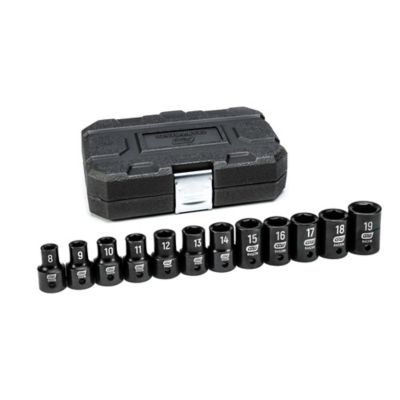
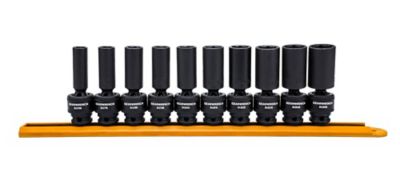
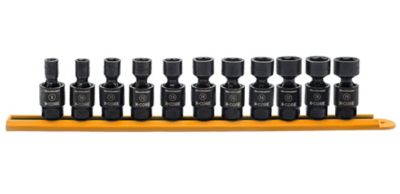
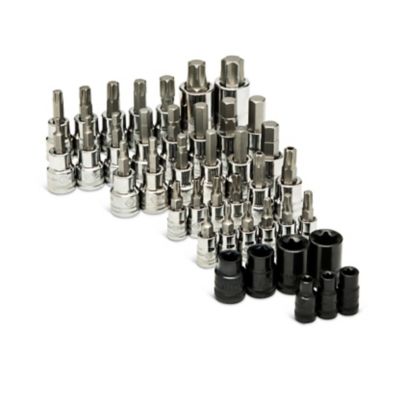
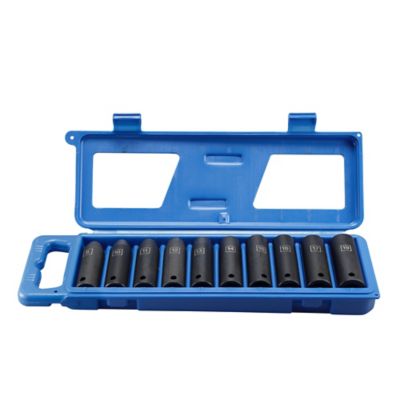
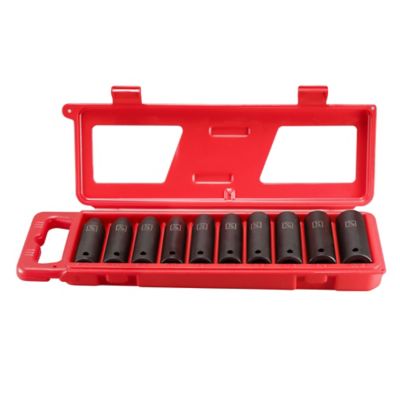
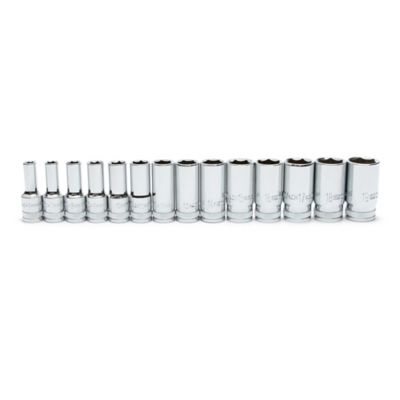
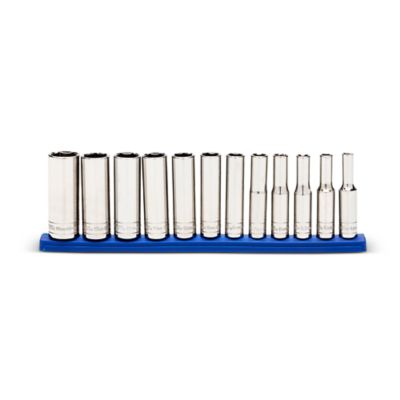
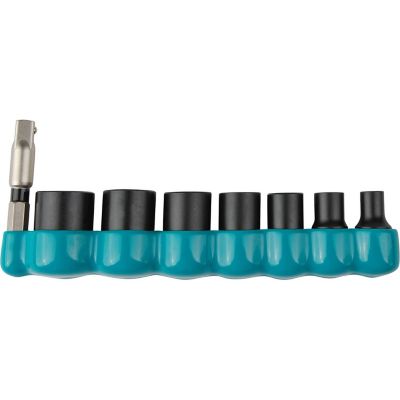
Heavy-duty socket sets bring together high-strength steel sockets for demanding work on trucks, tractors, trailers and shop equipment. Their job is straightforward: fit the fastener securely and transfer turning force from a compatible ratchet, breaker bar or impact wrench. That can mean reaching a recessed mounting nut on a tractor, working through a trailer suspension repair or tackling larger hardware on a piece of farm machinery. The heavy-duty label alone does not establish a socket’s strength or make it suitable for an impact tool. Construction, drive size, fastener fit and the manufacturer’s tool rating all matter. Forged, heat-treated alloy steel is common in these sets because it provides the strength needed for substantial turning loads. Chrome-vanadium steel appears frequently in hand-tool sockets, while chrome-molybdenum steel is common in impact-rated sockets, though the alloy name by itself does not confirm impact compatibility. Impact sockets are designed to handle the repeated blows of pneumatic or cordless impact wrenches; ordinary hand sockets should not be paired with those tools unless expressly rated for that purpose. Bright chrome finishes are common on hand sockets and wipe clean readily, while black oxide or phosphate finishes often appear on impact sockets. Finish color is not a substitute for checking the rating. For farm owners, equipment mechanics and folks who handle their own truck repairs, the right set fits both the work and the tools already in the shop. A half-inch drive can suit many automotive and equipment tasks, while three-quarter-inch and one-inch drives serve larger hardware and higher-load applications when matched to suitable tools. Smaller drives still have a place around covers, brackets and tighter spaces. Larger is not automatically better: a big socket that cannot clear a nearby frame rail will not help much, and an oversized drive does not excuse exceeding a tool’s limits. Useful strength comes from the whole setup working together, from the square drive connection to the socket’s contact with the nut or bolt.
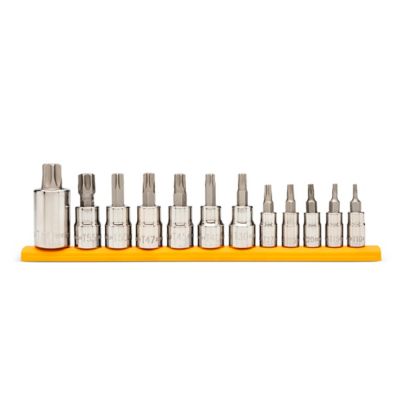
Fastener coverage makes a real difference when a repair stretches beyond one familiar machine. SAE sockets fit inch-size hardware, while metric sockets match dimensions measured in millimeters. A shop that handles older implements alongside newer trucks may need both systems, and a close-looking size from the other system is no replacement for a proper fit. Six-point sockets contact a hex fastener across broader areas near the flats, making them a common choice for demanding work where protecting the corners matters. Twelve-point sockets offer more engagement positions, which can help with access, and are necessary for matching twelve-point fasteners. Neither profile eliminates the need for full engagement. Shallow sockets keep the setup compact where clearance is tight, while deep sockets can reach nuts farther down a protruding stud. Actual internal clearance varies, so overall socket length does not tell the whole story. Deep sockets also add length between the fastener and the tool, something that matters under a truck or beside a crowded engine compartment. Socket wall thickness deserves attention, too. Impact-rated designs often have thicker walls that may not fit narrow recesses, even when the opening is the correct size. Extensions can move the ratchet handle beyond an obstruction, and swivel designs can help reach hardware that is not directly in line with the tool. Each attachment still needs the appropriate drive connection and rating, especially with an impact wrench. Adapters do not increase the strength of the smaller connection, and extra reach does not increase a socket’s load capacity. For jobs involving star-pattern fasteners,
Torx Socket Sets cover a different profile, with internal and external designs matched to the corresponding hardware. Across any socket assortment, the size range matters more than a large piece count alone. A set with the sizes a tractor, pickup or trailer actually needs is more useful than a crowded case with gaps at the sizes that see the most work. Clearly marked sizes also save hunting when several sockets look nearly alike on the bench.
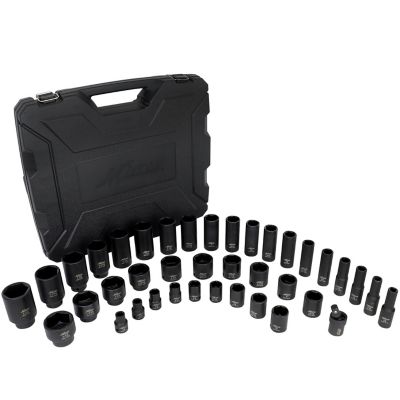
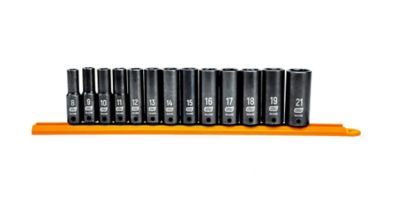
Heavy-duty socket sets earn their place through repeated service, so storage and care deserve a spot alongside strength and fit. Oil, grit and metal shavings can collect inside the opening or square drive, interfering with seating and making wear harder to spot. A wipe-down after a greasy repair keeps markings readable and helps prevent residue from spreading through the case. Bare steel and some black-finished surfaces may need a light protective oil according to the manufacturer’s care directions, particularly before longer storage. Chrome plating also benefits from clean storage; damage to the finish can leave the underlying steel exposed to corrosion. Cracks, spreading drive openings, heavily worn contact surfaces and flaking metal are reasons to take a socket out of service rather than keep pushing it. A snug case, socket rail or drawer organizer helps keep matched sizes together and makes an empty space noticeable before the next trip out to the equipment shed. Case latches, carrying handles and sockets that stay seated matter when tools travel between the shop, the barn and a service truck. Readable stamped or etched markings are helpful when gloves are greasy or a repair puts the socket at an awkward angle. Some sets include ratchets, extensions or other accessories, while others focus on sockets alone, so the contents should match the way the tools will work together. For final assembly, a compatible torque wrench provides controlled tightening to the equipment maker’s specification; an impact wrench serves a different role and does not replace that measurement. Eye protection and a stable working position matter whenever substantial force is involved. As a gift, a socket set makes sense for a mechanic, a farm owner or someone building out a home shop, especially when the drive size and SAE or metric coverage match existing tools. The most useful assortment is one that suits real repairs: enough reach for the stud, enough clearance around the fastener and the proper rating for the tool doing the turning.