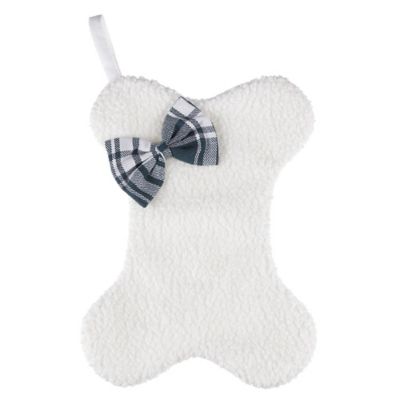
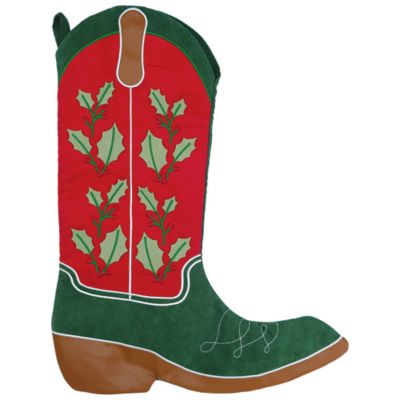
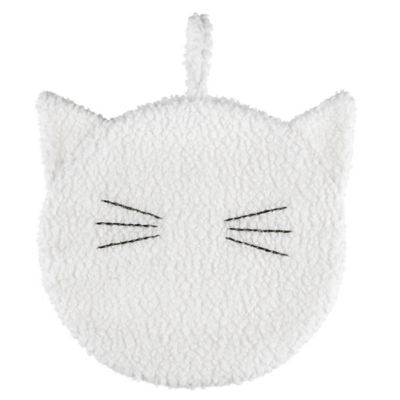
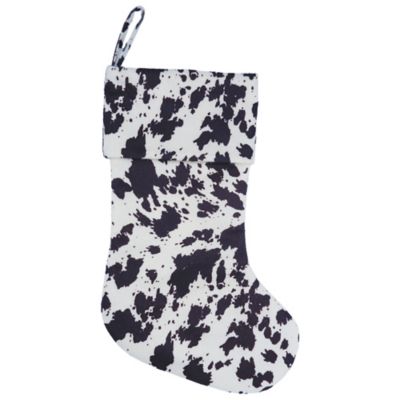
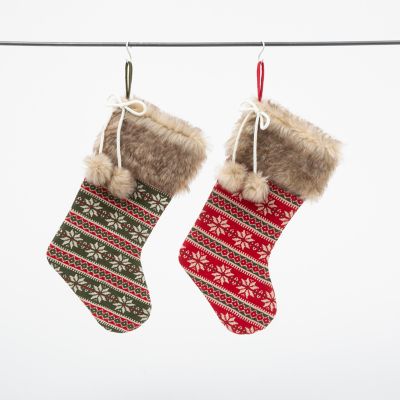
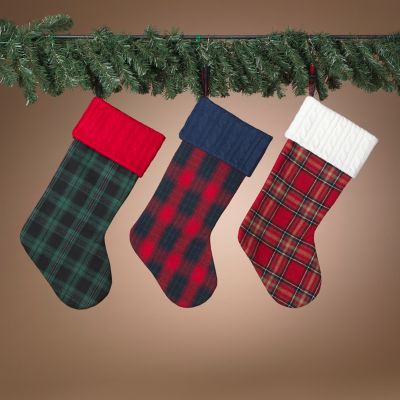
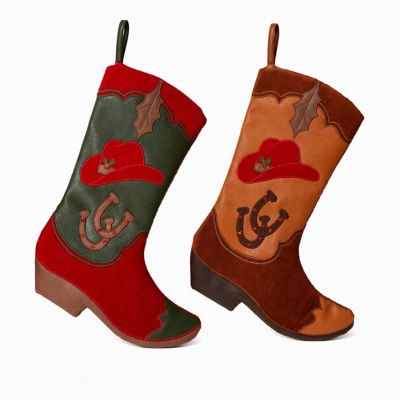
Holiday stockings are fabric pouches, usually shaped like oversized socks, that hang at Christmas and hold small gifts and treats. They’re part of the holiday fun in many homes, whether they line a farmhouse mantel, brighten a staircase, or hang along a wall near the Christmas tree. For some families, each person has a familiar stocking that comes out year after year; for others, a coordinating set brings the whole display together. Their appeal is practical as well as sentimental: a stocking gathers smaller presents in one place while giving everyone a spot in the family’s Christmas tradition. Red, green, and cream fit a traditional look, while plaid, woodland patterns, and earthy colors feel right at home alongside wood furniture and country-inspired Christmas touches. Simple designs can blend into a room without competing with the tree, and bolder patterns can stand out across a larger gathering space. A row of matching shapes with different colors makes it easy to tell each stocking apart, especially when several children or visiting relatives join the celebration. Stockings can also mark a first Christmas in a new home, welcome a new family member, or make room for a four-legged companion in the holiday lineup. Some households hang them before Christmas as part of their annual setup, while others bring them out closer to the gift exchange. Either way, the best fit depends on the traditions of the household rather than a single decorating rule. A generously sized stocking suits a family that makes the filling part of the main celebration, while a smaller one works well for a modest exchange or a narrow hanging space. The overall shape matters, too: a long, slim design creates a different look from a wide stocking with a roomy foot. Those differences become especially noticeable when several hang side by side, so proportions can matter just as much as color.
Materials give holiday stockings much of their character, and they also affect how the fabric handles filling, hanging, and storage. Cotton and cotton-blend fabrics can have a smooth or woven finish that works with everything from simple stripes to detailed holiday patterns. Knit stockings bring visible texture and a relaxed, sweater-like appearance, though an open knit may stretch more under weight than a tightly woven fabric. Felt offers a soft surface and a defined silhouette, while plush fabrics create a fuller look that children may enjoy. Burlap-style weaves and canvas-like fabrics lean toward a rustic feel, especially alongside checks, simple stitching, or contrasting cuffs. Fiber content, lining, and construction matter more than appearance alone when a stocking will hold gifts rather than simply hang empty. A lining can help contain small contents and support the outer fabric, while well-sewn seams and a firmly attached hanging loop help the stocking stand up to repeated holiday handling. Trim deserves a look as well, particularly in homes with young children or curious pets that might tug at dangling pieces. Size measurements can tell more than a photograph: overall length describes the hanging footprint, but opening width and the space through the ankle affect what can slide inside. A broad cuff does not always mean a broad opening, and a narrow ankle can limit the usable room in a stocking with a large foot. Fabric with some give may accommodate irregular shapes, but stretching it too far can distort the pattern or put strain on the seams. For stockings intended to return to the mantel each Christmas, a sturdy loop, neat stitching, and fabric that holds its shape are useful features. Surface details such as raised stitching, fuzzy cuffs, and attached accents can add character, though they may also call for gentler cleaning and more careful packing after the celebration.
Holiday stockings make thoughtful gifts for children, couples settling into a home, grandparents adding to the family lineup, and friends who enjoy keeping Christmas traditions going. A design that reflects the recipient’s everyday life can feel especially fitting in a rural household, whether that means farm-inspired patterns, outdoor themes, or a straightforward country look. For families that spend Christmas morning tending animals before opening presents, stockings offer a familiar little gathering point when everyone heads back inside. They also work well for celebrations with extended family, where each guest can have a clearly recognizable place for small gifts. The stocking and its contents should suit each other: lighter treats and small wrapped presents are easier on hanging loops than heavy or awkwardly shaped gifts. For a farm-focused gift exchange,
Stocking Stuffers for Farmers offers a related place to explore gifts suited to life around the barn and beyond. Filled stockings need a secure support that can handle their total weight, and a display that holds an empty stocking may not support it once filled. Mantels and fireplaces also call for space between fabric and any flame, hot surface, or other heat source; stockings belong well clear of an operating fireplace or stove. Where children or pets can reach them, keeping filled stockings out of reach helps prevent pulling, chewing, or spilled contents. After the holiday, care depends on the fabric and attached details, so the care label is the starting point for cleaning. Some materials tolerate gentle washing, while others call for spot cleaning, especially when several fabrics or delicate accents share one stocking. Letting every part dry fully before packing helps prevent musty smells, and storing stockings without crushing raised details helps preserve their shape. A clean, dry storage spot away from dampness and direct sunlight can help them stay ready for another Christmas. With a size that suits the household, construction suited to the contents, and a look that feels at home, holiday stockings can become a familiar part of family celebrations for years.