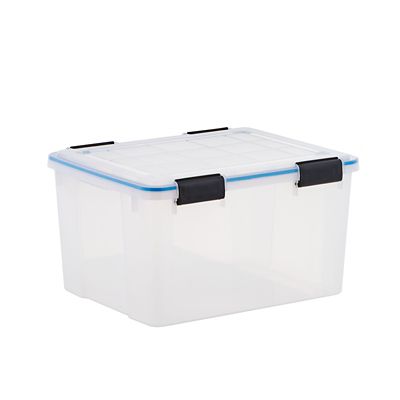
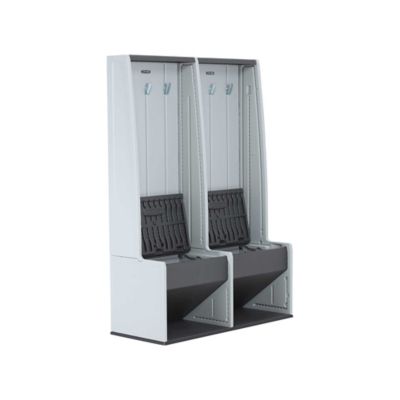
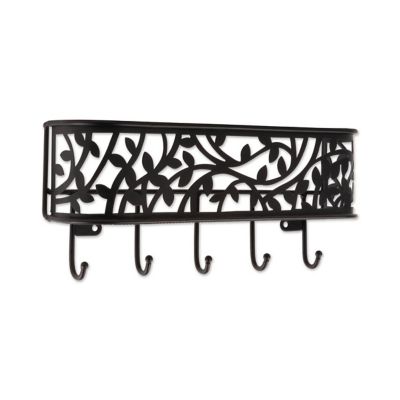
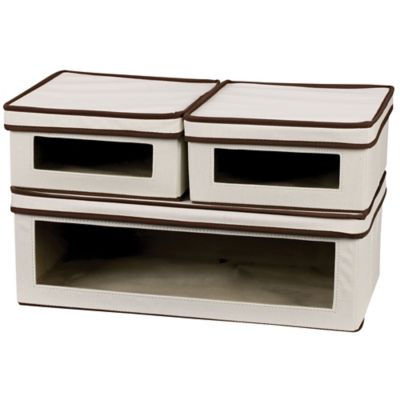
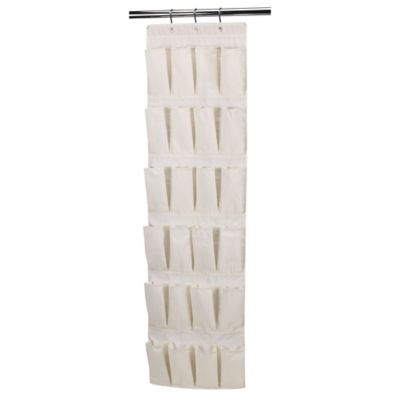
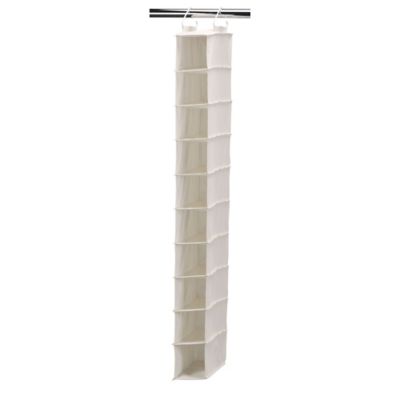
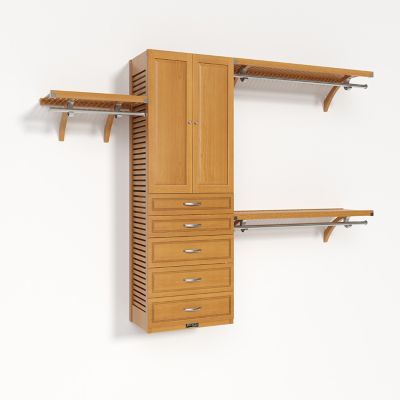
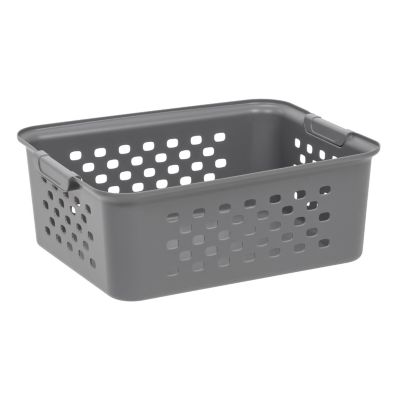
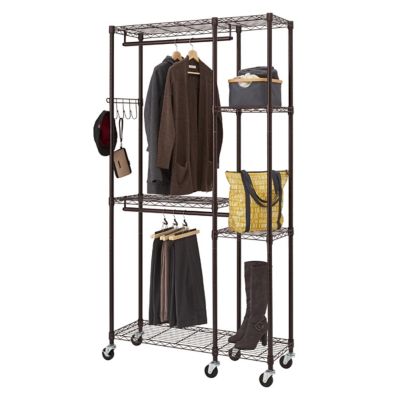
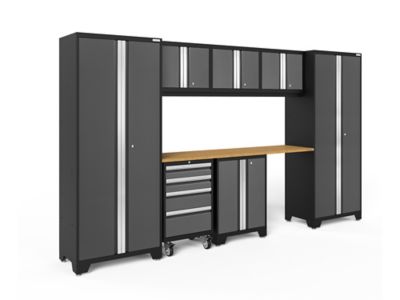
Household organization brings similar belongings together, makes the most of vertical space and gives everyday essentials a regular place to land. Storage bins, baskets, shelving and drawer organizers help turn crowded rooms into spaces that work better for the people living in them. In a busy household, that might mean work gloves within reach near the back door, school supplies gathered away from the supper table or clean towels that stay put instead of toppling off a closet shelf. The best fit depends on what needs storing, how often it comes out and who needs access to it. Open storage keeps everyday belongings easy to spot, while covered containers help separate less frequently needed possessions from the daily shuffle. Clear sides make contents visible at a glance; opaque containers keep a cleaner-looking appearance when belongings vary in shape and size. Labels add another way to tell things apart, especially when several family members share a closet or utility room. Household storage works hardest when its size matches the task rather than simply filling an empty corner. A deep container can hold larger belongings, but smaller compartments make more sense for little essentials that otherwise settle at the bottom. Narrow spaces may benefit from upright storage, while a low shelf can put everyday belongings within easier reach. In smaller homes, apartments and farmhouses with limited closet space, storage that takes advantage of wall height can free up valuable floor area. The goal is not a room that nobody touches. It is a place where a pair of gloves, a spare towel or the next load of laundry has somewhere sensible to go. A practical setup also leaves room for belongings to move through the house, with accessible spots for things coming in, heading out or waiting to be put away. That breathing room matters in a hardworking home, where one room may serve as a laundry area, household supply station and landing spot after chores.
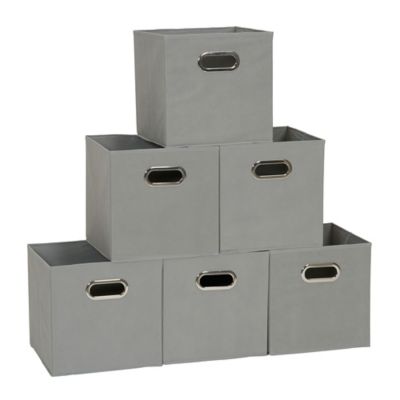
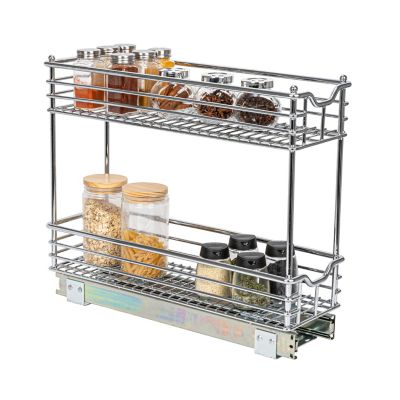
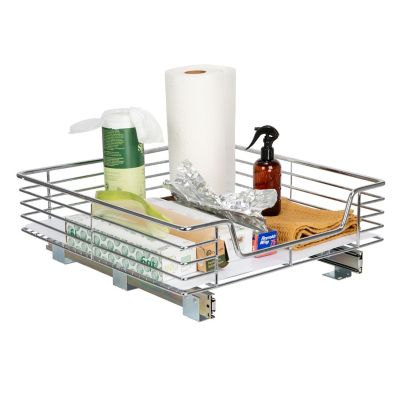
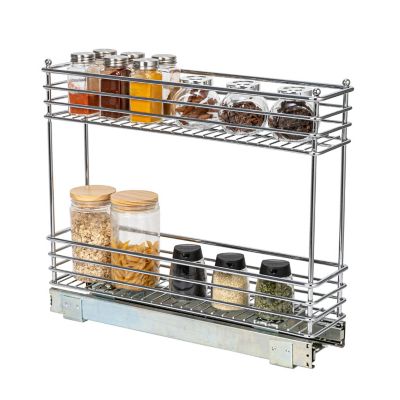
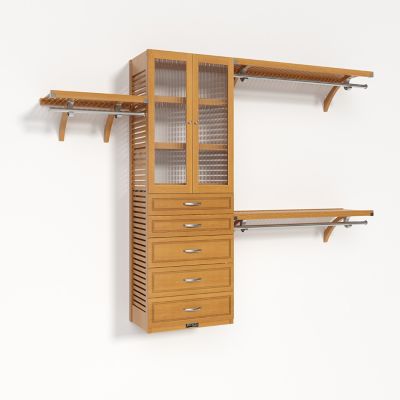
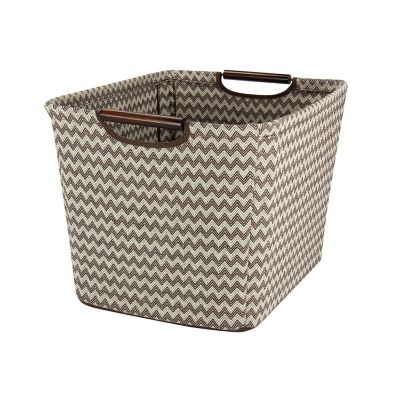
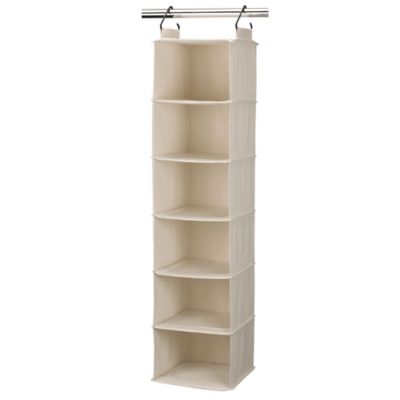
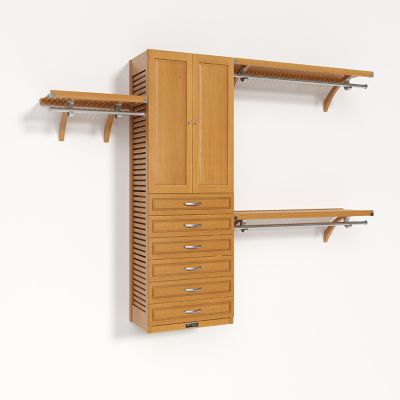
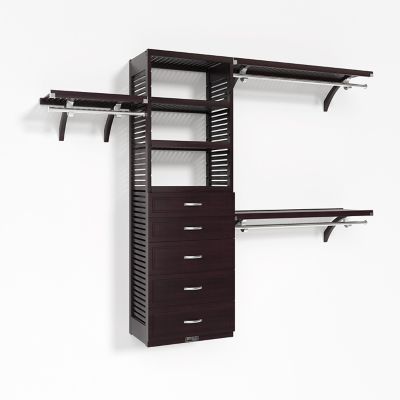
Materials and construction affect how household organization products handle those everyday jobs. Smooth plastic surfaces are often straightforward to wipe down, making them practical around laundry supplies and other belongings that can leave residue. Wire construction allows visibility and airflow, while solid shelves provide an even surface beneath smaller containers. Fabric storage can suit lightweight belongings such as folded linens, though cleaning methods vary by fabric and any internal support material. Wood and wood-based storage bring a furniture-like appearance to living spaces, with care requirements that depend on the finish and construction. Metal storage also varies, so the coating, joints and stated weight capacity deserve attention alongside the overall size. A container that feels comfortable empty may be awkward once filled, especially when it needs to travel between rooms. Handle placement, lid design and the shape of the opening all affect how easily contents can be reached and carried. Stackable storage makes use of height, but stacking compatibility and load limits matter more than simply matching the outside dimensions. Shelving needs enough clearance for both the container and the movement required to lift it out. Closet doors, hinges, baseboards and nearby outlets can also affect whether a storage piece fits where expected. Drawer compartments work best when their height leaves the drawer free to close and their sections suit the belongings inside. Care is part of the decision, too: removable liners, accessible corners and surfaces that tolerate the recommended cleaning method can make upkeep less of a chore. Tall furniture should be secured as directed by its manufacturer, and heavier belongings belong lower down for easier handling and a steadier setup. Around children and pets, storage for cleaners and other potentially harmful materials calls for appropriate secure placement, not just a lid that hides them from view.
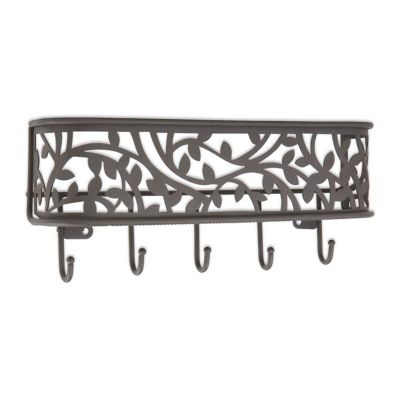
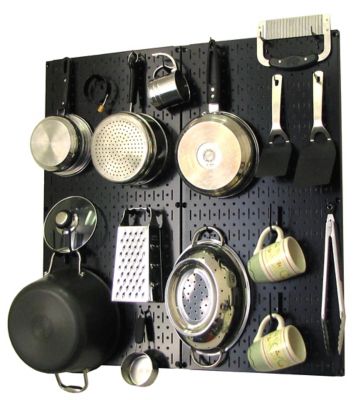
The right household organization setup fits daily routines as much as it fits a room. Near an entryway, a mix of hanging space and contained storage can keep bags, leashes and workday essentials from spreading across the floor. In a laundry area, separate spaces for washing supplies, folded clothing and belongings waiting to return to another room help keep different tasks from running together. Linen closets benefit from storage that keeps matching pieces together without packing every shelf so tightly that nothing comes out easily. Shared bathrooms need room for personal belongings as well as the supplies everyone reaches for, while bedrooms often call for a balance of open access and tucked-away storage. For cabinets, counters and food preparation areas,
Kitchen Organization Solutions offers a closer look at keeping another hardworking part of the home in order. Across these spaces, consistent container sizes can make shelves easier to arrange, but a mix of shapes may better accommodate the belongings already in the house. Matching everything is less important than being able to find it, carry it and put it back without a struggle. Families with young children may favor reachable storage for everyday belongings and separate, secure spaces for anything that needs adult supervision. Someone managing a small home may place more value on slim footprints and storage that serves more than one purpose. Households balancing work, school and animal care often benefit from clear separation between household supplies and equipment that belongs outside or in a utility space. Simple labels and visible groupings make shared storage easier for everyone to follow without repeated reminders. Space for a few additions also helps a system stay useful as routines change. Whether the trouble spot is one crowded drawer or several rooms that never quite stay straight, household organization products provide practical ways to contain the clutter, protect belongings and keep the house ready for everyday life.