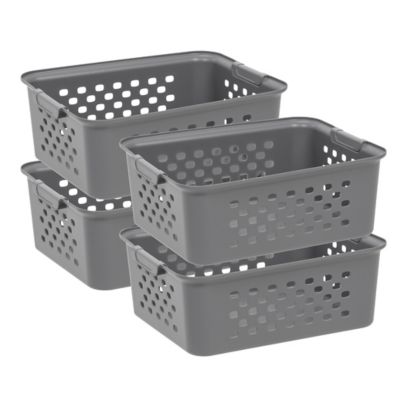
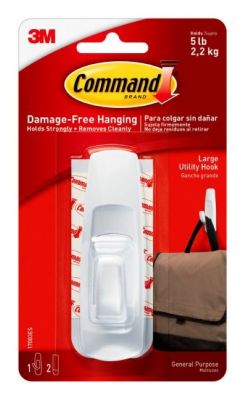
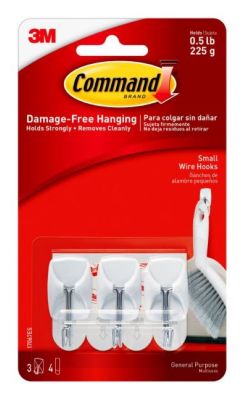
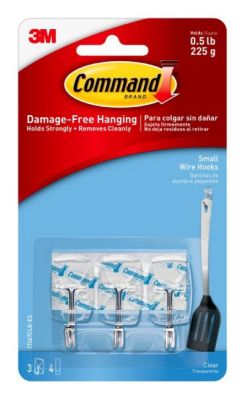
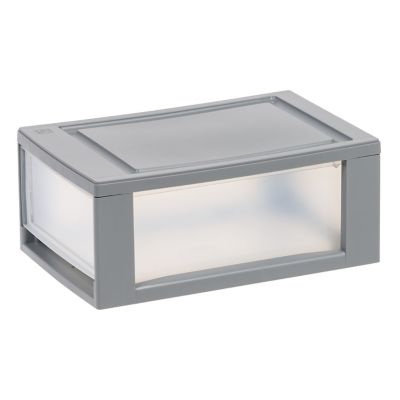
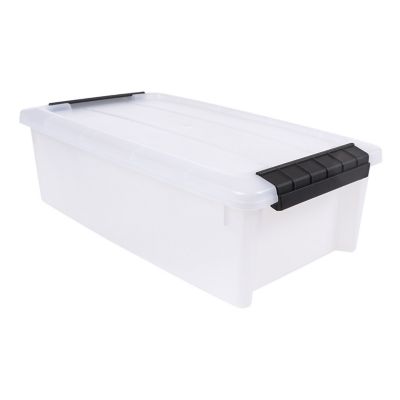
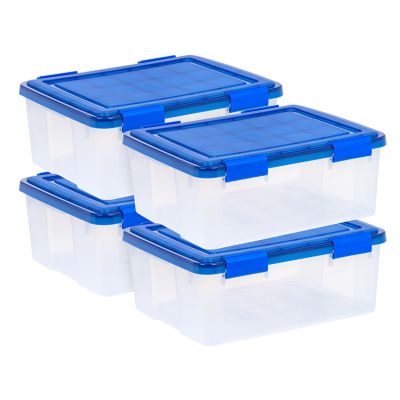
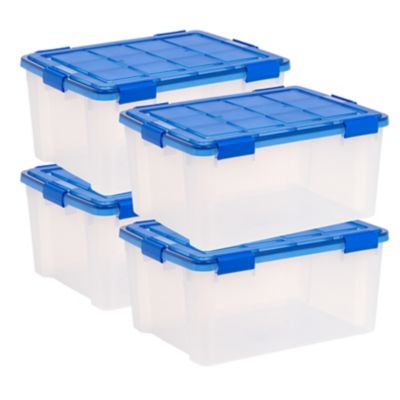
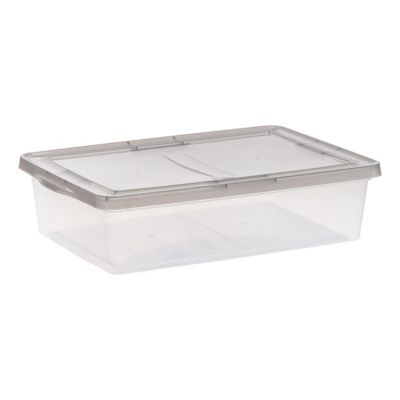
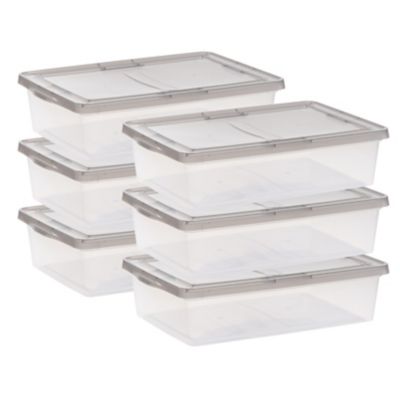
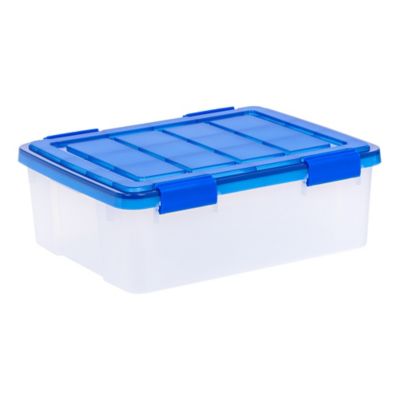
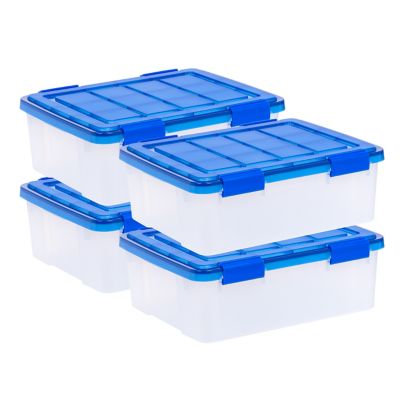
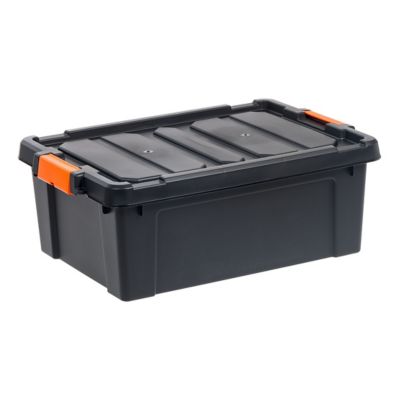
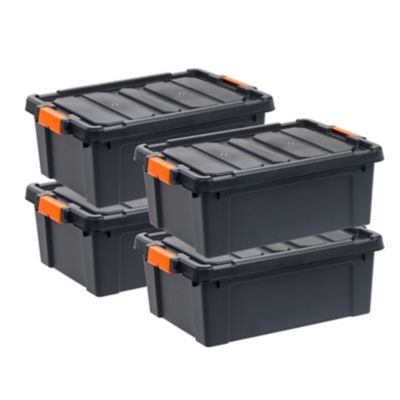
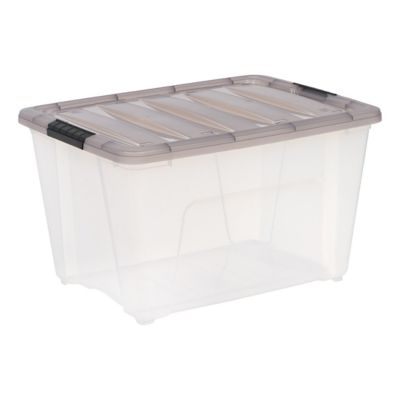
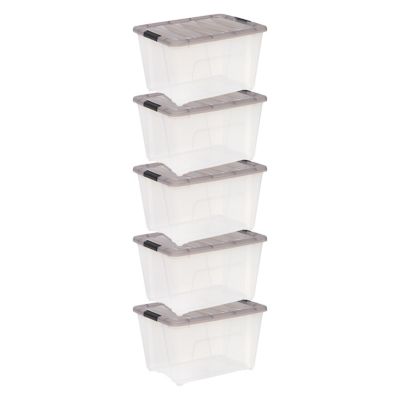
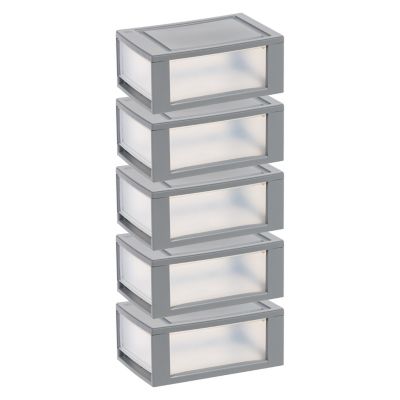
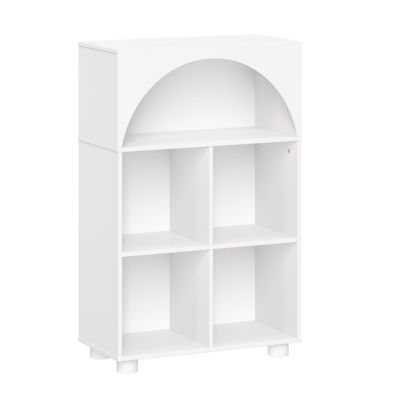
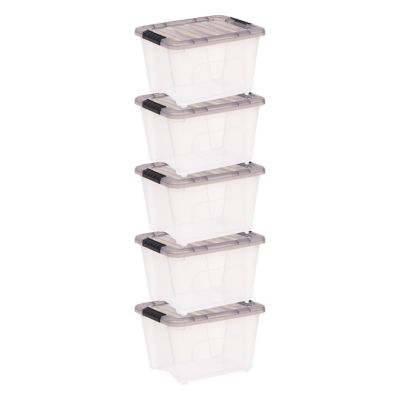
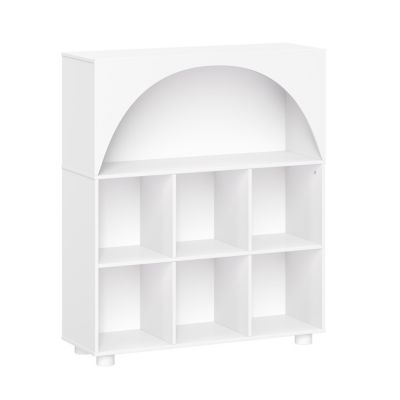
Closet organization for apartments makes a small storage space work harder without letting clothes, shoes, and everyday gear take over the bedroom. The most useful arrangements combine hanging space, shelf storage, and easy-to-reach compartments, with room for the things that actually come through the door. That might mean work shirts beside weekend clothes, a pair of boots below folded jeans, or a bag that needs a landing spot after a long day. Slim hangers, hanging shelves, stackable containers, and door-mounted storage each serve a different purpose, so their value comes from how well they fit the closet and the belongings inside it. Narrow hanger profiles can free up rod space, while textured surfaces help keep lightweight garments from slipping. Broader supports are a better match for clothing that needs more structure through the shoulders. Hanging fabric compartments turn open space beneath a rod into places for folded shirts, small bags, and accessories, although their load limits matter when storing heavier belongings. Clear containers make contents easier to spot; opaque bins keep the view simpler when a closet sits open to the room. Small compartments keep socks, belts, and loose accessories from disappearing beneath a stack of clothes. Vertical storage is especially helpful in an apartment because it takes advantage of height rather than demanding more floor space. Still, the best arrangement leaves everyday belongings within comfortable reach and keeps the floor clear enough to see what is there. A closet that holds everything but makes a clean shirt hard to retrieve is not doing the whole job. Apartment closet storage works best when each section has a clear purpose, whether the space belongs to one person with a busy work schedule, a couple sharing a single rod, or roommates keeping their belongings separate. An easy-to-maintain setup leaves enough breathing room to slide hangers, lift lids, and put laundry away without rearranging half the closet.
Fit matters as much as storage capacity, especially in apartments with shallow closets, narrow doorways, or sliding doors that expose only one section at a time. Width, depth, and height all affect whether an organizer sits neatly in place, but the opening deserves just as much attention as the interior. A container may fit on a shelf and still be awkward to pull past a door frame. Drawers need forward clearance, hinged lids need space above them, and door-mounted pockets must allow the closet door to close without rubbing against clothing. Baseboards and existing shelf brackets can also prevent a freestanding frame from sitting flush against the wall. For shallow spaces with a single front opening,
Closet Organizers For Reach In Closets focuses on arrangements suited to that layout. Double-hanging configurations can divide vertical space between shorter garments, while a full-height section leaves room for dresses, coveralls, and longer coats. Adjustable shelves offer flexibility when the same closet needs to hold both low stacks of T-shirts and taller bags. Shoe storage needs enough clearance for the footwear involved; a shelf that handles sneakers neatly may not accommodate upright work boots. Dividers can help folded clothes stay in separate stacks, and shallow compartments bring small belongings closer to the front instead of burying them behind other things. Rental considerations count, too. Freestanding and over-the-door designs may reduce the need for permanent changes, but secure installation still depends on the design and the manufacturer's directions. Some units require wall anchoring even when they stand on the floor, and tension-mounted designs depend on suitable supporting surfaces and proper adjustment. Lease terms and mounting requirements belong in the decision before a storage setup becomes part of the apartment. The goal is a sensible fit that keeps doors moving freely, gives clothing enough room, and does not block access to the corners.
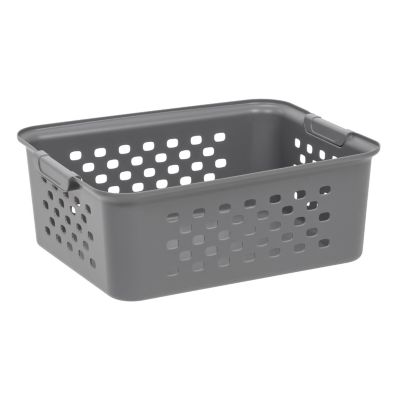
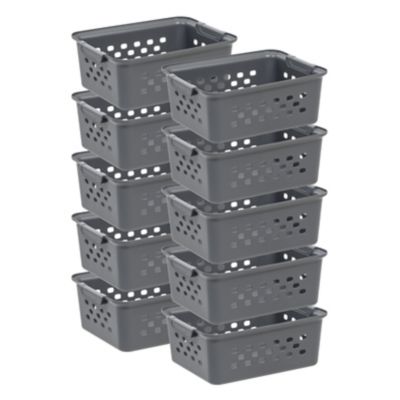
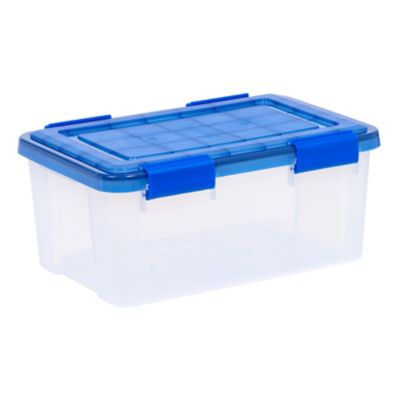
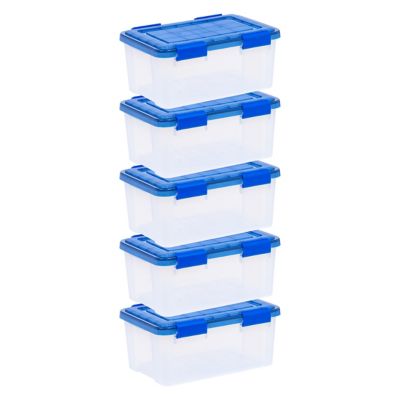
Materials and construction shape how apartment closet organizers handle daily wear and how much attention they need along the way. Metal frames can support an open, straightforward arrangement, with stated shelf and rod capacities providing a better basis for choosing than appearance alone. Wire shelves allow airflow and visibility, though closely spaced wires or a suitable liner may be preferable for smaller belongings that could tilt or slip through gaps. Solid wood and engineered wood surfaces provide a flat base for folded clothing and containers; their finishes, edge treatments, and care directions affect how they stand up to scuffs and moisture. Plastic bins generally wipe clean easily, while fabric storage offers a lighter, softer-sided option that may fold down when empty. Fabric compartments can sag when overloaded, and stackable containers need compatible shapes and stable placement rather than a tall, uneven pile. Smooth edges, sturdy connections, and reinforced handles are worth attention wherever storage gets moved or opened often. Care should follow the material: many hard surfaces need only a soft cloth and a suitable cleaner, while fabric pieces may call for spot cleaning rather than machine washing. Clothing and footwear should be clean and dry before going into enclosed storage, and freshly wiped shelves should dry before belongings go back. Heavier loads belong lower down, where they are easier to handle and less likely to make a setup top-heavy. In a shared closet, separate compartments and readable labels make it easier for everyone to put things back in the right place. Open storage suits belongings grabbed every day, while covered containers help shield less frequently needed clothing from dust. Modular pieces can also make sense for apartment living when their dimensions allow them to move between a bedroom closet, hall closet, or future home. A practical arrangement does not have to fill every inch. A little open space makes room for returning laundry, lifting out a bag, and keeping the closet manageable through the regular give-and-take of daily life.