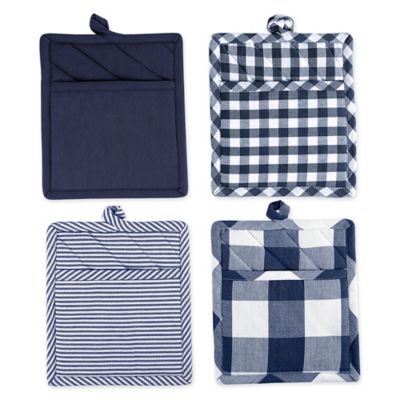
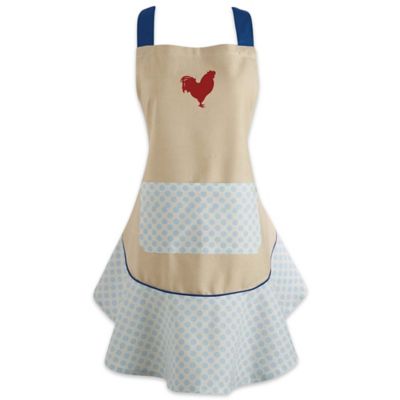
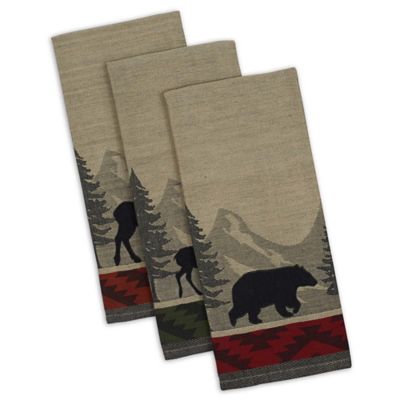
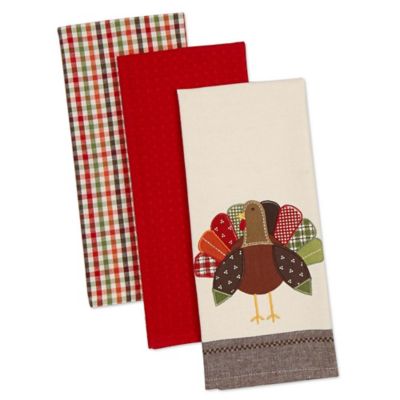
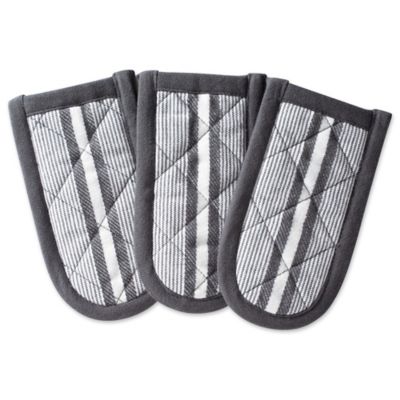
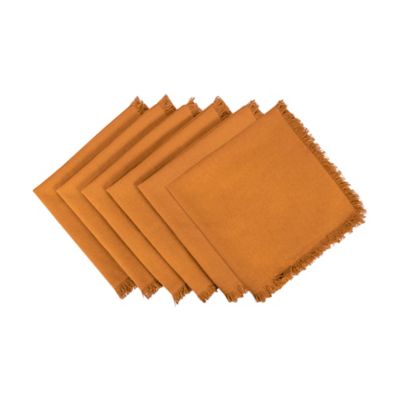
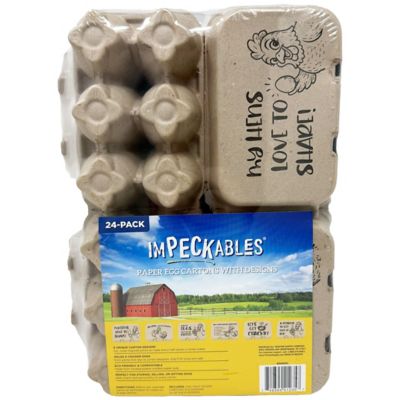
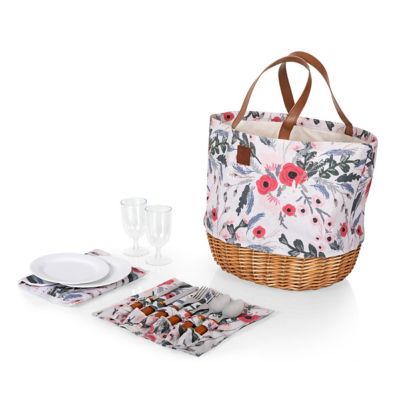
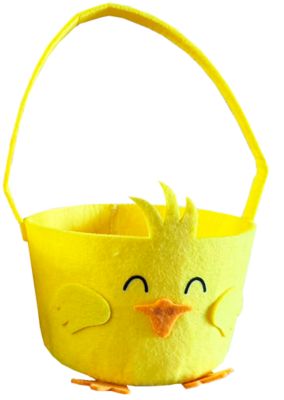
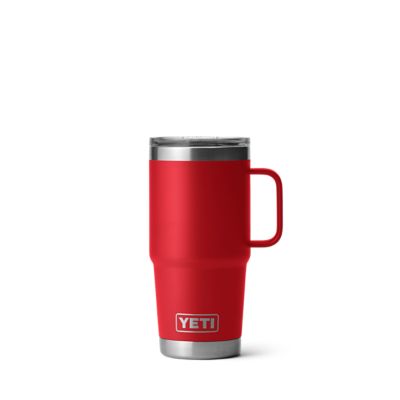
Easter hostess gifts are a thoughtful way to thank the person who opens their home for brunch, dinner, or an afternoon egg hunt. The most fitting gifts pair a little holiday cheer with something the host can enjoy after the gathering is over. Soft colors, simple floral patterns, and natural textures can acknowledge Easter without making a present feel tied to just one day. Kitchen and tabletop gifts often suit someone who enjoys feeding a houseful, while garden-inspired gifts may feel more personal for a host who would rather spend free time tending plants. Food gifts can be a welcome choice, too, when they match the household’s tastes and dietary needs. The point is a warm thank-you, not another task for the person already keeping an eye on the oven and making room around the table. A gift that can be set aside and enjoyed later lets the host stay focused on greeting relatives, helping children settle in, and getting the meal served. That matters whether Easter means a big farmhouse gathering with extra chairs pulled up from every room or a quiet lunch with a few close friends. The relationship also helps shape the choice: a familiar family host may appreciate something connected to a favorite pastime, while a first invitation calls for a present that feels welcoming without assuming too much about personal taste. Gentle color, practical function, and a manageable size work across many households. Faith-centered details can carry meaning when they reflect the recipient’s beliefs; simpler Easter touches suit gatherings where traditions vary. A personal note adds the part no material or pattern can supply: recognition of the time and effort behind the invitation. A few sincere words about being glad to share the day can make even a modest gift feel considered, especially for the host who insists that having everyone together is thanks enough.
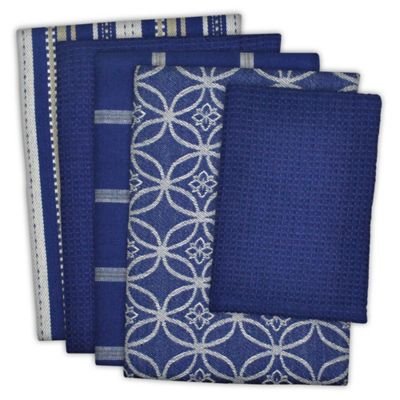
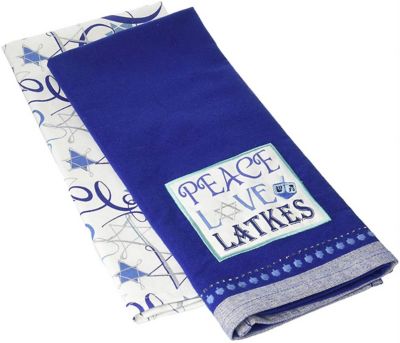
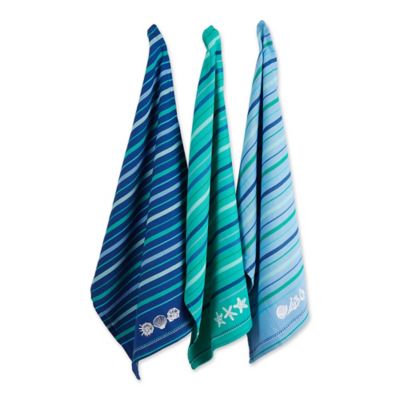
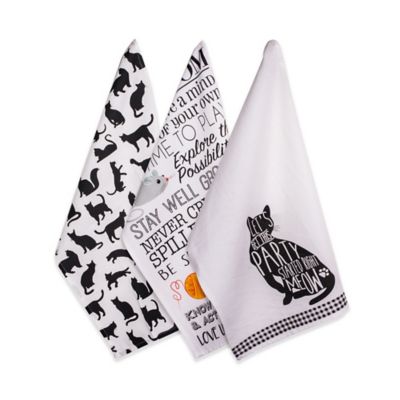
Materials and everyday function make a difference in how comfortably an Easter hostess gift fits into the home. Cotton and linen bring a relaxed feel to kitchen and table textiles, with differences in texture, absorbency, and care that are worth noting. Cotton often suits frequent washing, while linen has a looser, naturally textured appearance that may include wrinkles as part of its character. Fiber blends can offer a different balance of softness and care needs, so the fabric label matters more than appearance alone. For tabletop categories, glazed ceramic and glass can feel at home at an Easter meal and at ordinary family suppers, though weight, edges, and storage space affect how practical they are for a particular household. A host with limited cupboard room may appreciate a smaller footprint or shapes that stack neatly rather than something that needs a shelf of its own. Wood brings warmth to a kitchen, but its finish and care directions determine whether it suits contact with food and how it should be cleaned. Material alone does not establish whether something belongs in a dishwasher, microwave, or oven; those details need to come from the maker’s instructions. Well-finished surfaces, even stitching, and handles that feel comfortable in the hand are useful signs to consider when a gift is meant for regular household tasks. Fit matters here even when clothing is not involved. Table dimensions, cabinet height, counter space, and the amount of upkeep a host enjoys all influence whether a present becomes part of the routine. A household with children helping clear the table may have different needs from one that saves its table settings for quieter occasions. Gifts intended for display benefit from the same practical thinking: a size that leaves room for the meal and a base that sits steadily are easier to work into a busy home. The best match feels like it belongs with what the recipient already enjoys, rather than requiring a whole new arrangement.
Personal preferences deserve just as much attention as materials, particularly with scented, edible, or living gifts. Fragrance can be pleasant to one host and unwelcome to another, especially in a home where allergies or scent sensitivities are a concern. Unscented choices leave the aromas of the Easter meal alone and avoid asking the recipient to find a separate spot for a strong fragrance. Food gifts are most thoughtful when ingredients, allergen information, and storage directions remain easy to read. Keeping the original labeling intact helps the household decide when and how to enjoy them, and there is no need to expect the host to serve a gift alongside a menu already planned. Plant-related gifts bring their own considerations, including mature size, light needs, drainage, and whether the household has pets or young children. A recipient who enjoys gardening may welcome that ongoing care, while someone with a packed schedule may prefer a gift that asks less of them. These details help a present feel personal without adding pressure. Presentation can stay simple, with tidy wrapping that is easy to carry through the door and easy to remove without scattering bits across the kitchen. A clear gift tag keeps the sender’s name attached when several households arrive at once. Packaging that protects the contents during the ride is especially helpful when Easter plans mean a trip down country roads or a full car with family along. The most gracious hostess gifts do not demand immediate attention, a prominent place on the table, or a change to the day’s plans. They leave room for the recipient to enjoy them on their own terms, whether that means bringing them into everyday routines or saving them for another gathering. For other people on the holiday gift list, explore
Best Easter Gift with those same personal touches in mind. A gift suited to the person, accompanied by a heartfelt thank-you, keeps the attention where it belongs: on the welcome, the shared meal, and the effort that brought everyone together.