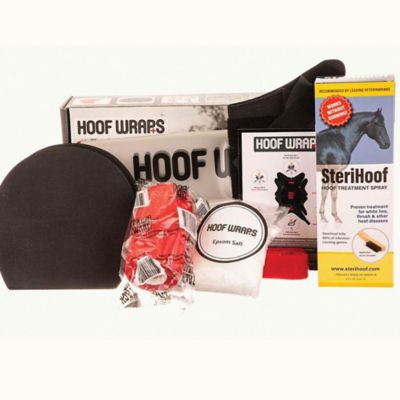
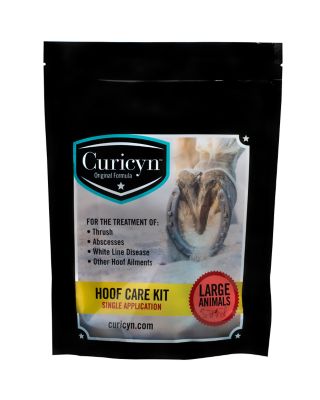
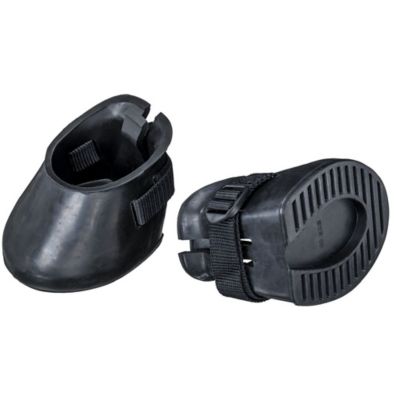
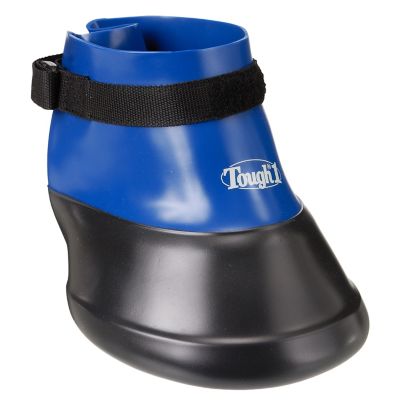
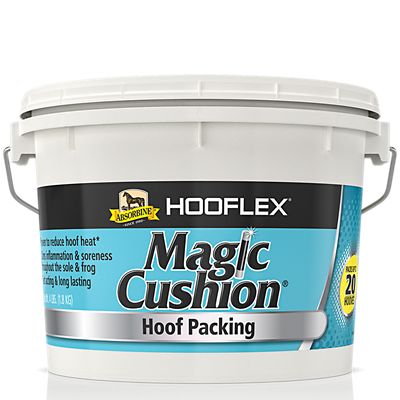
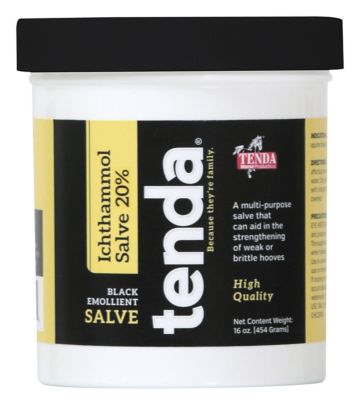
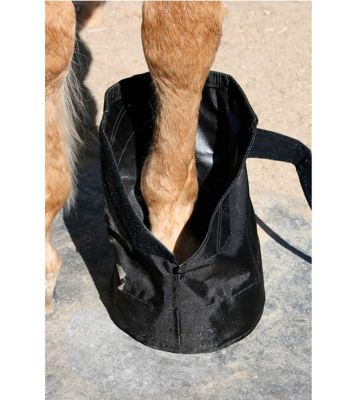
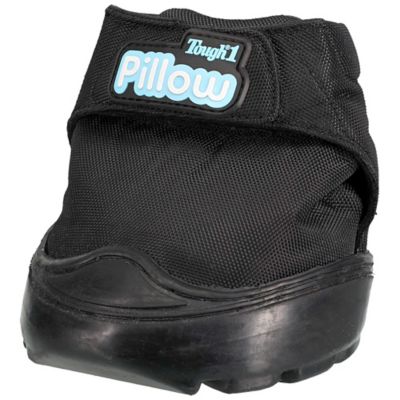
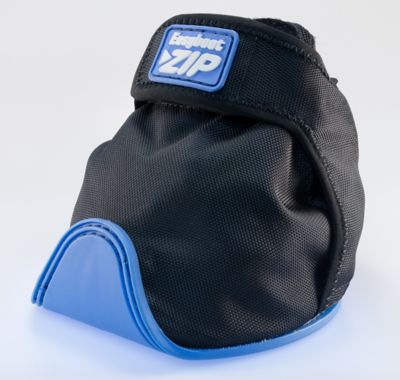
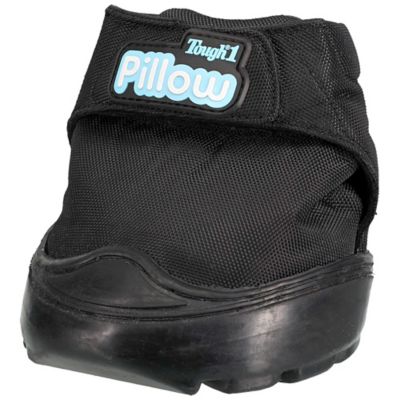
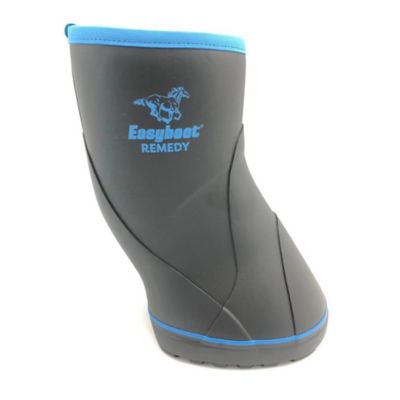
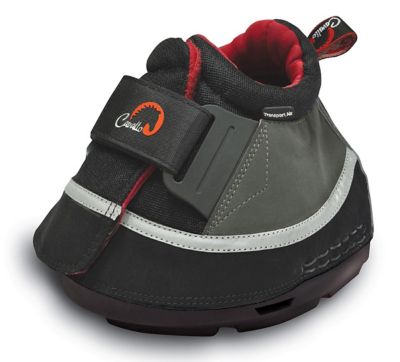
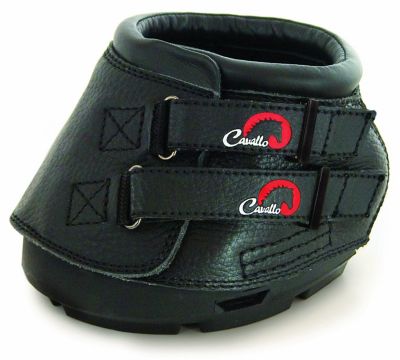
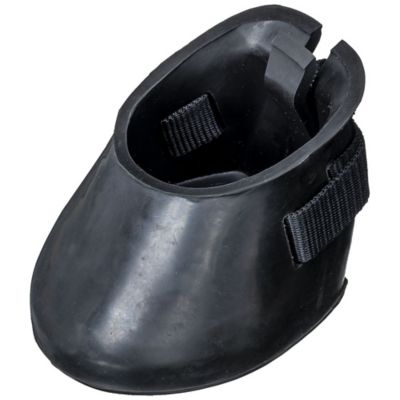
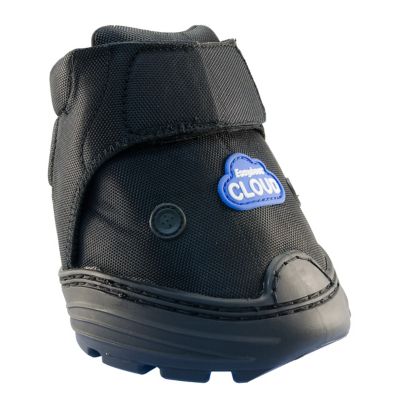
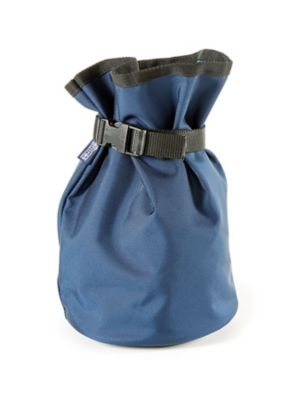
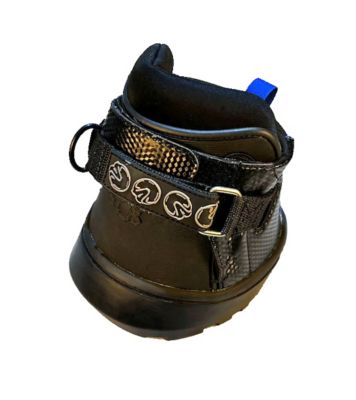
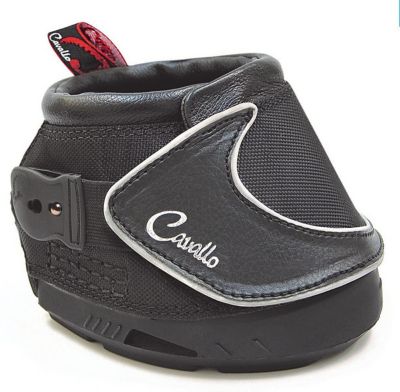
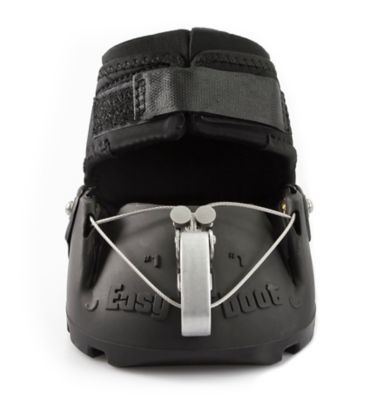
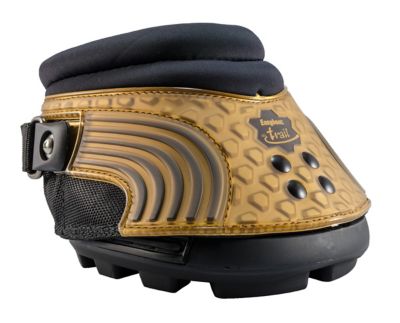
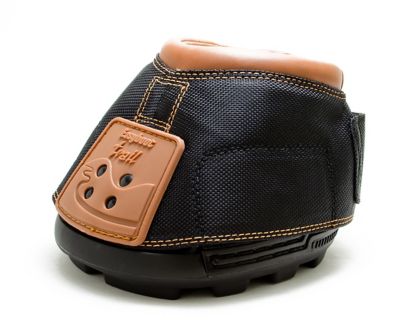
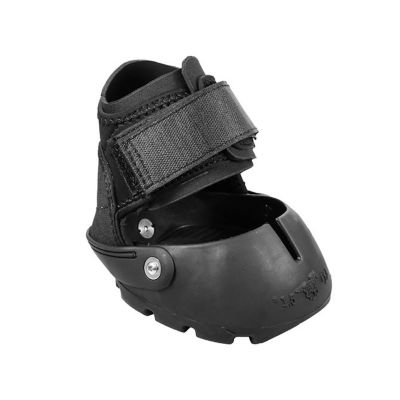
Horse hoof abscess kits and supplies help horse owners keep practical hoof-care basics close at hand when a horse comes up suddenly lame. An abscess is a pocket of infection trapped within the hoof, and the pressure can make a horse look sore enough to favor one leg, stand with the toe pointed, or refuse to move across hard ground. In some cases, the hoof may feel warmer than the others or have a stronger digital pulse, but lameness can have many causes, including bruising, a pulled shoe, a puncture wound, or a more serious injury. A veterinarian or farrier should help evaluate sudden, severe, or unexplained lameness, especially when there is swelling, drainage, a deep puncture, fever, or no improvement. A well-stocked abscess kit is not a replacement for professional care; it is a handy way to have common supplies ready for cleaning, soaking, protecting, and monitoring the hoof while following advice from your equine care team. Ready-made kits can be useful for a barn, trailer, tack room, or emergency cabinet because they bring several pieces together in one package. Many include a hoof-soaking boot or reusable soaking sack, cleansing spray or antiseptic, Epsom salt, drawing salve or poultice material, absorbent padding, gauze, cohesive wrap, and a protective outer layer. A kit with a clear care guide can be especially helpful for a newer horse owner, while experienced handlers may prefer to build a custom supply box around the items they use most often. Either way, look for clean, durable materials sized for the horse’s hoof and suited to the way you plan to use them. A soaking container should be deep enough to cover the hoof without tipping easily, and a wrap should stay in place without cutting off circulation. Keep disposable gloves, a clean hoof pick, scissors, and extra bandage material nearby, since mud, manure, and wet footing can quickly make a simple hoof-care job messy.
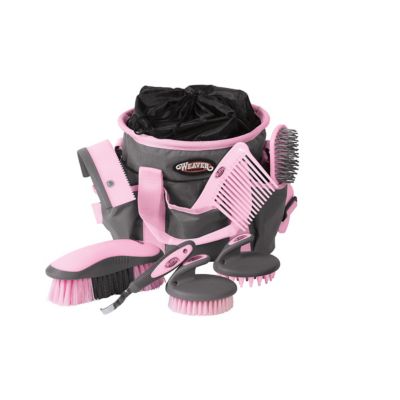
For soaking and cleaning, the basic supplies usually include warm water, Epsom salt, a sturdy bucket or soaking boot, and a clean way to dry the hoof afterward. Epsom salt is commonly used in warm hoof soaks, while an antiseptic cleanser can help keep the area clean when used according to its label and your veterinarian’s instructions. Drawing salves and hoof poultices are often selected to support drainage once the abscess has been located, though the right product and application method depend on the condition of the hoof. Bandaging supplies matter just as much as the soaking supplies. Sterile gauze can cover a small opening, cotton or foam padding can cushion the sole, and cohesive vet wrap can hold the dressing in place. A durable waterproof outer layer helps keep bedding, mud, and wet pasture from soaking through, but wraps should be checked often and changed when dirty, loose, wet, or too tight. Never leave a wrap on longer than directed, and watch for swelling above the bandage, increased discomfort, rubbing, or a cold hoof. During cooler months, wet ground, frozen ruts, packed snow, and damp bedding can make hoof protection harder to manage, so keeping spare padding and wrap on hand is a smart barn habit. A clean, dry stall or small pen may help protect a dressed hoof while it is being watched, and a simple log of lameness, soaking, drainage, and wrap changes can make it easier to share accurate details with a farrier or veterinarian. Hoof-care supplies also pair well with everyday grooming and barn essentials. A clean hoof pick, soft brushes, mane and tail tools, and other
Horse Grooming Supplies can help keep the hoof and lower leg free of packed dirt so changes are easier to notice during routine handling.
Horse hoof abscess kits and supplies can be a thoughtful, useful gift for a new horse owner, a riding student moving into a first lease, a barn manager, or a friend putting together a trailer-side first-aid tote. They are the sort of practical present that may sit quietly on a shelf until a horse needs extra attention, then prove their value in the middle of a muddy morning or after a long ride over rocky ground. When choosing supplies for someone else, consider whether they care for one small horse, several larger horses, barefoot horses, or shod horses, and choose versatile materials that can be used across different hoof sizes. A preassembled kit saves time and keeps related items together, while a refill bundle may suit a busy barn that already owns soaking boots and scissors. Check package instructions, expiration dates, storage recommendations, and whether the contents are intended for single use or repeated use. Store salts, salves, gauze, and wraps in a dry cabinet away from extreme heat, and replace anything that has become damp, dirty, brittle, or opened. It also helps to keep a second set in a horse trailer for travel, when a horse may encounter unfamiliar footing or lose a shoe away from home. Good hoof-care habits begin before there is a problem: pick hooves regularly, handle each leg calmly, inspect for stones and cracks, and keep a farrier’s schedule suited to the horse’s needs. With the right supplies within reach and professional guidance when needed, horse owners can respond promptly, protect a tender hoof from further contamination, and give their horse a more comfortable path through the changing weather.