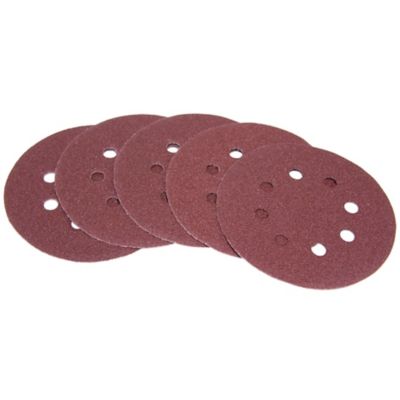
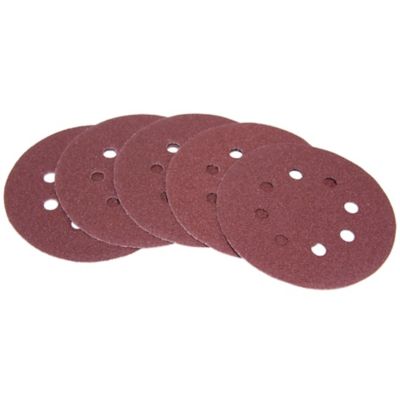
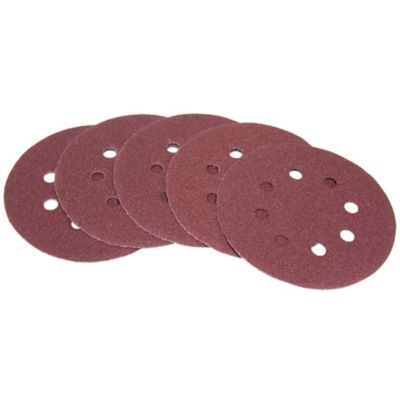
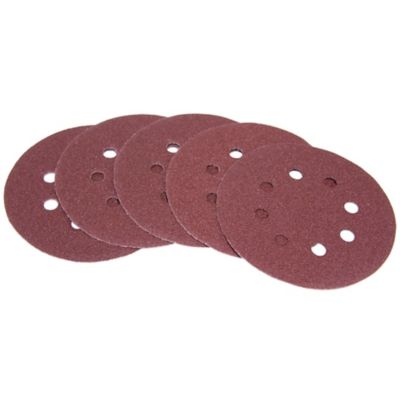
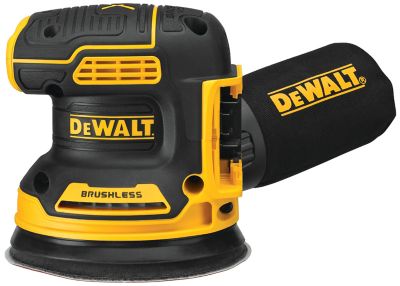
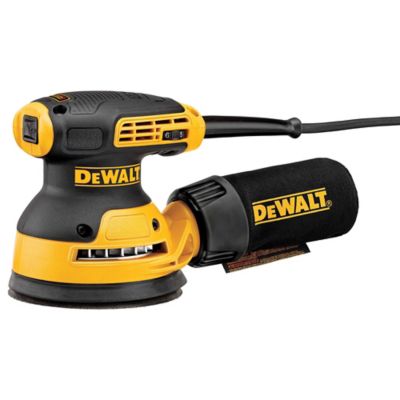
Hook and loop sanding pads provide the backing surface that holds compatible abrasive discs on many random orbital, orbital and dual-action sanders. Often called backing pads or backup pads, they connect to the tool and carry a face of small hooks that grip the loop backing on a sanding disc. The abrasive disc does the cutting; the pad supports it and transfers the sander’s motion across the work surface. That distinction matters when a sander still runs well but no longer holds its sandpaper securely. A replacement backing pad can address a worn attachment surface without replacing the whole tool, provided the rest of the sander is in sound condition. These pads have a place in farm shops, garages, woodworking spaces and repair benches, whether the job involves smoothing a wooden gate, preparing a tabletop for a fresh finish or working on equipment panels with an appropriate abrasive. Construction varies, with foam cushioning, molded polymer bodies and reinforced backing plates appearing in different designs. Polyurethane foam can provide support with some give, while the hook face keeps compatible discs attached during operation. Firmer pads help maintain a flatter sanding surface on boards and broad panels. Softer pads and flexible edges can follow gentle curves, though they can also round over corners more readily. A soft interface pad adds cushioning between a sound backing pad and the abrasive, while a thin pad protector provides a replaceable wear layer. Neither accessory replaces a damaged backing pad or makes an unsuitable tool-and-pad combination safe. For a cabinetmaker flattening a broad door panel, support and control matter more than extra softness. For someone smoothing a rounded rail, a little give may suit the shape better. The right balance depends on the workpiece, the abrasive and the sander’s specifications, rather than softness alone. Hook and loop attachment also makes grit changes straightforward, letting a worker move between sanding stages without adhesive-backed paper or clamps, as long as the pad and disc share the same attachment system.
Fit involves more than choosing a pad that looks about the right size. Common sanding pad diameters include 5 inches and 6 inches, but matching diameter alone does not establish compatibility. The mounting style, hole spacing, overall profile, tool clearance and operating speed rating all matter. Some dual-action sanders accept a threaded backing pad, with 5/16-inch-24 threads being one common mounting specification. Other random orbital sanders have backing pads that attach with several screws in a pattern made for that tool. Threaded and screw-mounted designs are not interchangeable simply because their outer dimensions match. The tool manual and the replacement pad’s compatibility information provide the details needed to match the mount, fasteners and required speed rating. Pad thickness and weight can matter, too, since a different shape or mass may affect clearance, balance or handling. A sanding disc should match the pad diameter and backing system; a pressure-sensitive adhesive disc does not attach directly to a hook face in the same manner as a loop-backed disc. Dust extraction adds another fit consideration. Solid pads, eight-hole patterns and other multi-hole layouts serve different setups, and the openings in the pad need to work with the tool’s extraction path and the abrasive’s hole pattern. Proper alignment gives sanding dust a route away from the surface instead of trapping it beneath the disc. That can help limit loading and keep debris from interfering with the sanding action, although extraction performance also depends on the abrasive, hose, collector and condition of the tool. A pad meant for a random orbital sander should not be treated as an angle grinder attachment. For work that calls for a grinder,
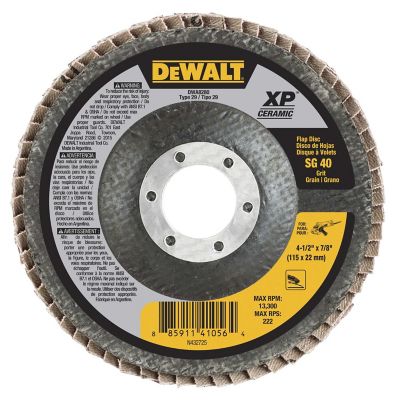
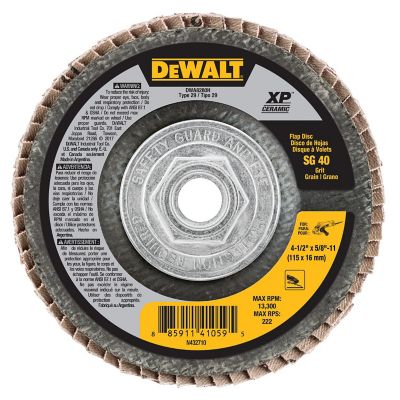
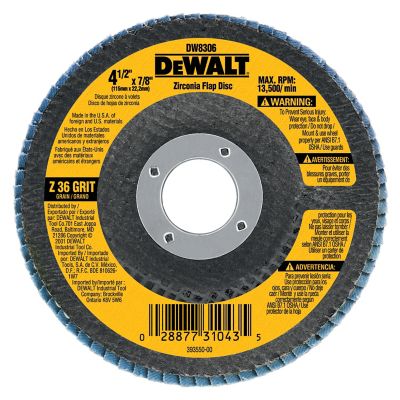
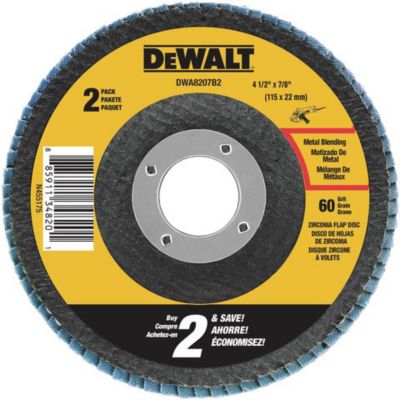
Angle Grinder Sanding Discs belong to a separate accessory category with their own mounting, guarding and speed requirements. Keeping those tool systems separate matters even when the accessories share a similar diameter. A proper match helps the sander stay balanced and the abrasive remain supported across the working face.
Pad life depends on the workload, handling and condition of the sanding setup. Constant heavy pressure, excessive heat and abrasive discs that are clogged or no longer cutting can put extra strain on the hook face and foam body. On a broad plank or flat panel, even contact helps the abrasive work across its face; prolonged sanding on the outer edge concentrates wear in a much smaller area. Corners, narrow rails and uneven repairs can be especially hard on pad edges when the sander tips during a pass. Over time, hooks may flatten, foam may split or layers may separate. A disc that repeatedly loosens can point to worn hooks, debris in the attachment surface or a damaged loop backing, so the condition of both mating surfaces matters. Adding an interface pad or protector will not restore a backing pad that can no longer hold an attachment securely. Inspection and cleaning belong with the tool disconnected from its power source, including removal of the battery or air supply where applicable. Gentle cleaning according to the manufacturer’s directions helps clear debris without tearing at the hooks or damaging the foam. Peeling abrasive discs away gradually rather than yanking at one spot can also reduce stress on the pad. Storage matters between jobs: pads fare better lying flat, away from crushing loads, direct sunlight and solvents that can attack their materials. Keeping loose abrasives and spare pads in a clean container helps prevent grit and shop debris from collecting in the attachment face. For woodworkers, maintenance crews, equipment owners and folks tackling repairs around the property, a correctly matched pad supports everything from initial surface preparation to finer sanding between finish coats. Results still depend on choosing an abrasive suited to the material and task, along with suitable dust collection and personal protection. Old coatings and treated materials may call for added precautions before sanding begins. A sound backing pad, securely attached abrasive and sensible handling help keep an everyday shop tool ready for the next repair.