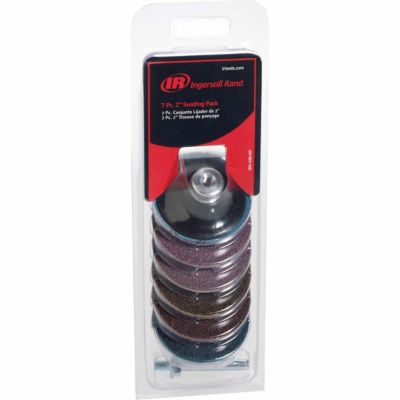
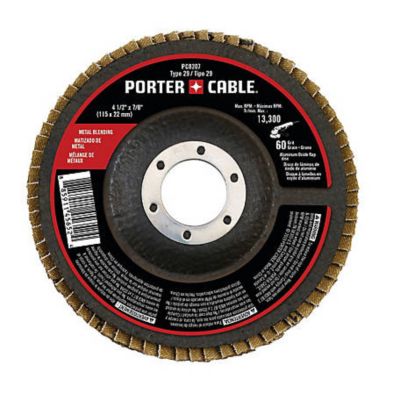
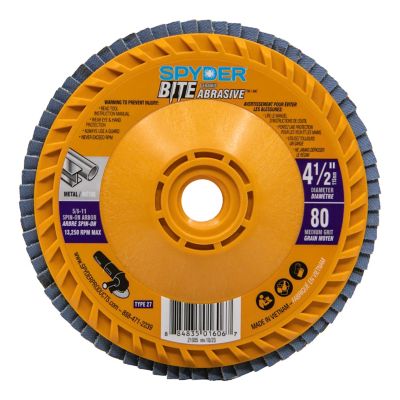
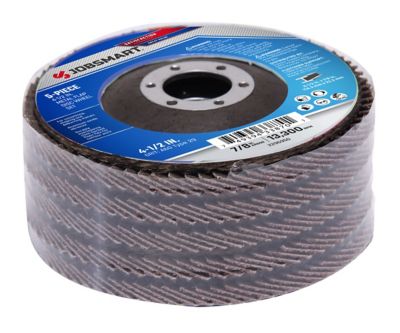
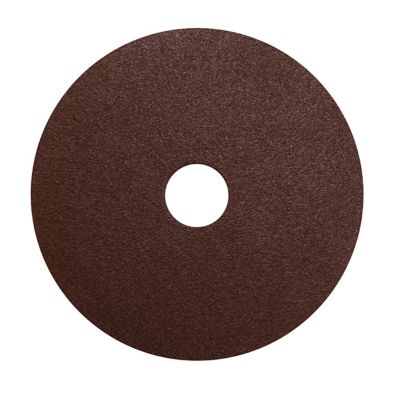
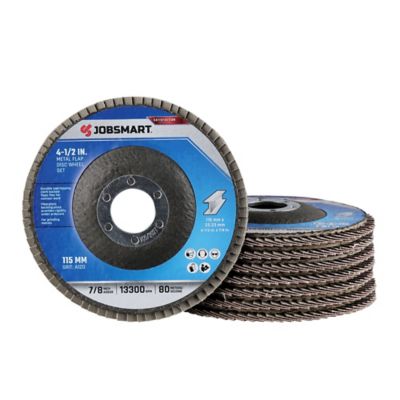
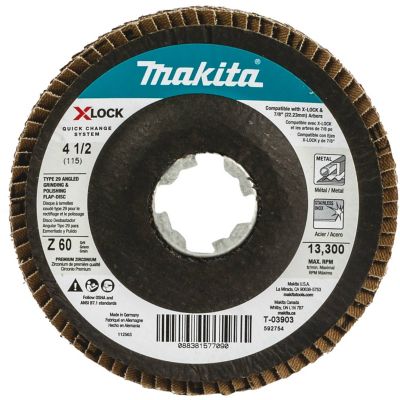
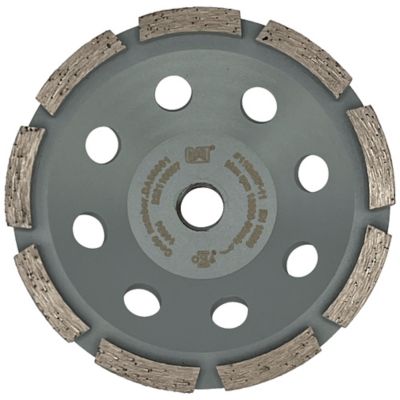
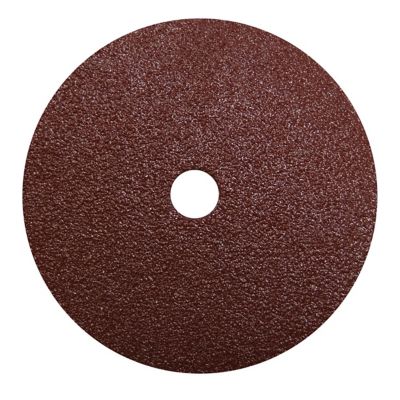
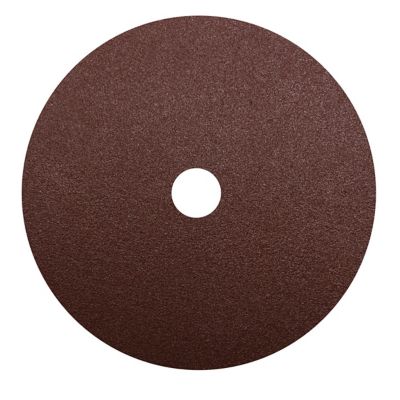
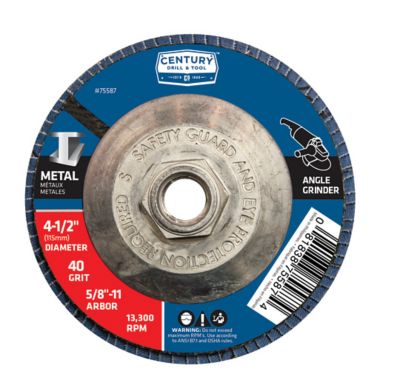
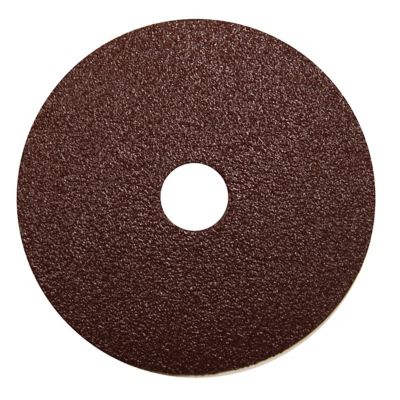
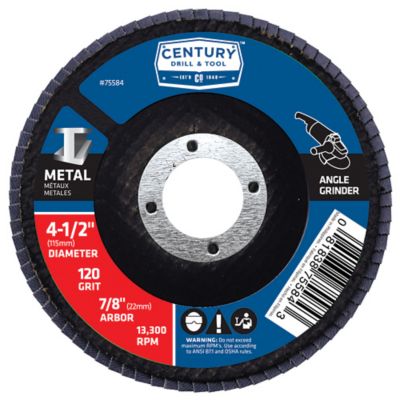
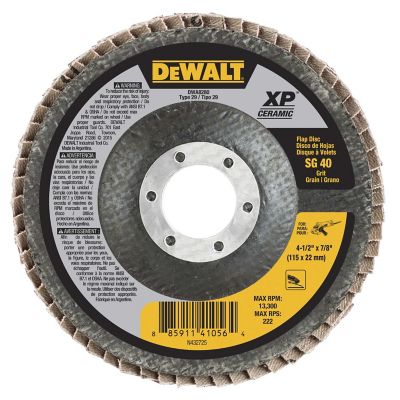
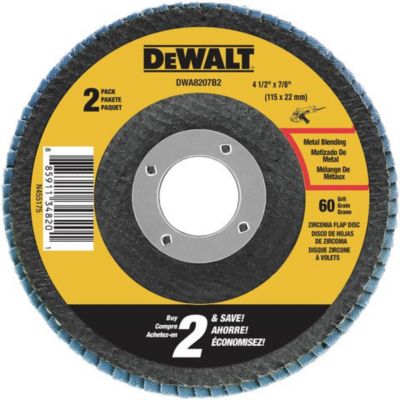
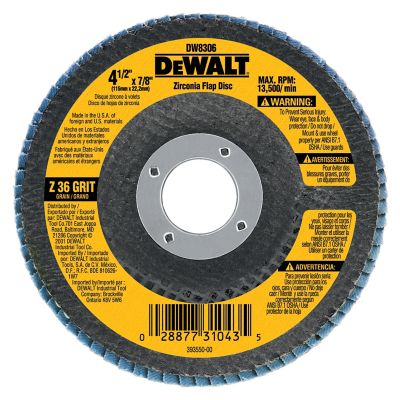
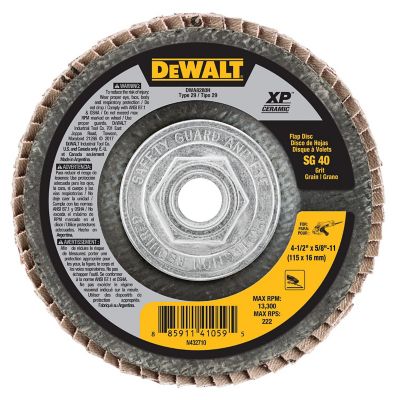
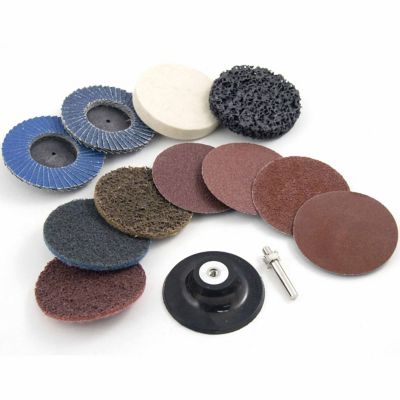
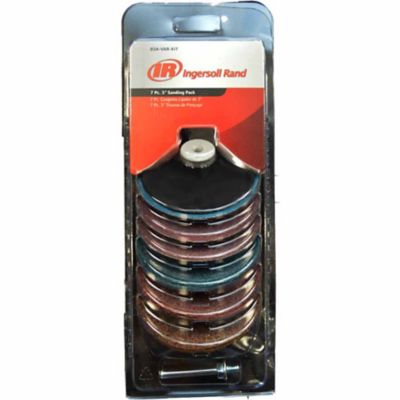
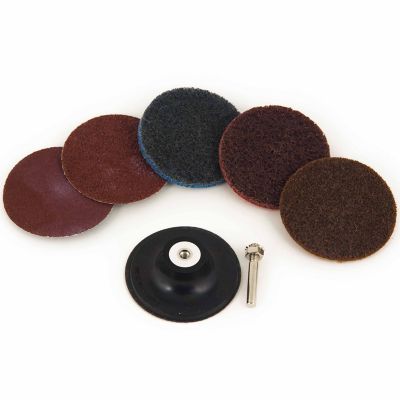
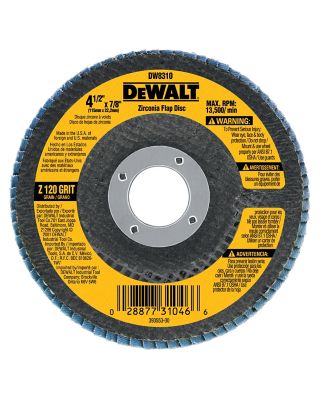
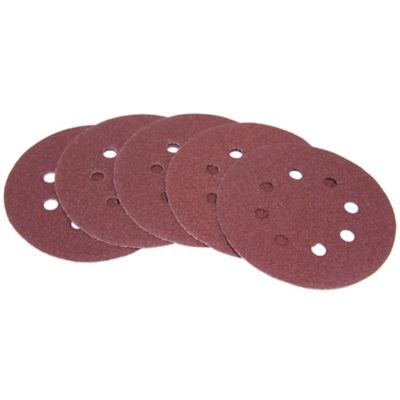
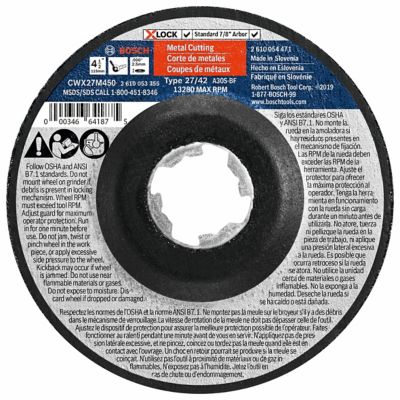
Angle grinder sanding discs are handy shop supplies for cleaning up metal, smoothing rough edges, blending welds and preparing surfaces for paint or repair. They are commonly used on farm equipment, trailers, gates, brackets, handrails, mower decks, automotive parts and general fabrication projects around the homestead. A flap disc is one of the most familiar styles. It is made with overlapping strips of abrasive cloth secured to a backing plate, giving it a forgiving cutting action that removes material while helping blend the surface behind it. Flap discs are often available in Type 27 and Type 29 profiles. Type 27 discs have a flatter face and work well when the grinder is held at a shallow angle for surface finishing, while Type 29 discs have an angled face that can be useful for working along edges and curved areas. Resin fiber discs use a single abrasive layer with a separate backing pad and are suited to more aggressive stock removal. Stripping and cleaning discs use an open, non-woven web that can lift paint, rust and scale while being less likely to dig deeply into sound metal. Smaller quick-change discs can be useful around narrow brackets, corners and other tight spots when used with the proper adapter. For cutting jobs, choose a purpose-made
Angle Grinder Cut Off Wheels rather than trying to make a sanding disc do work it was not designed to handle. Matching the disc to the job makes a noticeable difference. Coarse grits, such as 40 or 60, remove material quickly and are useful for knocking down weld beads, heavy rust and old coatings. Medium grits around 80 provide a balance between cutting and smoothing, while finer grits such as 100 or 120 can help leave a cleaner finish before paint or final hand sanding. Abrasive material matters, too. Aluminum oxide is a practical choice for many everyday sanding and finishing tasks, while zirconia abrasives are known for staying sharp during demanding work on steel and other tough metals. Check the disc label for its intended material, maximum RPM and mounting requirements, then compare those details with the grinder before buying. Diameter and arbor size need to match the tool, and the disc’s rated speed should meet or exceed the grinder’s no-load speed. A disc that fits the spindle is not automatically suitable for every application, so taking a minute to read the markings can prevent trouble in the middle of a project.
These discs are a useful addition to a working garage, welding corner or equipment shed, whether they are being picked up for a seasoned fabricator or given as a practical gift to someone who enjoys restoring old machinery. A new do-it-yourselfer may use them to clean a rusty gate before applying a fresh coat of paint, while an experienced mechanic may keep several grits nearby for dressing a weld, smoothing a sharp corner and putting a final blend on a repaired panel. As the weather warms, sanding discs can help with outdoor maintenance projects such as refurbishing fence hardware, trailer rails, livestock gates and garden equipment. During the cooler months, they are just as useful for indoor shop work, including building brackets, repairing tools or getting firewood equipment ready for the next season. Before use, inspect the disc for cracks, worn areas, loose flaps or damage around the center opening, and make sure the backing flange and retaining nut are clean and properly seated. Install the disc with the grinder unplugged or the battery removed, follow the tool and disc instructions, and use the guard and side handle supplied for the grinder. Let the abrasive do the work with light, steady pressure instead of forcing the wheel into the material. Too much pressure can overheat the disc, load the abrasive and make the grinder harder to control. Keep the tool moving across a flat surface rather than holding it in one place, especially on thin metal where heat can cause warping. Wood deserves extra care: an angle grinder spins much faster and removes material much more aggressively than a typical random-orbit sander, so it can gouge boards in an instant. Use only accessories approved for the material and task, keep both hands on the grinder, and practice on scrap when learning how a particular disc behaves. Safety glasses and hearing protection are essential, and a face shield, work gloves, suitable long sleeves and a properly fitted dust mask or respirator may be needed depending on the material and the dust being produced. Clear the work area of loose clothing, fuel, sawdust and other flammable debris, secure the workpiece firmly, and direct sparks away from people, animals, buildings and finished surfaces. With the right grit, abrasive style and careful technique, angle grinder sanding discs can help turn a rough, rusty or freshly repaired piece into a clean, ready-to-use part.