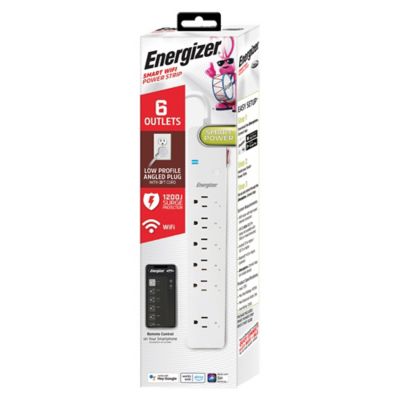
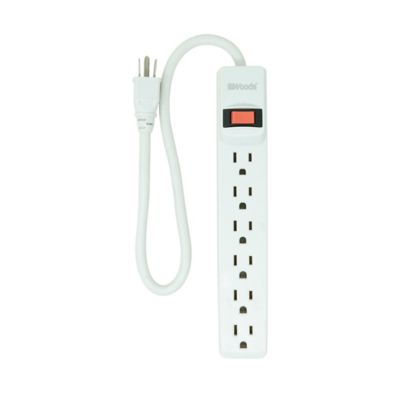
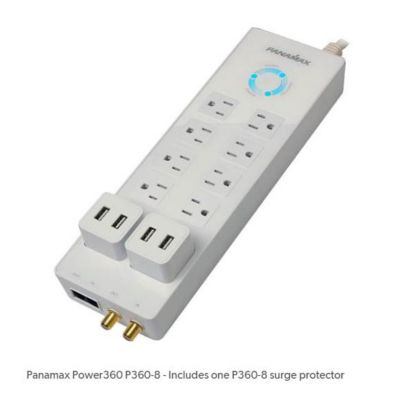
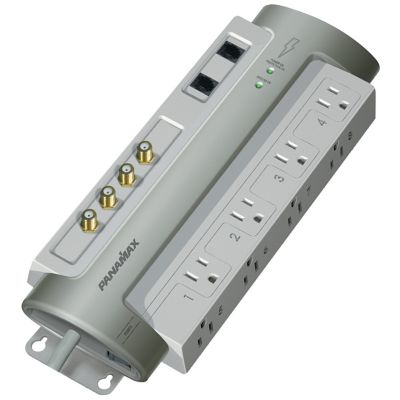
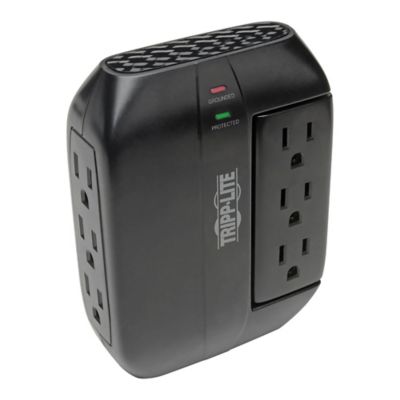
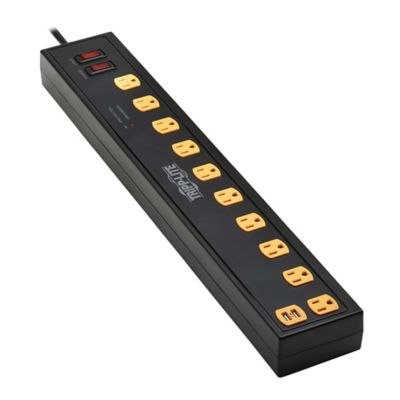
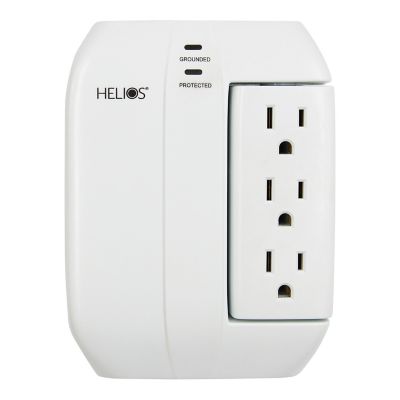
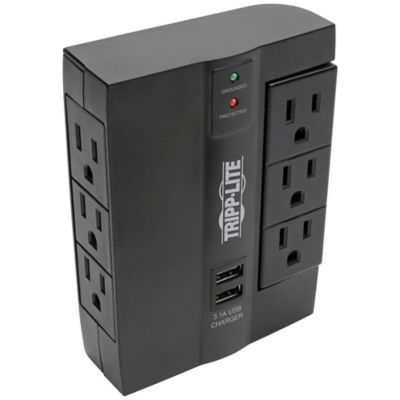
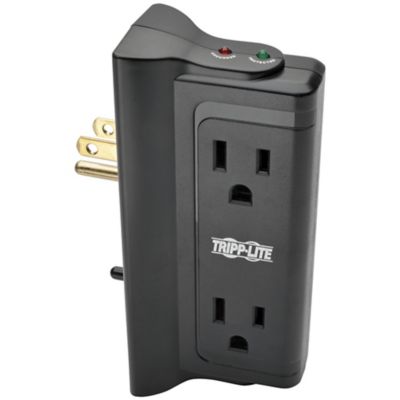
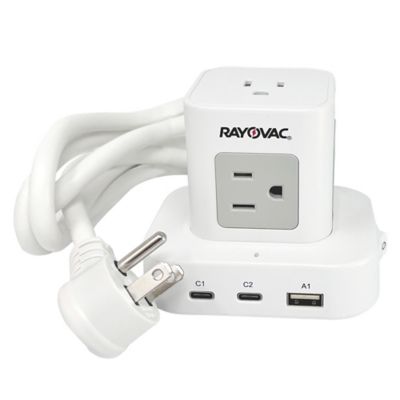
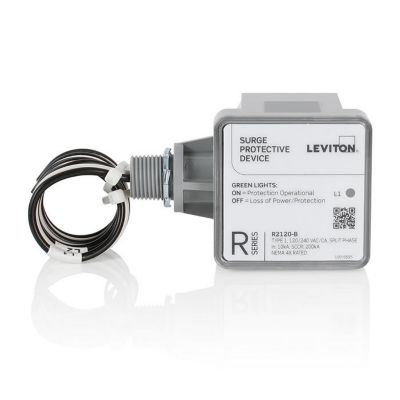
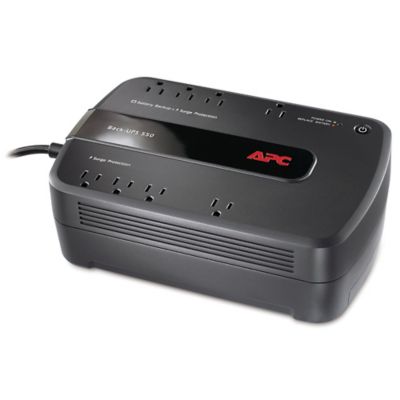
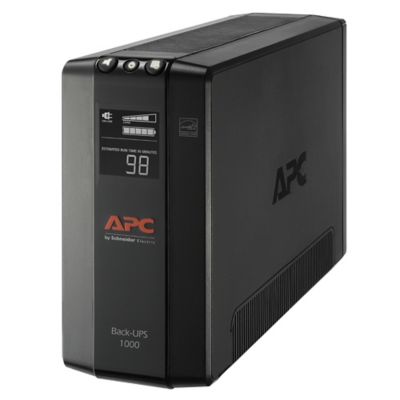
Home surge protectors help limit brief voltage spikes that can damage electronics and appliance controls around the house. Those spikes can come from disturbances on utility lines, nearby lightning activity or electrical equipment switching on and off. Protection generally falls into two groups: whole-house surge protection connected at the electrical service or panel, and plug-in surge protection placed near individual devices. Type 1 surge protective devices are designed for installation at the service entrance, while Type 2 devices are commonly installed at a distribution panel. Both require installation suited to the electrical system, which is a job for a licensed electrician. Panel-connected protection helps reduce surges reaching household circuits, including those serving hardwired equipment, but its coverage depends on the installation and the device’s ratings. Type 3 surge protectors work at the point of use, often as corded outlet strips, wall taps or single-outlet units. They add protection close to a television, computer, internet router or other compatible equipment. A layered setup pairs protection at the electrical service with protection near sensitive electronics; the two serve different roles rather than replacing one another. For a household with a home office off the kitchen and entertainment equipment across the living room, that can mean addressing incoming surges at the panel while keeping local protection close to each setup. In a house with electronically controlled appliances or a well pump, panel-level protection may also reach equipment that cannot simply plug into a power strip. No surge protector guarantees protection from every electrical event, especially a direct lightning strike. These devices also do not supply backup power during an outage or necessarily correct sustained high or low voltage. An ordinary power strip adds outlets, but it only provides surge protection when its labeling specifically says so. That distinction matters when several plugs share a spot behind a desk and the strip itself is easy to overlook.
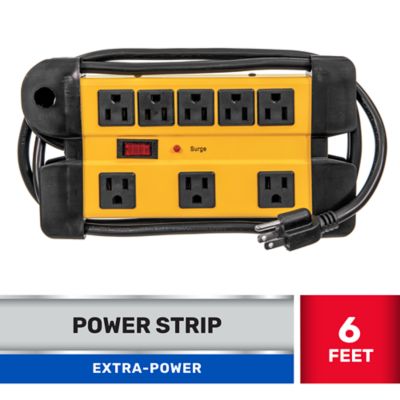
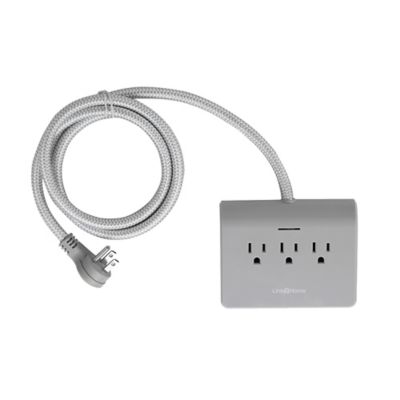
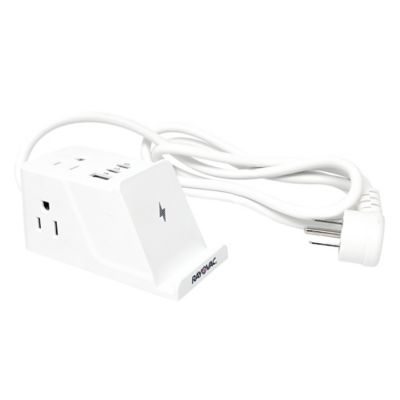
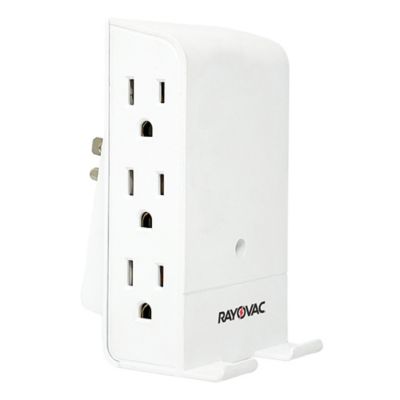
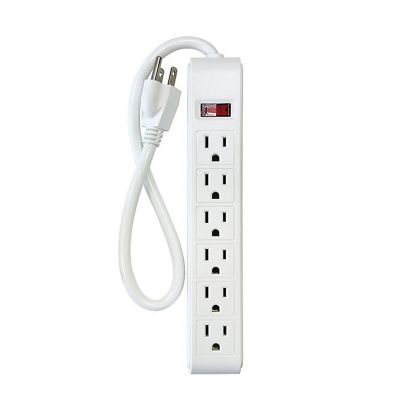
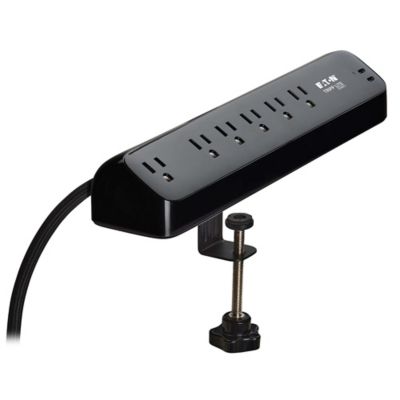
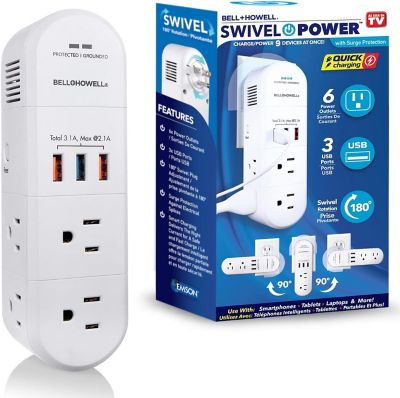
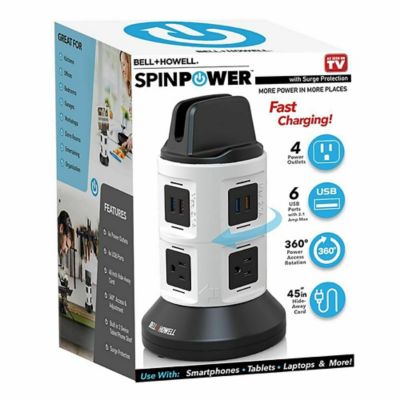
The best fit for home surge protectors depends on the electrical ratings, the equipment being connected and the space around the outlet. For many plug-in models, a joule rating describes the amount of surge energy the device is rated to absorb under specified conditions. A higher rating can provide more energy-handling capacity, but it does not tell the whole story or establish a service life. Voltage protection ratings describe how a device limits surge voltage during standardized testing; lower values generally indicate a lower let-through voltage when comparing equivalent ratings. Panel-connected devices often emphasize surge current ratings in kiloamperes, so those numbers are not directly interchangeable with the joule ratings on outlet strips. A recognized safety listing to the applicable surge protection standard, such as UL 1449, is another important detail. Beyond the electrical specifications, everyday fit makes a difference. Widely spaced receptacles leave room for the chunky adapters that power routers, speakers and other household electronics. A flat or right-angle plug may sit more comfortably behind furniture, provided the cord has clearance and is not pinched. Cord length should reach the intended wall outlet without stretching across a walking path, and mounting slots can help keep a compatible strip positioned beside a desk or above a workbench when its instructions permit that arrangement. Molded housings are common on indoor strips, while some designs have metal housings suited to locations where bumps are more likely. Housing material alone does not establish an outdoor rating or make a protector suitable for damp spaces. Integrated USB ports can simplify charging, though port type, output and shared charging capacity still need to match the connected devices. The number of receptacles does not increase the unit’s total electrical capacity. A row of open outlets is room for plugs, not permission to exceed the marked amperage or wattage rating, and charging ports do not automatically provide backup power.
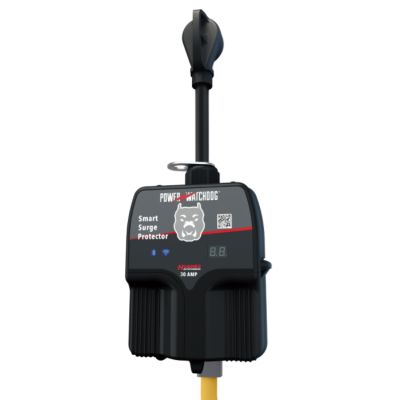
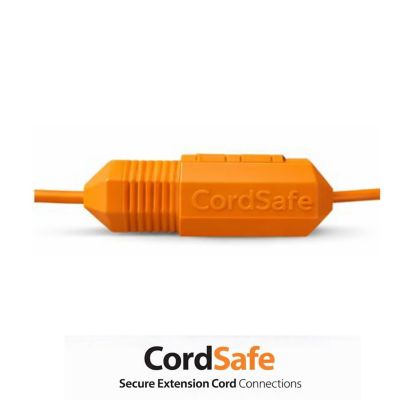
Day-to-day use and care help keep a surge protection setup working as intended. Plug-in surge protectors generally connect directly to a properly grounded wall receptacle, following the manufacturer’s instructions, rather than into another strip or an extension cord. Connecting strips together can overload the setup and puts more connections between the equipment and the wall. The grounding pin belongs intact, and an adapter cannot create a grounding path where none exists. High-draw equipment, including space heaters and many large appliances, often requires a direct wall connection; the appliance instructions take priority over the convenience of extra outlets. Around a home office, a little room between cords makes it easier to spot damage and keep feet or chair wheels from tugging on plugs. At a garage workbench, keeping the strip clear of sawdust, metal shavings and spills helps prevent trouble, but an indoor-rated unit still belongs in an appropriate indoor location. For extension connections outdoors,
Outdoor Extension Cord Protectors address a different need: connection covers may help shield cord connections from exposure as specified by their ratings, but they do not add surge protection or turn indoor cords and devices into outdoor equipment. Protection-status indicators also deserve attention. A power light may show only that electricity is flowing, while a separate protection light reports whether the surge protection components remain functional. Some units continue supplying power after their protection is depleted, and others disconnect power, so the indicator descriptions and replacement instructions matter. There is no single replacement schedule that fits every home or every protector. A protection-failure signal calls for the action specified by the manufacturer, and cracked housings, loose receptacles, frayed cords, scorching or unusual heat are reasons to stop using the device. Keeping housings clean and dry, checking connections periodically and leaving status lights visible make routine checks easier. With the right electrical ratings, a sensible layout and attention to condition, surge protection can fit neatly into the daily work of keeping household electronics connected.