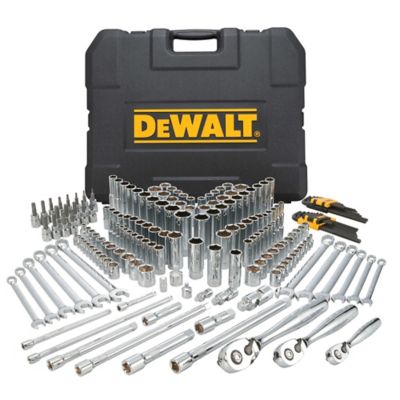
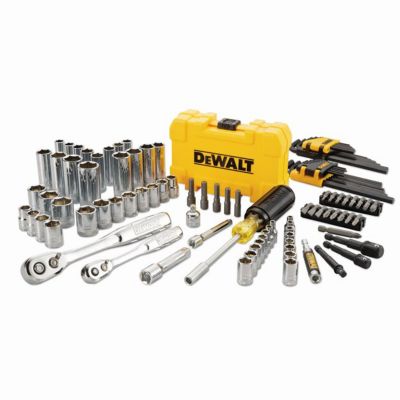
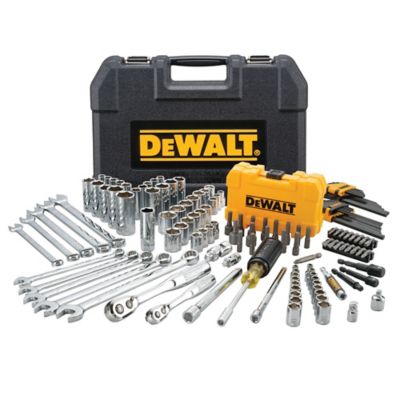
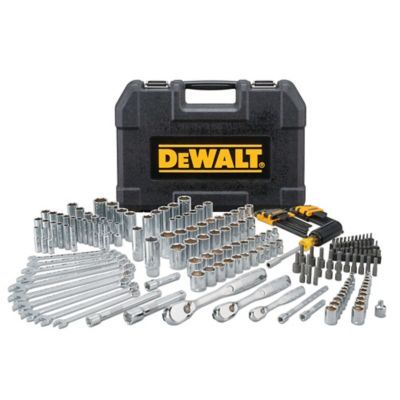
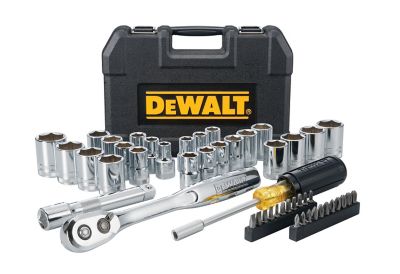
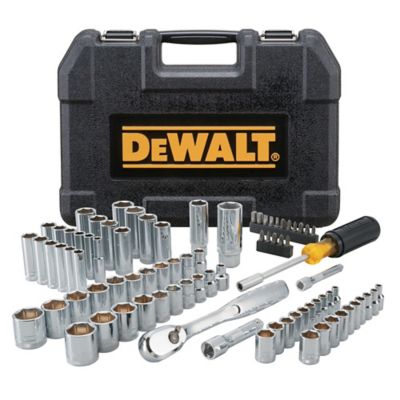
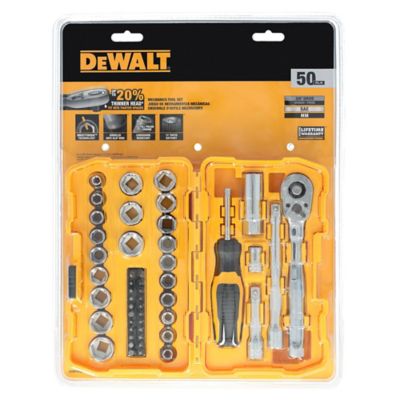
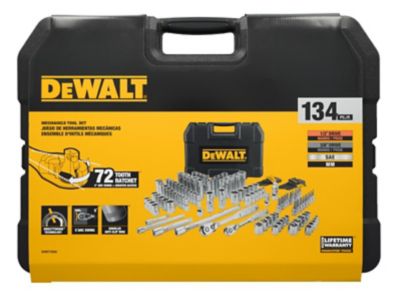
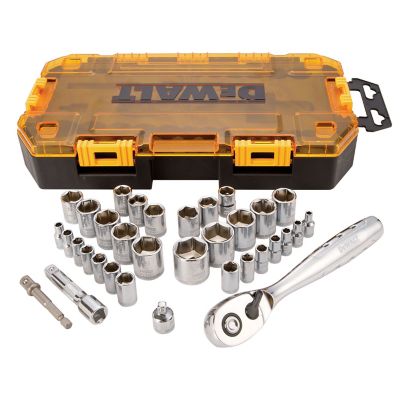
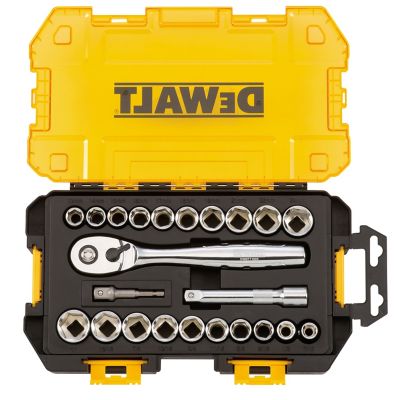
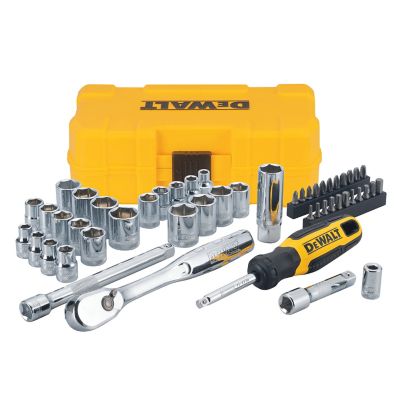
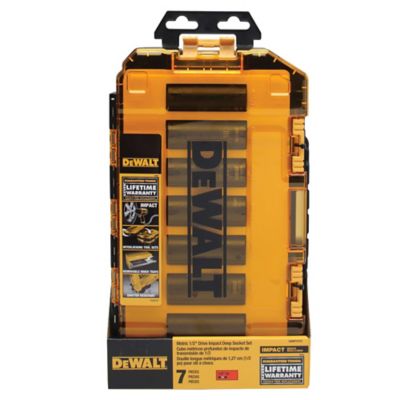
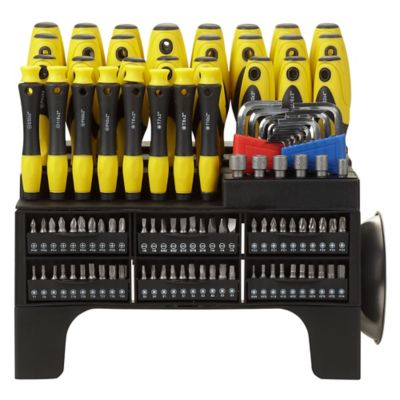
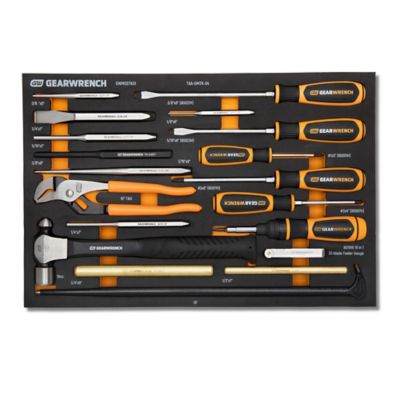
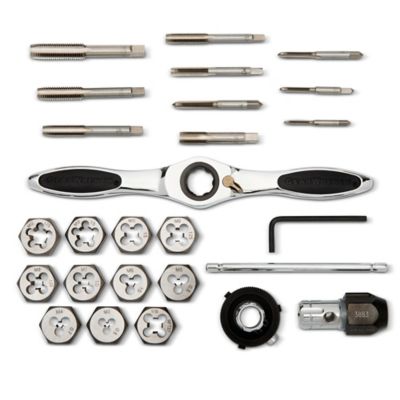
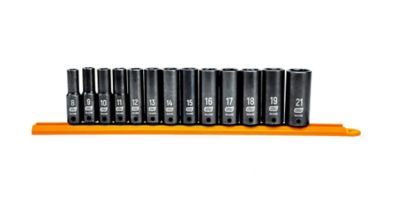
A mechanics tool set brings sockets, ratchets, and other fastening tools together for jobs around the garage, barn, and equipment shed. These sets suit the kind of work that keeps a place running: removing a mower’s belt guard, tightening a loose equipment bracket, replacing worn hardware on a utility trailer, or reaching a stubborn bolt beneath a pickup’s hood. The right combination depends more on the fasteners and working space than on the number printed on the case. A larger piece count can include several drive sizes, socket depths, and bit styles, while a smaller assortment may cover the sizes that see regular work. Metric and SAE sockets serve different fastener measurements, and equipment with a mix of older and newer components may call for both. Drive size describes the square connection between the ratchet and socket, not the size of the nut or bolt. A 1/4-inch drive generally suits smaller fasteners and tighter spaces, a 3/8-inch drive handles a broad range of everyday mechanical work, and a 1/2-inch drive accommodates larger sockets and heavier fastening tasks within the tool’s limits. Having more than one drive size can make it easier to match the tool to the job without stacking adapters. Standard-depth sockets fit many exposed fasteners, while deep sockets provide extra reach over longer studs or recessed nuts when space allows. Combination wrenches, hex keys, and bit sockets can broaden a set’s usefulness, though contents vary from one assortment to another. For someone maintaining a family vehicle, tending acreage, or getting a first workshop together, a well-matched selection puts common fastening tools within reach instead of scattered across drawers. An equipment owner may need larger socket sizes, while someone working on smaller assemblies may get more mileage from compact ratchets and a thorough selection of smaller sockets. Checking the actual size range matters, since a high piece count does not necessarily mean every size falls in an uninterrupted run.
Tool construction and working clearance make a difference once the case is open and the job is underway. Many mechanics tool sets feature steel sockets and wrenches, often with chrome vanadium steel construction and a chrome finish that helps resist corrosion and wipes clean after greasy work. Material and finish details vary, so the stated specifications matter more than appearance alone. A socket should seat fully on the fastener, with the correct measurement system and size providing a close fit. A nearly matching socket can slip or damage corners, especially on hardware that already shows wear. Six-point sockets contact a hex fastener across six surfaces and are often a practical choice for stubborn nuts and bolts; twelve-point designs provide more positions for placement and are necessary for some fastener shapes. Some socket designs position contact away from the fastener’s corners to help reduce rounding, but sound technique and proper fit still matter. Ratchet tooth count affects how far the handle must move before engaging the next tooth. A 72-tooth ratchet has a nominal 5-degree swing arc, which can help when a frame rail, bracket, or neighboring component limits handle movement. Actual access also depends on the ratchet head’s width, thickness, and handle length. A compact head can reach a spot that a larger one cannot, while a longer handle provides more leverage but needs room to move. Extensions help reach fasteners farther inside an assembly, and a universal joint can allow an angled approach where a straight extension will not line up. Each connection adds length and movement, so the simplest arrangement that reaches squarely is often the easiest to control. Hand sockets and impact sockets are not interchangeable just because they share a drive size; power-driven impact work calls for sockets and accessories specifically rated for that purpose. A ratchet also does not replace a torque wrench when a repair calls for a specified tightening value. Following the equipment maker’s service requirements helps protect threads, components, and the finished repair.
Storage and care have a lot to do with how useful a mechanics tool set stays from one job to the next. A fitted carrying case keeps matching pieces together and makes a missing socket easier to spot before the lid closes. Clearly marked socket sizes, readable case positions, secure latches, and a handle that feels comfortable with the case loaded all deserve attention. Case dimensions matter, too: an assortment that sits neatly on a shop bench may take up more room than expected behind a truck seat or on a utility shelf. For work that moves between the garage and an outbuilding, a case with a designated spot for each piece can save a second trip to find the extension left on the bench. In a permanent workspace, removable trays or a layout that transfers easily to a drawer may be more convenient, depending on the set. Socket markings should remain easy to identify under ordinary shop lighting, particularly when metric and SAE pieces sit side by side. After a repair, wiping away grease and grit helps keep markings visible and prevents debris from collecting around moving parts. Tools should be dry before storage, and ratchets need inspection and maintenance according to the manufacturer’s directions. A slipping mechanism, cracked socket, or damaged drive connection is a reason to stop and address the problem rather than lean harder on the handle. Mechanics sets center on nuts, bolts, and related fasteners; for a broader mix of tasks around the house, a
Home Repair Tool Set can be a useful companion. As a gift, a mechanics assortment makes sense for a new vehicle owner, a farm family member setting up a workspace, or someone who enjoys keeping equipment in working order. Matching the selection to that person’s projects and existing tools gives the gift a practical place on the bench.