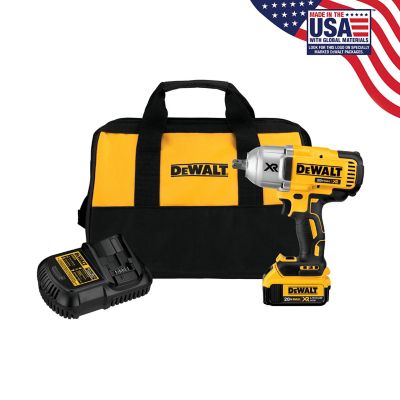
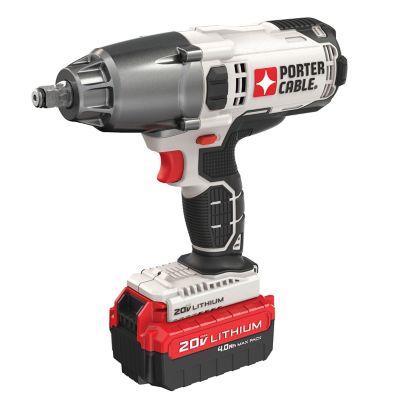
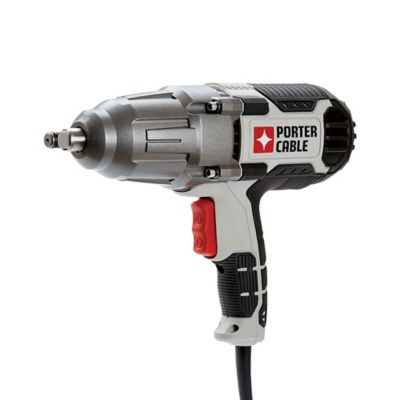
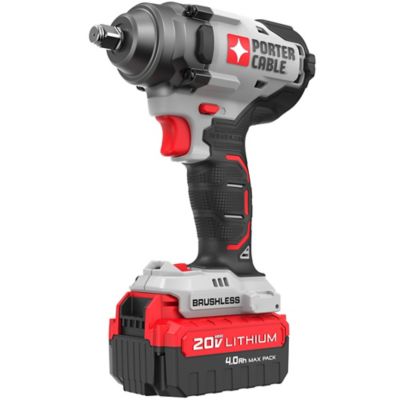
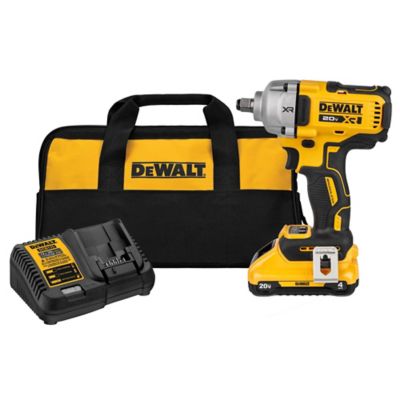
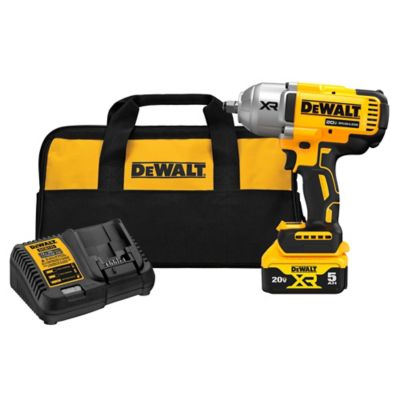
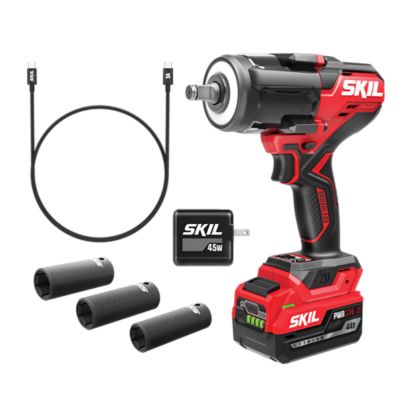
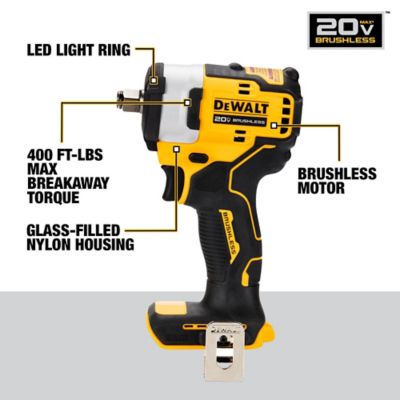
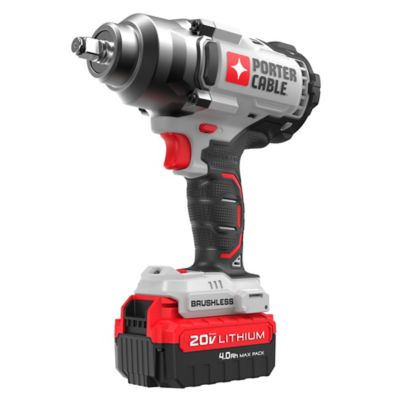
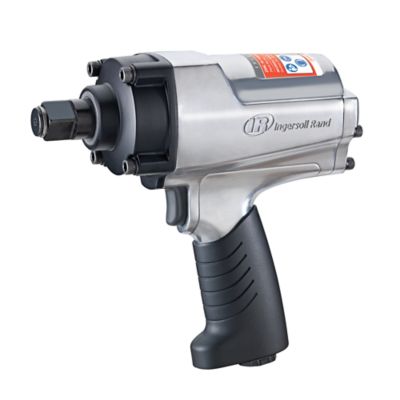
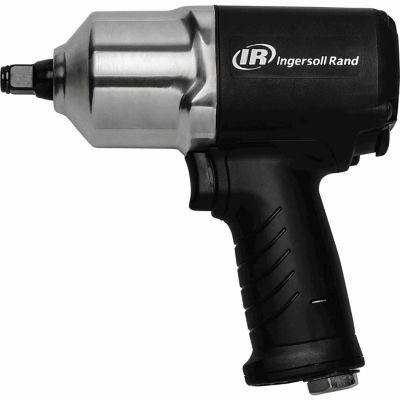
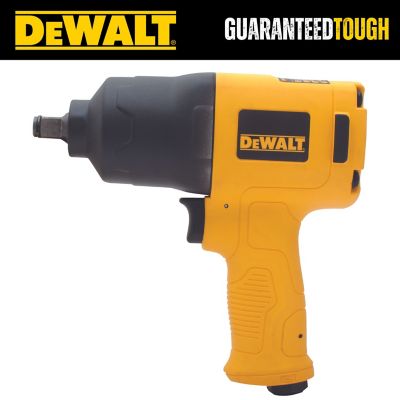
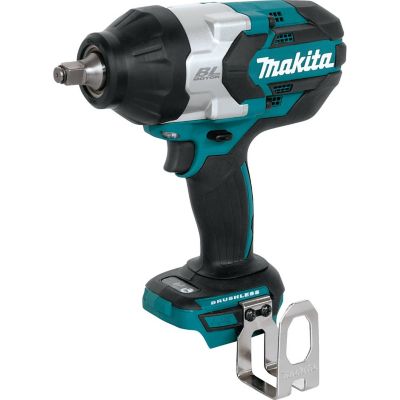
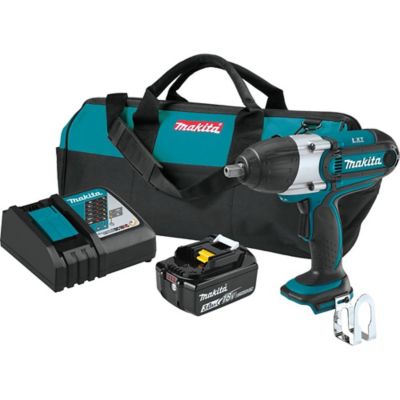
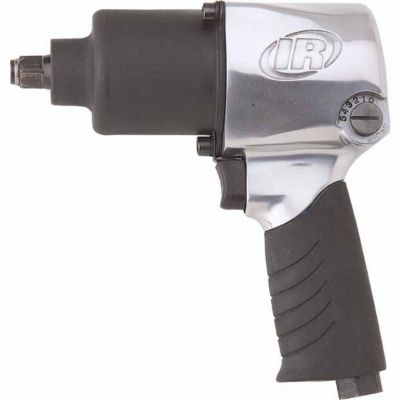
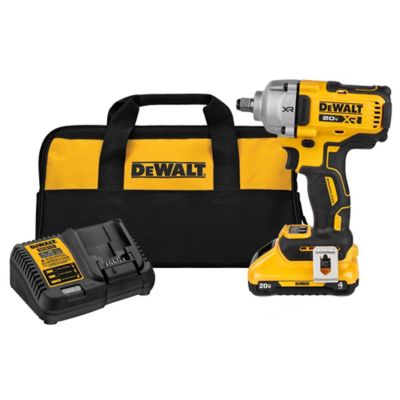
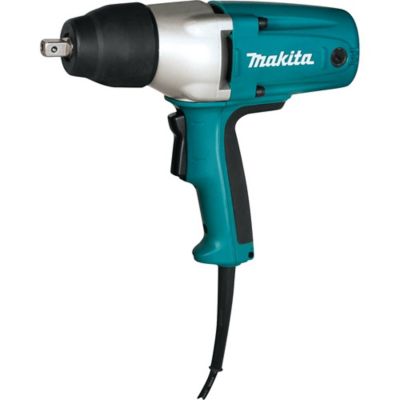
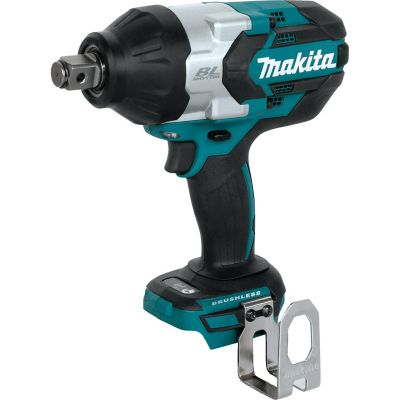
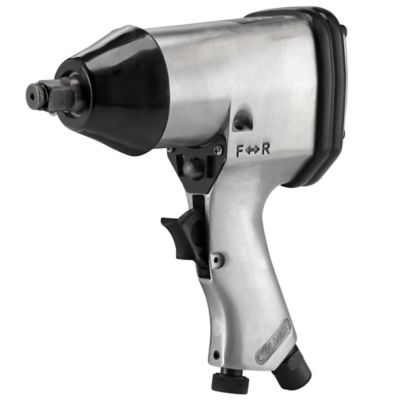
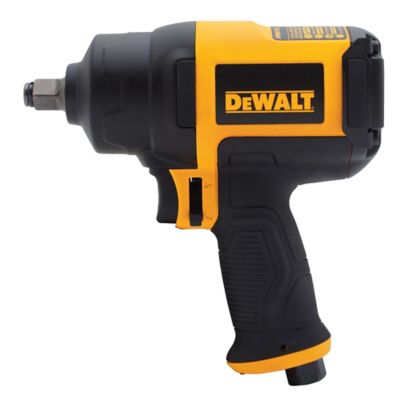
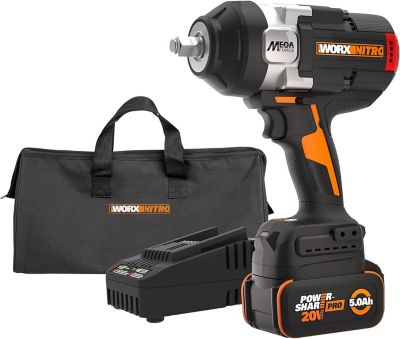
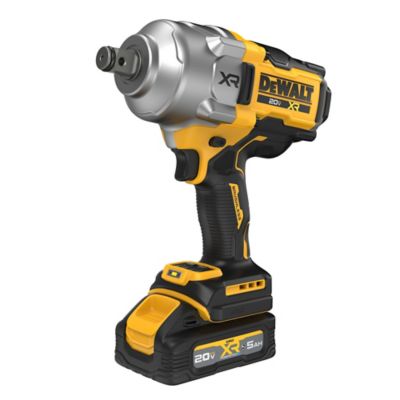
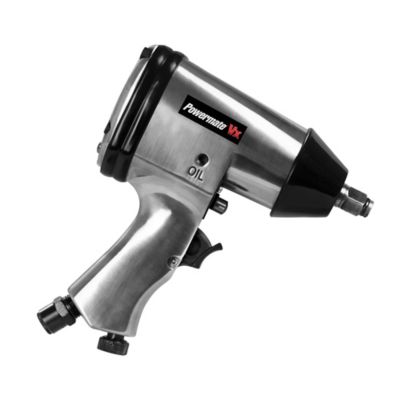
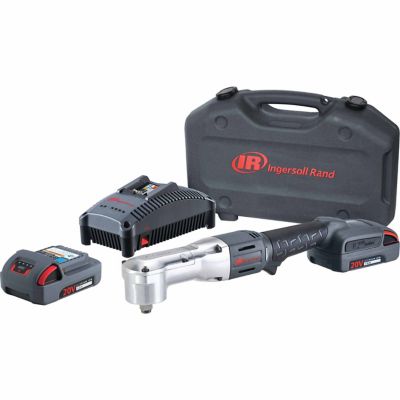
An impact wrench is a power tool that delivers strong rotational force through repeated hammering blows to loosen or tighten nuts and bolts. Inside the tool, a motor drives a hammer mechanism that strikes an anvil when a fastener resists turning. Those short bursts of torque help move stubborn hardware without requiring the operator to supply all that force with a long wrench handle. That makes impact wrenches a practical fit for vehicle maintenance, farm equipment repairs, trailer work and machinery upkeep. A wheel lug nut, a mower blade bolt and a large implement fastener can call for different combinations of power, reach and control, so matching the tool to the work matters more than chasing the highest torque number. Torque is commonly measured in foot-pounds, with fastening torque describing tightening capability and breakaway torque describing loosening capability under the manufacturer's test conditions. Those ratings are not interchangeable, and neither replaces the equipment manufacturer's specified final tightening torque. A compact wrench may fit between nearby components where a larger housing cannot, while a high-torque model can provide more muscle for substantial fasteners. Drive size also helps narrow the choice. A 3/8-inch square drive often suits smaller hardware and tighter spaces, while a 1/2-inch drive is a common choice for passenger vehicle wheels and general shop work. Larger 3/4-inch and 1-inch drives are associated with heavier equipment and bigger fasteners, provided the tool's output matches the application. Drive size alone does not establish how much torque a wrench can deliver. Socket reach, clearance around the fastener and the strength of the surrounding assembly all deserve a look, too. Unlike an impact driver, which commonly accepts 1/4-inch hex-shank bits, an impact wrench generally has a square drive intended for sockets. That distinction matters when choosing equipment for a workbench, service truck or farm shop: the right connection keeps the tool, socket and task working together.
Cordless, pneumatic and corded electric impact wrenches each fit a different kind of workday. A cordless impact wrench brings power to a trailer parked away from the shop or equipment sitting out by the barn, without an air hose or extension cord trailing behind. Battery compatibility is worth checking, especially when other cordless tools already share a charging setup. Battery capacity affects runtime, while battery size and weight influence how the wrench feels in hand; output can also depend on the battery specified by the tool manufacturer. Pneumatic impact wrenches run on compressed air and can make sense at a shop with a suitable compressor. Their performance depends on more than the wrench itself: required air volume, operating pressure, hose diameter and fitting restrictions all affect the air reaching the tool. A compressor's tank size alone does not tell the whole story. Corded electric models offer another option near a suitable outlet, with no battery charging or compressed-air supply required. Cord reach and any extension-cord requirements still need to match the manufacturer's directions. Across power sources, handling makes a difference during longer repair jobs. A shorter front housing can help around suspension components, while a balanced grip can make repeated wheel work less tiring. Rubberized gripping surfaces, trigger placement and forward-and-reverse controls affect how naturally a tool sits in the hand. Variable-speed triggers and selectable power settings can provide more control when bringing a nut down toward its seat, though they are not substitutes for a torque wrench. Some designs include stop or slowdown functions, and their operation varies by model. Construction matters as well: hardened steel drive components handle the hammering action, while metal gear housings and composite outer shells serve different roles in protecting the mechanism and managing weight. For work beneath a trailer frame or beside a tractor wheel, a clear view of the fastener and enough room for a square socket connection are just as important as power.
Sockets and accessories need to match both the impact wrench and the job. Impact-rated sockets are built for repeated blows and commonly feature thicker walls and steel formulations suited to that loading, such as chromium-molybdenum steel. An ordinary hand-tool socket is not a substitute, even if it fits the drive. The correct metric or SAE size helps keep a firm seat on the fastener, and six-point sockets provide broad contact on hex nuts and bolt heads. Deep sockets can reach nuts on longer studs, while shallow sockets can help where clearance is limited. Extensions, adapters and swivel accessories change reach and access, but they also add connections and can affect delivered torque. Every attachment needs an appropriate impact rating. For shoppers putting together a shop setup or choosing a gift for someone who handles equipment repairs,
Impact Wrench Sets offer a way to consider the tool and its included components together. Package contents differ, so drive size, socket sizes, batteries, chargers and storage cases deserve a close look rather than an assumption. Good care helps keep the setup ready for the next job. Clean exterior surfaces and clear ventilation openings support normal operation, and regular checks can catch cracked sockets, damaged cords, loose housing screws or worn socket-retention parts. Pneumatic tools may require lubrication according to their instructions; sealed electric mechanisms can have different service requirements. Disconnect the air supply, unplug the cord or remove the battery before changing accessories or addressing a jam. Eye protection, hearing protection and secure footing belong with impact work, and vehicles or equipment must have proper support before repairs begin. Starting threaded fasteners by hand helps prevent cross-threading, while a separate torque wrench handles final tightening to specification. For lug nuts, blade hardware and other critical connections, controlled tightening matters every bit as much as getting a stubborn fastener loose.