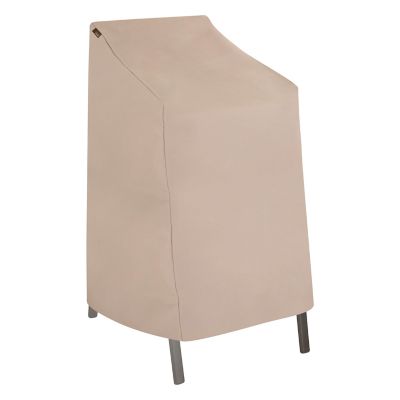
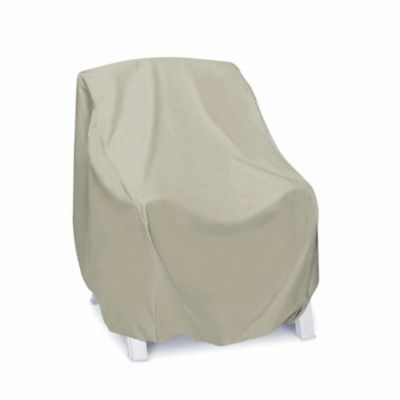
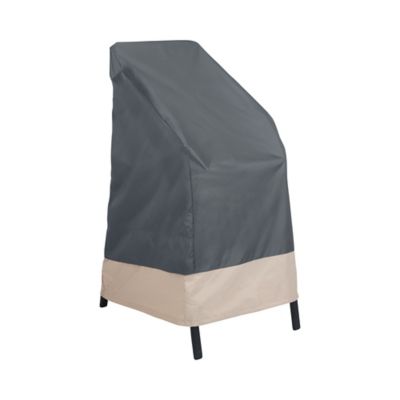
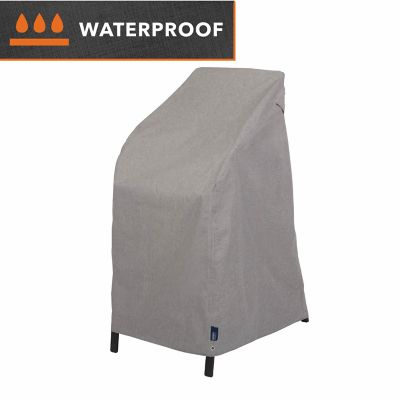
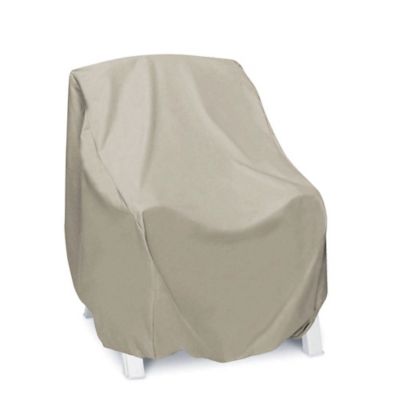
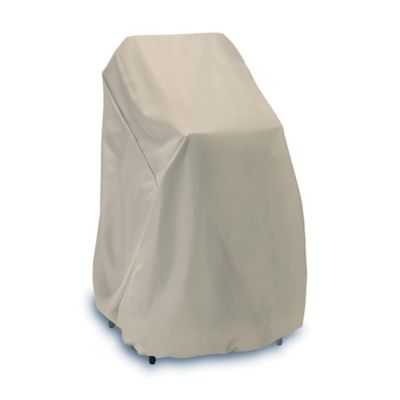
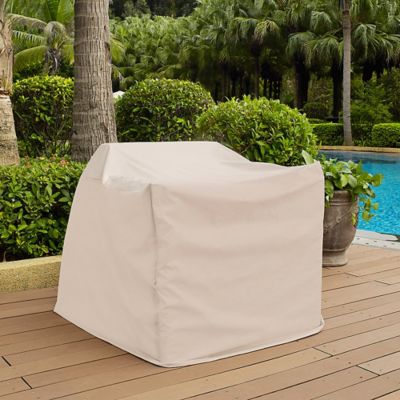
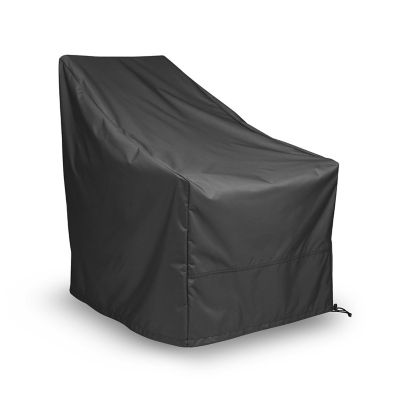
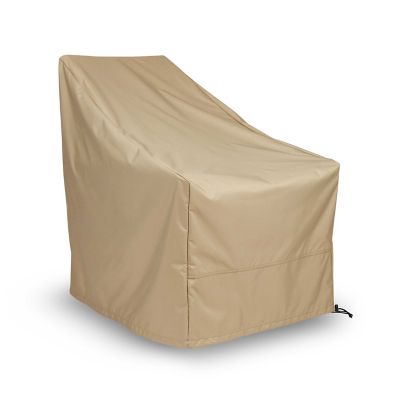
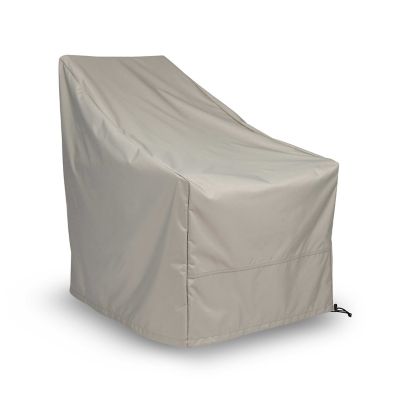
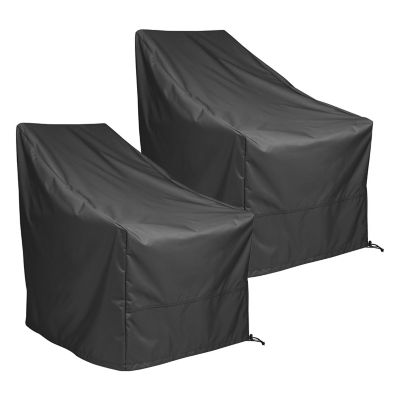
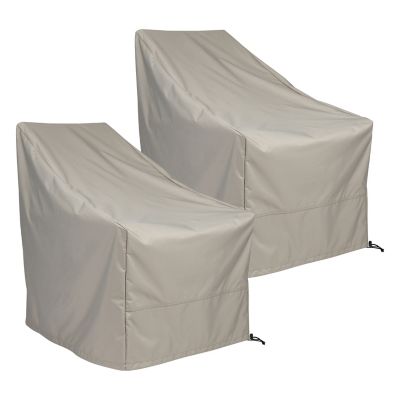
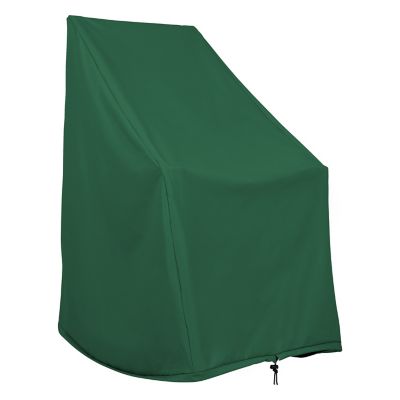
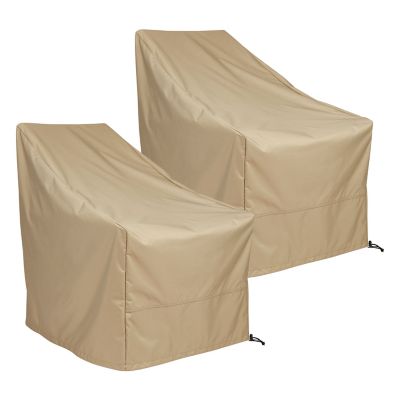
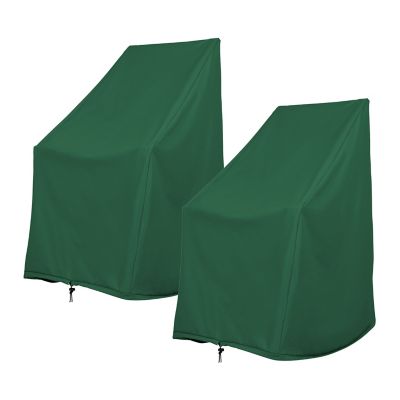
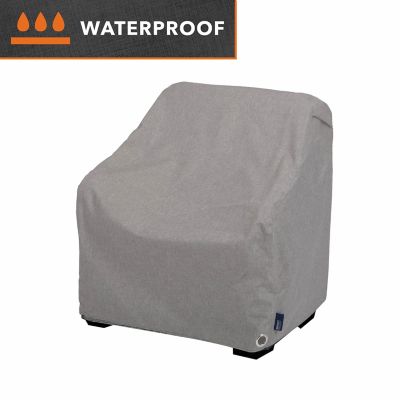
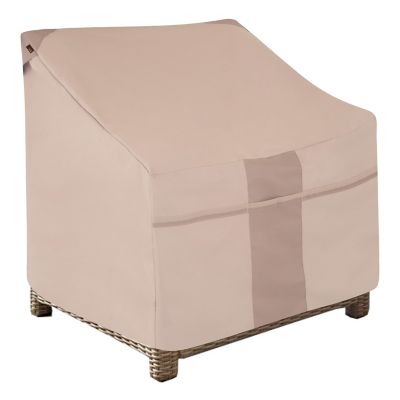
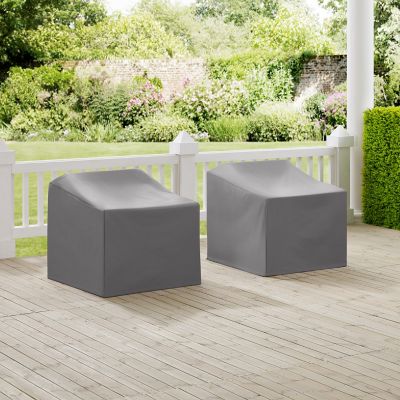
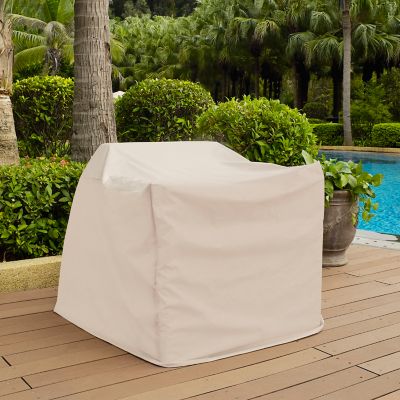
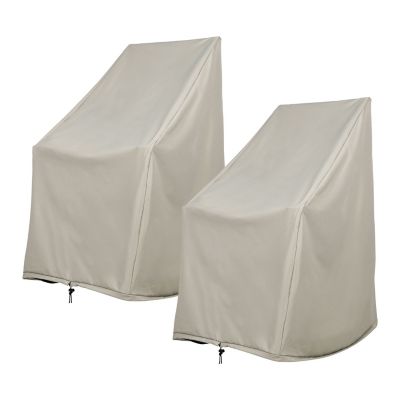
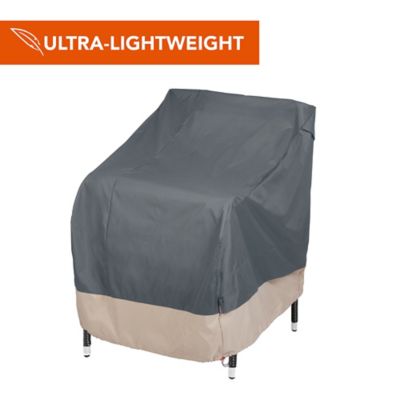
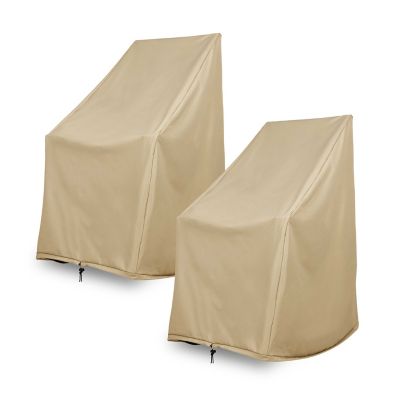
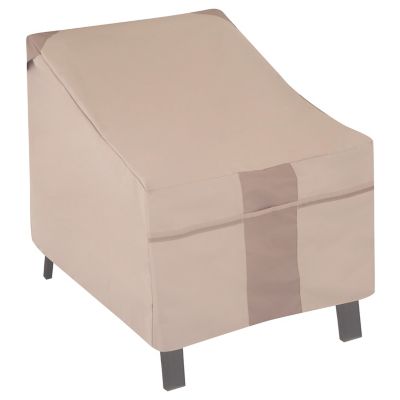
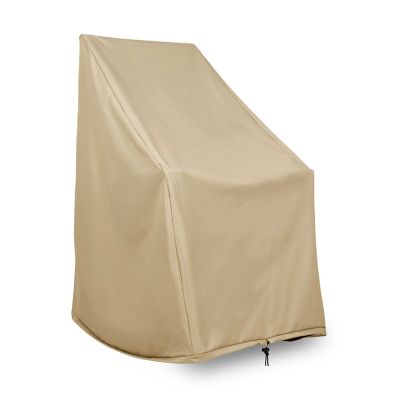
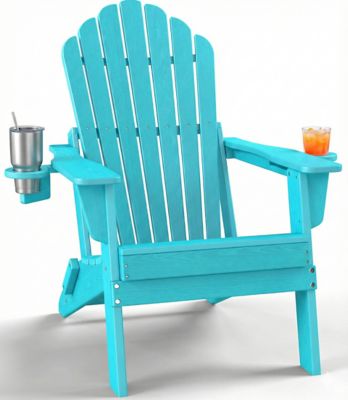
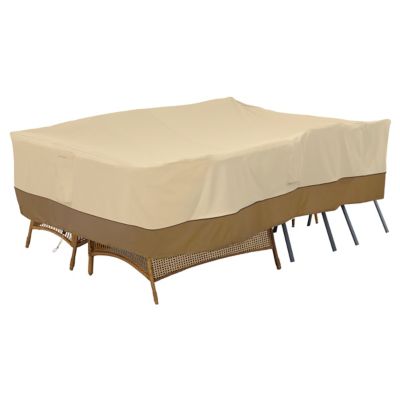
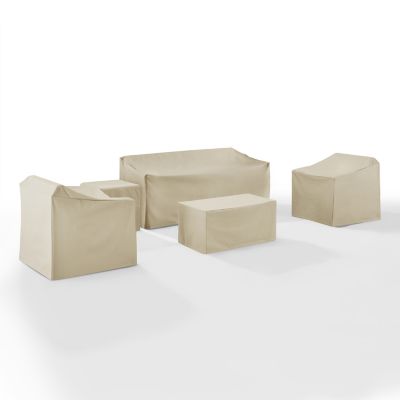
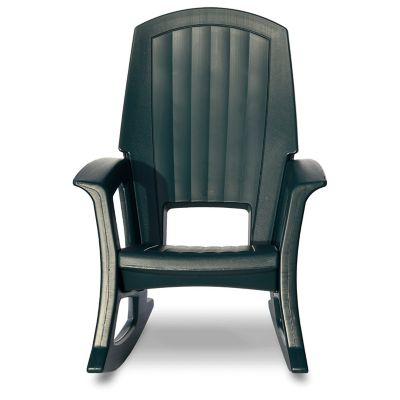
High back patio chair covers are protective covers shaped to fit outdoor chairs with taller backrests, helping shield seating from rain, sun, dust, pollen and falling leaves between gatherings. That extra height matters on chairs with upright dining backs, tall sling panels or deep cushions that extend above the frame. A cover meant for a lower chair can leave part of the seat or legs exposed, while an oversized cover can collect water in loose folds or flap against the furniture. A good fit follows the chair’s overall shape without pulling tight across the back corners or armrests. The measurements that matter are the chair’s full height, its widest point and its front-to-back depth, including any arms or frame sections that stick out. Cover dimensions may describe either the cover itself or the furniture size it fits, so those details deserve a close look. For a reclining chair, the intended covered position also matters; a cover sized for upright seating may not accommodate an extended footrest. Rocking chairs bring another consideration, since curved runners can reach beyond the seat footprint. On a farmhouse porch, beside a backyard table or near a gravel path, coverage should suit both the furniture and the space around it. A hem that hangs above the ground helps keep the fabric out of puddles and mud, though the proper clearance depends on the cover’s design. Chairs with sharp metal corners, rough wooden edges or protruding hardware can put extra strain on fabric, making reinforced contact points worth considering. Cushions change the chair’s overall dimensions, too. Whether they stay beneath a cover depends on the care directions for both the cushions and the cover, along with how exposed the seating area is. With the right proportions, a high back chair cover can make a pair of porch seats or a full outdoor dining arrangement easier to keep ready for company.
Fabric construction plays a big part in how high back patio chair covers handle everyday outdoor exposure. Polyester is a common material because it can provide practical coverage without making a tall cover too cumbersome to lift and fold. Oxford refers to a woven fabric construction, often made with polyester, rather than a separate type of fiber; its performance depends on the yarn, weave, coating and overall construction. A heavier fabric may offer more resistance to tearing, but weight alone does not tell the whole story. Stitching, reinforcement, fastening points and the condition of any protective coating all contribute to how well a cover holds up. Water-resistant finishes help shed moisture, while coated backings can provide an additional barrier. Water-resistant and waterproof claims are not interchangeable, and even fabric with strong water protection can let moisture enter through unsealed seams or openings. A sloped surface sheds rain more readily than a sagging pocket, so fit matters as much as fabric when water starts collecting. Breathability matters as well. Covered air vents can help moisture escape and reduce billowing, but a cover cannot eliminate condensation or make damp cushions suitable for enclosed storage. UV-resistant materials can help limit fabric breakdown from sunlight, although prolonged exposure still takes a toll. For a chair sitting out beside the garden, secure attachments deserve attention: adjustable hems, drawcords, buckle straps and leg ties can help keep the cover positioned when wind moves through the yard. Those features serve different purposes, and a snug bottom edge does not replace a secure attachment to the chair when one is provided. For coordinated protection across a larger seating area,
Water Resistant Patio Furniture Covers provide a related category for covering other outdoor furniture. The same considerations apply across the patio: suitable dimensions, sound seams, ventilation and closures that match the furniture’s shape.
Day-to-day handling is another part of choosing a chair cover that fits life around the house. Tall chair backs can be awkward to reach across, especially when several chairs sit close together around a table. Sewn-in handles can make lifting easier, while accessible buckles and adjustment points save fumbling behind a chair near a porch rail. Enough room to slip the cover over the backrest is helpful, but too much loose fabric can drag across the deck or catch on nearby furniture. For seating that gets uncovered often, manageable fabric weight and straightforward closures can matter just as much as extra reinforcement. For chairs put away for longer stretches, a clean, dry setup and a sheltered storage spot remain important even with a cover in place. Leaves, twigs and standing water should not sit on top for extended periods, since debris can hold moisture and add strain to seams. Cleaning methods vary by material and coating, so the care label takes priority over a general cleaning routine. Many covers call for gentle cleaning with mild soap and water rather than machine washing, bleach or aggressive scrubbing. Letting the fabric dry fully before folding helps prevent trapped dampness, and a dry storage bag or shelf keeps the cover out of the way when the chairs are in service. An occasional check around seams, corners and fastening points can reveal small tears or loosened stitching before more of the fabric is affected. Covers also work best over chairs that are free of dirt and moisture rather than sealing grime against the frame. Anyone keeping tall-backed seating on a porch, patio or deck can benefit from protection matched to the chair and its surroundings. Whether the seats face a pasture, gather around a family supper table or fill a quiet corner by the back door, well-fitting covers help cut down on cleanup before the next chance to sit a spell.