Help For Dogs With Separation Anxiety
Find help for dogs with separation anxiety by browsing supplies geared toward comfort and calming support when you’re away. Check each item’s intended use and directions to find options that fit your dog’s needs as part of a plan that includes gradual training and guidance from your veterinarian.
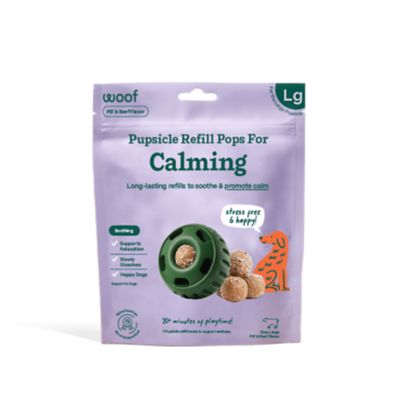
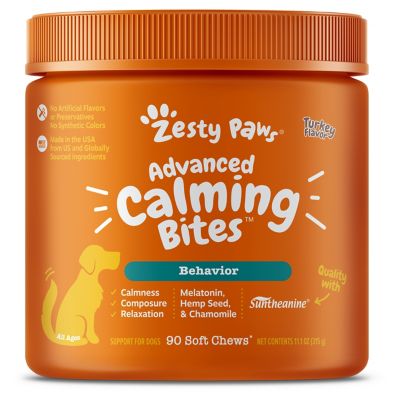
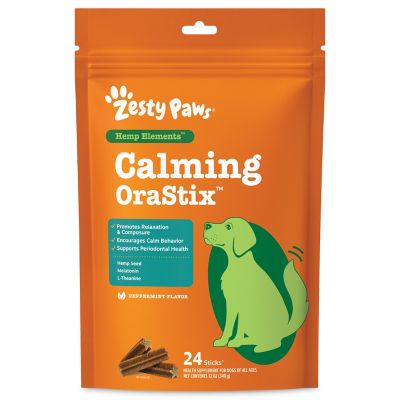
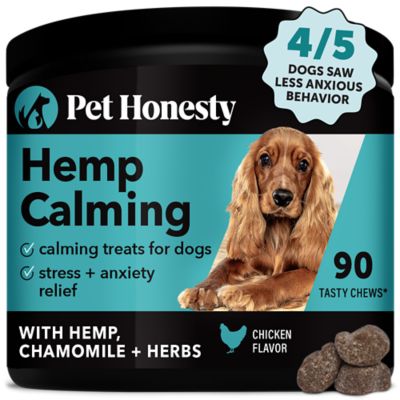
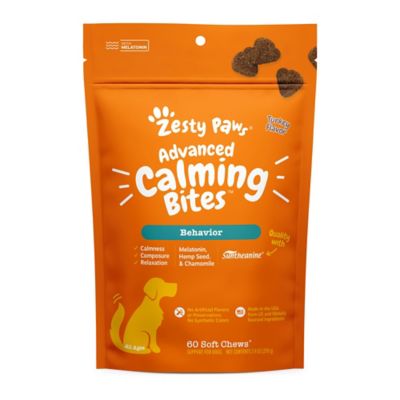
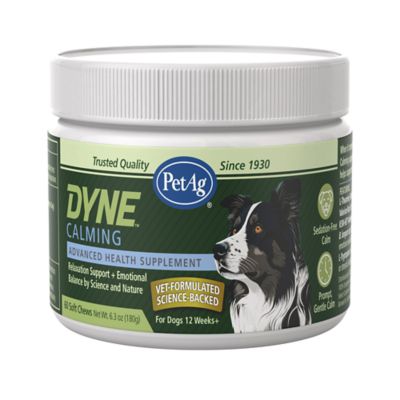
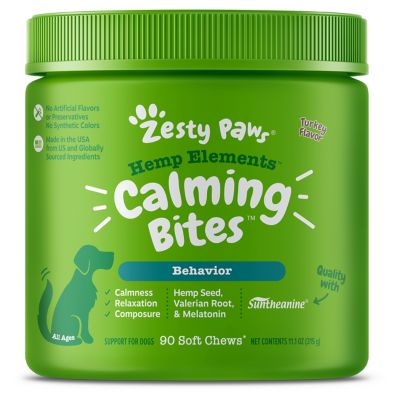
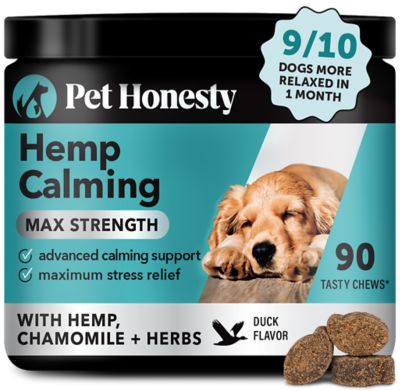
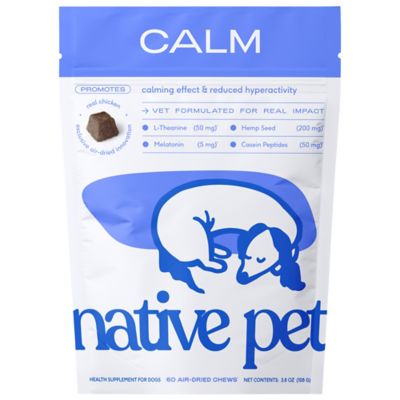
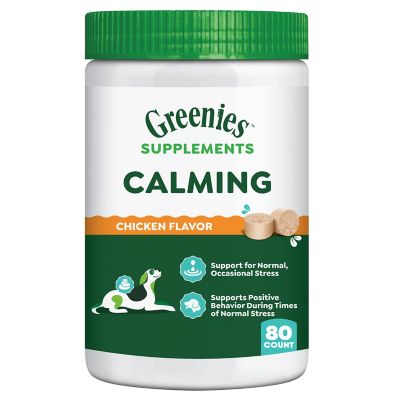
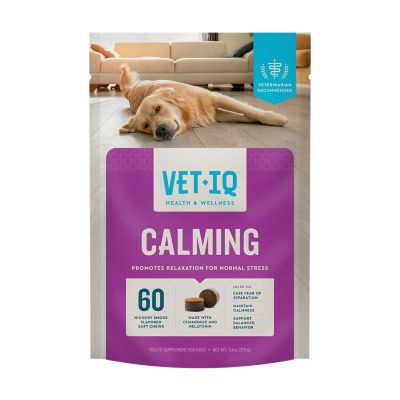

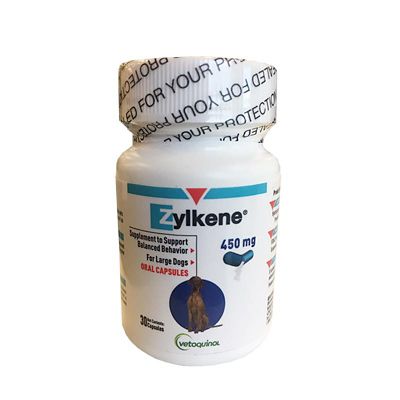

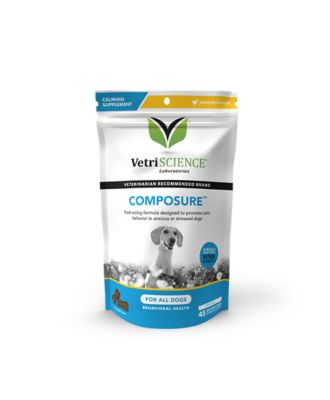
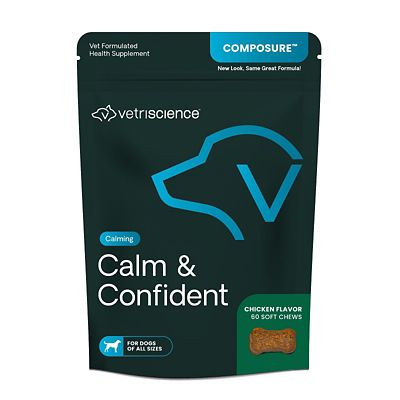
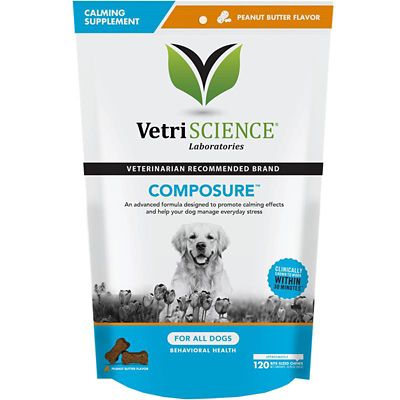
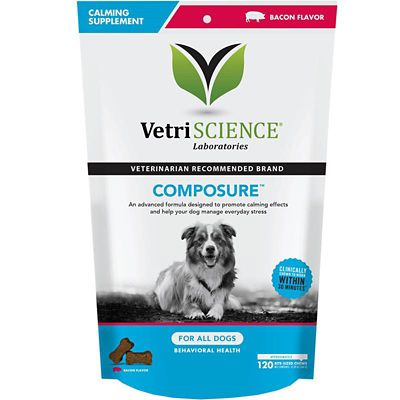
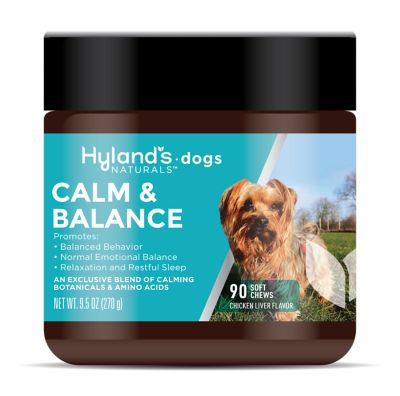
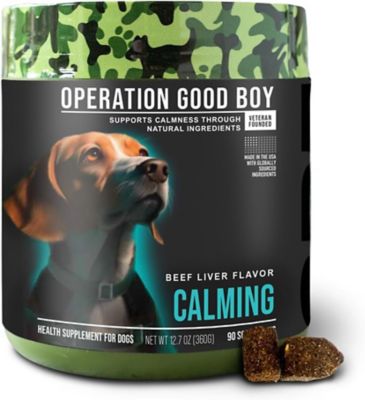
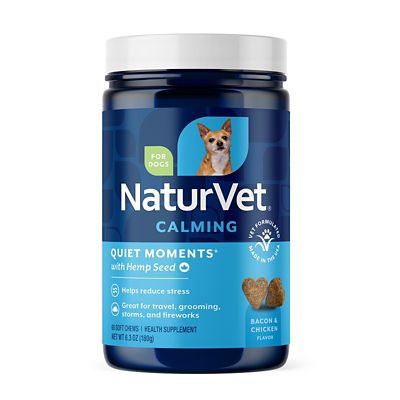
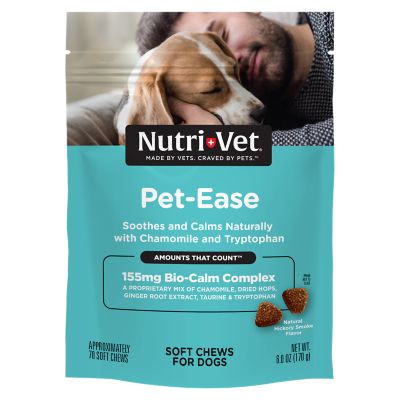
Best Of FAQ
What behaviors can be signs of separation anxiety in dogs?
Barking, howling, pacing, drooling, house accidents and scratching at doors may show up when a dog is left alone. These behaviors can have other causes, too, so note when they happen and talk with your veterinarian about the pattern.
What types of supplies are commonly part of a dog's alone-time routine?
Common supplies include dog beds, comfort toys, food puzzles and treat-dispensing toys. A pet camera can also let you check in on your dog's behavior while you're away. Build your list around your dog's habits and your veterinarian's recommendations.
What's the difference between a food puzzle and a comfort toy?
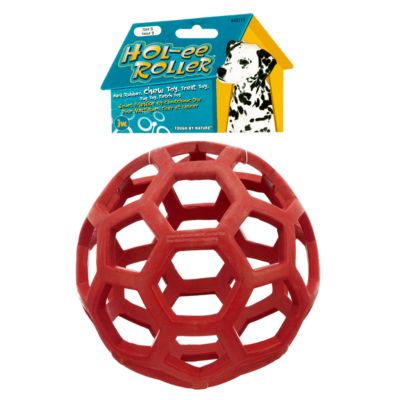
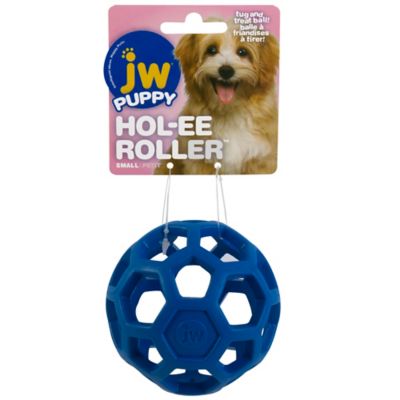
A food puzzle holds food or treats that a dog works to reach by nudging, rolling or moving parts. A comfort toy is generally meant for carrying, cuddling or resting alongside. They offer different kinds of activity during a dog's daily routine.
How can I set up a resting spot for a dog with separation anxiety?
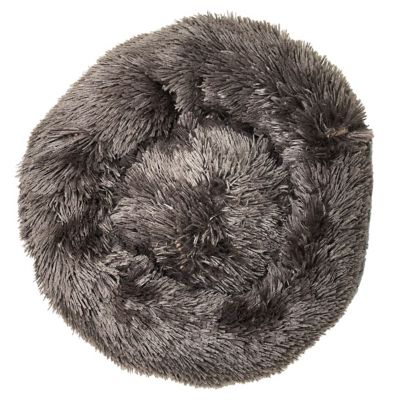
Start with a familiar spot where your dog already likes to settle. Keep their bed, water and familiar belongings together, away from the busiest household traffic. Pay attention to whether your dog tends to choose an open room or a more tucked-away spot.
What should I track about my dog's behavior when I leave?
Keep a simple log of departure times, how long you're gone and when behaviors such as barking or pacing begin. Note whether your dog eats, plays or rests while you're out. Camera recordings and written notes can give your veterinarian or a qualified behavior professional more context.
Best Sellers
-
"They are great for puppies who can't catch solid balls yet and my big dogs love the large ones for playing"
-
"My puppy destroys chew toys in one day but these he really just rolls and pushes around, great exercise"
-
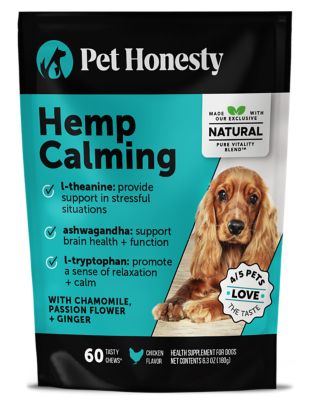
"Works great it helped my dog stay calm"
-
"Zesty Paws, thank you for formulating these chews for all dogs and helping my best friend continue to"
-
"The dogs love to curl up or stretch out in this soft cushy bed"