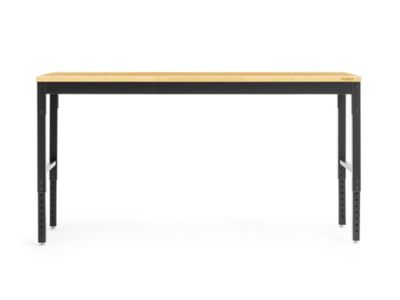
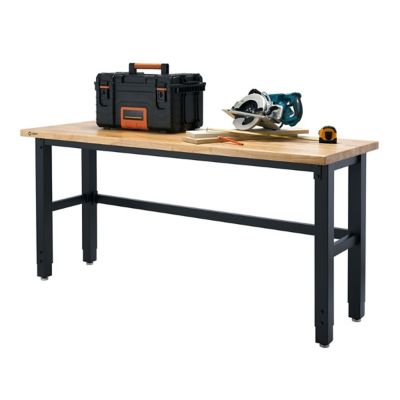
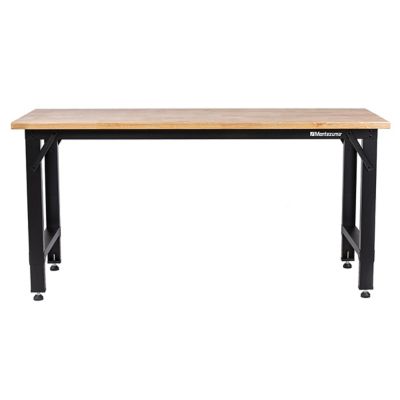
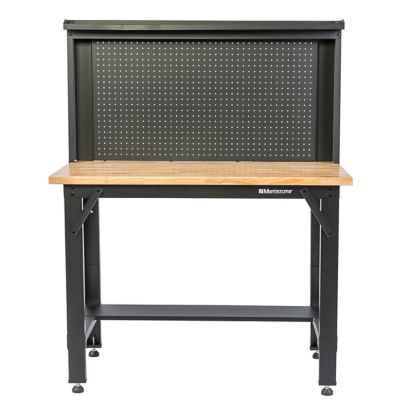
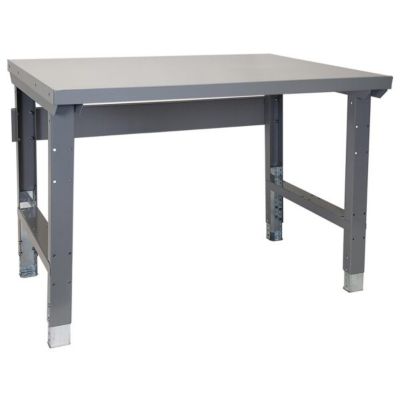
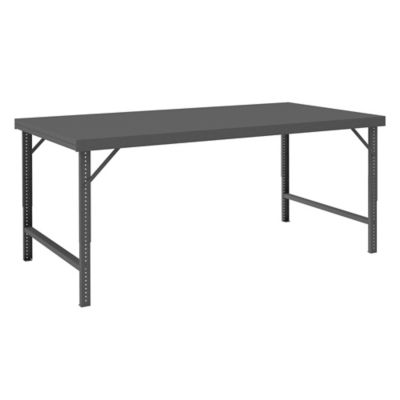
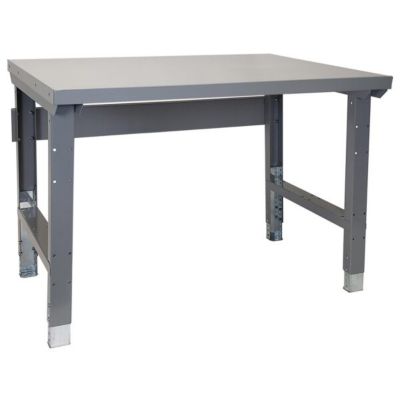
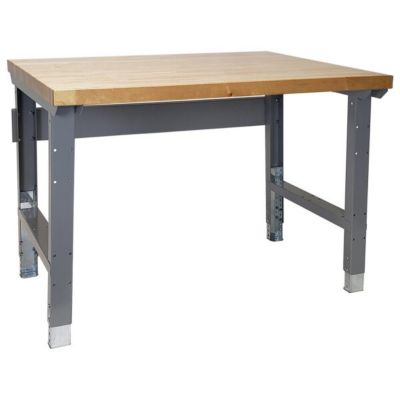
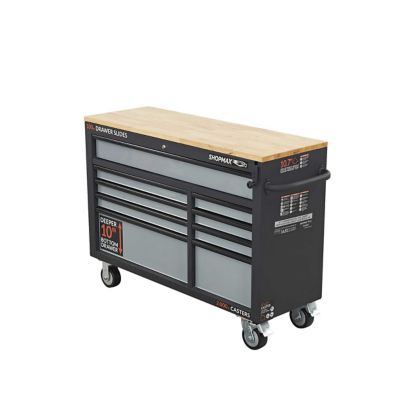
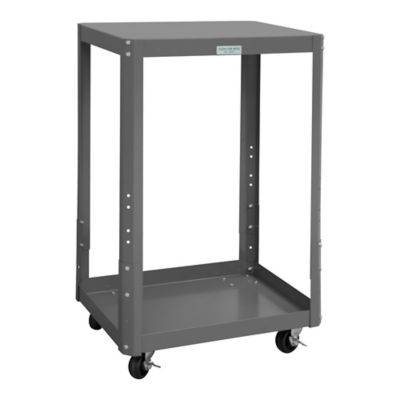
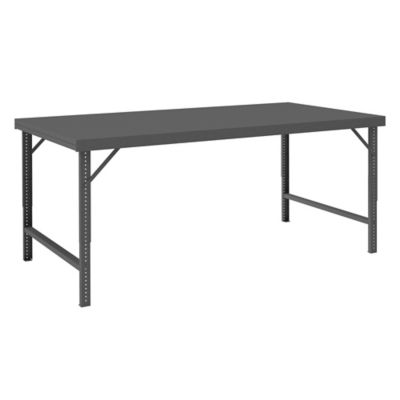
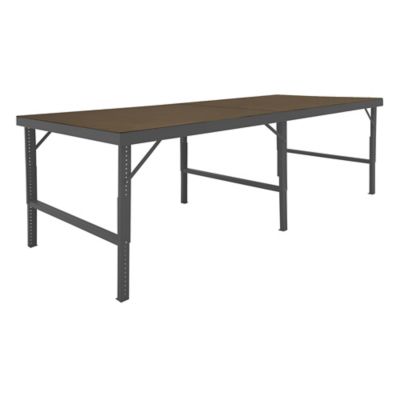
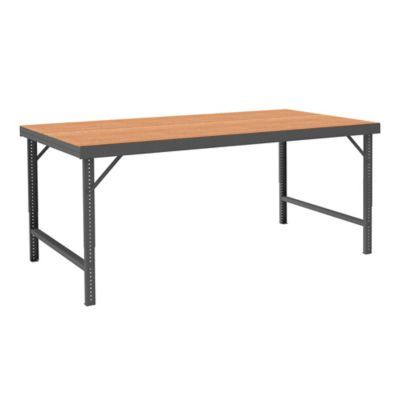
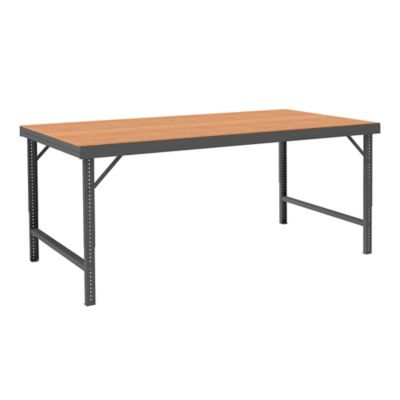
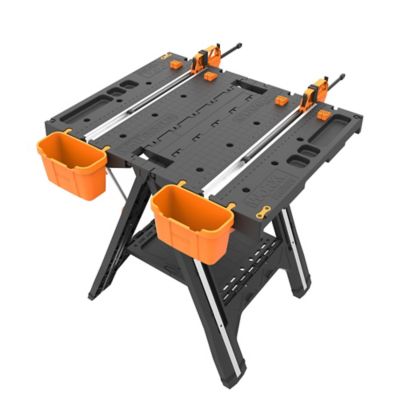
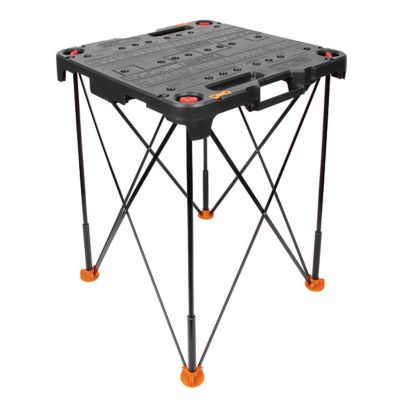
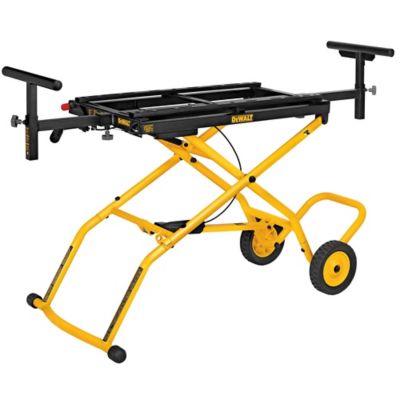
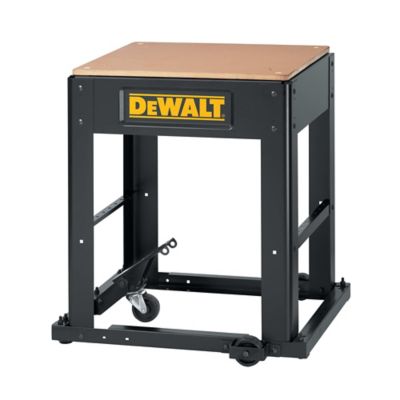
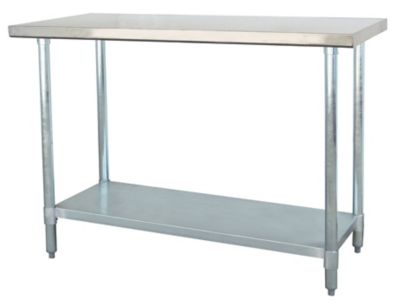
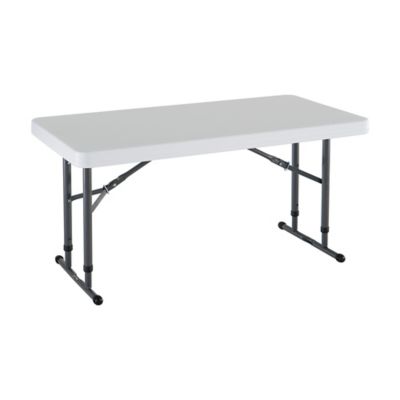
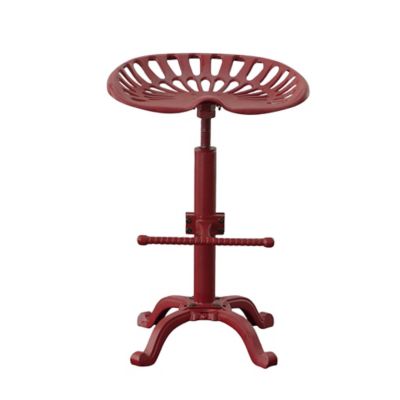
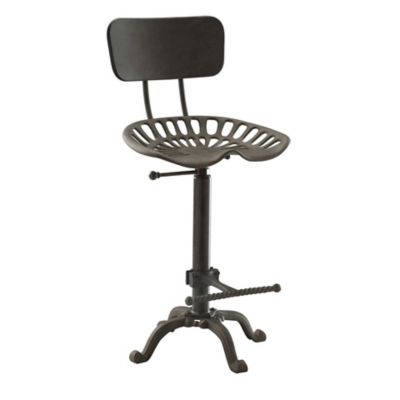
Adjustable height workbenches bring a little more flexibility to the garage, farm shop, shed, or home workspace, especially when the same surface handles several kinds of work. A bench might hold a small engine part one afternoon and a stack of boards the next, with room for measuring, sorting hardware, or putting an assembly together between bigger jobs. Changing the working height helps match the surface to the task instead of making every task fit the same setup. Fine assembly often calls for bringing the work closer, while a project that takes downward pressure may feel more manageable on a lower surface. The right position depends on the person, the tools, and the height of the project itself; a tall vise or thick piece of lumber changes where hands actually meet the work. Adjustable designs also make sense in shared spaces where family members or shop partners have different reaches and working habits. Height range matters at both ends, whether the goal is standing comfortably, sitting on a shop stool, or switching between the two. Space beneath the top deserves attention, too, since crossbars, shelves, and drawers can affect legroom. Adjustment methods vary, with some designs relying on bolts or locking pins and others offering a hand crank or powered lift. A bench that changes height occasionally has different demands than one that moves several times throughout a workday. Clearly marked settings and accessible controls can make repeat setups simpler, while a secure locking system helps keep the chosen position steady. Overall dimensions matter just as much as height: a deep top offers room to spread out parts, but tools at the back still need to be within comfortable reach. In a narrow shop, enough walking room around the bench keeps a good work surface from becoming another obstacle. The best fit leaves room for the person doing the job, the project on the top, and the tools that need to stay close at hand.
Materials and construction shape how an adjustable height workbench handles everyday shop life. A solid wood or butcher-block top provides a substantial surface for assembly and general bench work, though spills, dents, and finish care still deserve attention. Plywood and engineered-wood surfaces vary in thickness, facing, and edge protection, so the construction details matter more than appearance alone. Steel tops offer a different working feel and can suit mechanical tasks where wiping away grime is part of the routine. No surface is right for every chemical, tool, or impact, and the manufacturer’s care directions help establish what belongs on it. A replaceable protective mat or sacrificial board can separate the main top from glue, scratches, or other messes when the bench instructions allow it. Beneath that surface, frame design, bracing, fasteners, and leveling feet all contribute to how solid the bench feels during a task. A load rating is worth reading closely because it may describe evenly distributed weight rather than a heavy object sitting near one edge. Height adjustment can have a separate lifting limit, and moving a loaded top is not the same as supporting it after the position is set. A vise, mounted tool, or overhanging project can change balance and place extra stress on a small area, making mounting guidance especially important. For shops with uneven concrete floors, leveling feet help establish firm contact without relying on a stack of scrap wood. Mobile workbenches serve a different need, letting a work area move closer to a project or clear space after the job. Locking casters help hold position, but wheel locks do not replace the stability of a setup intended for stationary work. Wheel size, floor seams, doorway clearance, and the bench’s full height all affect how easily it moves through a real workspace. Keeping loads centered and following the listed limits matters whether the bench stays against a wall or travels across the shop.
Storage and layout can make adjustable height workbenches feel like part of the shop rather than just another flat surface. Drawers give small tools and measuring equipment a place out of the way, while an open lower shelf can hold larger supplies without crowding the top. The tradeoff is access: anything below the surface needs enough clearance throughout the bench’s full travel, including room for knees when seated. Pegboard backs and attached organizers may help keep frequently reached-for tools close, provided their weight and placement stay within the bench’s instructions. A clear working area is especially handy when a repair involves several similar bolts, washers, and brackets; shallow trays keep those little pieces from rolling into a pile of sawdust. Power access also deserves a place in the layout. Outlets, cords, and task lights need enough slack for height changes without hanging where they can snag, pinch, or create a tripping hazard. For a cleaner indoor corner devoted to reading plans, keeping records, or examining small parts,
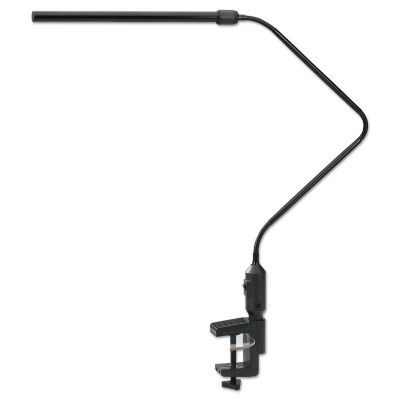
Adjustable Height Table Lamps offer another way to bring light closer to the task, with lamp placement and electrical suitability matched to the space. Routine care helps keep the whole setup ready for the next job. Dust and grit can collect around moving parts, spilled liquids can work into seams, and loose fasteners can turn a steady bench into an irritating wobble. Cleaning methods, lubrication points, inspection intervals, and any restrictions on solvents belong to the manufacturer’s directions rather than a one-size-fits-all routine. A wood surface may need different attention than a painted steel frame or an electric lift assembly. For someone outfitting a first serious workspace, maintaining equipment around the property, or making room for a longtime hobby, an adjustable bench offers a practical foundation. Matching its size, movement, storage, and working surface to the jobs ahead helps create a spot where tools are close, parts stay organized, and there is room to get things done.