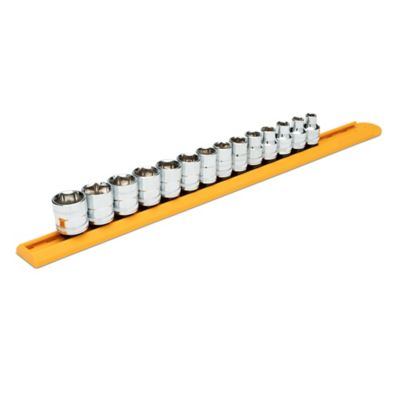
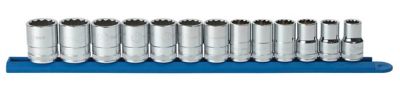
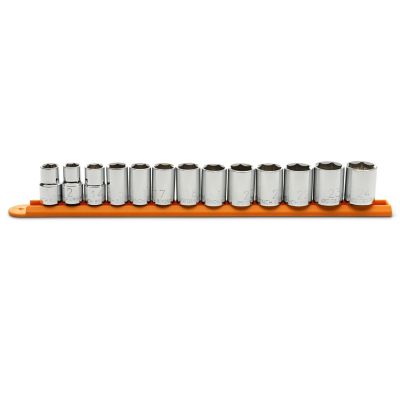
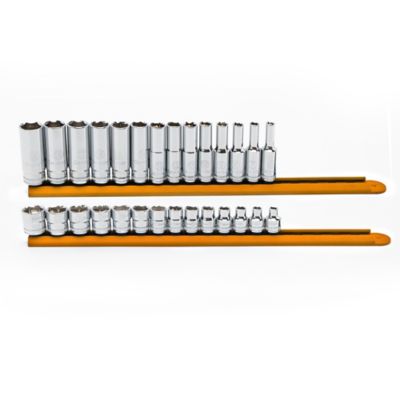
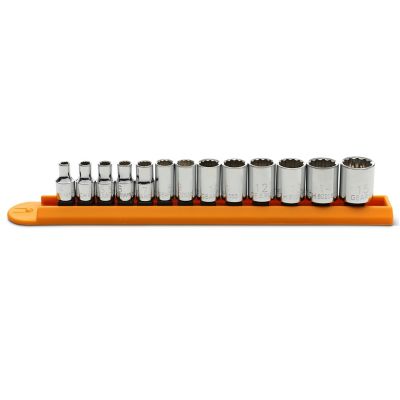
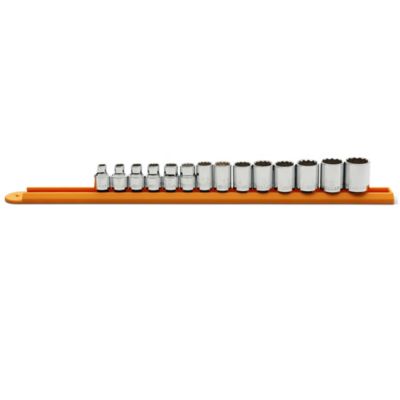
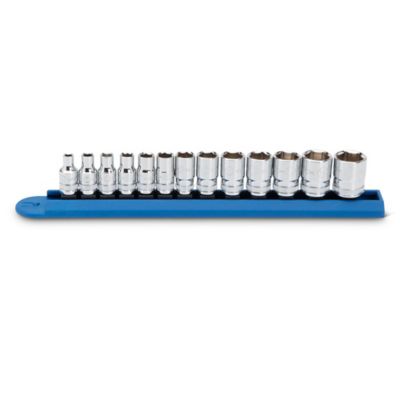
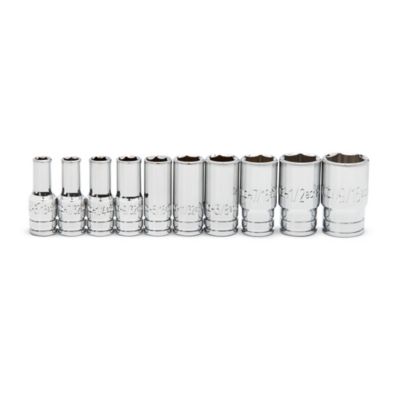
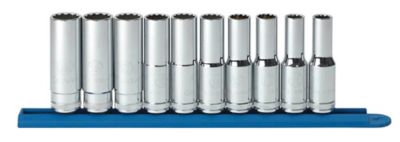
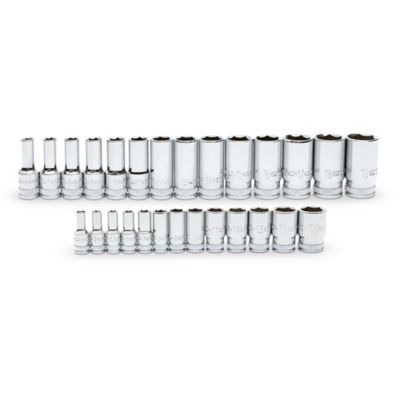
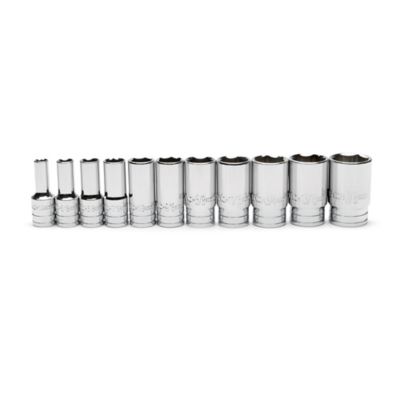
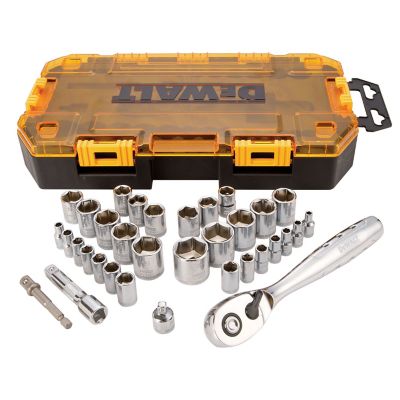
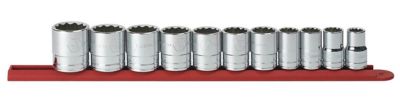
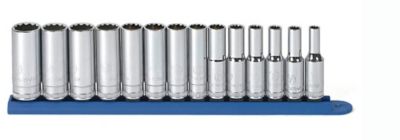
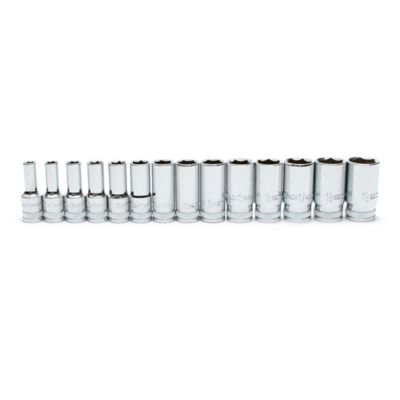
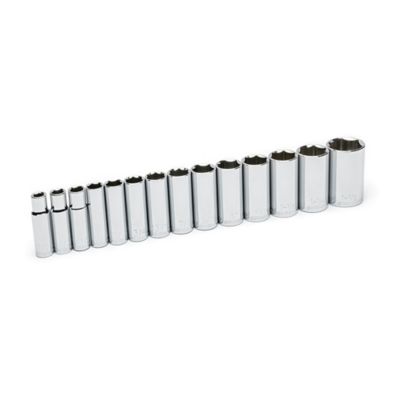
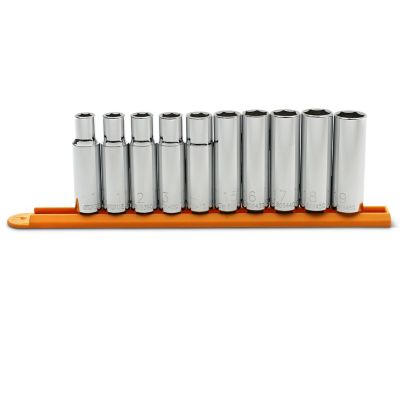
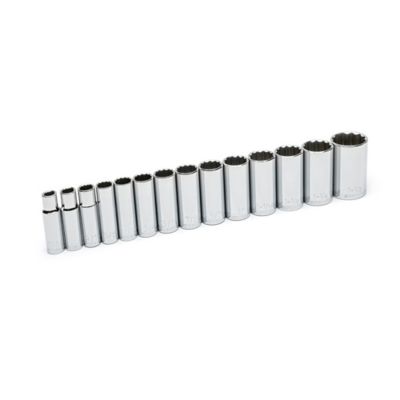
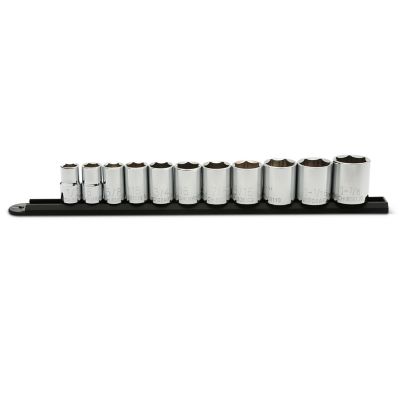
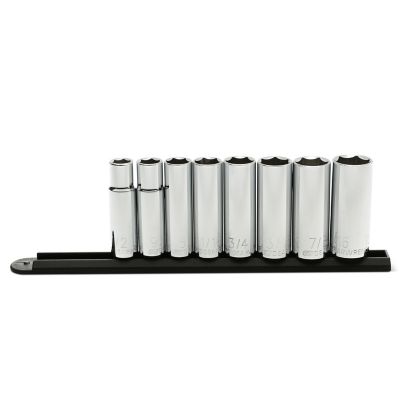
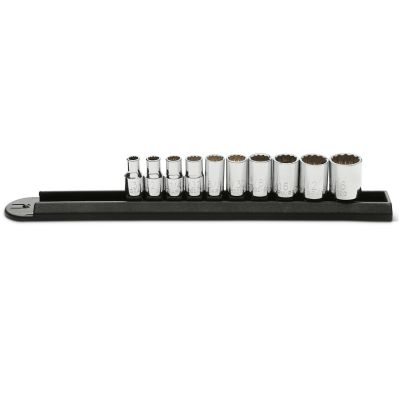
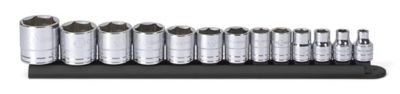
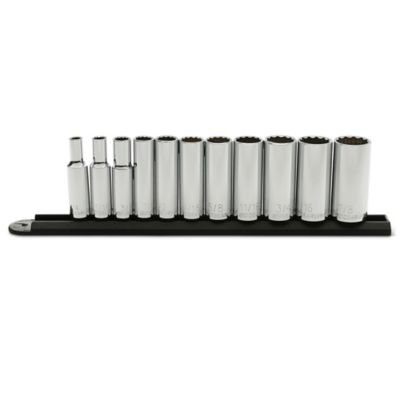
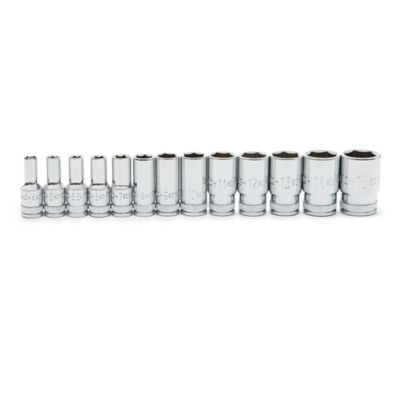
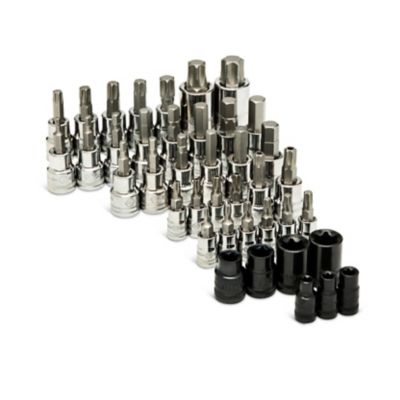
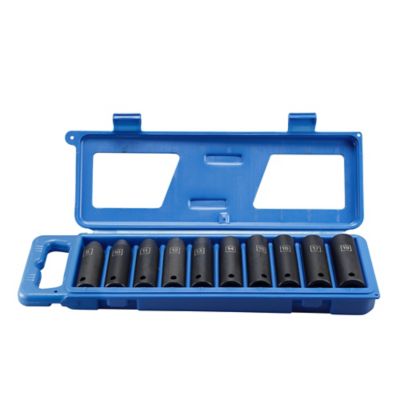
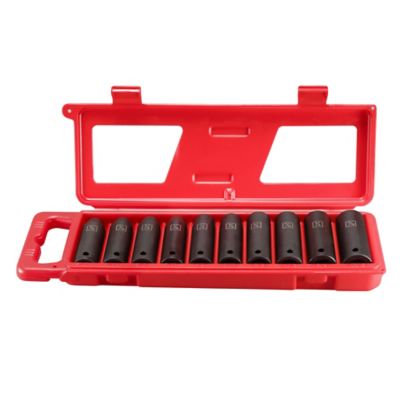
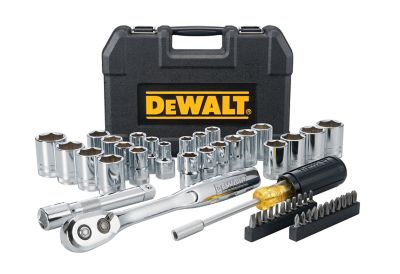
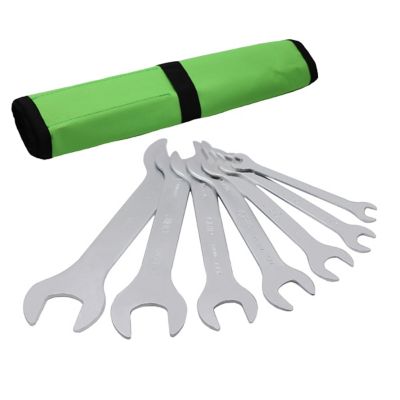
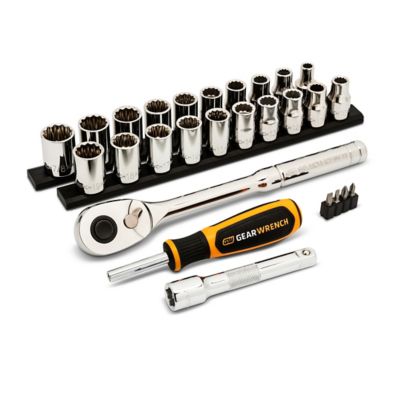
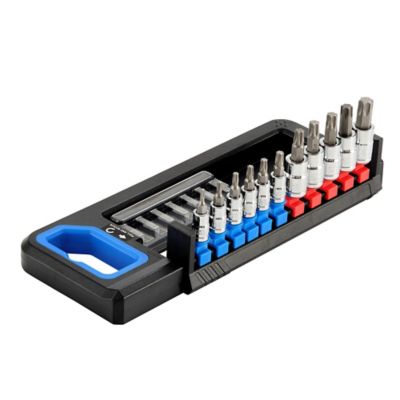
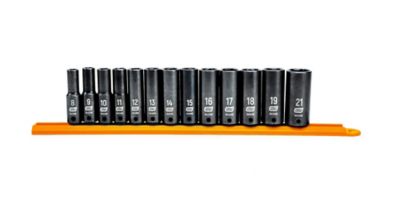
Standard and metric socket sets give you the flexibility to work on a wide range of equipment, vehicles, household fixtures, and farm projects without stopping to hunt for the right size. Standard sockets are measured in fractional inches, often called SAE, while metric sockets are sized in millimeters. Having both styles together is especially handy around a garage, barn, workshop, or utility trailer, since American-made equipment may use standard fasteners while imported cars, implements, motorcycles, small engines, and other machinery often use metric hardware. A combination set can also save space compared with keeping two separate cases, with sizes arranged where they are easy to find when a repair needs to get done before the weather changes. For projects that use mostly millimeter fasteners, you can also round out your toolbox with a dedicated selection of
Metric Socket Sets. When comparing sets, look at the included size range, the number of sockets, the drive sizes, and whether the case keeps each piece clearly marked. A set with common small and mid-range sizes is useful for lawn equipment, furniture, plumbing repairs, battery terminals, and vehicle maintenance, while a broader assortment can be a better fit for tractors, trailers, utility equipment, and serious shop work.
Drive size is one of the most important details to consider. A 1/4-inch drive is suited to smaller fasteners and lighter jobs where you need a compact ratchet that can reach into a cramped engine bay or around household hardware. The versatile 3/8-inch drive is a dependable all-around choice for many automotive, equipment, and home repairs, offering a useful balance of reach, control, and torque. A 1/2-inch drive is built for larger fasteners and higher-torque work, such as lug nuts, suspension components, hitch hardware, heavy equipment repairs, and stubborn bolts that have spent years exposed to dust, mud, and weather. Some sets include more than one drive size, along with adapters or extensions, which can make one case useful for everything from tightening a mower handle to servicing a truck. Pay attention to socket shape, too. Six-point sockets grip the flat sides of a fastener and are a sound choice when a bolt is tight, rusted, or likely to round. Twelve-point sockets offer more positions for lining up with a fastener, which is helpful in tight spaces where the ratchet can only move a short distance. Neither style replaces good technique: seat the socket fully, use the correct size, and avoid forcing a standard socket onto a metric fastener or the other way around. For jobs involving an impact wrench, choose sockets specifically rated for impact use rather than relying on ordinary chrome hand-tool sockets. Impact sockets are designed to handle the repeated shock and torque of powered tools, while standard chrome sockets are generally intended for hand-operated ratchets and breaker bars.
Durable construction matters when a socket set is going to live in the back of a service truck, ride along to the pasture, or see regular use in a busy home workshop. Chrome vanadium and other quality alloy steels are common choices because they can stand up to everyday tightening and loosening when used properly. A polished finish can make grime easier to wipe away, and clear size markings help when you are working in dim light or wearing gloves. Look for ratchets with a comfortable handle, a smooth reversing mechanism, and enough teeth to make useful progress in narrow spaces. Extensions can help reach recessed fasteners, while universal joints and adapters add flexibility for unusual angles, though they should be used thoughtfully and with the right amount of torque. Keeping sockets clean and dry, wiping away penetrating oil or road salt, and returning every piece to its marked slot helps prevent loss and corrosion. A socket set also makes a practical gift for a new homeowner, a student setting up a first toolbox, a weekend mechanic, or someone taking on a vehicle, trailer, or small-engine project. It is the sort of useful gift that may sit quietly on a shelf until a loose gate latch, squeaky mower deck, or roadside repair puts it to work. During the cooler months, when outdoor chores often move toward maintenance and shop projects, a well-organized set keeps routine repairs moving and helps turn a pile of loose tools into a capable setup for the work ahead.