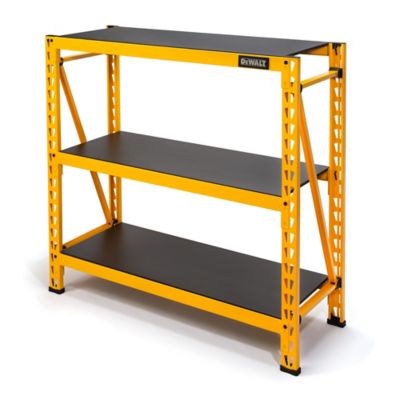
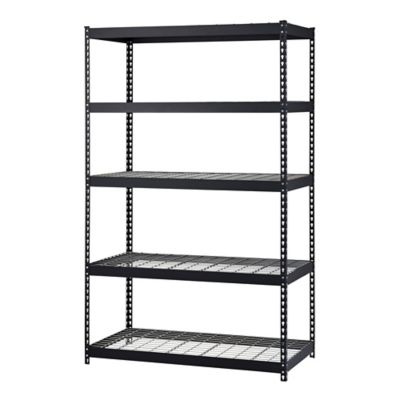
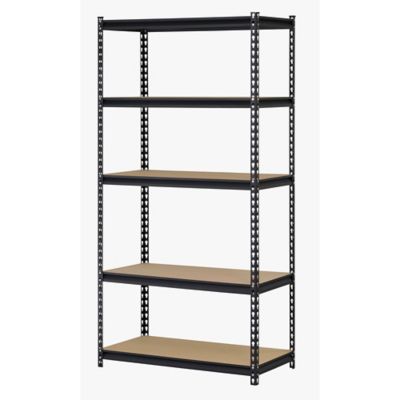
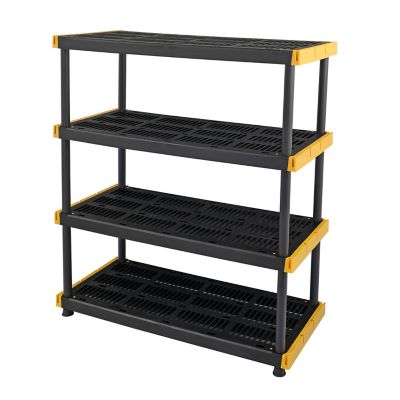
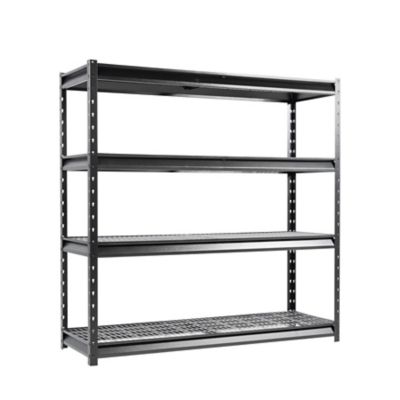
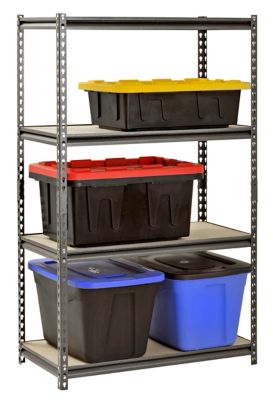
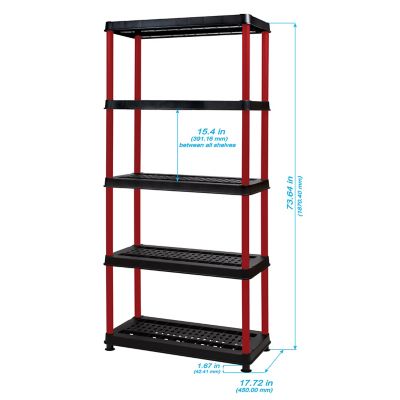
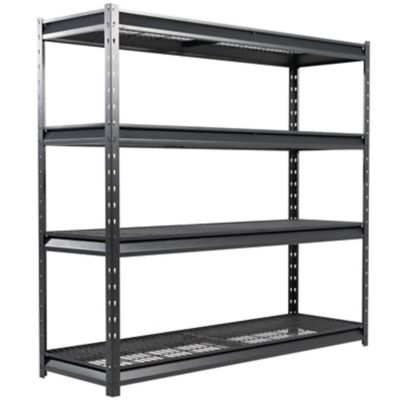
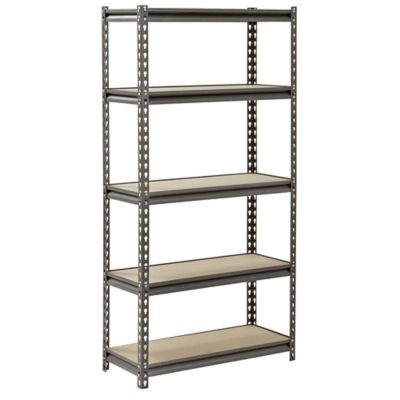
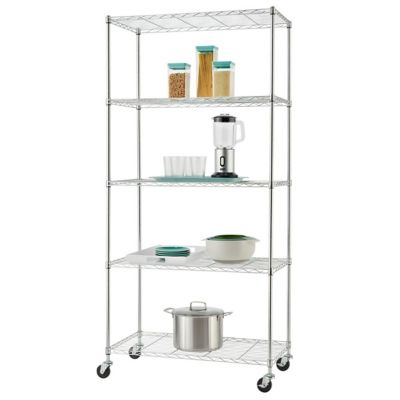
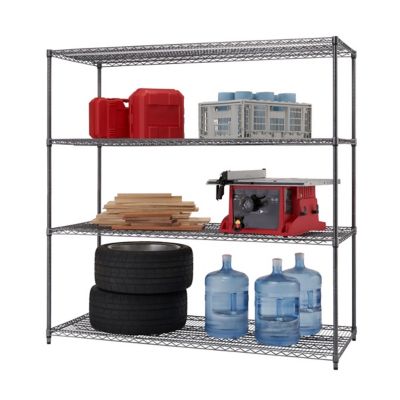
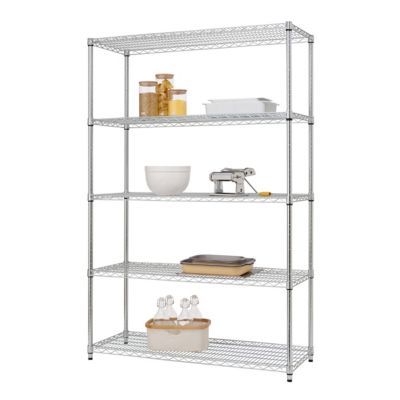
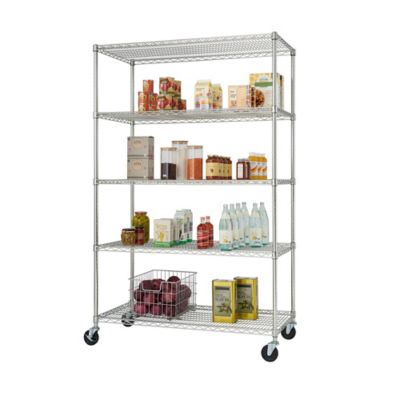
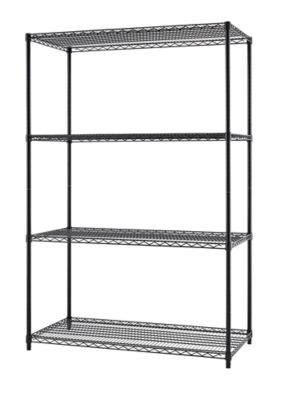
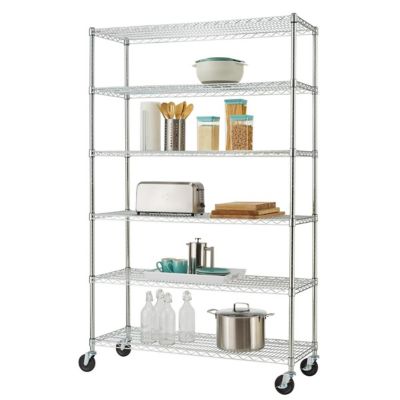
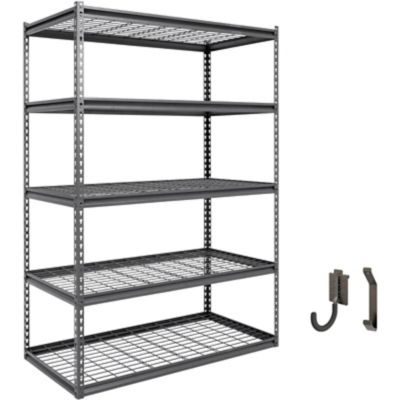
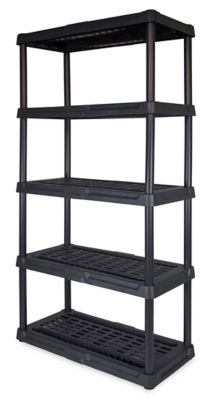
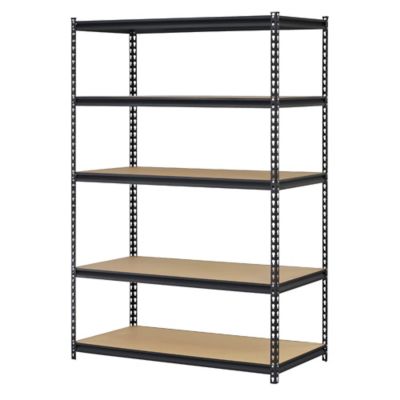
Heavy duty adjustable shelves give you a sturdy way to bring order to places where ordinary bookcases and lightweight storage racks tend to fall short. In a garage, they can hold full toolboxes, buckets of fasteners, power equipment, paint cans, automotive fluids, and seasonal gear without taking up the whole floor. In a workshop or barn, adjustable shelving makes room for everything from fencing supplies and small engine parts to feed containers, work gloves, and repair tools. They also fit right in at home, especially in a basement, pantry, laundry room, mudroom, or utility area where storage needs change from one season to the next. The main advantage is flexibility: shelf levels can usually be moved up or down in set increments, allowing you to make room for tall totes, short bins, five-gallon pails, or odd-shaped equipment instead of wasting valuable space above each item. When comparing options, start by measuring the area where the unit will stand, including doorways, overhead clearance, baseboards, and nearby work surfaces. Check the overall width, depth, and height, then compare those measurements with the actual size of the containers and equipment you plan to store. A shelf that fits neatly in an empty corner may be too deep for a narrow walkway, while a shallow unit may not provide enough support for bulky storage bins. It is also wise to look at the weight rating for each individual shelf rather than only the total capacity of the entire unit. Spread heavier loads across multiple levels, keep the heaviest items low, and avoid assuming that a published capacity applies to uneven, concentrated, or moving loads. For shop and farm use, leave enough room to reach handles, open lids, and pull bins forward without knocking nearby items loose.
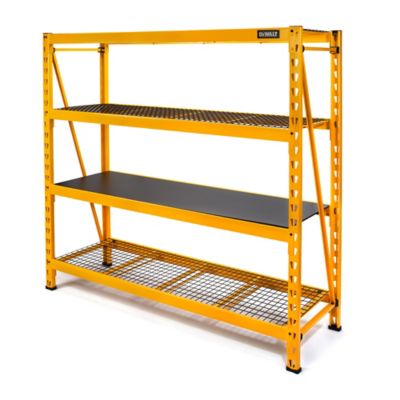
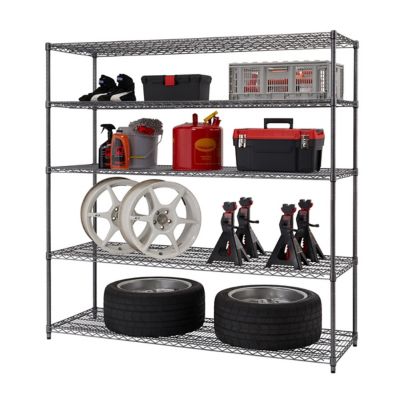
Material and shelf style make a noticeable difference in day-to-day use. Steel wire shelving is handy where airflow matters, such as garages, potting areas, laundry rooms, and storage spaces that may see damp boots or changing temperatures. The open design lets light pass through and can make it easier to spot a misplaced item, while allowing air to circulate around stored gear. You can explore
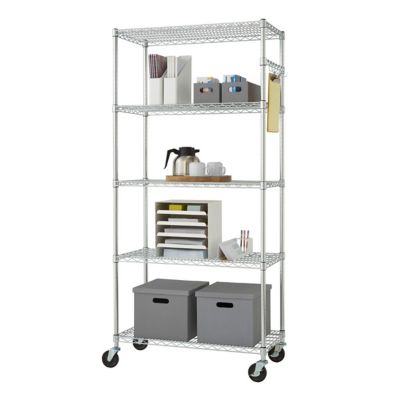
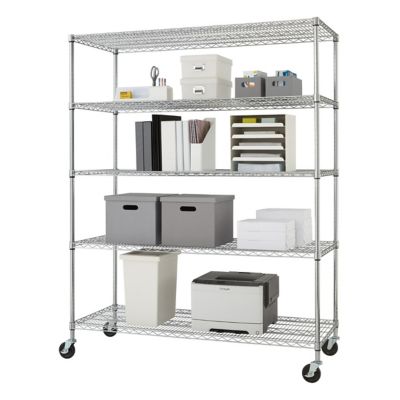
Heavy Duty Wire Shelving Units when an open, strong storage surface suits the job. Solid metal shelves provide a flatter base for loose parts, stacked containers, small appliances, and items that might wobble or slip through wire openings. Some units include shelf liners or accept a separate liner, which can be useful for keeping small hardware, animal care supplies, and pantry goods from tipping. Look for reinforced beams, thick uprights, secure connectors, and a finish designed to stand up to regular handling. Boltless, interlocking designs can make assembly quicker, though a rubber mallet may help seat connections firmly; other styles use bolts, clips, wall tracks, or brackets and may call for a wrench or drill. Follow the assembly instructions closely, make sure every connection is fully engaged, and set the unit on a level surface. If the shelving will hold especially heavy materials, stand in a busy work area, or be used where children or animals may be present, anchoring it to wall studs or another suitable support adds an important measure of stability. Casters can make a rack easier to move for cleaning or rearranging, but they also change how the load behaves, so lockable wheels and a level floor are worth considering. In a barn or outbuilding, protect stored goods from direct moisture, and use sealed containers for items that need extra protection from dust, pests, or humidity. Adjustable shelves are not a substitute for proper storage of flammable liquids, chemicals, ammunition, or other regulated materials, so keep those items in approved containers and follow all handling directions.
These shelves are a practical fit for homeowners, renters with a dedicated storage area, gardeners, mechanics, hobbyists, small-business owners, and anyone who is tired of digging through a crowded corner to find one needed item. A well-planned unit turns a jumble of boxes into visible, reachable storage: feed supplements on one level, grooming supplies on another, and spare leads, twine, or fencing tools where they can be grabbed on the way out to the pasture. In a garage, clear bins labeled by task can keep plumbing parts, electrical supplies, and lawn equipment accessories together. In a pantry, adjustable levels can accommodate tall jars, countertop appliances, and bulk goods without forcing every shelf to match the tallest item. During the warmer part of the year, shelving may help organize garden tools, seed-starting supplies, and outdoor entertaining gear; during the cooler months, it can make a sensible home for boots, blankets, firewood accessories, and winter maintenance supplies. A sturdy shelving unit can also be a thoughtful housewarming gift for someone settling into a new home, building a workshop, caring for animals, or setting up a homestead. Before choosing one, think through the heaviest items, how often they will be handled, whether open wire or solid surfaces work better, and whether the unit needs to stay in one place or roll out of the way. Keep a little extra room for future storage, since an empty shelf rarely stays empty for long. With the right dimensions, weight capacity, shelf spacing, and placement, heavy duty adjustable shelves help make everyday chores smoother and give tools, supplies, and household gear a dependable place to land.