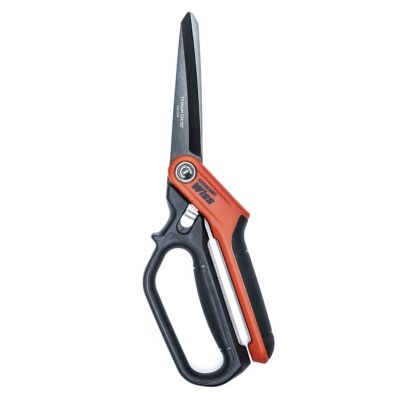
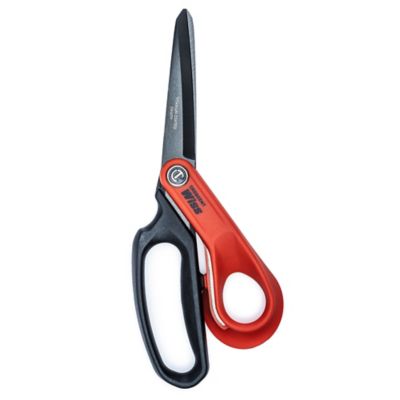
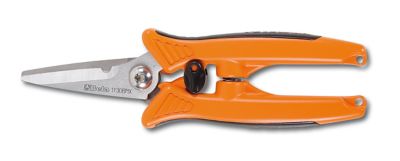
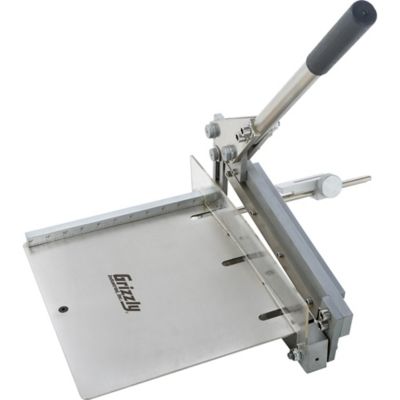
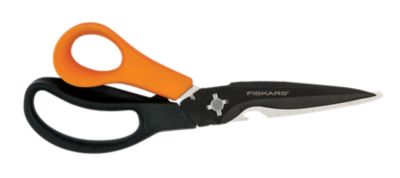
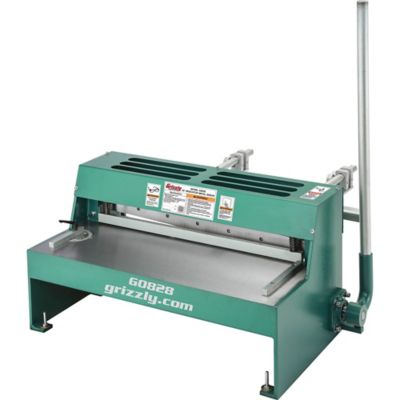
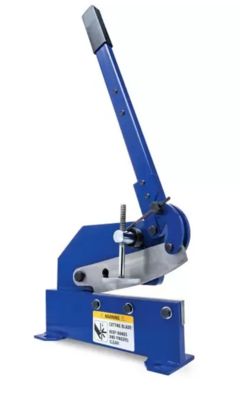
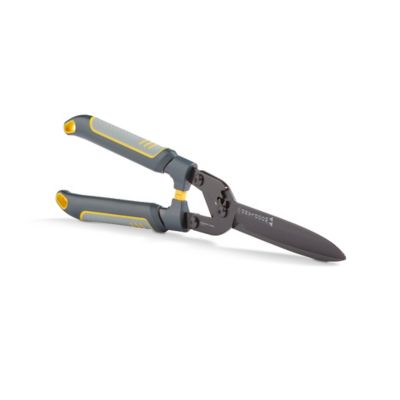
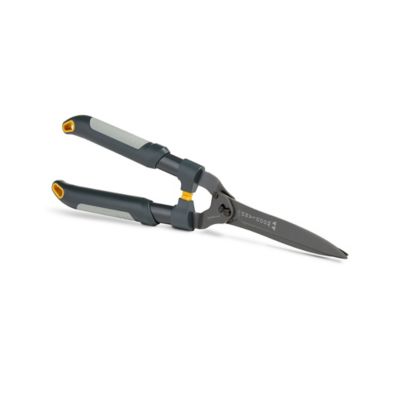
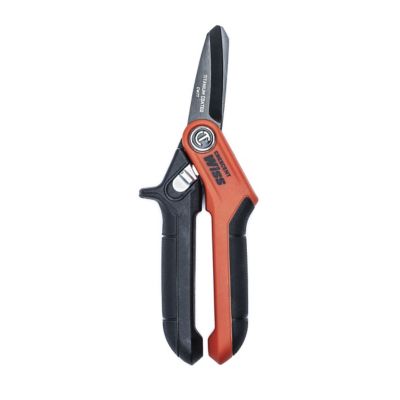
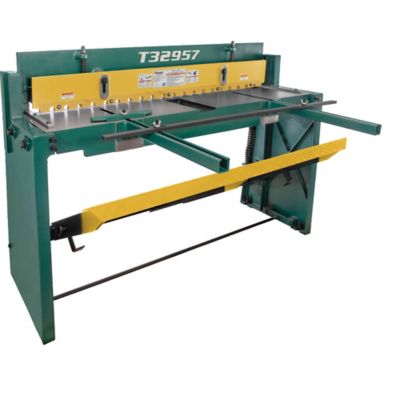
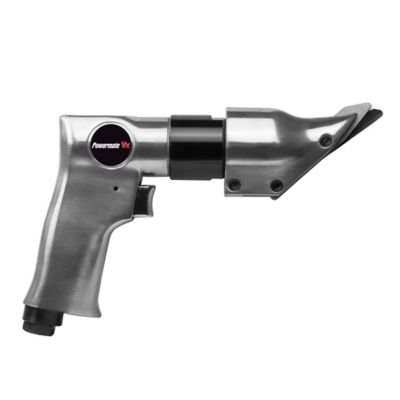
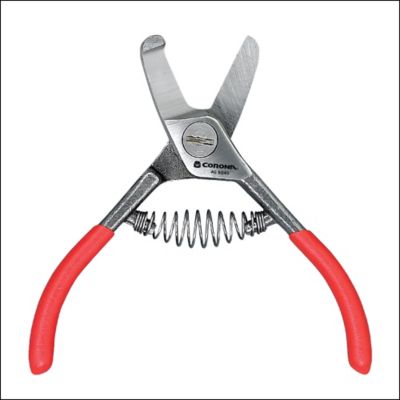
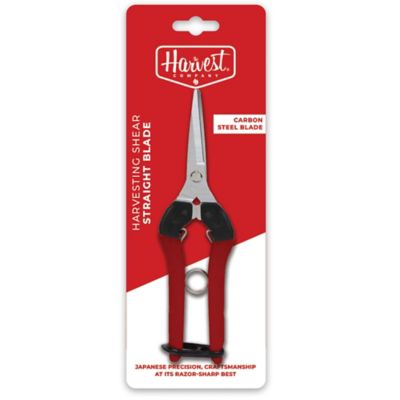
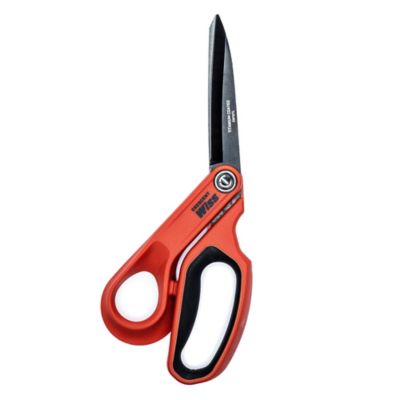
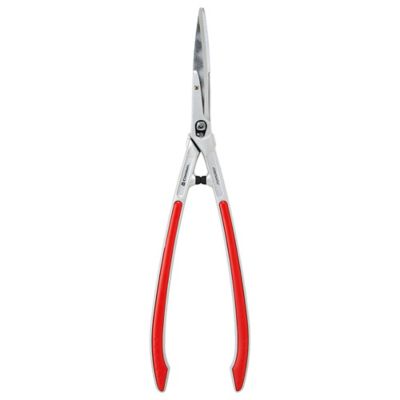
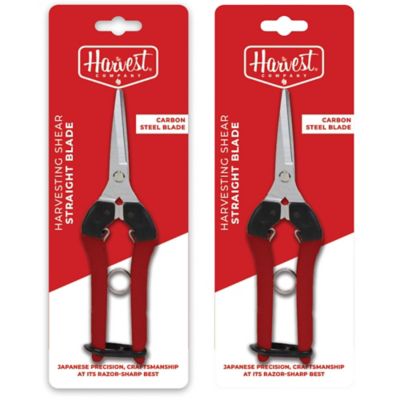
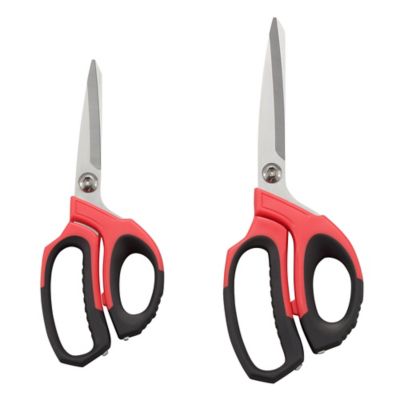
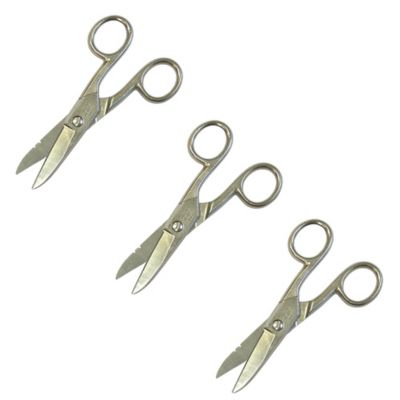
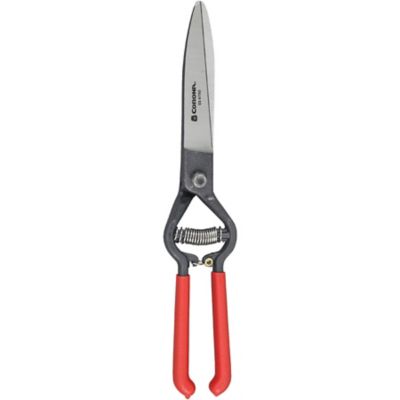
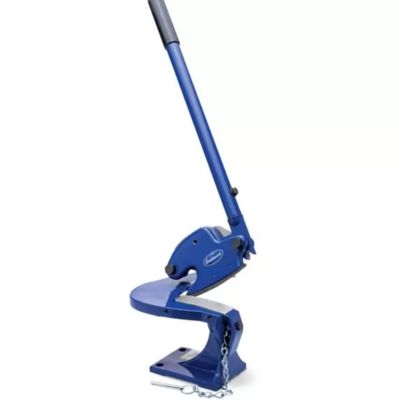
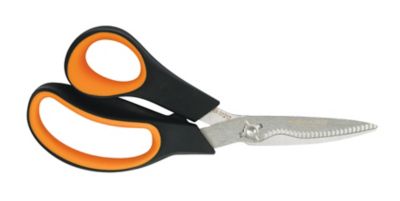
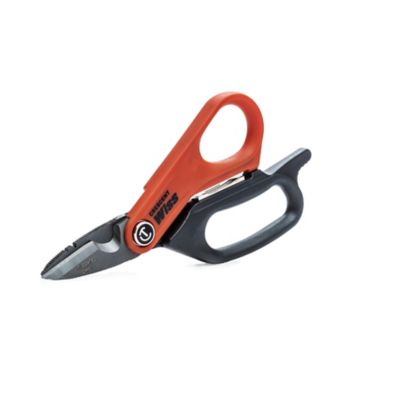
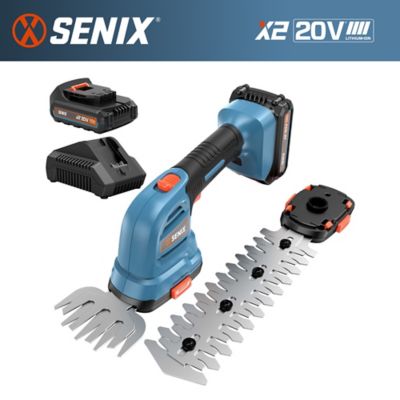
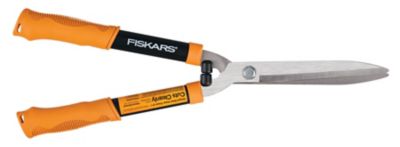
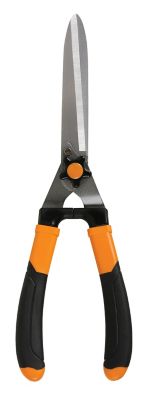
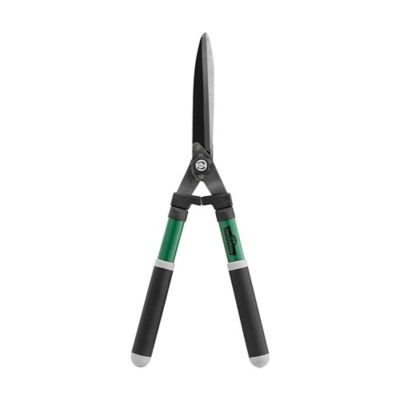
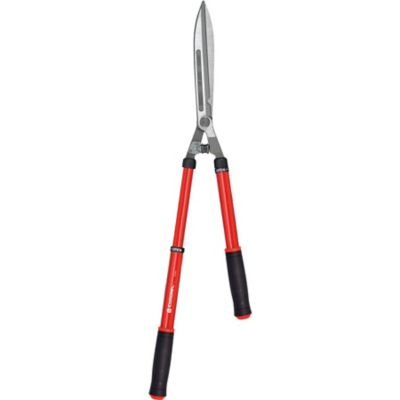
Heavy-duty shears are cutting tools built for tougher materials and more demanding work than ordinary household scissors. Depending on their design and rated capacity, they can handle materials such as heavy fabric, leather, rubber, plastic packaging, or thin sheet metal. That range covers plenty of jobs around a farm, garage, workshop, or home, from trimming canvas for a repair to cutting material for a bench project. The important distinction is that heavy-duty describes a broad category, not a promise that every pair will cut everything. Utility shears, metal-cutting snips, and powered shears have different blade shapes, cutting actions, and material limits. Industrial plate shears belong to another equipment class altogether, with the force and support needed for much heavier metal. For handheld tools, the best starting point is the material being cut and the thickness the manufacturer specifies. A rating for aluminum does not automatically apply to steel of the same thickness, and stacked layers of fabric can behave differently from a single sheet. Metal gauge ratings also depend on the material, so a capacity number needs that context to mean much. Straight blades suit long, open cuts, while shorter blades can offer better control around small shapes and tight corners. Some edges have fine serrations that help keep slick material from sliding forward; smooth edges can be a better match when a neat finish matters on fabric or similar flexible material. Around the shop, those differences show up quickly. Cutting a strip of thin rubber for a protective pad calls for a different tool than trimming a piece of metal flashing. Neither job benefits from forcing the wrong blade through the work. Heavy-duty shears earn their place by matching cutting strength with control, helping make manageable pieces out of materials that would bog down a lighter pair of scissors. A long blade can cover more distance with each stroke, but it also needs room to move, especially near seams, folds, or an already fastened edge.
Blade construction and handle fit have a lot to do with how shears feel after the first few cuts. Stainless steel offers corrosion resistance, while hardened carbon steel and other blade alloys can provide a strong cutting edge when matched to the task. The steel name alone does not tell the whole story: heat treatment, edge geometry, blade alignment, and the pivot all affect cutting performance. Blades that meet evenly are less likely to fold flexible material between them instead of slicing through it. A solid pivot helps maintain that contact, and an adjustable pivot can allow tension changes where the design permits them. On heavier cutting tools, compound-action linkages increase leverage, making demanding cuts more manageable without requiring an oversized grip. Spring-assisted handles reopen after a squeeze, which can ease repetitive work, though the handle spread still needs to fit the person holding them. A broad opening may feel fine for a few cuts but become tiring when the job stretches across an afternoon. Handle loops should leave room for the fingers without pinching, including room for work gloves when the task calls for them. Cushioned grips can improve comfort, but their shape and security matter as much as their softness. For left-handed shoppers, blade orientation deserves attention along with the handles; a comfortable grip does not necessarily make a right-handed cutting arrangement work well in the opposite hand. With metal snips, left-cut and right-cut labels generally describe the direction of the cut rather than the operator’s dominant hand. Offset handles can keep knuckles farther from the cut edge and help provide clearance over sheet material. Straight, left-curving, and right-curving cutting patterns each suit different layouts. These details matter when following a marked line around a patch or working close to a corner, where visibility and room for the hand can make the difference between a steady cut and an awkward struggle. Longer handles may add leverage, but they also take more space in a crowded toolbox or at a cramped workbench.
Good care helps heavy-duty shears stay ready for the next repair instead of becoming another tool that fights the job. Dirt, adhesive residue, and metal particles can interfere with blade contact, so clean blades and a clear pivot are worth keeping an eye on. Cleaning methods should suit the blade finish and handle materials, especially when sticky residue calls for more than a dry wipe. Dry storage helps limit corrosion, and a small amount of suitable lubricant at the pivot may keep the action moving freely when the manufacturer recommends it. Sharpening requirements vary: some smooth blades can be serviced, while serrated edges, coatings, and specialized cutting profiles may need a different approach or professional attention. Replaceable blades can extend a tool’s working life when that feature is part of its design. A blade cover or closed storage latch helps protect the edge and keeps exposed points from catching a hand reaching into a drawer. Shears also hold their edge better when their work stays within their intended purpose. A pair kept for fabric should not be expected to pull double duty on wire, and a metal-cutting tool is not a substitute for bolt cutters. Cut sheet metal can leave sharp edges and small offcuts, making eye protection, task-appropriate gloves, and a clear work surface sensible companions. For larger repair jobs, shears fit naturally into a kit of
Heavy Duty Tools alongside equipment for measuring, holding, and fastening the work. They can also make a practical gift for someone who spends time fixing gear, working with leather, or keeping a farm shop running, provided the cutting capacity and handle fit match that person’s work. The right pair does not have to tackle every material in the barn. It needs to suit the jobs that come up most often, feel steady in the hand, and keep making controlled cuts with routine care.