Heavy-duty pool covers help keep leaves, dirt and other debris out of a swimming pool when it is not in use, with designs intended for winter closing, debris control or safety protection. Those purposes are not interchangeable: a winter cover protects the pool from contamination, while a properly rated and installed safety cover also provides a barrier against accidental entry. The words “heavy duty” alone do not establish a safety rating or a load capacity. Materials, construction, attachment hardware and the manufacturer’s stated purpose tell more of the story. Pool winter covers often feature woven polyethylene with a protective coating, reinforced edges and grommets for securing the perimeter. Other covers feature mesh fabric or solid material supported by straps and anchors. Mesh allows rain and melting snow to pass through, reducing standing water on top, although fine particles and some sunlight can still reach the pool. Solid covers keep out finer debris and limit sunlight, which can help discourage algae growth when paired with proper pool treatment. They also need a way to manage water collecting on the surface, such as a compatible cover pump or a drainage feature built into the design. Neither material eliminates the need for pool maintenance. Leaf nets fill another role, catching larger debris above a pool cover so a load of oak leaves or pine needles can be lifted away more easily. A leaf net is not a replacement for a winter cover or a safety barrier. Around a backyard pool near trees, a pasture or a gravel drive, the biggest nuisance may be anything from windblown dust to seed pods and twigs. Matching the cover to those conditions helps narrow the choice. A pool beneath overhanging branches has different debris demands than one on an open patio, and a pool closed for an extended stretch needs a covering system suited to that longer period of protection.
Fit matters just as much as fabric strength. Heavy-duty pool covers for above-ground pools and in-ground pools generally attach in different ways, so pool type is a starting point rather than a minor detail. Above-ground winter covers commonly extend beyond the pool’s edge and secure with a cable, winch or another system specified for the pool. In-ground winter covers may rely on water tubes or other perimeter restraints, while safety covers attach to properly installed anchors around the pool. The pool’s shape, dimensions and surrounding surfaces all affect compatibility. Round, oval and rectangular measurements describe the swimming area, but the cover also needs the overlap or clearance required by its design. Listings may describe either the pool size a cover fits or the cover’s actual dimensions; those numbers are not always the same. A bigger cover is not automatically a better fit, especially when extra material can flap, bunch up or interfere with the attachment system. Steps, ladders, handrails, raised walls and other features can also change what fits correctly. A cover that works across a simple rectangle may not accommodate a projecting step section or an irregular edge. Reinforced seams, hems, straps and attachment points deserve attention because those areas carry tension and see repeated handling. For households with children, visiting grandchildren or pets, a cover specifically identified by its manufacturer as meeting the ASTM F1346 safety-cover standard is a different consideration from a cover intended only to catch debris. That protection depends on the complete system, proper installation and ongoing condition—not just a strong-looking sheet of material. Covers should never be treated as a walking surface, and no cover replaces fencing, secure gates or adult supervision. Pools beside busy gathering spaces also benefit from a clear plan for keeping people away from the covered water. Intended use, fit and attachment requirements belong together when comparing options.
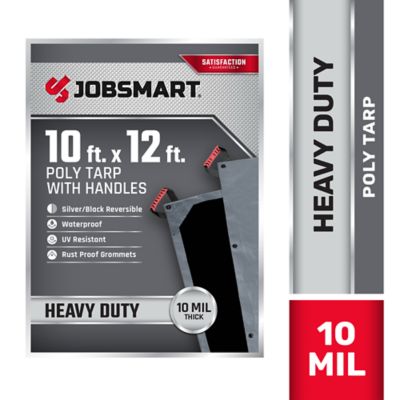
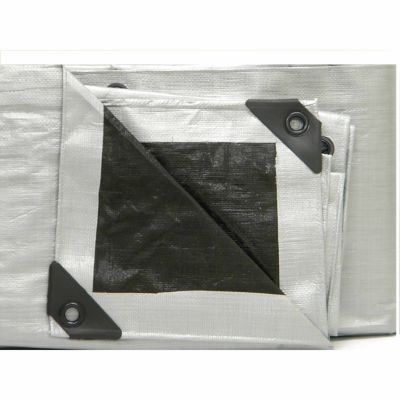
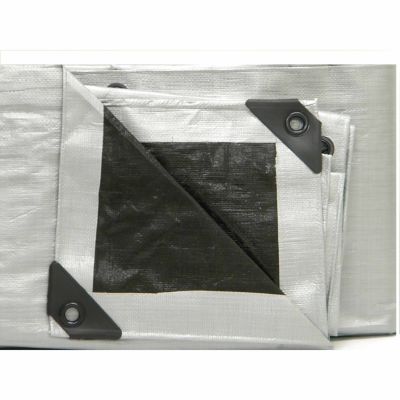
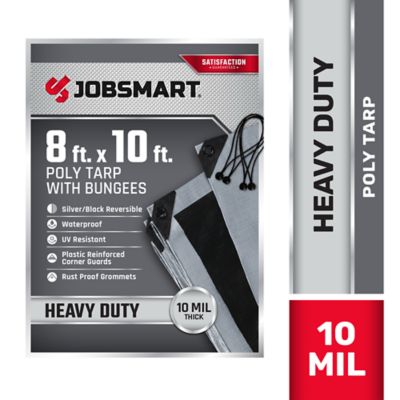
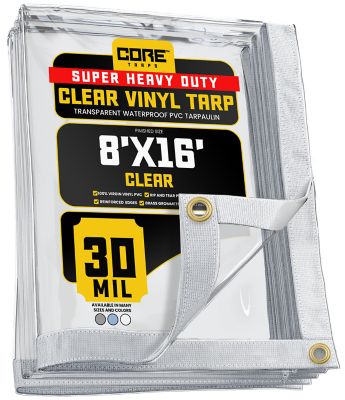
Service life depends on how a cover handles sunlight, moisture, tension and everyday wear. UV resistance can help slow deterioration from sun exposure, while reinforced edges and sound stitching help protect areas that receive repeated stress. Thickness alone does not tell the whole story; fabric construction, coating, hardware and fit all contribute to performance. A heavier solid cover may take more effort to move and fold, while mesh may drain more readily but leave more fine sediment to address in the pool. The practical choice is one that suits both the pool and the person handling it, whether that is a homeowner closing the backyard pool or someone maintaining a shared family property. Care between installations matters, too. Leaves and branches left on top can make removal harder, and trapped grit can rub against the fabric when the cover shifts. Solid covers need regular attention to accumulated water, following the manufacturer’s directions for drainage equipment and allowable water or snow buildup. Improvised weights, sharp objects and unsuitable fastening methods can damage the cover or pool structure. General-purpose coverings such as
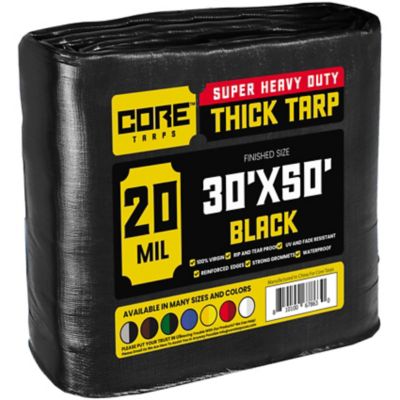
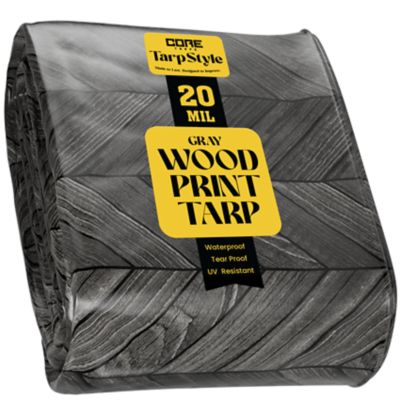
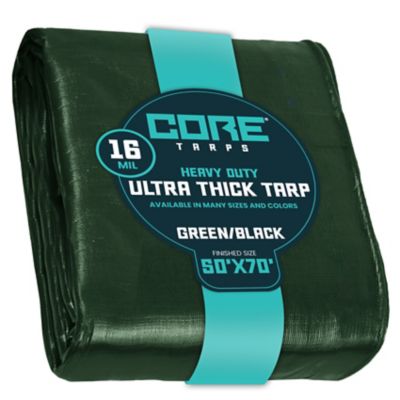
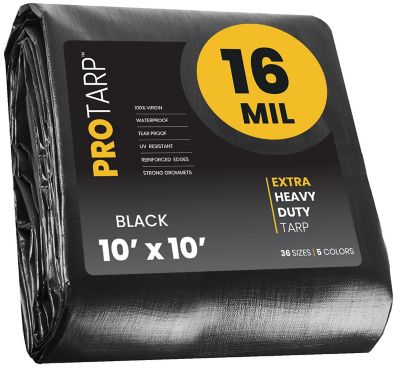
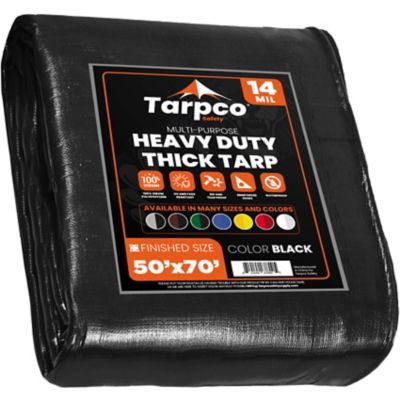
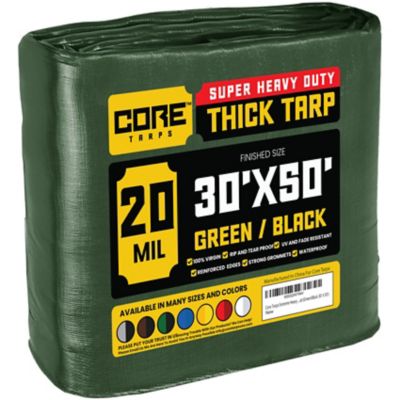
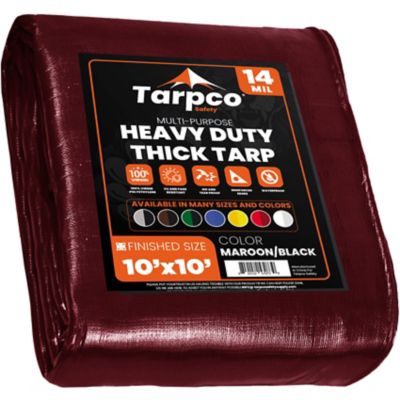
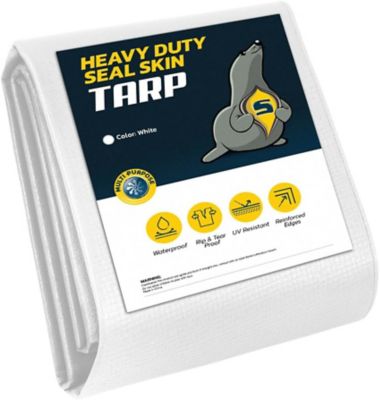
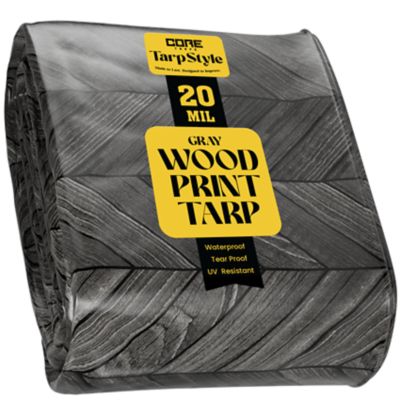
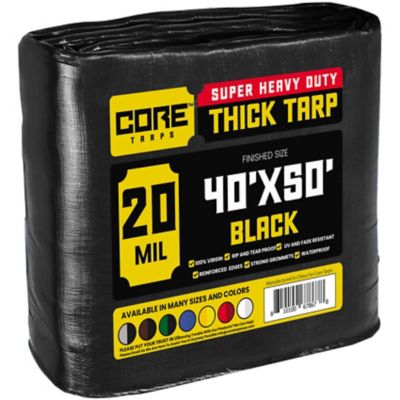
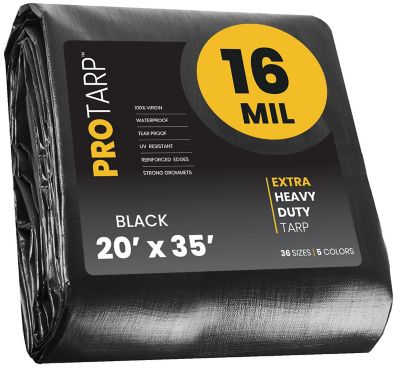
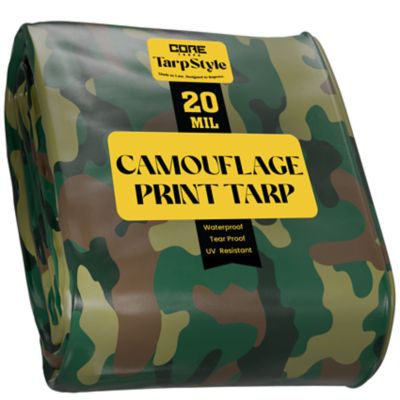
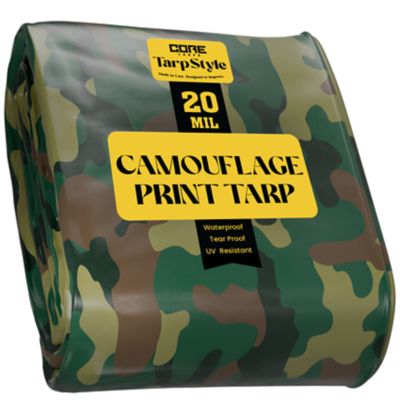
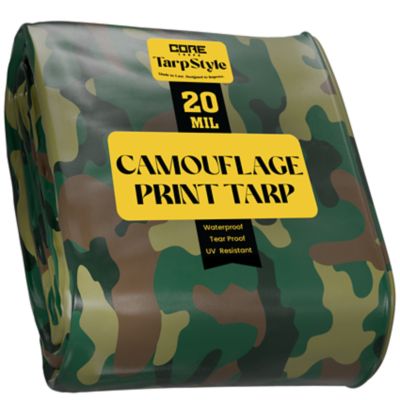
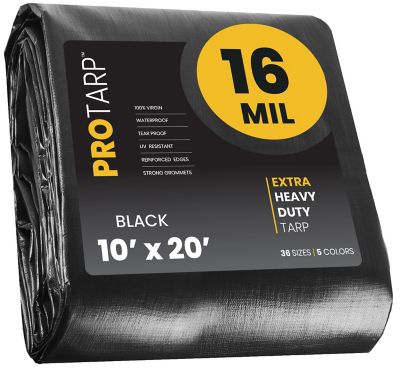
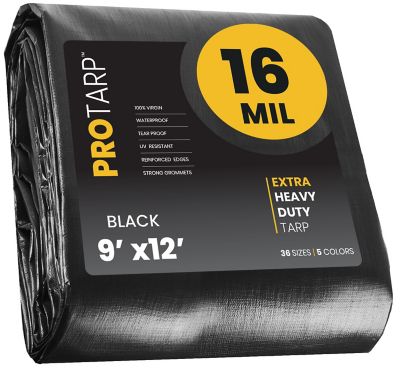
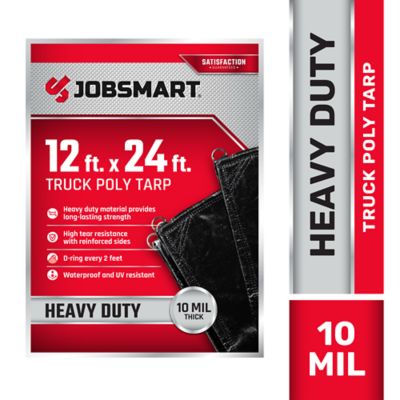
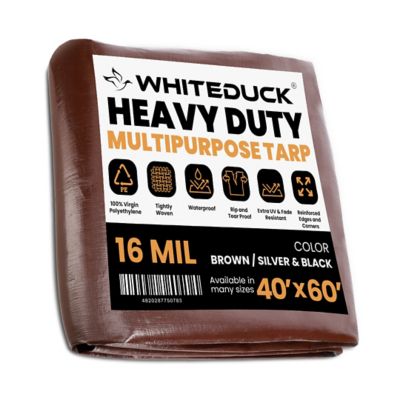
Heavy Duty Poly Tarps serve other covering jobs around the property and should not be treated as pool safety covers. Pool-specific construction and attachment requirements remain important even when two materials look similar. Cleaning methods should suit the cover material, with harsh chemicals and abrasive scrubbing avoided unless the manufacturer permits them. A clean, fully dry cover stored away from rodents and sharp tools is less likely to develop preventable damage before its next installation. Frayed straps, torn fabric, loose seams, damaged grommets or weakened anchors call for attention before the cover goes back over the water. With the right fit and sensible upkeep, a heavy-duty pool cover can make debris cleanup more manageable and help protect the pool through periods when swimming is off the schedule, leaving fewer leaves, twigs and surprises to deal with when it opens again.