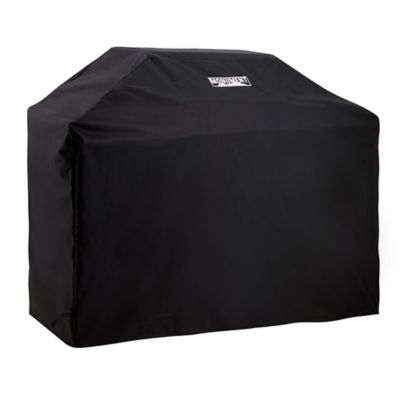
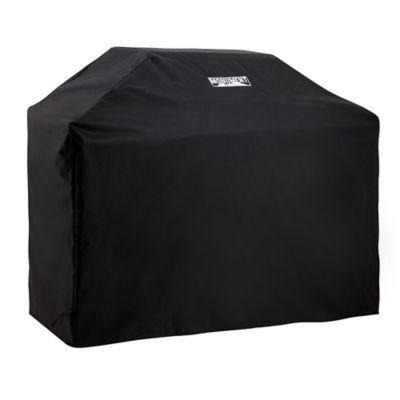
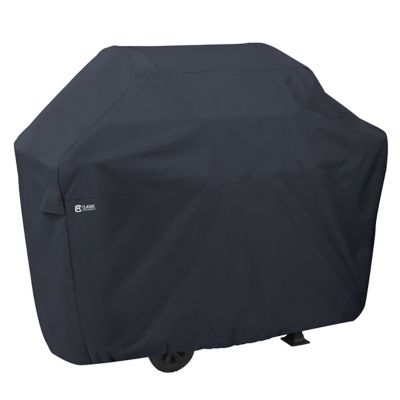
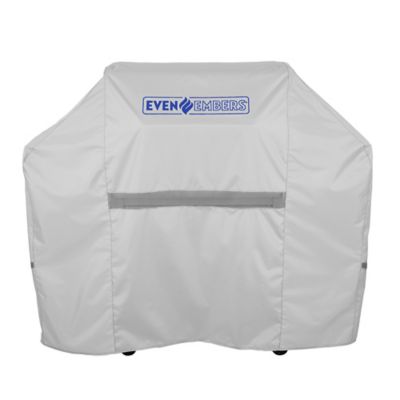
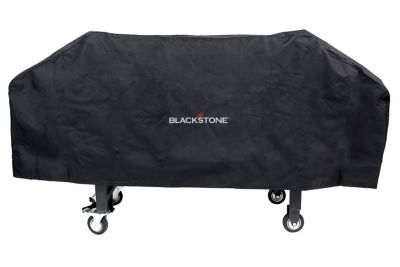
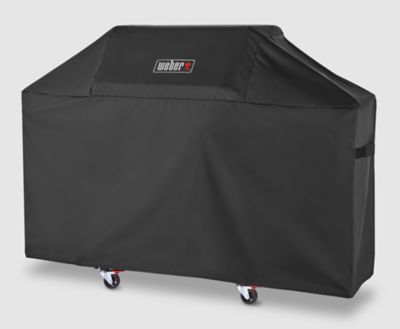
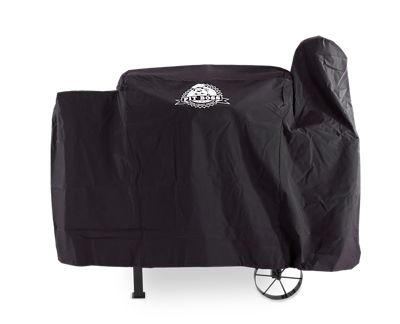
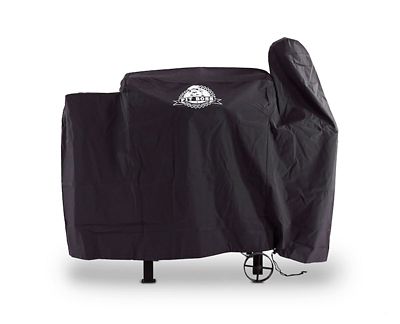
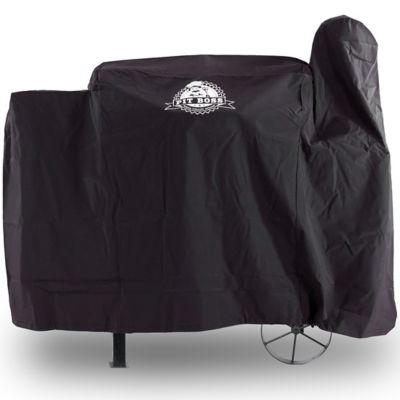
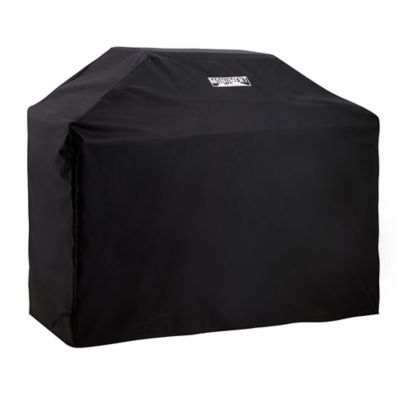
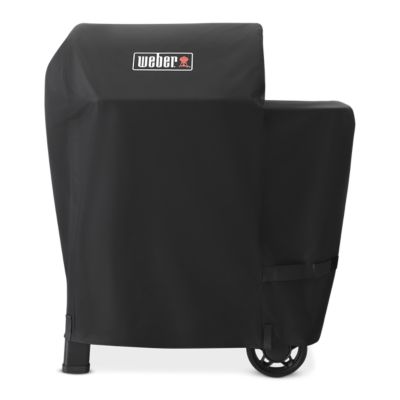
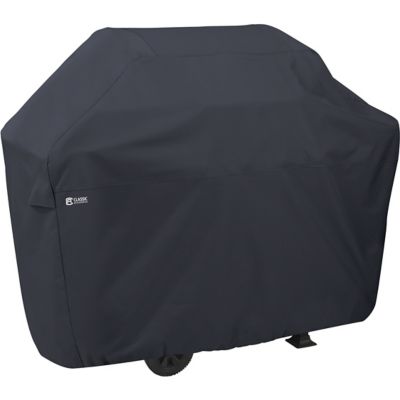
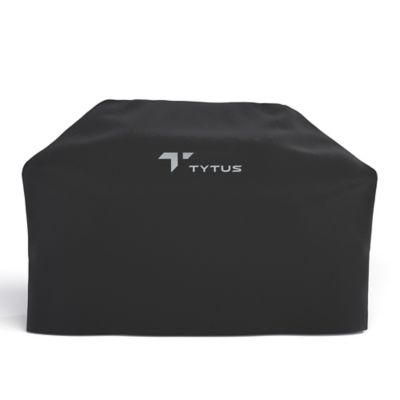
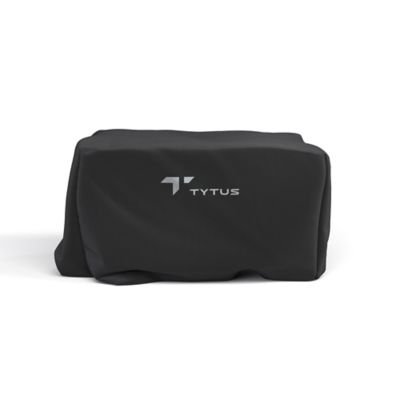
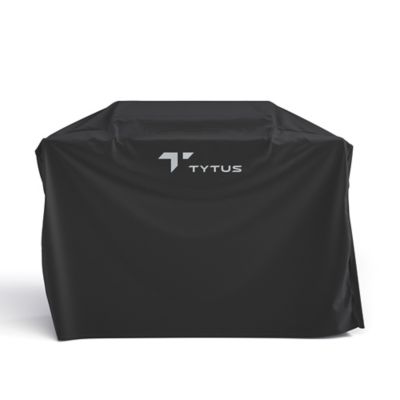
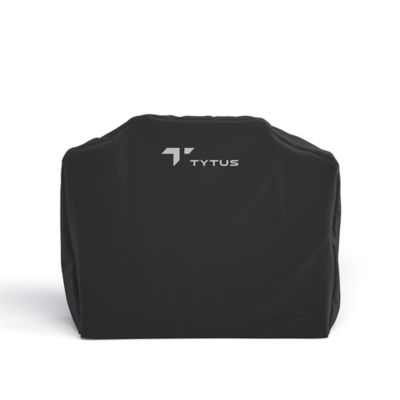
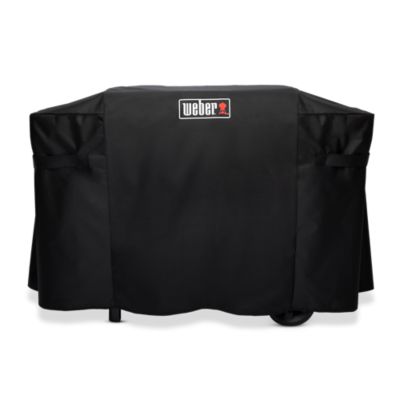
Heavy-duty grill covers help shield outdoor cooking equipment from rain, snow, sunlight, blowing dust, and the everyday mess that comes with a spot in the yard. A grill parked beside the barn, under an open-sided shelter, or on the back patio faces different exposure, but each location benefits from a cover that fits well and stays put. These covers provide a protective layer over the cooking chamber, lid, shelves, and controls, helping limit direct contact with moisture and debris between cookouts. They can also keep bird droppings, tree sap, and grass clippings off surfaces that would otherwise need extra cleaning before supper goes on. Heavy-duty construction generally means a substantial outer fabric paired with reinforced stress points, sturdy stitching, and a fastening system suited to outdoor exposure. Woven polyester, including Oxford-weave fabrics, is common because it balances strength with manageable weight. Some covers feature 600-denier polyester; that number describes the thickness of the individual fibers, not a complete measure of how well the finished cover performs. Fabric weave, backing, seams, and sunlight resistance matter, too. Coated polyester and vinyl-backed fabrics can resist water penetration, while tightly woven outer layers help stand up to repeated handling. A heavier cover is not automatically the better match if it is stiff enough to make getting around shelves and handles a struggle. For a grill that gets fired up several evenings a week, flexibility and well-placed lifting handles can matter just as much as fabric weight. For equipment that sits between larger gatherings, coverage, fastening points, and ventilation deserve extra attention. A cover helps reduce exposure that can contribute to corrosion, but it does not make a grill rustproof or replace the care required for its metal surfaces. The most practical protection comes from a cover whose fabric, shape, and everyday handling suit both the grill and the place where it sits.
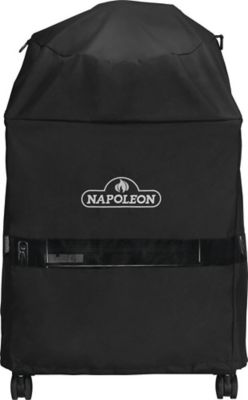
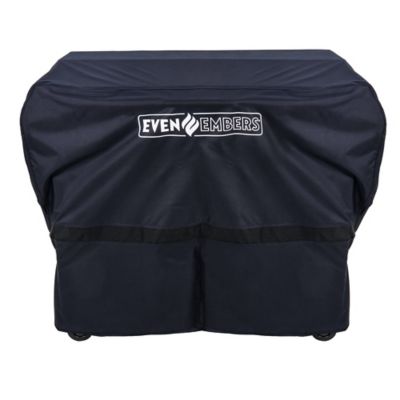
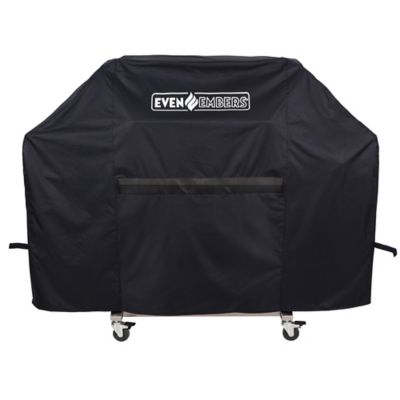
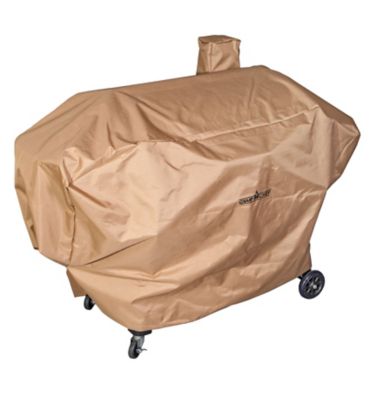
Fit is a big part of what makes a heavy-duty barbecue cover work well. Gas grills with broad side shelves need a different shape than round charcoal grills, while pellet grills may need room for a hopper, chimney, and projecting handles. Flat-top cooking equipment can have its own lid and shelf arrangement, so the overall outline matters beyond the width alone. Cover sizing generally depends on the grill’s widest, deepest, and tallest points in its normal storage setup. That includes fixed shelves and any attachments meant to remain on the grill beneath the cover. Manufacturer sizing directions matter because some listings describe the cover’s dimensions, while others describe the equipment dimensions it is intended to fit. A little clearance makes the cover easier to slide over corners without pulling hard against seams, but excessive slack can flap against the grill and catch wind. A cover stretched tightly over a shelf edge is more likely to wear at that contact point. Lower coverage should protect the cabinet or frame without leaving fabric piled on the ground, where it can collect water, mud, and grit. Adjustable hem cords, buckles, and hook-and-loop straps help bring the lower edge closer to the grill’s shape. Leg straps or other designated attachment points can help hold the cover in place, though no fastening system guarantees protection in severe wind. Covered air vents allow some circulation beneath the fabric and can help reduce trapped moisture and billowing. Their placement matters: an opening shielded by an overlapping flap allows airflow while limiting direct entry of rain. Side handles offer a useful grip when lifting a broad cover off a cart-style grill, especially when the fabric is damp or dusty. Reinforced corners and securely attached straps are worth attention because these areas take repeated strain. Together, sensible sizing and thoughtful construction make covering the grill a straightforward part of cleanup rather than a wrestling match at the end of the evening.
Water protection deserves a closer look because water-resistant and waterproof descriptions do not always mean the same thing. Water-resistant fabric helps shed moisture, while a waterproof coating or backing is intended to block water from passing through the material. Finished performance still depends on seams, openings, wear, and whether water can pool in low spots. Sealed or taped seams help limit leakage through needle holes, and a cover that follows the grill’s shape without deep folds gives water fewer places to collect. For a closer look at covers centered on outdoor exposure,
Weather Resistant Grill Covers offer another way to compare protection suited to an uncovered patio or an open cooking area. Sunlight resistance is another useful consideration, since repeated UV exposure can weaken some fabrics and coatings over time. That protection helps the cover hold up, but it does not mean fading or wear can never happen. Simple care supports longer service: loose dirt can usually be brushed away, and many covers can be wiped with mild soap and water when the care label permits it. Harsh cleaners, abrasive scrubbing, and machine washing can damage certain coatings or backings, so cleaning directions should take priority. Letting the cover dry fully before folding it away helps keep moisture from lingering in the fabric. The grill itself also needs to be cool, clean, and dry before covering; a grill cover is not a heat shield and should never go over equipment that is still hot or holding live coals. Grease caught on the underside can soil the material, and damp equipment can trap moisture even beneath a well-built cover. Occasional checks around seams, shelf corners, and fasteners can reveal wear before a small split spreads. For backyard cooks, folks cooking after chores, and families who gather around the grill on weekends, a manageable cover helps keep equipment ready for its next round of burgers or chicken. It can also make a practical gift for someone setting up an outdoor cooking space, provided the grill’s measurements and shape are known. The right match earns its place through steady protection and easy handling, without adding much work to the day.