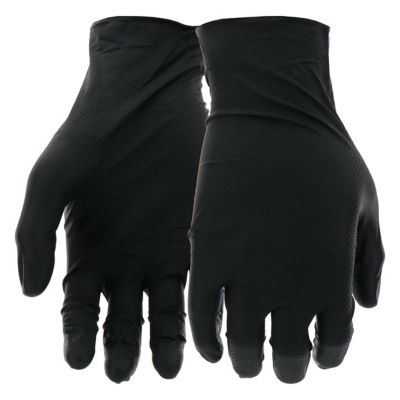
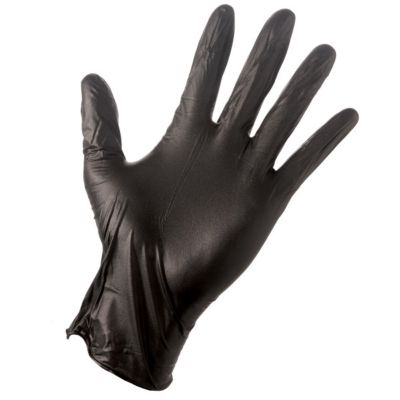
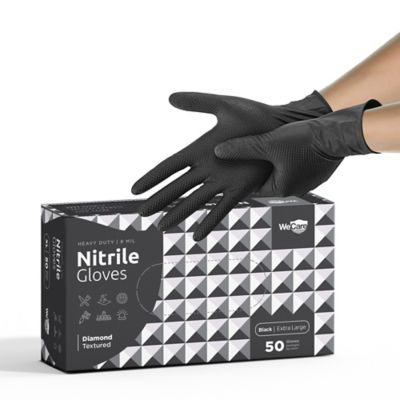
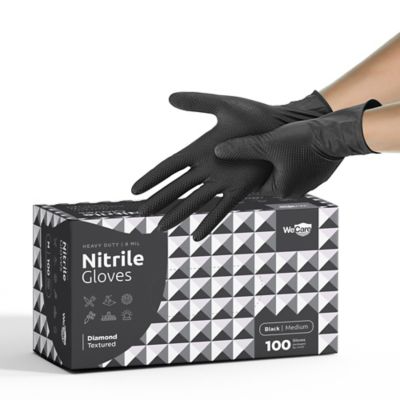
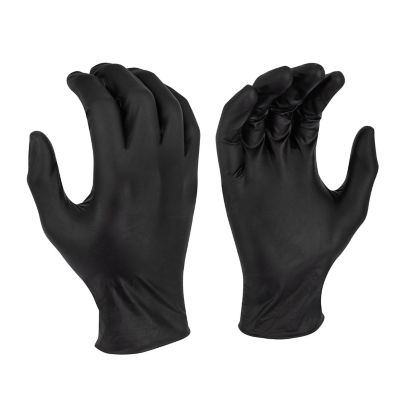
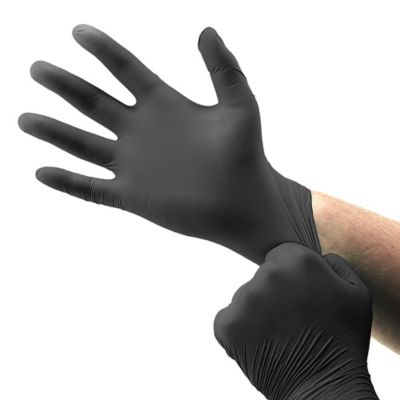
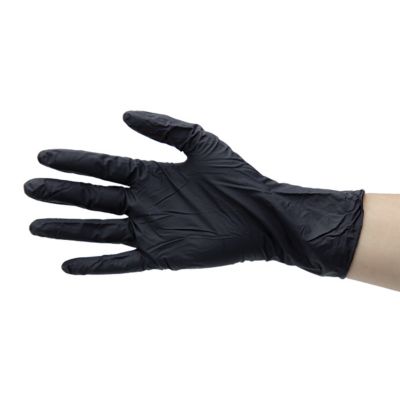
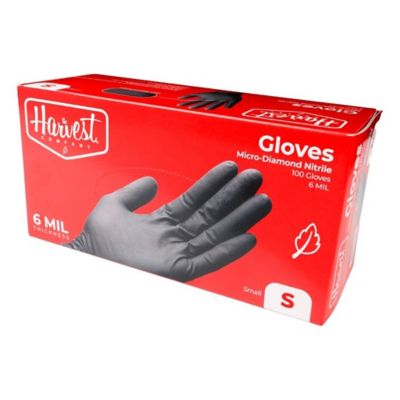
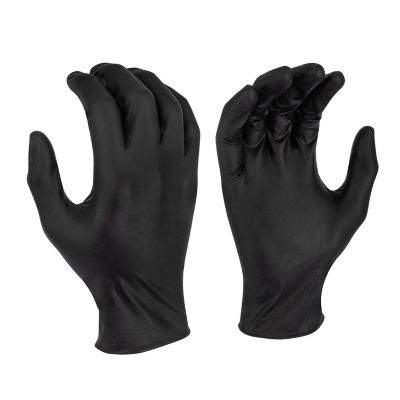
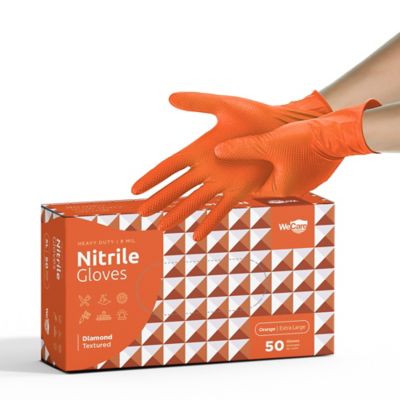
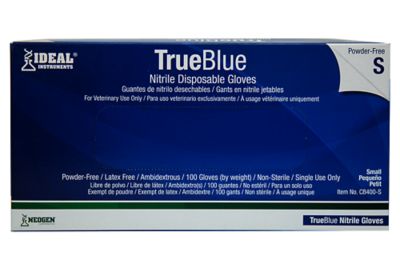
Heavy Duty Black Nitrile Gloves are a practical choice for messy jobs around the farm, garage, workshop, jobsite, and home. Made from synthetic nitrile rubber, these disposable gloves are built to offer more protection than thin everyday exam gloves, with many heavy-duty options measuring about 6 to 8 mils thick. That added thickness can help resist punctures, tears, grease, oil, paint, cleaning solutions, and other common shop messes while still giving you the finger control needed to handle small parts, fasteners, tools, and equipment. Black nitrile also helps hide stains from motor oil, soil, grease, and dark fluids, keeping a pair looking cleaner during a long task. Many styles are latex-free and powder-free, which can be a helpful consideration for workers with latex sensitivities or anyone who prefers a cleaner glove interior. A textured or micro-textured palm and fingertips can improve grip when you are handling wet parts, oily tools, slick bottles, or damp materials. Look for a rolled or beaded cuff that is easy to pull on and helps keep the glove from rolling down your wrist. For general repair work, a 6-mil glove may offer a useful balance of flexibility and protection, while an 8-mil or similarly extra-thick glove may be better suited to rougher work, longer wear, or tasks where puncture and tear resistance matter more. Keep in mind that disposable nitrile gloves are meant to protect your hands from many everyday contaminants and keep your hands cleaner; they are not a substitute for chemical-resistant gloves specifically rated for a particular solvent, pesticide, fuel, or industrial chemical. Always check the glove’s labeling and the product directions before using it with harsh substances, and replace the glove if it becomes damaged, stretched, or contaminated.
These gloves fit right in wherever hands tend to get dirty. Mechanics and equipment owners can use them while changing oil, servicing engines, greasing fittings, replacing filters, working on brakes, or cleaning up after a repair. They can make a difference when a quick adjustment turns into an afternoon under a truck, with black grease working into every crease around your fingernails. Plumbers, maintenance workers, and handy homeowners may reach for them when working around drains, pipes, sealants, fittings, and repair compounds. They are also useful for painting and staining, pressure washing, deep cleaning, handling trash, touching up fences, and completing renovation work where splashes and residue are part of the job. Around the farm or homestead, keep a box near the barn, tool bench, tack room, or feed storage area for jobs such as repairing gates, handling oily equipment, cleaning animal areas, treating minor messes, or checking machinery during the cooler months. Gardeners and outdoor workers can use them for potting soil, applying some labeled lawn and garden products, cleaning hand tools, and dealing with wet, muddy tasks, provided the glove is appropriate for the material being handled. Nitrile gloves can also be handy for hunters, anglers, campers, and anyone cleaning fish, processing game, handling bait, or managing messy outdoor chores. For household work, they help keep hands protected while scrubbing ovens, cleaning gutters, staining furniture, washing automotive parts, or preparing for a move. Choose a glove size that fits closely without pinching. A glove that is too loose can bunch at the fingertips and make it harder to grip a screw or small part, while one that is too tight can fatigue your hands and split when you stretch for a tool. If you work with tools for several hours, flexibility and breathability may matter nearly as much as thickness. If the job involves sharp edges, rough metal, or abrasive materials, consider whether a disposable glove alone provides enough protection, since nitrile gloves are not cut-resistant unless specifically labeled and tested for that purpose.
When comparing Heavy Duty Black Nitrile Gloves, start with the work you do most often, then consider thickness, sizing, grip pattern, cuff style, and the number of gloves in the box. A larger count can be convenient for busy shops, crews, classrooms, maintenance departments, and households where several people share a work area. Smaller quantities may make sense for occasional repairs or for keeping an emergency box in a vehicle, tool chest, camper, or utility room. Check whether the gloves are ambidextrous, which allows either glove to be used on either hand and makes replacements simple when only one glove is damaged. A fully textured surface can provide a steadier hold on oily or wet items, while a lighter texture may feel more natural for detailed work. Dark gloves are especially useful for automotive and mechanical tasks because they do not show every mark as quickly, though you should still inspect them for rips and contamination before continuing. Store unused gloves in a cool, dry place away from direct sunlight, excessive heat, and sharp objects, and pull them on over clean, dry hands when possible. It is also smart to keep a few pairs in separate locations so a flat tire, leaking hose, or muddy repair does not leave you searching through the house for hand protection. A box of quality nitrile gloves makes a useful practical gift for a new homeowner, weekend mechanic, farmer, gardener, painter, or DIYer—especially when tucked into a tool bag or work basket with other everyday supplies. For people who prefer a lighter-duty option for food-safe cleanup, household chores, or quick projects, explore
Powder Free Nitrile Gloves and compare the protection level to the job at hand. Whether you are servicing equipment as the weather warms, tackling outdoor maintenance, or preparing the shop for a busy stretch of cooler-weather repairs, keeping the right size and thickness close by helps you get through dirty work with a better grip and cleaner hands.