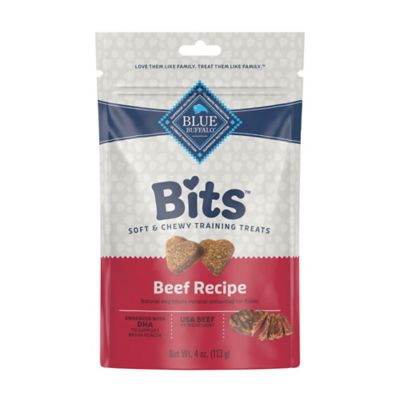
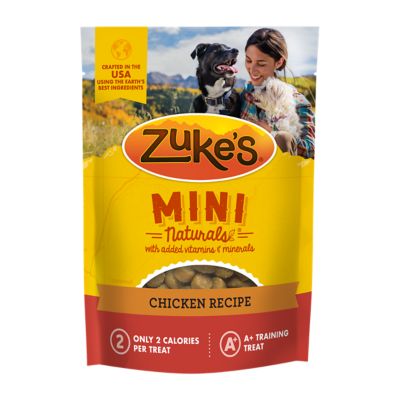
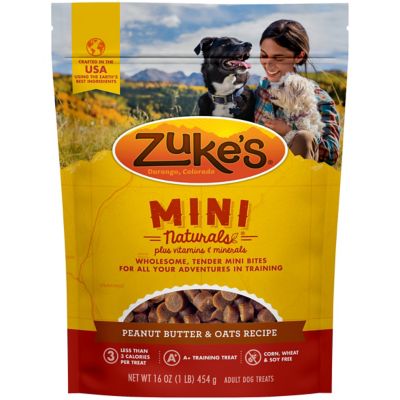
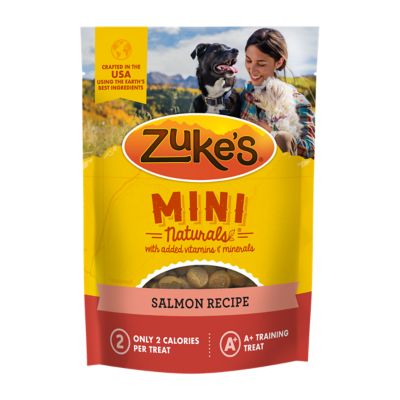
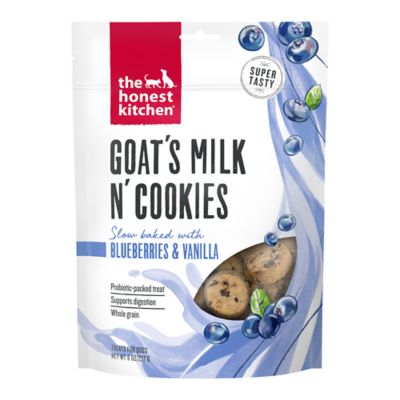
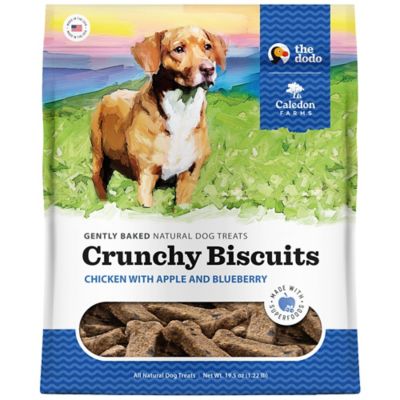
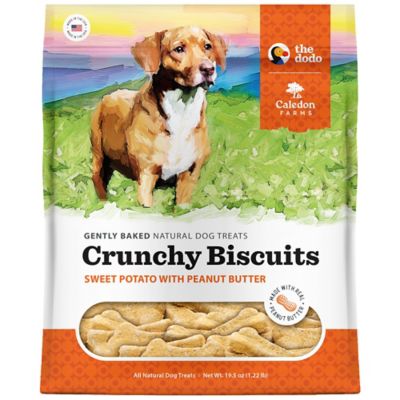
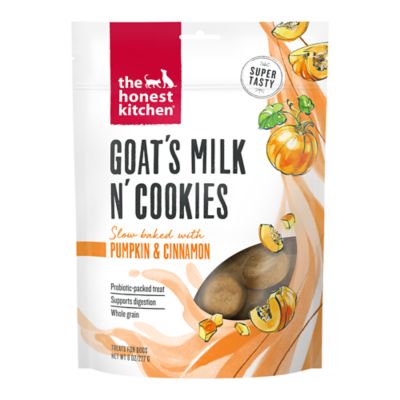
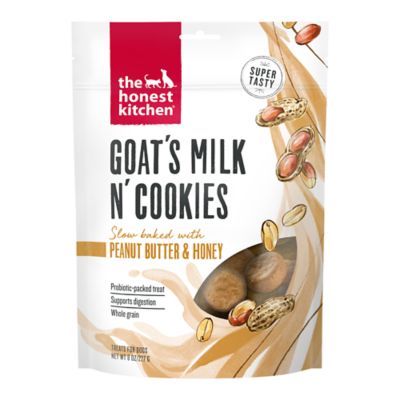
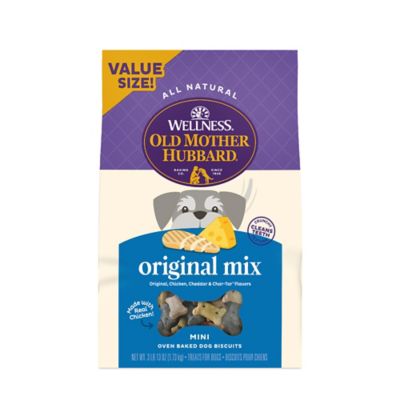
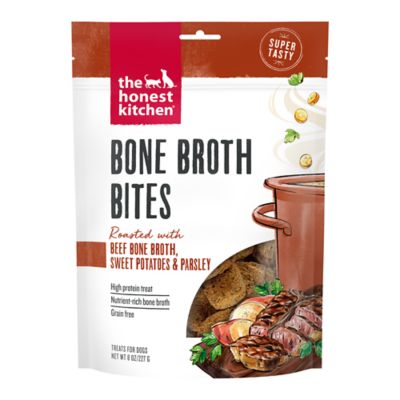
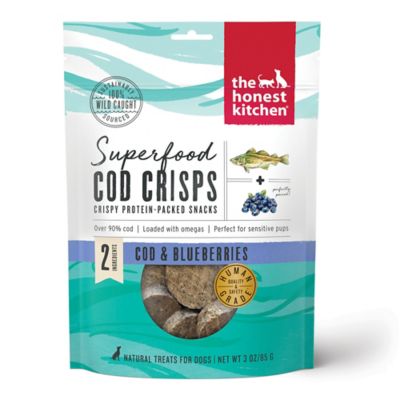
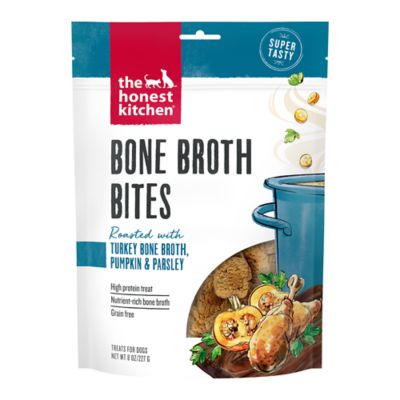
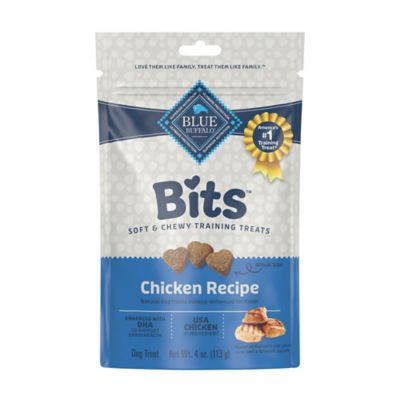
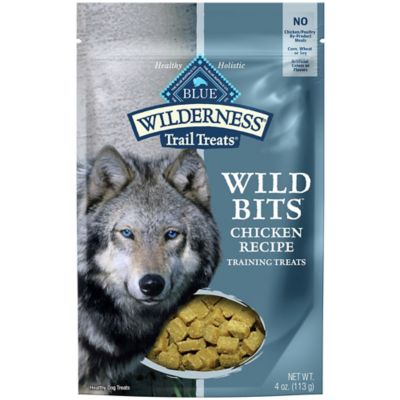
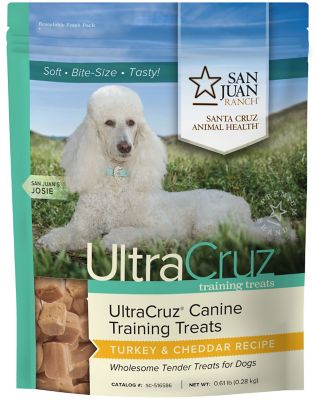
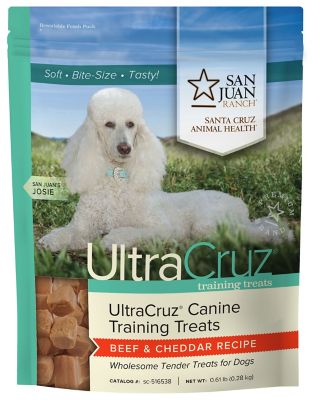
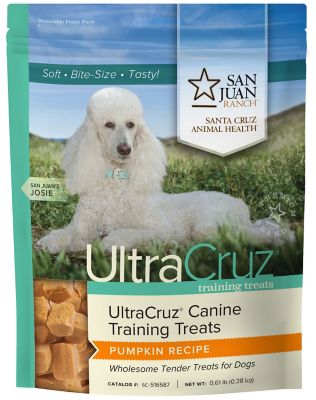
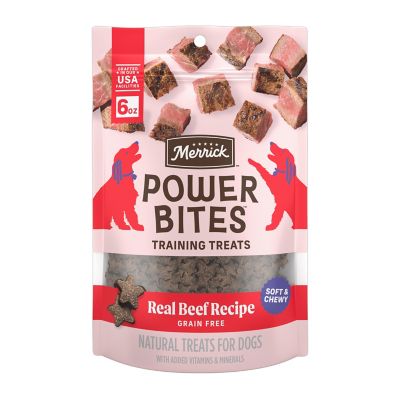
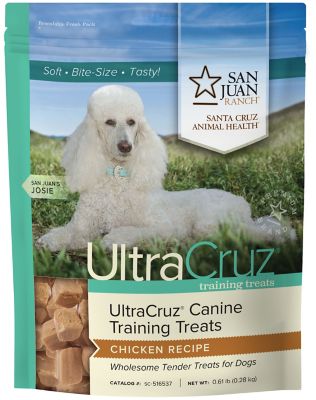
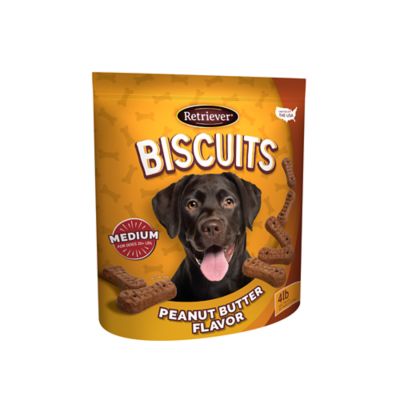
Dog treats for training puppies give little learners a bite-sized reason to pay attention, whether they’re practicing a sit by the back door or learning to walk beside someone down the farm lane. The most practical training treats are small, easy to portion, and quick to chew, so a puppy can enjoy the reward without losing track of the next cue. A soft piece about the size of a small pea or pencil eraser is a helpful starting point, with smaller portions for tiny mouths. The goal is a comfortable bite, not something a puppy has to gulp down or spend a long time chewing. Soft and chewy textures often suit short practice sessions because they break into little pieces without much fuss. Tender bites can also be easier for a puppy to manage while teeth are developing, although every puppy’s chewing ability is different. Small crunchy treats offer another texture for puppies that handle them comfortably, but larger biscuits may need breaking down and can leave crumbs behind. Freeze-dried treats vary in firmness; some crumble readily, while others take more chewing than their size suggests. Texture matters just as much as the size printed on the package. Meat-based treats with a noticeable aroma can be especially appealing when a puppy is learning around distractions, such as another dog across the yard or family members moving through the kitchen. Often called high-value treats, these are simply rewards that a particular puppy finds especially exciting. A milder everyday treat may be plenty for familiar cues in a quiet room. For puppies with especially small mouths,
Dog Treats For Small Breeds can help narrow the focus to smaller portions and manageable textures. Breed size alone doesn’t tell the whole story, though. A puppy’s age, appetite, teeth, and eating habits all play a part in choosing a reward that fits.
Ingredients and calories deserve a close look because puppy training can involve plenty of little rewards throughout the day. Treats should make up no more than 10% of a puppy’s daily calories, with at least 90% coming from complete and balanced puppy food appropriate for growth. That limit includes rewards from everyone in the household, along with edible chews and other extras. A low-calorie treat or a larger soft treat that breaks cleanly into several pieces can make frequent practice easier to fit into that allowance. Calories per treat, usually listed as kcal, are more useful than judging by appearance; two bites of the same size can contain different amounts of energy. Breaking a treat into smaller pieces spreads its calories across more rewards, but it doesn’t change the calories in the original piece. A veterinarian can help set a daily calorie target, particularly for very small puppies or those with health concerns. Ingredient lists also help identify proteins, grains, and other ingredients that fit a puppy’s feeding plan. Single-ingredient treats can make it simpler to see what’s in a reward, but a short ingredient list doesn’t guarantee that a treat will agree with every stomach. Chicken, beef, fish, and other protein sources appeal to different puppies, and a familiar protein may be a sensible starting point for a puppy already doing well on that ingredient. Grain-free wording doesn’t automatically make a treat a better choice for training. Age recommendations, feeding directions, and any restrictions on the label matter more than broad claims on the front of the bag. For a puppy with suspected food allergies or ongoing digestive trouble, treat choices should follow veterinary advice. Storage is part of keeping treats ready for everyday practice: follow package directions, close resealable bags firmly, and observe any refrigeration requirements. A washable treat pouch helps keep pockets tidy, while regular cleaning keeps crumbs and greasy residue from building up. Treats that develop mold, an unexpected odor, or other signs of spoilage belong in the trash.
The best fit also depends on where rewards will come into play. Around the house, small, lightly scented bites can suit everyday moments like settling on a mat, entering a crate willingly, or keeping four paws on the floor when someone walks in. For supervised practice outside, a more enticing aroma may help a puppy stay interested despite the smells and movement nearby. A reward can support attention, but it doesn’t replace a leash, a secure fence, or safe distance from livestock and equipment. Training treats work well when they’re easy to reach and easy to separate into single portions; sticky pieces that clump together or hard pieces that need repeated breaking can interrupt the flow. A pouch-friendly texture is handy for puppy classes, where rewards need to come out smoothly while someone manages a leash. Cleaner-breaking pieces also help when several family members share training duties and need a consistent portion size. For house-training rewards, a small ready-to-eat bite lets the puppy finish chewing and get back to sniffing or walking without a lengthy stop. Long-lasting chews serve a different purpose and generally aren’t interchangeable with quick training rewards. Large chunks, hard bones, and treats that require prolonged gnawing can distract from practice and may create tooth or choking risks. Puppies should have supervision while eating, even with small treats, and fresh drinking water should be accessible. Reward preferences can change, too: a puppy that loves one flavor at home may show less interest in it somewhere busy. Lack of interest can also mean the puppy is full, tired, or overwhelmed rather than that a stronger-smelling treat is needed. Small packages and clearly labeled feeding information can make it easier to assess whether a texture and flavor suit a new puppy before making them part of the routine. With sensible portions and attention to the individual puppy, training treats support everyday manners—from waiting at a closed gate to walking calmly back toward the porch.