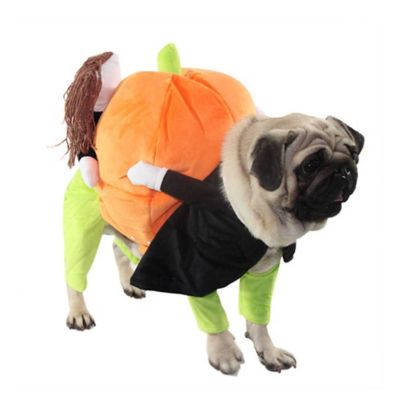
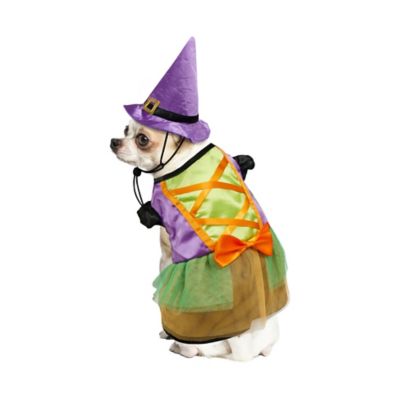
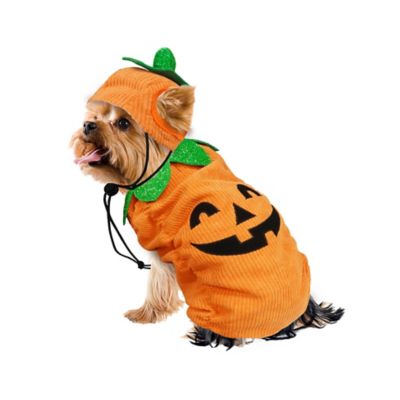
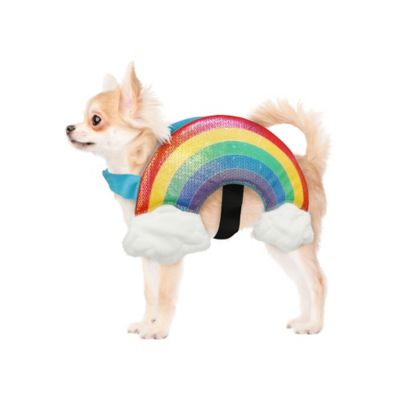
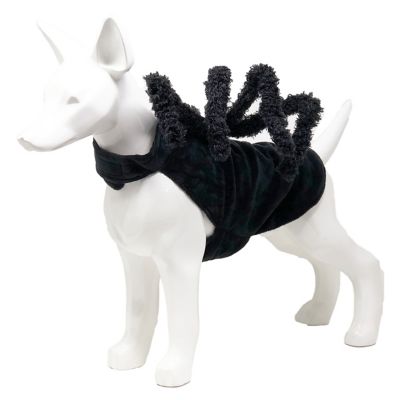
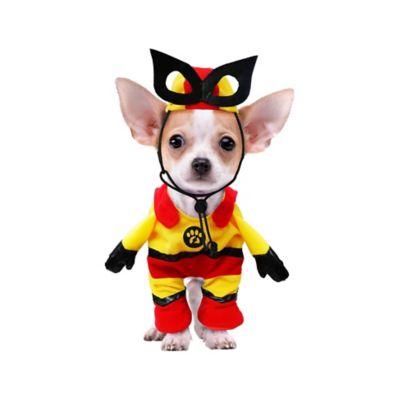
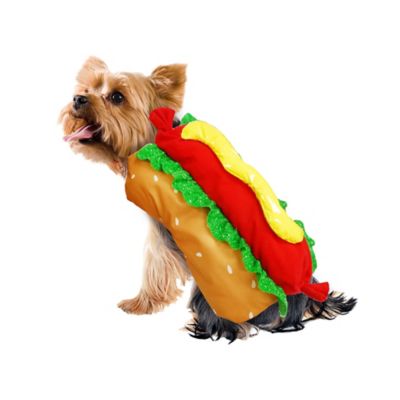
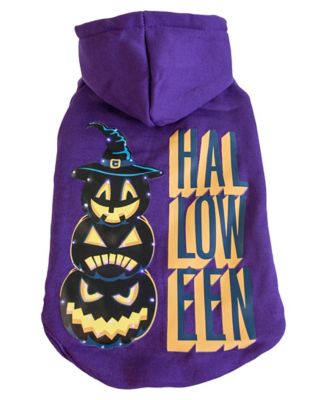
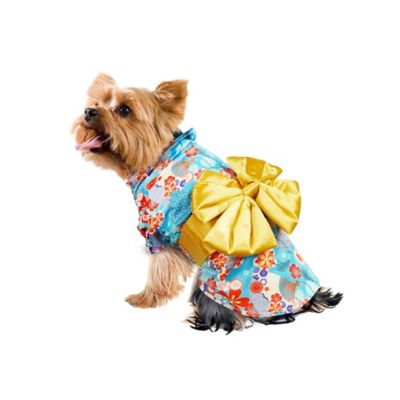
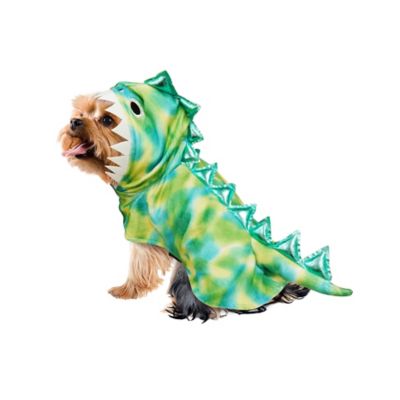
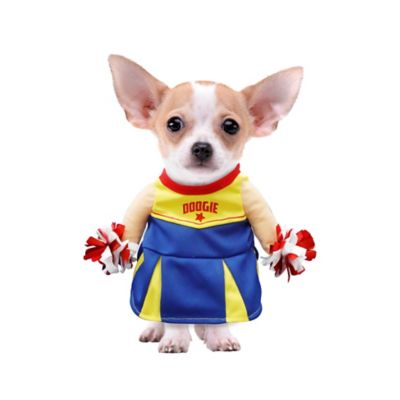
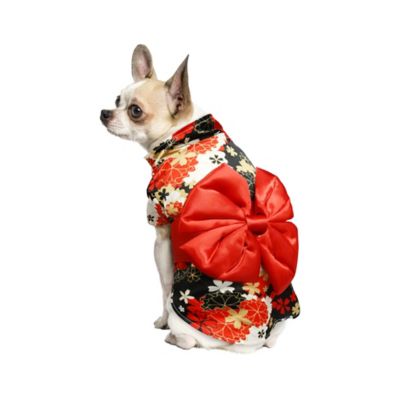
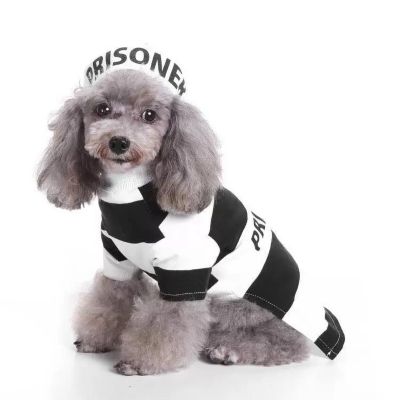
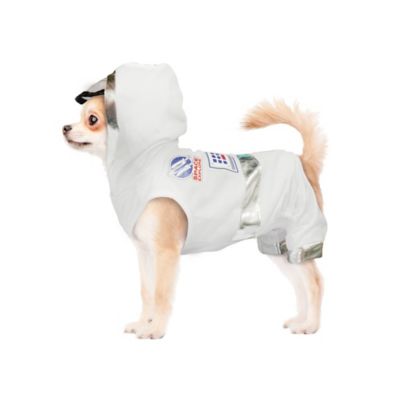
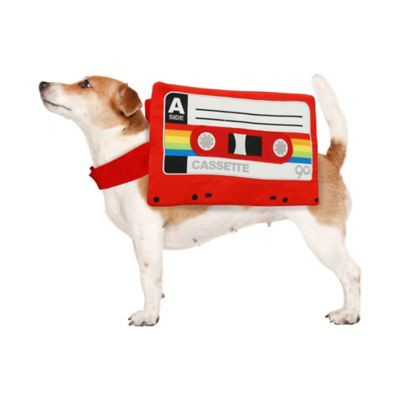
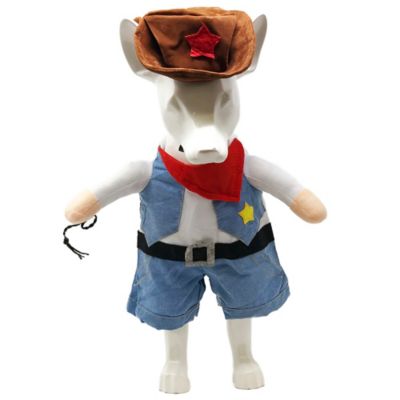
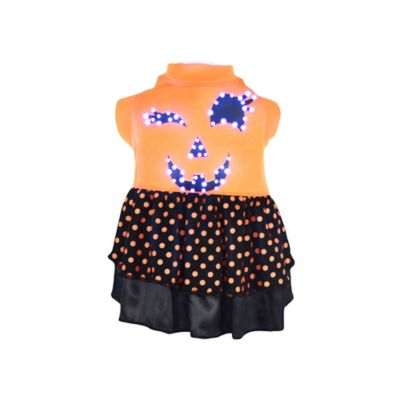
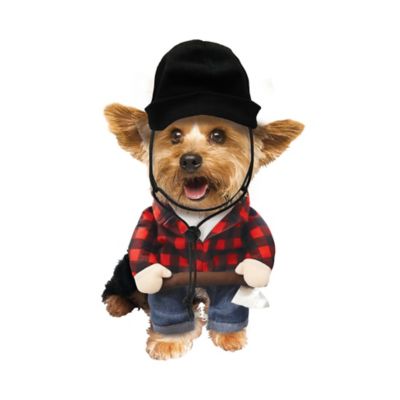
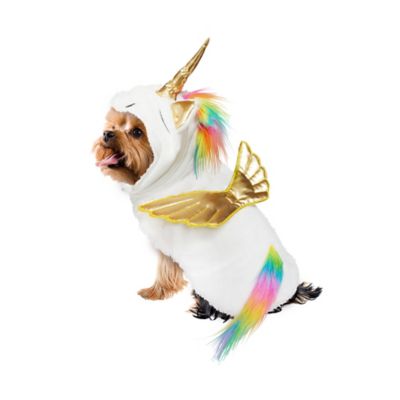
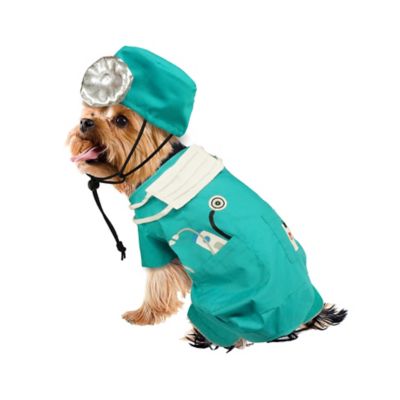
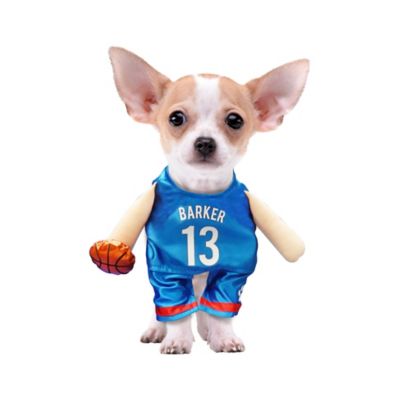
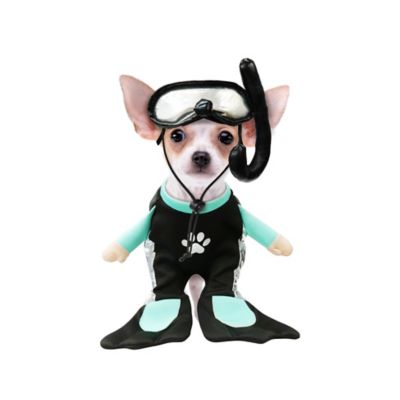
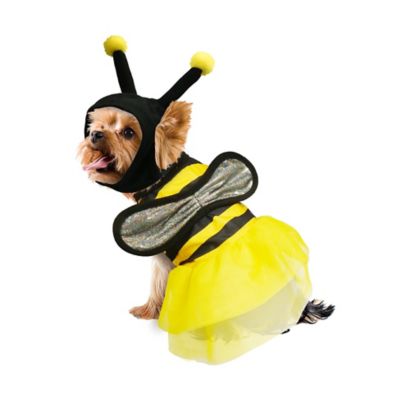
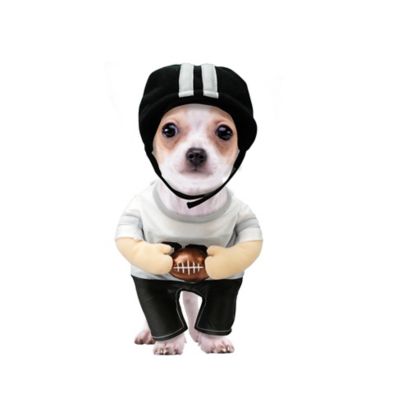
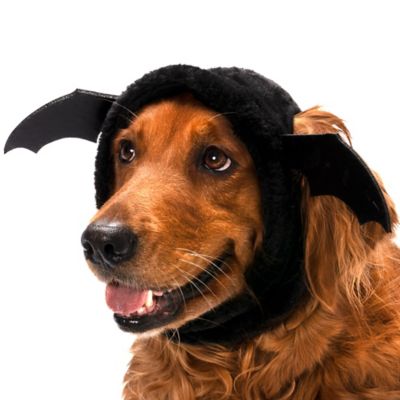
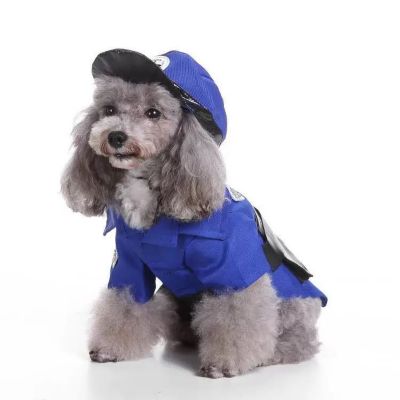
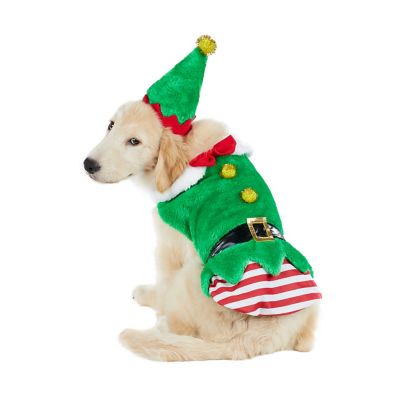
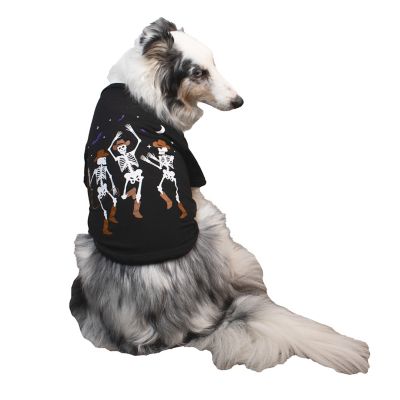
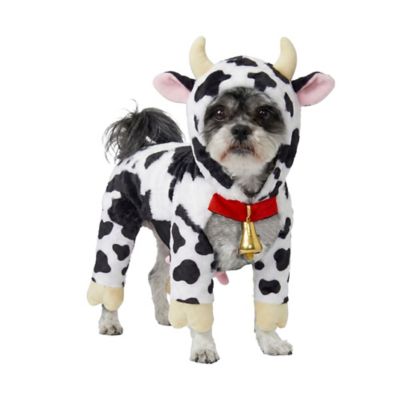
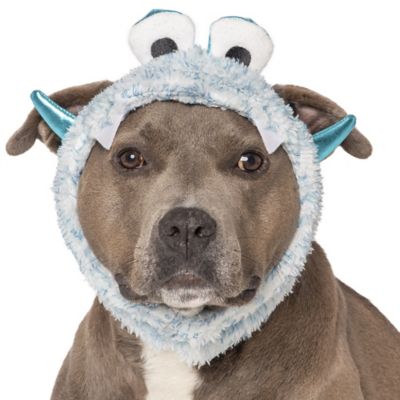
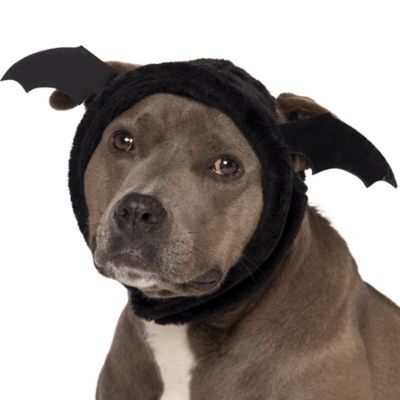
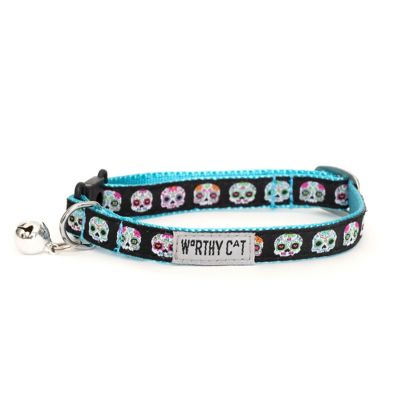
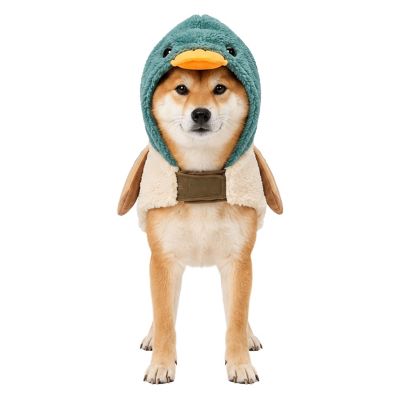
Halloween costumes for cats and dogs bring a little extra fun to fall gatherings, neighborhood walks, family photos, and porch visits. The right costume can turn a familiar four-legged friend into a pumpkin, a bat, a dinosaur, a favorite food, or another playful character without getting in the way of the things pets do every day. Simple choices such as festive bandanas, themed collars, lightweight hats, and small headpieces work well for pets that are not comfortable wearing clothing, while hoodies, capes, wings, and full-body outfits offer more coverage for dogs and cats that are used to getting dressed. Soft orange pumpkin styles, black bat-inspired designs, dinosaur outfits with gentle ridges, and food-themed looks are popular because they are easy to recognize in pictures and bring plenty of personality to Halloween celebrations. For larger dogs or pets with a broad chest, take a look at
Halloween Costumes For Medium Dogs for more size-focused options. These costumes can make a thoughtful seasonal gift for a pet-loving friend, a new puppy or kitten in the family, or children who enjoy including their best animal buddy in holiday traditions. They are also handy for an informal photo session at home, a pet-friendly gathering, a costume parade, or a quick snapshot beside hay bales and autumn decorations. Since every pet has a different shape and temperament, a costume that looks adorable on one animal may not be the best match for another. Breed, body length, coat thickness, age, and comfort with clothing all matter when choosing a style.
A proper fit is the best place to start. Measure around your pet’s neck where a collar naturally rests, around the fullest part of the chest just behind the front legs, and along the back from the base of the neck to the base of the tail. Compare those measurements with the size chart for the costume instead of relying only on weight, since a long-backed dog, a stocky dog, and a slim dog can weigh the same but need very different cuts. For cats, pay close attention to the chest and neck, and avoid anything that feels tight around the shoulders or belly. The costume should sit securely without pinching, dragging, or covering the eyes, nose, or mouth. Look for soft, breathable materials that allow comfortable movement and do not create too much warmth during an indoor party or a mild fall afternoon. Openings should leave room for normal bathroom habits, and leg pieces should not interfere with walking, jumping, climbing, or using stairs. Loose ribbons, dangling ties, small decorations, and easily chewed pieces deserve extra care, especially with young pets that investigate everything with their mouths. A lightweight bandana or back-worn accessory may be a better choice than a full outfit for a dog that dislikes sleeves or a cat that treats every new garment like a personal challenge. Introduce the costume gradually in a quiet room, letting your pet sniff it before putting it on. A few short practice sessions, paired with praise and a favorite treat, can help the outfit feel less unusual. Never force a pet to wear something that causes clear stress, and remove the costume if your pet pants heavily, freezes, scratches constantly, hides, repeatedly tries to escape, or seems unable to move normally.
Keep safety and supervision in mind throughout Halloween activities. Pets should be watched whenever they are wearing a costume, whether they are relaxing on the couch, greeting guests, riding in a vehicle, or walking outdoors. Check that straps stay in place and that fabric does not catch on furniture, fencing, branches, crates, or other household items. A costume should never restrict breathing, hearing, vision, or natural movement, and it should come off before a pet is left alone for the day or settles in for sleep. Costumes with reflective details or bright colors may help make a dog easier to spot during an evening walk, but they do not replace a leash, identification tag, or close supervision. Keep pets away from open flames, electrical cords, candy, chocolate, and decorations that can be swallowed. Guests may be excited to see a dressed-up cat or dog, but not every animal enjoys being handled, photographed, or surrounded by unfamiliar people. Give your pet a quiet place to retreat, especially during a busy Halloween gathering, and watch for signs that they need a break. For pets that prefer a natural coat and no accessories, a seasonal bandana or a simple collar accent can still make a cheerful statement. With a comfortable fit, a manageable design, and patient supervision, Halloween costumes let cats and dogs take part in the festive spirit while staying relaxed, safe, and ready for all the sniffing, strolling, napping, and tail-wagging that make the season special.