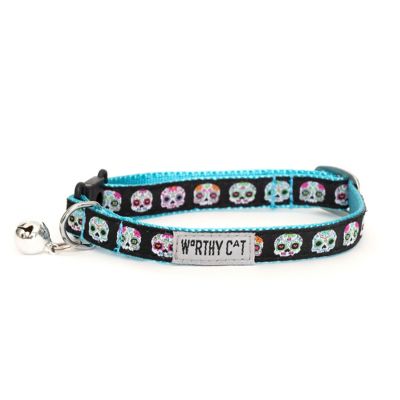
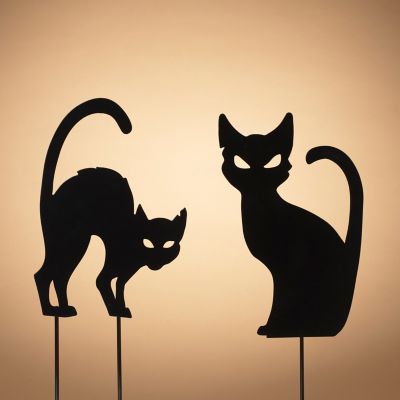
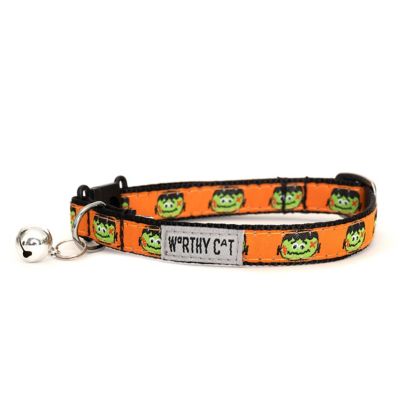
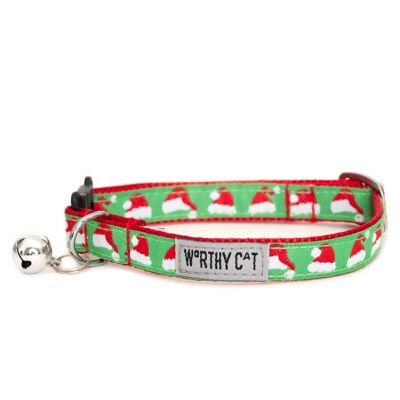
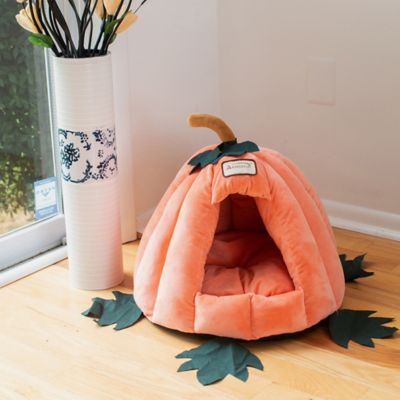
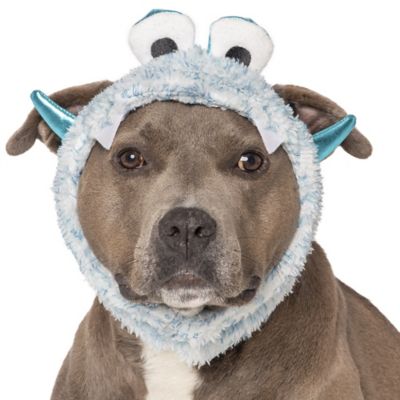
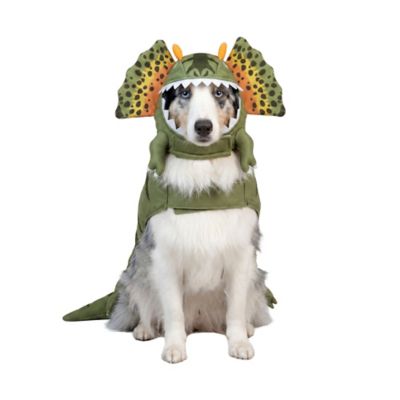
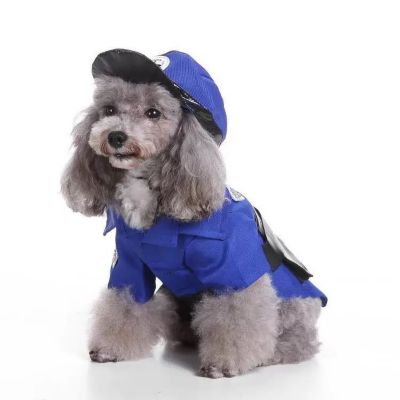
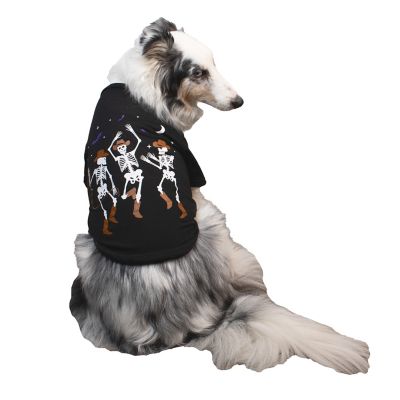
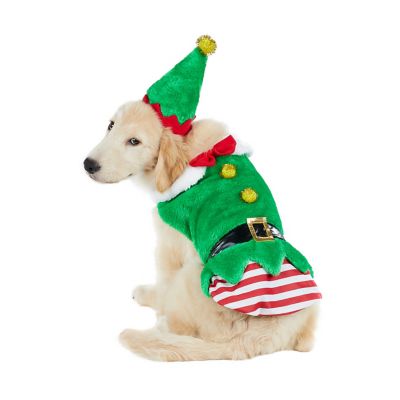
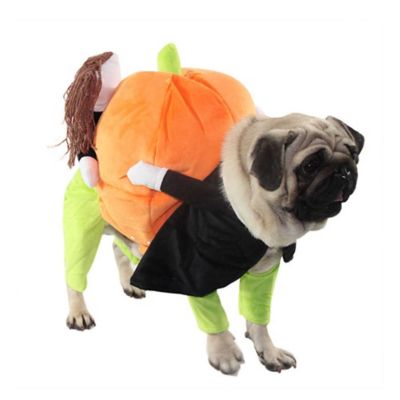
Halloween accessories for cats bring a little spooky fun to everyday pet essentials, from festive neckwear and light costume pieces to themed toys and cat treats. Orange and black, pumpkin faces, bats, and ghost patterns give the occasion its familiar look without requiring a full outfit. For a cat that prefers keeping all four paws on the floor, a small touch of color may be plenty for a family photo beside the pumpkins. A cat that already tolerates clothing may be comfortable with a more complete costume for a short, supervised get-together. The best match depends less on how elaborate an accessory looks and more on how naturally a cat can move while wearing it. Soft woven fabrics, smooth seams, and lightweight construction can help keep neckwear or clothing from feeling stiff against the coat. Stretch panels and adjustable closures offer some flexibility, but they do not replace measuring the neck, chest, and back according to the sizing information for the accessory. A size label alone cannot account for the difference between a broad-chested adult cat and a slender youngster. Long fur also needs room so closures do not catch hair or pull at the skin. A comfortable fit leaves space for normal breathing and movement without hanging loosely enough to snag a paw, jaw, or nearby furniture. Ears, eyes, whiskers, and the nose need to stay clear, and the cat should be able to walk, crouch, turn around, and settle down without interference. For everyday neckwear, a cat-specific breakaway closure is an important feature because it is designed to release if the collar catches. Costume pieces and other dress-up accessories are for supervised wear, not a substitute for an everyday identification collar or a walking harness. A quick photo in a quiet room often makes more sense than wearing an outfit through a busy evening of doorbells and visitors.
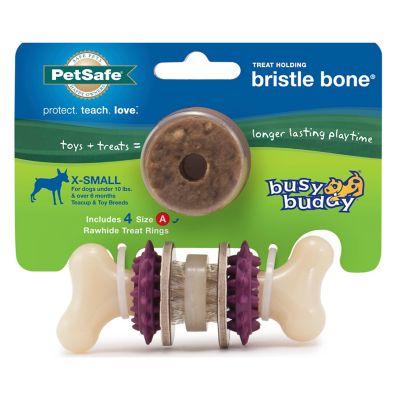
Halloween cat toys offer another way to include a pet that wants nothing to do with dress-up. Seasonal shapes and colors can carry the theme while the toy itself supports familiar play, such as batting, chasing, kicking, or pouncing. Materials and construction matter more than the spooky face stitched on the outside. Fabric should hold together through the kind of play intended, seams should stay closed, and any filling should remain enclosed. Small pieces that come loose can become swallowing hazards, especially for cats that chew rather than simply swat. Ribbons, strings, elastic loops, and similar attachments call for close supervision and storage out of reach after play. Wand-style play belongs with an involved person at the other end, while toys intended for independent play still need regular checks for damage. Catnip or silvervine may interest some cats, though responses vary, and an appealing texture or rolling motion may matter more to others. In a home with several cats, separate play sessions can give a timid pet room to enjoy a new toy without competition. A short game in the living room before trick-or-treat traffic starts can also provide a familiar activity away from the front door. Treats add a different kind of reward, but Halloween packaging does not change a cat’s nutritional needs. Cat treats should suit the pet’s age, chewing ability, and dietary restrictions, with package feeding directions helping set an appropriate portion. Cats on prescribed diets may need a veterinarian’s approval before trying something new. Treat calories count toward the day’s food total, even when they are part of a holiday photo session. Human Halloween candy belongs well out of reach; chocolate, wrappers, and other candy ingredients can pose health risks. Keeping cat treats in their own clearly marked container helps prevent mix-ups when the kitchen counter is crowded with candy bowls and party supplies.
Care and storage help Halloween accessories for cats stay ready for another celebration. Washable fabrics can be practical for neckwear and clothing that pick up shed hair or get brushed against a food dish, but care instructions differ by material and construction. Some pieces tolerate machine washing, while others need gentle spot cleaning and air drying. Closures should still fasten as intended after cleaning, and fabric should keep its shape without shrinking into a tighter fit. Toys need the same attention to loose stitching, exposed filling, and worn attachments before they go back into play. Everything should be completely dry before storage, with food rewards kept according to their package directions rather than tucked away with fabric accessories. A lidded container placed beyond a curious cat’s reach can keep dangling straps and scented toys from becoming an unsupervised project. For households including both feline and canine companions in a family picture,
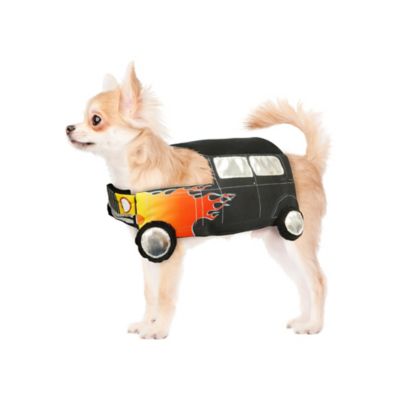
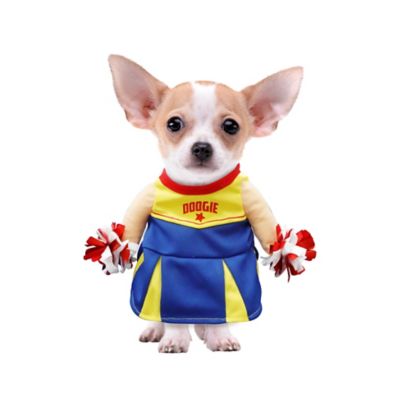
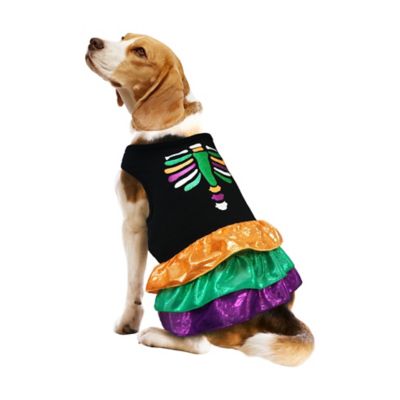
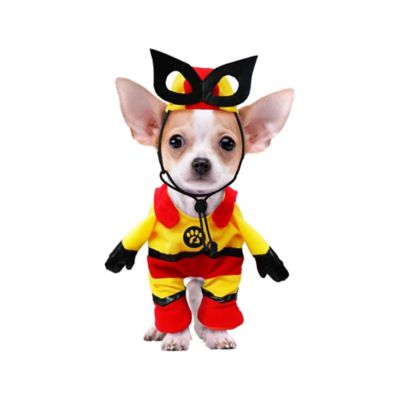
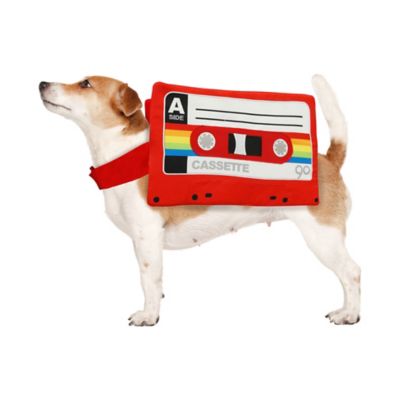
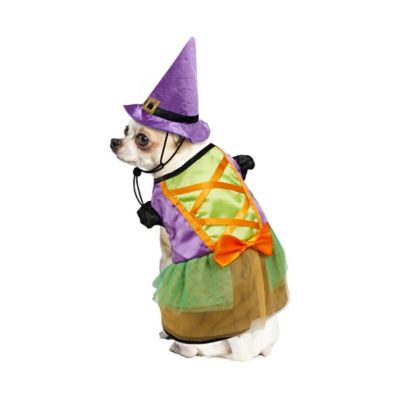
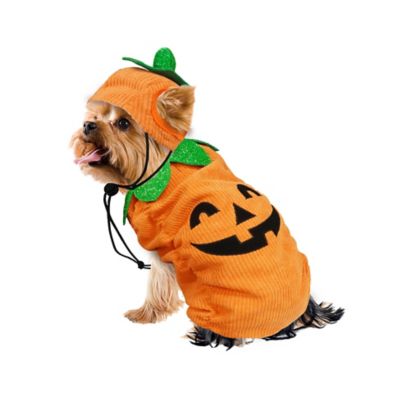
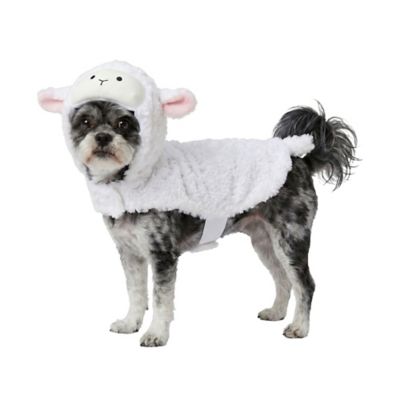
Halloween Costumes For Cats And Dogs offers a related place to explore dress-up themes, with each pet’s fit and comfort taking priority over matching looks. These accessories can also make a thoughtful seasonal gift for a cat owner, especially when the recipient’s pet size, play habits, and food restrictions are known. Toys may be a better match than clothing for a cat whose tolerance for wearing accessories is uncertain. A familiar blanket, a quiet corner, and a brief photo session can make the occasion feel settled rather than crowded. Flattened ears, repeated escape attempts, freezing, or persistent pawing at an outfit are reasons to remove it, not tighten it or keep trying. Some cats take part through play or a small food reward instead of wearing anything at all. Halloween fun works best when the accessories fit the cat’s routine, leaving plenty of room for the same stretching, exploring, and napping that fill an ordinary day.