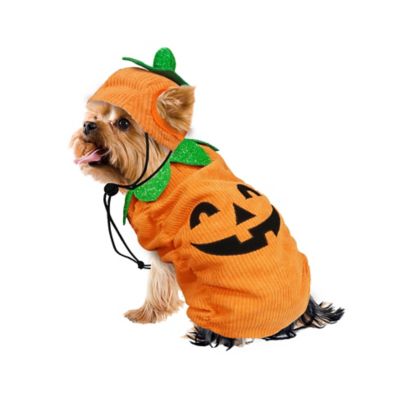
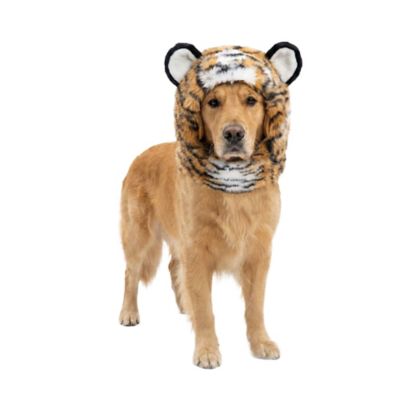
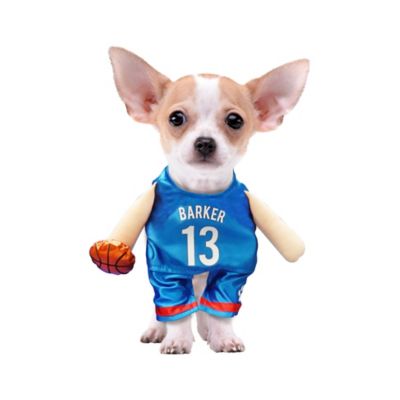
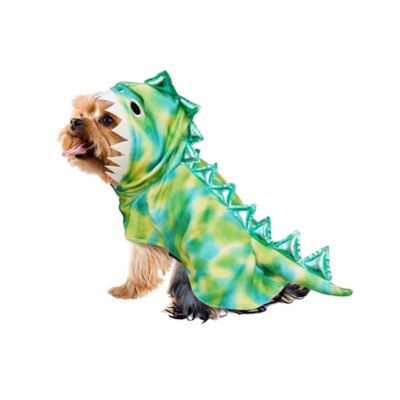
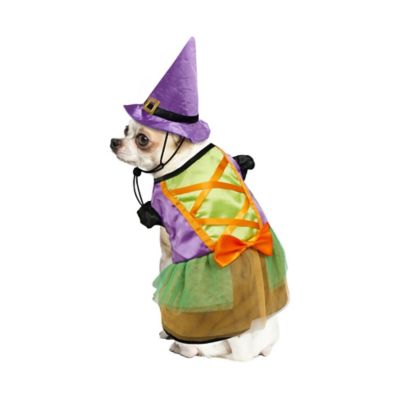
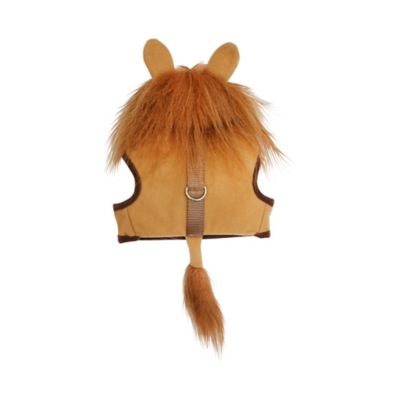
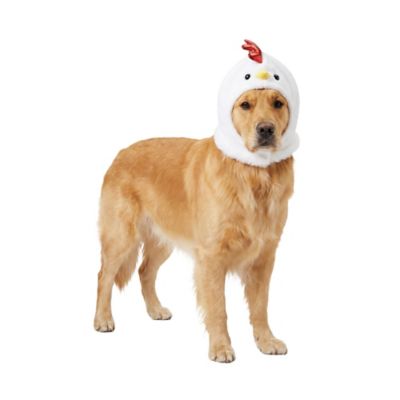
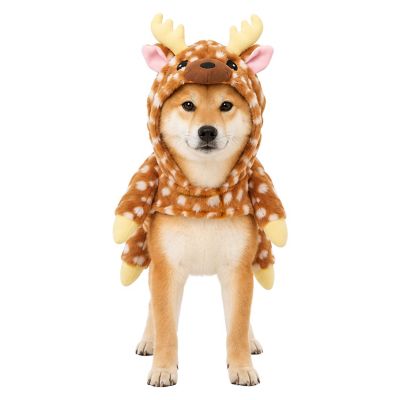
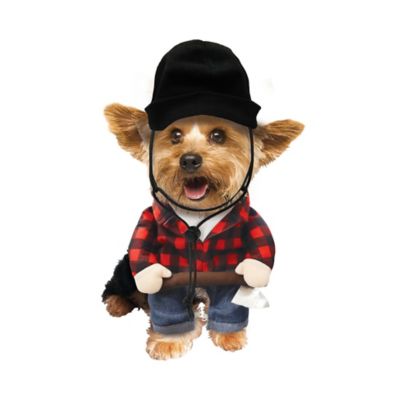
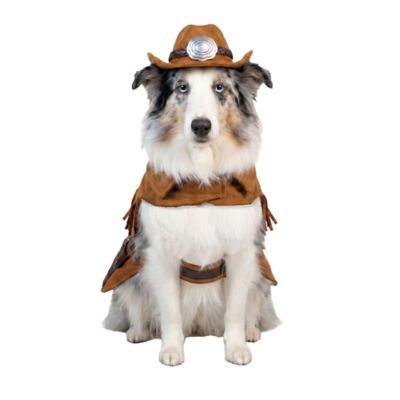
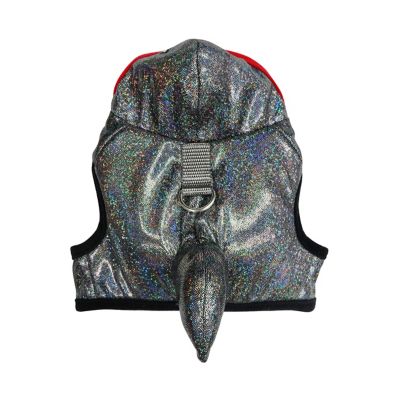
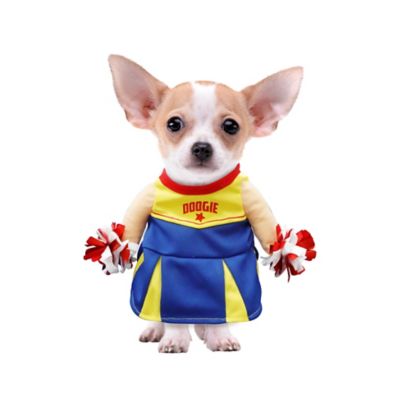
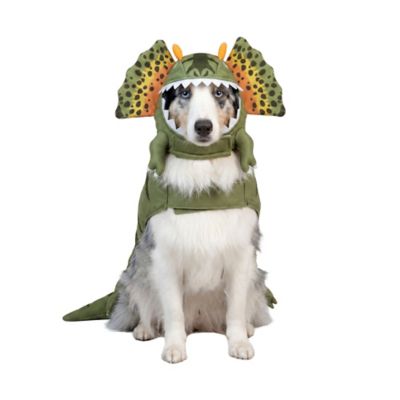
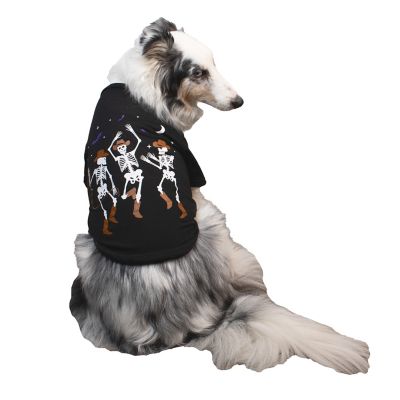
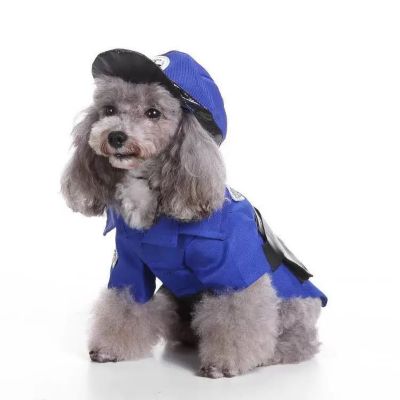
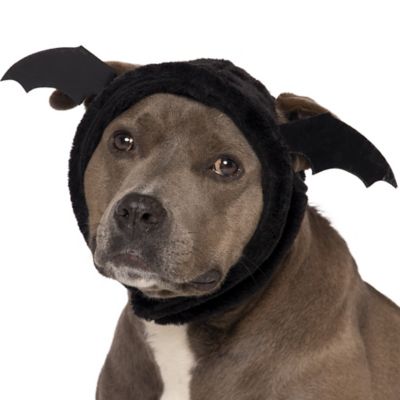
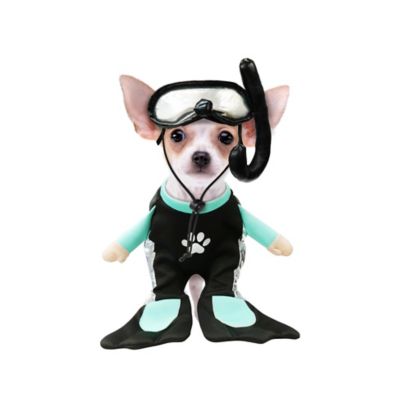
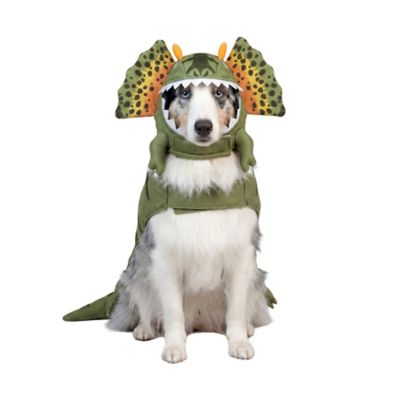
Halloween costumes for large dogs bring a little extra fun to trick-or-treat visits, costume contests, family pictures and get-togethers with neighbors. A good fit matters more than the size printed on the package: chest girth, neck circumference and back length help determine whether a costume will sit comfortably on a bigger frame. Labels such as XL, XXL and XXXL vary between manufacturers, so the measurements on each size chart matter more than a familiar letter size. Weight can provide a starting point, but two dogs at the same weight may need very different fits. A broad-chested retriever, a tall shepherd and a long-bodied hound carry fabric differently, especially around the shoulders and front legs. For thick-coated dogs, measurements should account for the coat without squeezing it flat or leaving enough loose fabric to snag. Chest measurements generally follow the widest part of the rib cage, while back length typically runs from the base of the neck toward the base of the tail; the product’s measuring directions should settle the exact points. The right costume leaves room for normal breathing, sitting, lying down and a full walking stride. A roomy-looking outfit can still pull across the chest when a dog takes a step, while an overly long back panel may bunch near the tail. Coverage is another consideration. A simple back-covering style creates a different wearing experience from an outfit with sleeves or a full torso panel. Soft knits, lightweight woven fabrics and mesh sections each have a place, depending on the design and how much coverage a dog tolerates. Smooth edges and a soft underside are especially helpful where fabric rests behind the front legs or beneath the neck. For a big dog joining the family on the porch or posing beside a pumpkin, comfort keeps the outfit from getting in the way of the occasion.
Materials and construction make a noticeable difference once a large dog starts moving. Reinforced stitching at attachment points, neatly finished seams and securely attached accents help a costume hold together through standing, sitting and walking. Stretch panels can allow movement around broad shoulders, but they should not be stretched to their limit just to close the outfit. Adjustable closures offer some flexibility for different body shapes, provided they lie flat and stay clear of sensitive skin. Hook-and-loop fasteners can catch long fur, and loose ties or dangling pieces may tempt a dog to chew. Smaller details deserve a close look on any outfit intended for a pet that likes to mouth fabric. Heavy attachments, stiff pieces near the face and long sections that brush the ground can make an otherwise fun costume awkward to wear. Clear vision, open airways and free movement of the ears and tail matter more than an elaborate appearance. The fit should also leave the dog’s bathroom needs unobstructed. For a walk past neighboring houses or a visit to a community Halloween gathering, the leash belongs on a properly fitted collar or harness rather than on a costume attachment unless that attachment is specifically intended for leash use. Harness access can make dressing easier without changing the dog’s normal walking setup. Reflective details may help a dog stand out after dark, but they do not take the place of a light and close supervision. Even an easygoing farm dog may react differently when a doorbell keeps ringing or people approach in masks. A short, quiet introduction at home gives the dog a chance to move around before a busier outing. Repeated pawing at the outfit, freezing in place or trying to rub it off signals that the costume needs adjusting or removing. Some dogs are happier wearing a light layer for a quick picture than keeping a full outfit on through an entire gathering.
Halloween costumes for large dogs also need to suit the setting, whether that means a few minutes on the front steps, an indoor party or a supervised stroll along a neighborhood route. A thick coat beneath a heavily padded outfit can trap heat, even when the air feels comfortable to people. Lighter coverage may make more sense for an active dog, while any wet fabric should come off rather than stay against the coat. Mud from a yard, shed hair and a little slobber are ordinary parts of dressing a big dog, so care instructions deserve attention alongside appearance. Washable fabrics can simplify cleanup when the care label allows machine laundering, while attached shapes, trim or stiff panels may call for spot cleaning or hand washing. Fastening closures before cleaning can help limit snagging, and the recommended drying method helps protect the outfit’s shape. Fabric should be fully dry before storage, especially around padded sections and folded seams. Between celebrations, a clean, dry storage spot keeps the costume away from chewing, dampness and misplaced small attachments. A quick inspection before the next wear can reveal loose stitching, damaged closures or a fit that has changed with the dog’s weight or coat. For households with more than one dog, matching a theme does not mean matching sizes or coverage. Each pet needs an individual fit, and a smaller companion may fall closer to
Halloween Costumes For Medium Dogs even when the dogs have similar back lengths. Costumes can also make a thoughtful Halloween gift for a pet-loving friend or family member when the dog’s measurements and comfort preferences are known. The best choice fits the dog’s build, leaves everyday movement easy and suits the amount of celebrating that dog enjoys. Whether the plan involves greeting familiar faces at the gate or sitting still for one good family photo, a comfortable costume lets a large dog take part without turning dress-up into a chore.