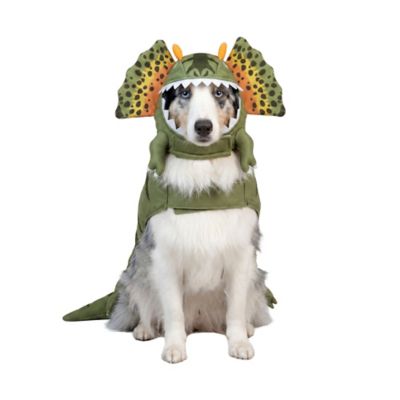
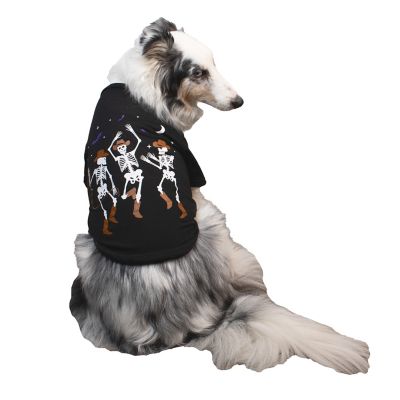
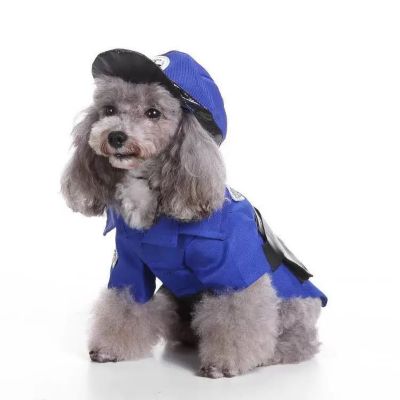
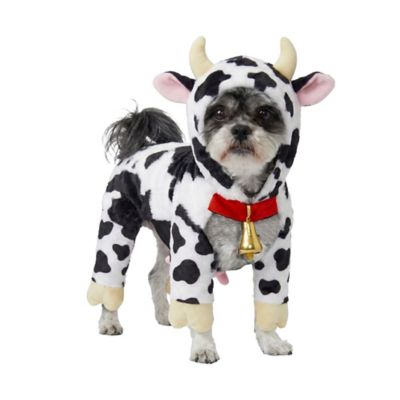
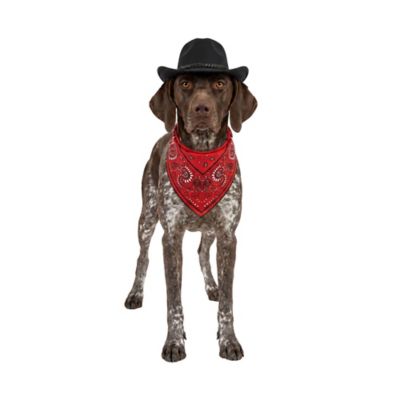
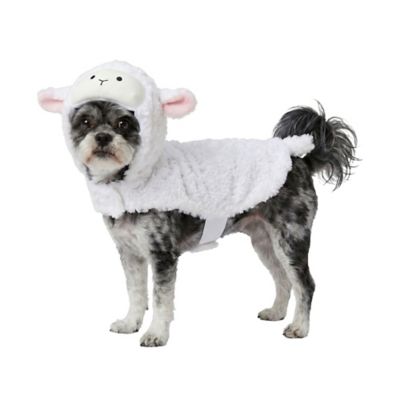
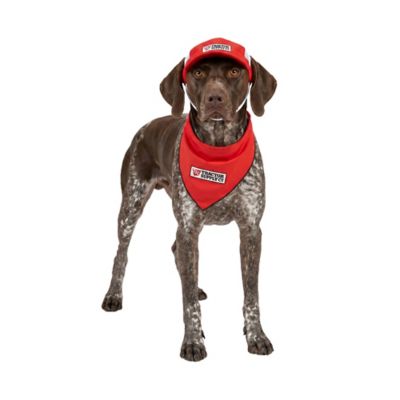
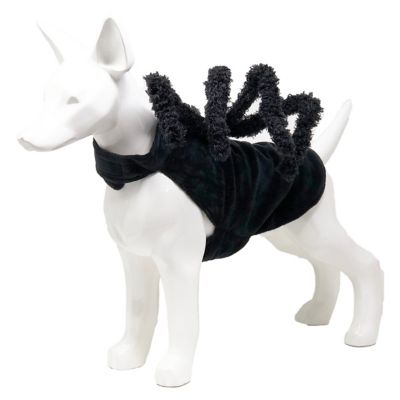
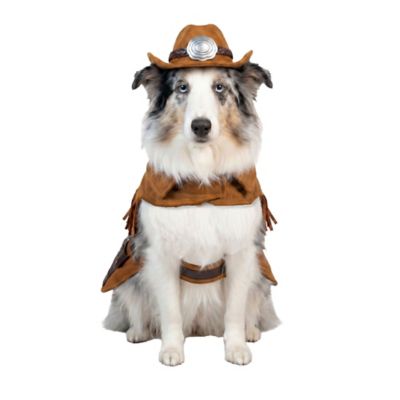
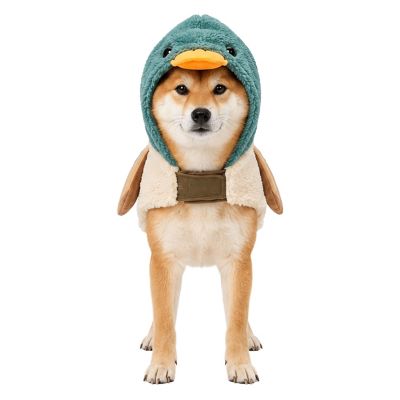
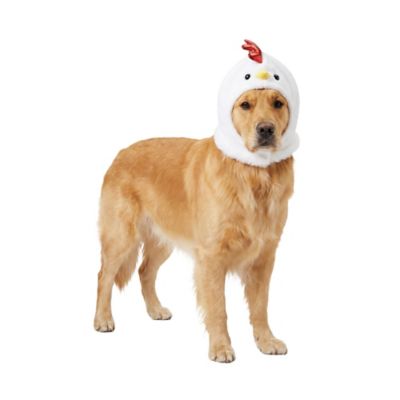
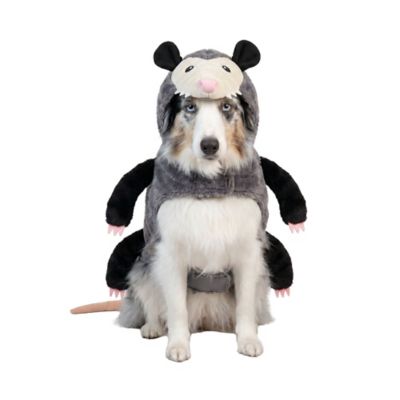
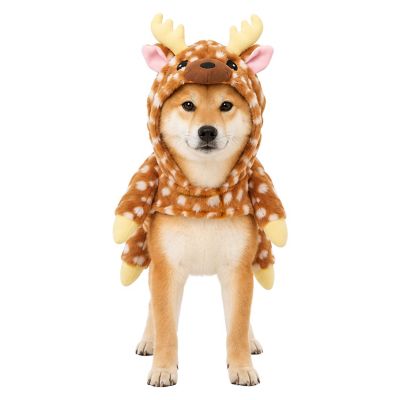
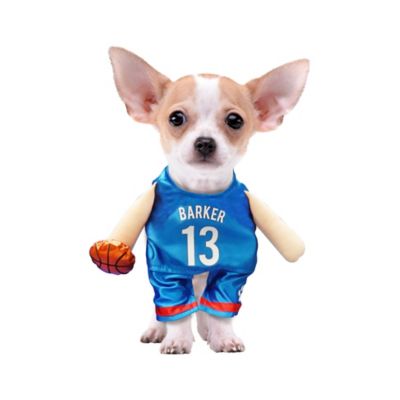
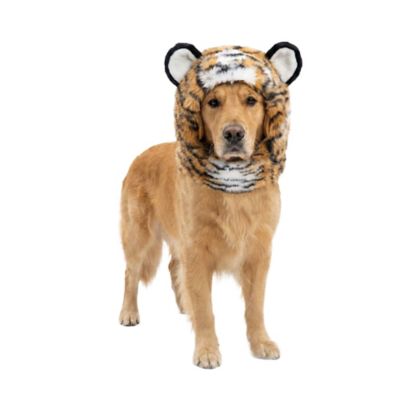
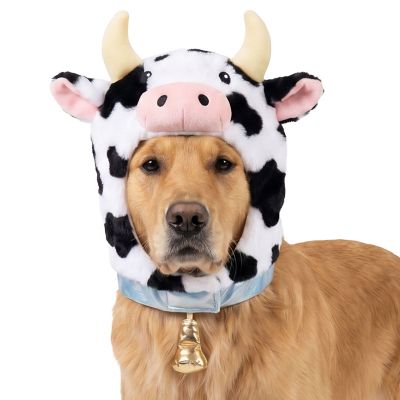
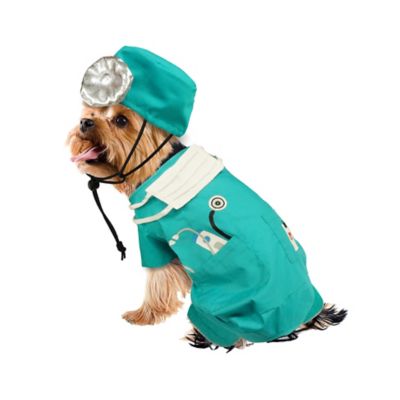
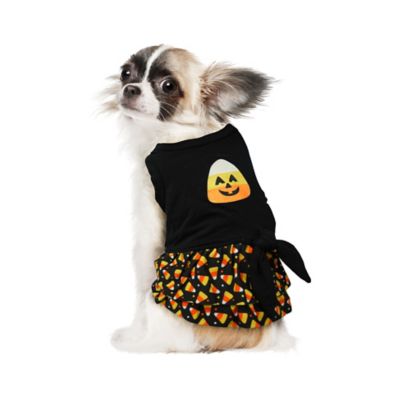
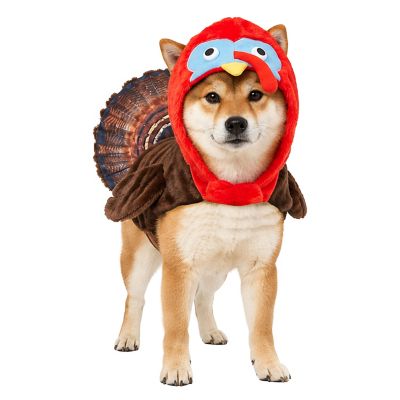
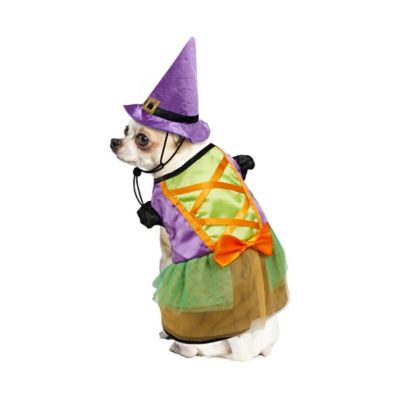
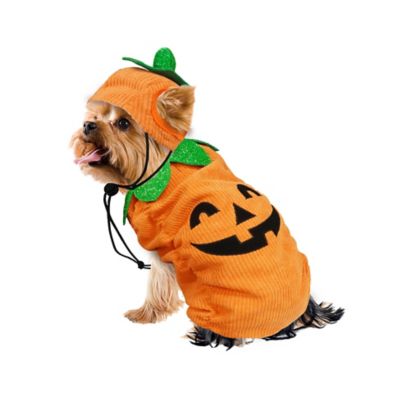
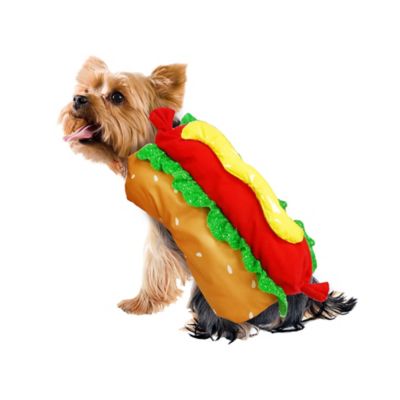
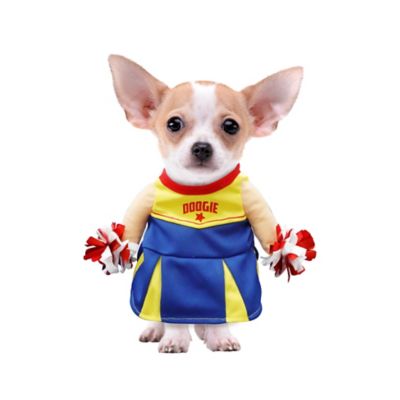
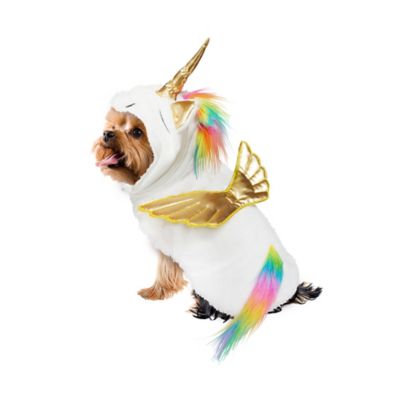
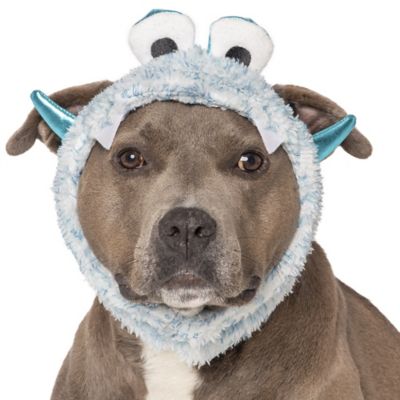
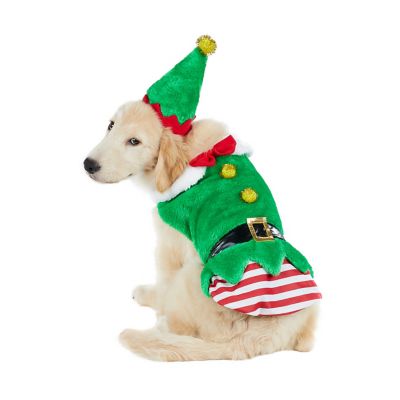
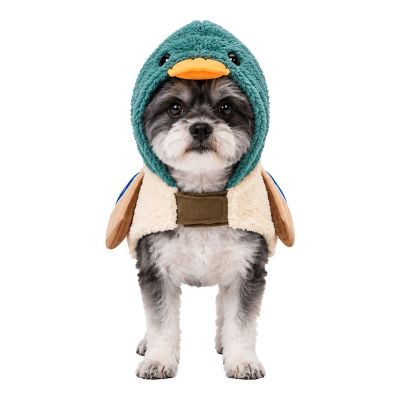
Pet Halloween outfits range from pop-culture character looks and funny food themes to classic animal costumes. Some give a pet a whole new silhouette, while others get the joke across with a little color and a simple shape. Either can look right at home in a family photo on the porch or at a Halloween get-together with neighbors. A bold outline shows up well in a group picture, even when the dog won’t sit still for long. A simple design can be a better match for a pet that likes to stick close while the kids show off their costumes. How long the outfit will be on makes a difference, too. An outfit that works for a quick picture by the pumpkins doesn’t have to stay put through a whole walk around the neighborhood. For a dog going along while the kids trick-or-treat, there’s more to think about than how the costume looks from the front. Fabric that swings low can brush the dog’s legs on porch steps, and a piece that sticks out at the sides can catch when the dog squeezes past people at the gate. For a pet greeting visitors at home, having the doorbell ring over and over may be plenty of excitement without much fuss over getting dressed. A dog that takes wearing a coat in stride may be fine with more coverage, while a cat that backs away as soon as fabric touches its shoulders may be happier in the picture without an outfit. And if the family is dressing to a theme, the pet’s outfit doesn’t have to match everybody else’s down to the last detail. A shared color or a shape that’s easy to recognize can tie the picture together without asking the pet to wear extra layers or anything that sits too close to the ears and eyes.
Fit comes down to how the outfit sits on the animal in motion, not just how it looks when the pet is standing still. Neck and chest measurements and the length of the back are better starting points than breed or weight alone. Two dogs that weigh about the same can fill out an outfit quite differently if one has a broad chest and the other has a long, narrow build. The right fit leaves room for the dog to lower its head to sniff, sit, lie down, and take a full stride without the fabric pulling across the shoulders or bunching under the front legs. It also leaves the tail and underside clear for bathroom breaks. Soft, lightweight fabrics generally give a pet more room to move, while thicker or stiffer fabrics can hold a costume’s shape but may feel warmer or get in the way when the pet lies down. Smooth seams are worth a look where the outfit rests against the chest or under the legs. Closures that open wide can make dressing easier for a pet that doesn’t like anything pulled over its head, and a snug closure should still leave room to breathe and move without pinching fur. For a dog on a leash, the costume shouldn’t interfere with a properly fitted collar or harness, and the leash shouldn’t clip to the outfit itself. Little pets need the same attention to movement, with extra care around fabric or trim they can reach with their teeth.
Small Pet Costumes is a starting point for a smaller companion, but a garment that fits on paper still may not suit an animal that freezes, fusses, or tries to chew its way free. A dressed pet needs someone close by, even for a quick photo, and pawing at the outfit or trying to wriggle out is reason enough to take it off.
Halloween outfits can spend more time getting brushed against porch rails, rolled on in the grass, and covered in pet hair than they do posing for pictures. Close stitching around closures and neatly finished edges can help an outfit hold up, especially if it’s likely to come out for more than one Halloween. Loose threads and trim deserve a look before each wear, particularly if a pet tends to mouth whatever hangs within reach. Simple fabrics can be easier to tend to after a lap around the yard, while shaped or stuffed details may need gentler handling to keep from flattening or twisting. The care label can settle whether muddy paw marks call for a spot cleaning or a wash, and letting the outfit dry all the way before putting it away helps keep it from smelling musty when it comes back out. An outfit can also make a fun Halloween gift for the neighbor whose dog joins every family picture or for a relative who likes to include the family pet when the kids dress up. The pet’s measurements are worth getting from the person who knows them best, along with a sense of what the animal will happily wear. That’s especially handy when thick fur hides a narrow frame or a broad chest makes the next size up tempting even though it might hang too low. A pet that wears clothing only for a minute or two may do better with a simple look than with one that takes several hands to put on. And for the dog that’s content to keep an outfit on while company visits, an easy fit and fabric that moves with the dog matter more than extra flourishes. The parts that make the costume fun should still leave room for the pet to settle down at somebody’s feet once the pictures are done.