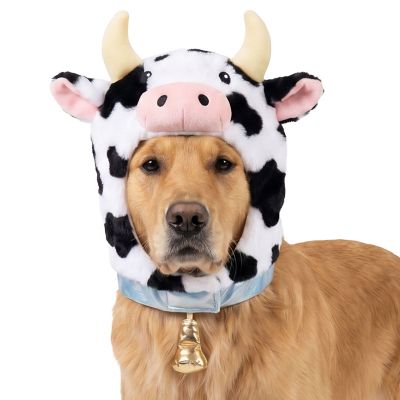
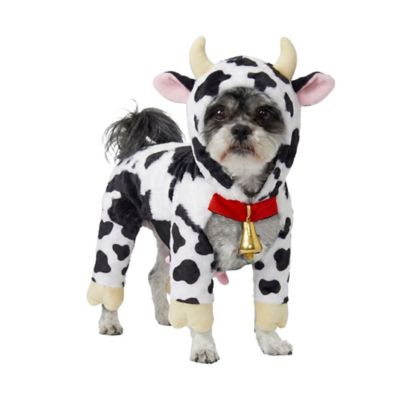
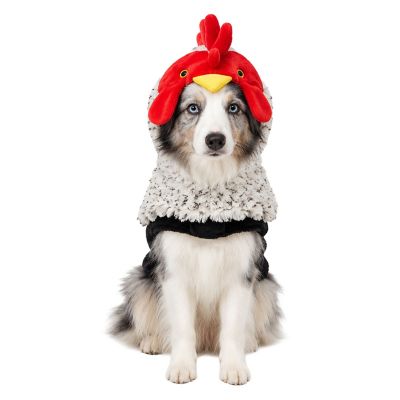
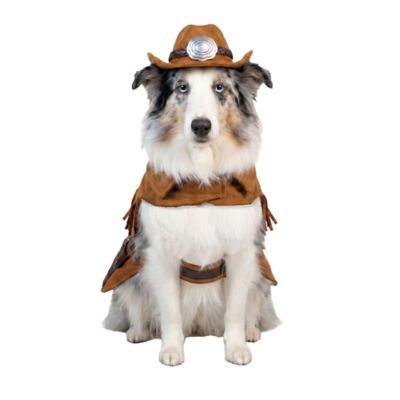
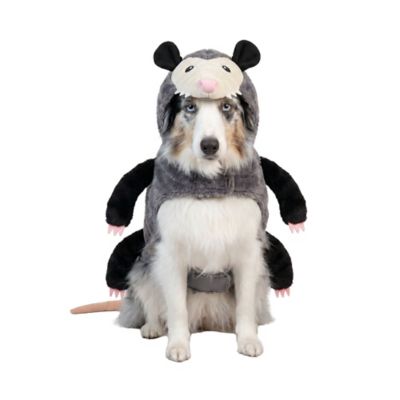
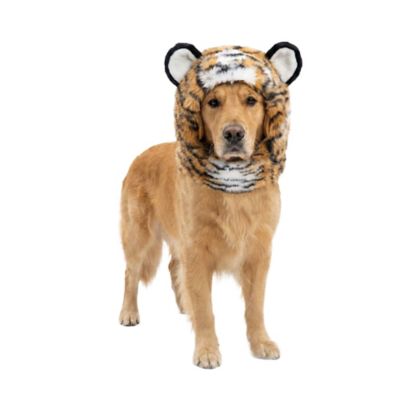
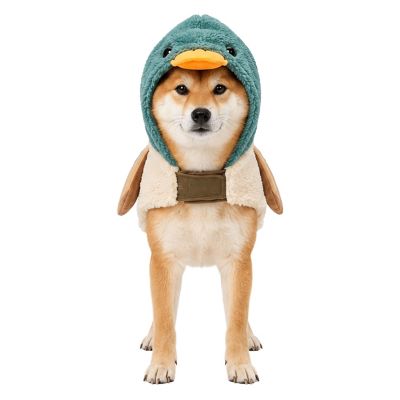
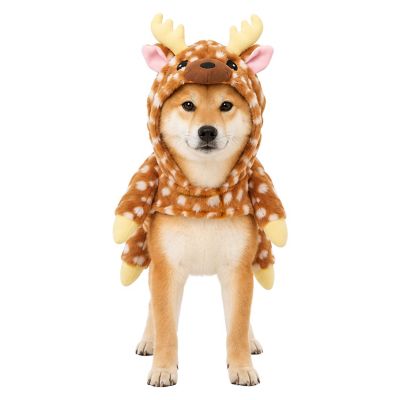
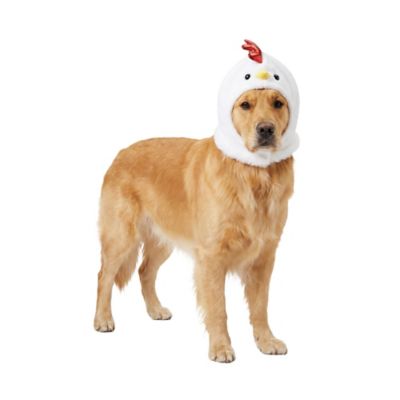
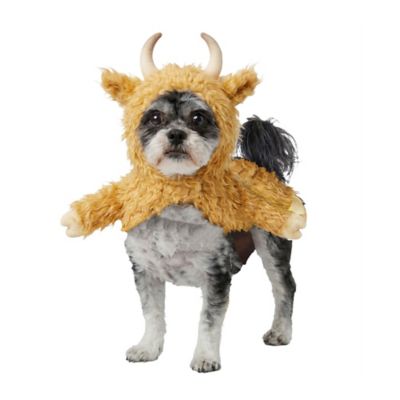
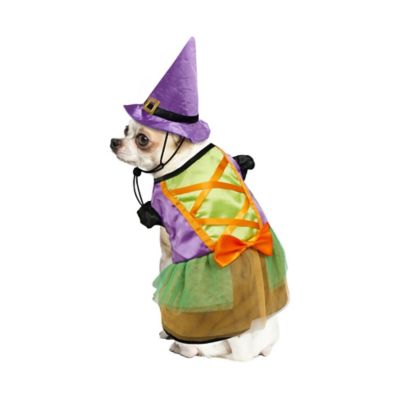
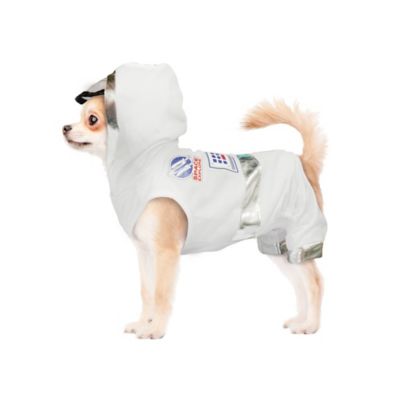
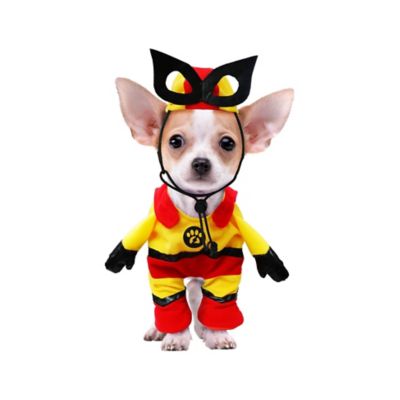
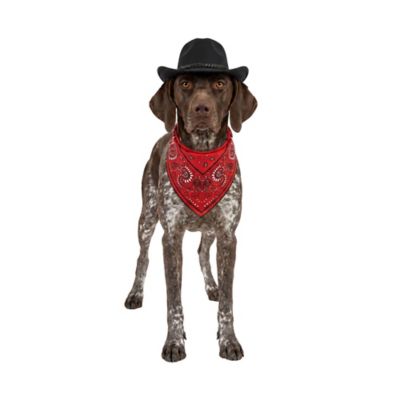
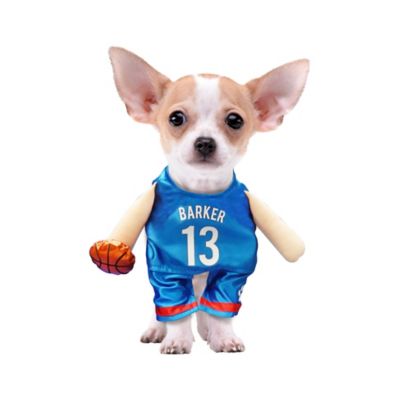
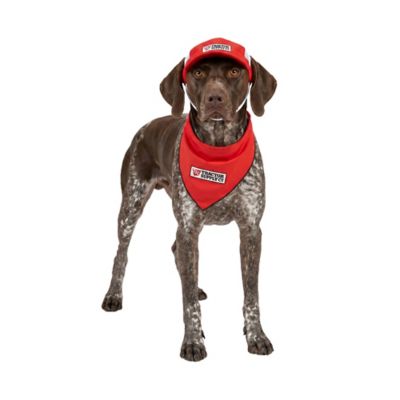
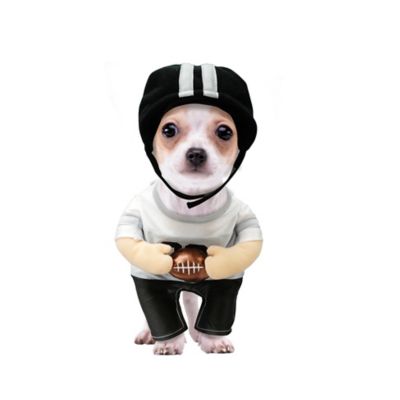
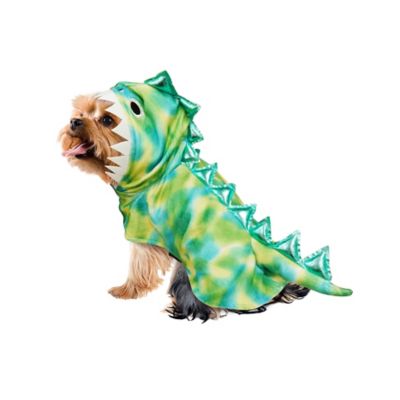
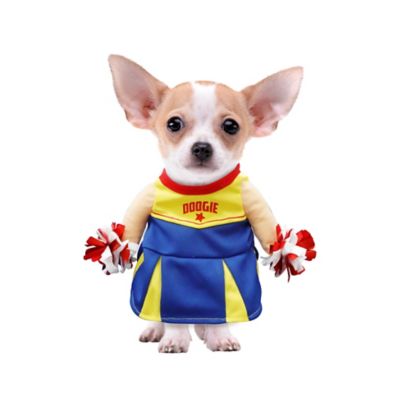
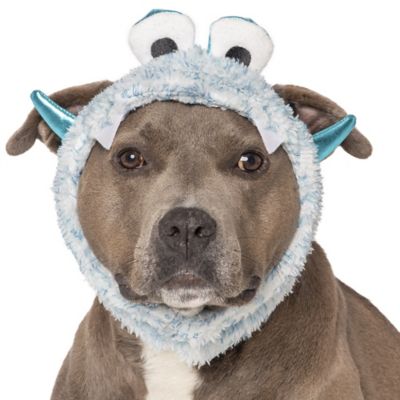
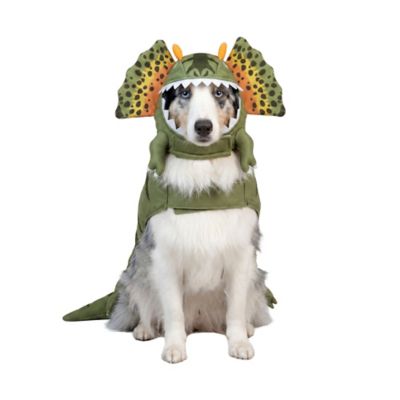
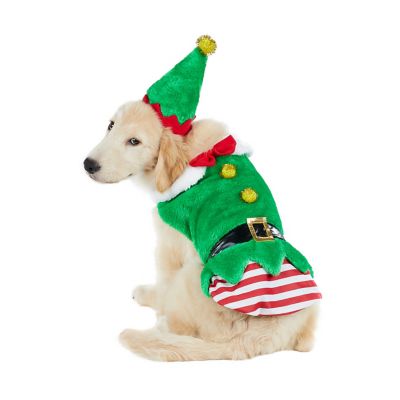
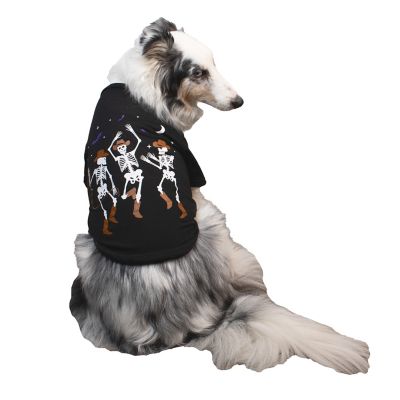
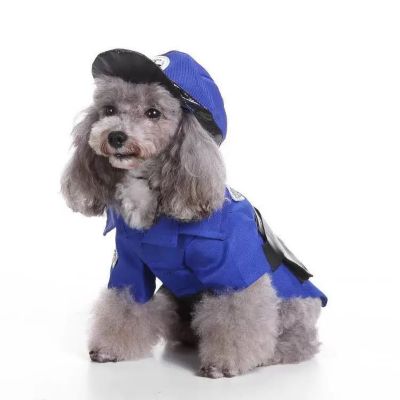
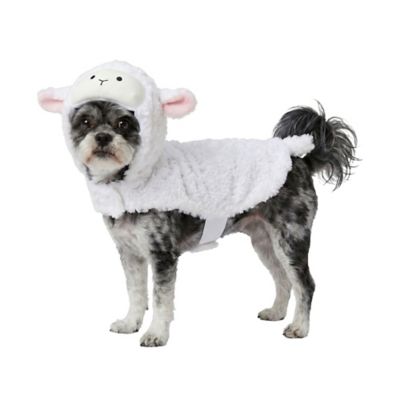
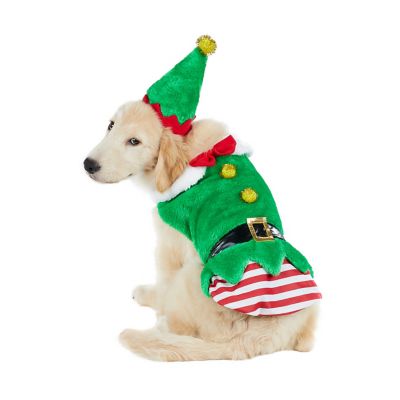
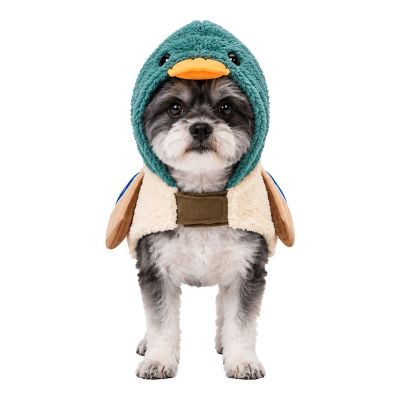
Halloween costumes for medium dogs bring a little extra fun to porch pictures, neighborhood trick-or-treating, and get-togethers where the family pup is welcome. For a dog that enjoys attention, an outfit can be part of the celebration without getting in the way of a good walk or a familiar game. Medium-size dogs cover a wide range of builds, though, so the word “medium” on a costume label is only a starting point. A deep-chested dog, a long-backed dog, and a compact, stocky dog may need different sizes even when they weigh about the same. The most helpful measurements are chest girth around the widest part of the rib cage, neck circumference where a collar normally rests, and back length from the base of the neck to the base of the tail. Those measurements, taken in inches while the dog stands naturally, can be compared with the size chart for each costume. Weight ranges offer extra context, but they do not replace body measurements. A comfortable fit leaves space at the neck and chest without loose fabric hanging near the paws. Leg openings should allow an easy stride, and the back of the outfit should leave the tail and bathroom areas clear. Stretch panels and adjustable closures can help accommodate different shapes, but neither makes up for a costume that is too small. When measurements fall between sizes, the size chart and the outfit’s shape matter more than simply choosing a roomier label. Extra length can create just as much trouble as a snug chest. For dogs whose measurements extend beyond a medium size chart, comparing
Halloween Costumes for Large Dogs can help narrow the fit. The goal is a costume that stays comfortably in place while the dog walks, sits, lies down, and turns around.
The best match also depends on how a dog feels about wearing something beyond a collar or harness. Halloween costumes for medium dogs range from simple, lightweight shapes to fuller outfits with padded details, sleeves, or separate headpieces. Pumpkin, animal, storybook, and playful character themes bring different looks, while the amount of coverage determines much of the wearing experience. A cape-style outfit may suit a dog that prefers its legs free, provided the fabric cannot swing underfoot. A pullover creates a more wrapped-up look, but needs enough stretch and a roomy opening to go on without pulling ears or legs into awkward positions. Front-leg designs can make for a funny photograph, although an easy, natural walking motion matters more than the effect. Lightweight polyester, soft knits, fleece, and plush fabrics are common costume materials. Their feel, thickness, and flexibility matter more than appearance alone: smooth linings help limit rubbing, flexible fabric moves with the body, and heavier padding adds warmth that may not suit an active dog or an indoor gathering. Raised seams, scratchy trim, and stiff edges deserve attention around the armpits, chest, and belly. Sewn-on details should sit securely, with no dangling pieces within easy chewing reach. Headpieces need special care because ears, eyes, and facial expressions are part of how dogs take in their surroundings and communicate. Nothing should cover the eyes, press on the ears, or interfere with panting, drinking, or taking a treat. For a stroll past porch lights and jack-o’-lanterns, access to a properly fitted harness or collar keeps the costume separate from the leash connection. Costume fabric and costume closures are not substitutes for walking gear. A clear leash opening is helpful only when it lines up with the dog’s regular equipment without bunching or pulling.
Intended use makes a difference when comparing Halloween costumes for medium dogs. A quick picture beside the front steps calls for a different level of coverage and movement than a longer neighborhood outing. For dogs joining trick-or-treaters, an outfit should leave room for a normal walking pace, a comfortable sit at the curb, and an easy drink of water along the way. Reflective details can add visibility, but they do not replace a leash, close supervision, or a light when walking after dark. At a gathering, loose ribbons, small attachments, and trailing fabric can catch on furniture or invite another pet to grab hold. Short, supervised wear is a sensible fit for many dogs, especially those new to clothing. A quiet try-on at home helps show whether the costume shifts, rubs, or changes the dog’s movement before extra people and doorbell noise enter the picture. Freezing in place, repeatedly pawing at the outfit, hiding, or trying to chew it off are reasons to take it off rather than press ahead for a photograph. Some dogs are happier celebrating with no costume at all. For outfits that do become part of the Halloween routine, sound stitching, firmly attached closures, and trim that stays put help them stand up to repeat wear. Care varies by fabric and construction, so the care label takes priority over a general wash routine. Some costumes allow machine washing, while padded shapes, attached trim, or structured pieces may call for spot cleaning or hand washing. Fastening hook-and-loop tabs before cleaning helps keep them from snagging other fabric, and thorough drying before storage helps prevent trapped moisture and odors. A clean, dry costume stored away from chewing pets is easier to bring out for another celebration. As a gift for a dog-loving friend or family member, a costume is most thoughtful when the dog’s measurements and comfort with clothing are known. A happy pup moving freely makes a better Halloween memory than an elaborate outfit that never feels right.