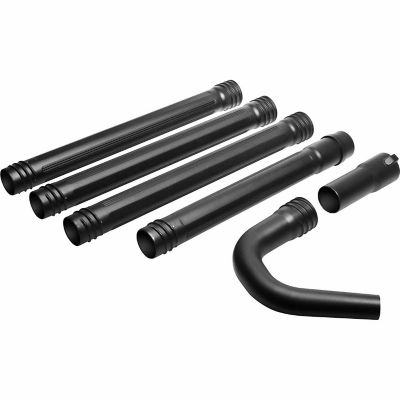
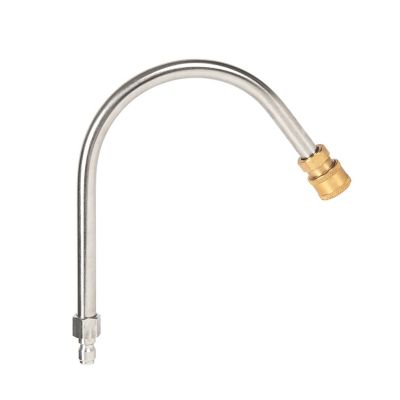
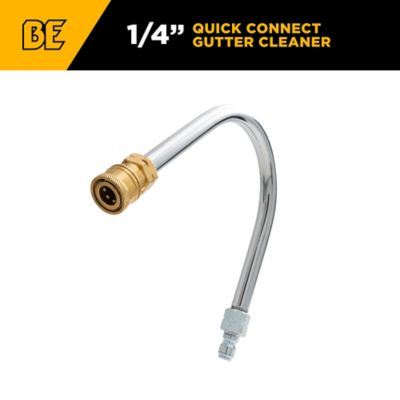
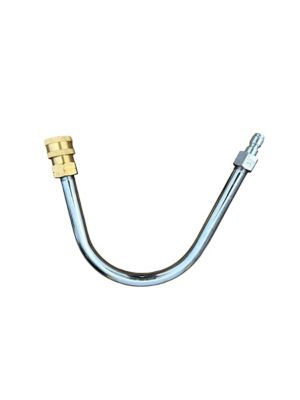
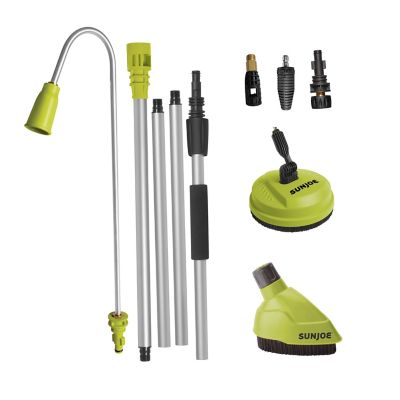
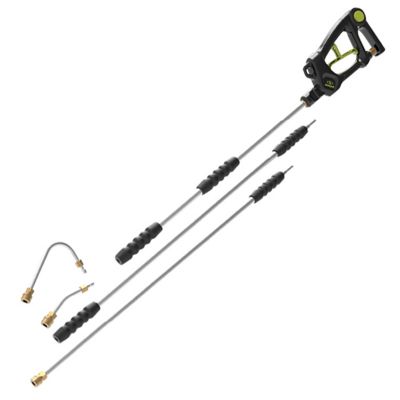
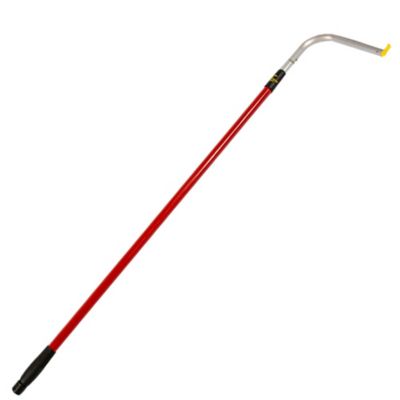
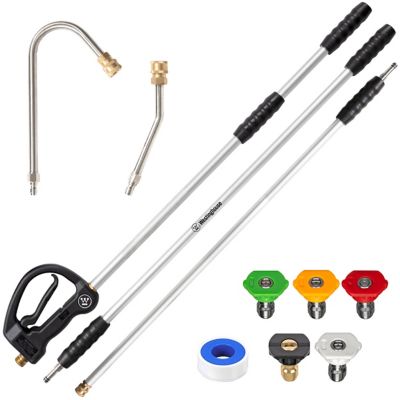
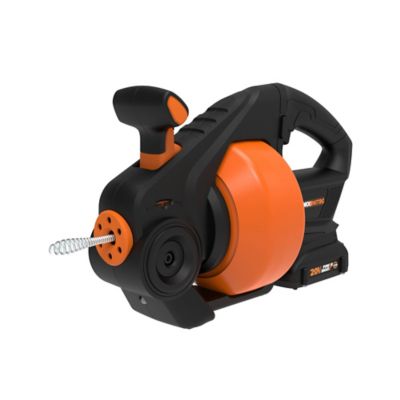
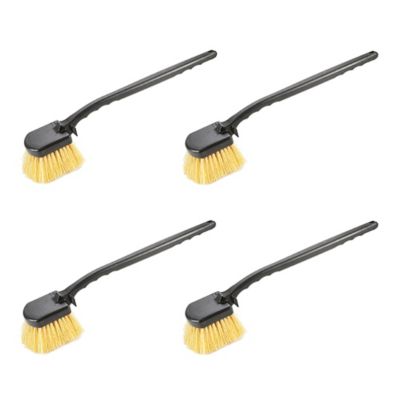
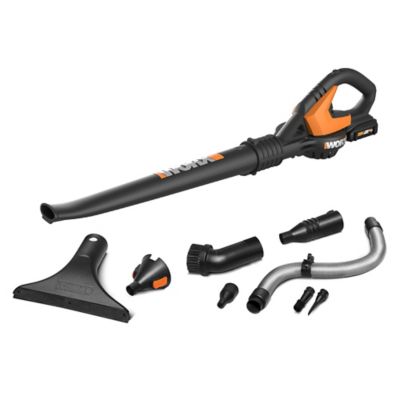
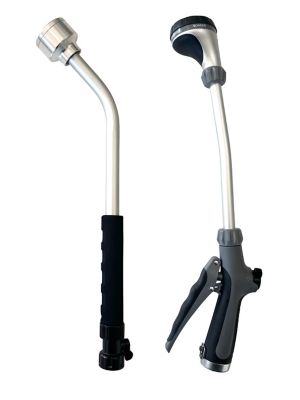
Gutter cleaning tools help clear leaves, pine needles, seed pods and roof grit from the channels that carry rainwater away from a house, barn or detached garage. The right tool depends on gutter height, the type of buildup and whether the work calls for ground-level reach or ladder access. Common options include telescoping poles, curved hose attachments, blower and vacuum attachments, gutter scoops and brushes, with different strengths for different jobs. A curved cleaning wand directs water into the gutter from below, while a blower attachment moves loose, dry material with airflow. Vacuum attachments collect debris rather than scattering it, though compatibility with the vacuum and its rating for dry or wet material matter. For packed leaves and muddy sediment within safe reach, a narrow scoop offers more direct control over what comes out of the channel. Brushes can help loosen material along the gutter bottom and around brackets, where a wider tool may not fit. Ground-based equipment can reduce the need for ladder access, but its usefulness still depends on reach, visibility, gutter shape and the weight of the assembled tool. A long pole that feels manageable at waist height can take considerably more effort to control when extended overhead, especially with a hose attached. Tools intended for ladder-access work offer a closer view of corners and downspout openings, but they belong with a suitable ladder setup rather than an awkward stretch across the roofline. Gutter guards also affect the choice: a covered channel may need a different cleaning approach than an open trough, and not every attachment fits beneath or around a guard. For a single-story farmhouse with open gutters, reach and a curved working end may be the main considerations. A taller building, deep gutter profile or tightly packed downspout opening calls for a closer look at the tool’s stated limits and whether the job is suitable for homeowner maintenance at all. Clearing the channel and clearing a blockage farther down the downspout are related tasks, but the same attachment may not handle both.
Materials and construction make a noticeable difference when a tool spends its working life around water, grit and damp leaves. Aluminum poles offer a practical balance of weight and stiffness, while fiberglass shafts provide another option where the tool’s weight and handling suit the job. No pole material makes work near overhead electrical lines safe; adequate clearance remains essential. Steel components can provide strength at joints and working ends, though their finish and care requirements deserve attention. Molded plastic scoops are generally lighter than metal versions and can lift soft buildup without bringing a sharp metal edge against the gutter. Smooth, rounded edges are worth considering around painted finishes, seams and sealant. Brush stiffness matters, too: bristles need enough body to move debris without being so aggressive that they scrape coatings or catch on gutter hardware. Fit goes beyond the width of the scoop or brush head. Gutter depth, curved bottoms, internal hangers and narrow spaces beneath roof overhangs all affect how freely a tool moves. A broad scoop may carry more leaves in one pass yet struggle around closely spaced brackets, while a slimmer head can reach tighter spots with a smaller load. Extension poles need secure locking sections that resist unwanted movement under the working load. Threaded ends, push-button connections and clamp fittings are not interchangeable, so matching the attachment to the pole matters as much as choosing the head itself. Hose-powered tools also depend on the correct hose connection and a water supply suited to their operating requirements. Blower and vacuum kits need the right tube diameter, connection style and equipment compatibility; a fitting that looks close may still leak air or separate during work. Longer reach also adds leverage at every joint. Total assembled length, tool weight and the position of the working end give a better picture of handling than pole length alone, particularly when reaching over a porch roof or working around a downspout elbow.
The buildup around a property helps explain which features earn their keep. Broad leaves can bridge a gutter opening, pine needles can weave around hangers, and small twigs can catch at corners even when the straight sections look clear. Loose material and waterlogged sediment behave differently, so a setup suited to blowing out dry leaves may not be the best match for lifting heavy muck. Water-powered attachments bring another consideration: spray direction matters around roof edges, siding joints and nearby openings, and more pressure is not automatically better. Splash protection, work gloves and eye protection are useful companions for handling gritty debris and working beneath an overhead channel. Footing and access deserve the same attention as the cleaning head, especially around gravel drives, planted beds and uneven ground beside outbuildings. Tall roofs, unstable access and gutters near electrical service lines are situations better left to an appropriately equipped professional. Cleanup below the gutter is part of the job as well, whether the debris lands on a lawn, walkway or barn apron.
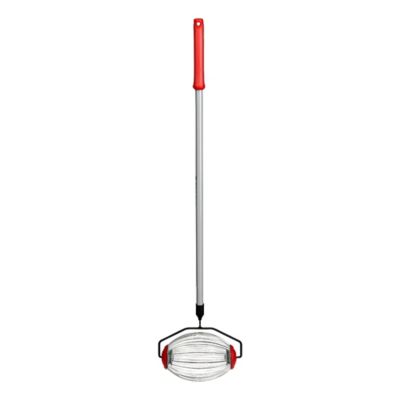
Tools For Leaf Removal can help round out a property-care setup for gathering fallen material after the channels are clear. Between jobs, care requirements are usually straightforward but still worth checking before choosing a tool. Rinsable heads, accessible joints and sections that separate easily make it simpler to remove grit, let parts dry and store the equipment without trapping moisture. Hose fittings benefit from sound washers, while threaded connections and pole locks need to stay free of packed dirt. Bent sections, cracked heads and loose fittings can affect control, particularly at full extension. Storage space matters on a working property, too: a collapsed pole fits differently in a shed than a fixed-length wand, and detachable heads are easier to keep together when they have a dedicated spot. A well-matched gutter cleaning setup keeps the focus on manageable reach, proper fit and the kind of debris the property actually produces.