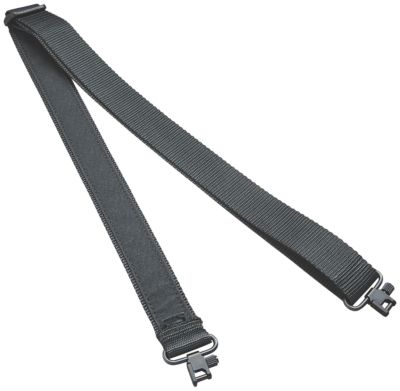
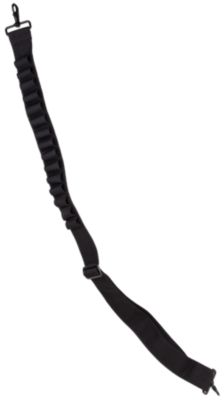
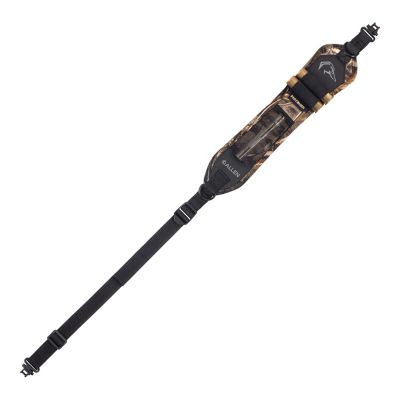
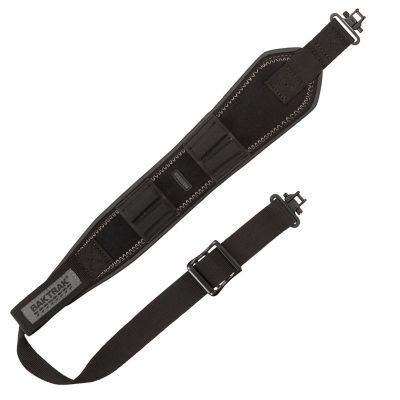
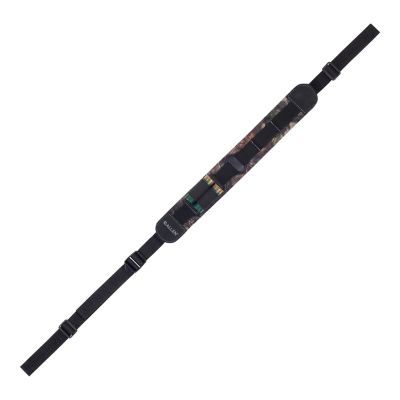
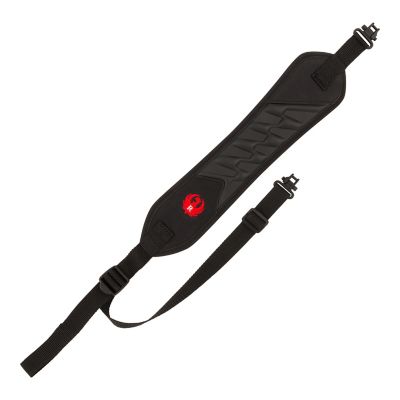
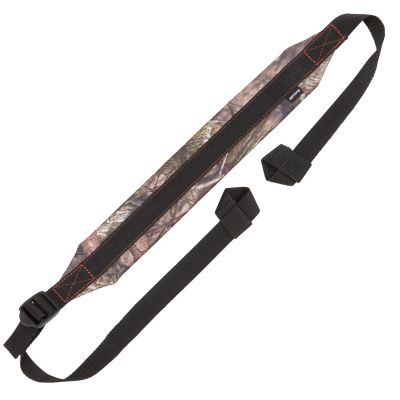
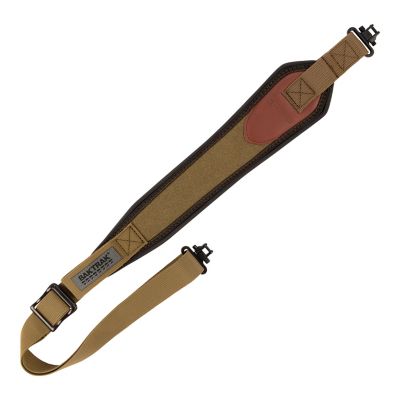
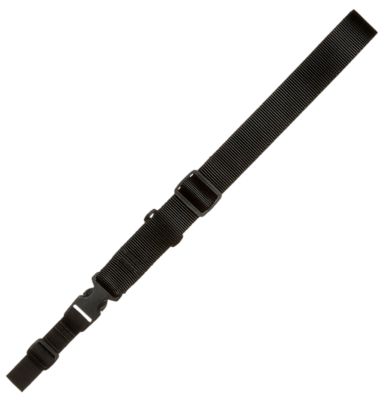
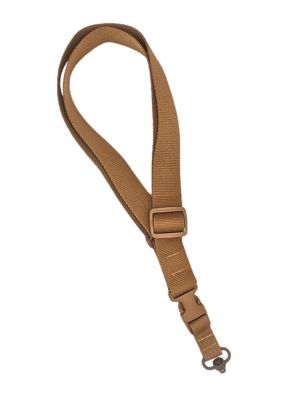
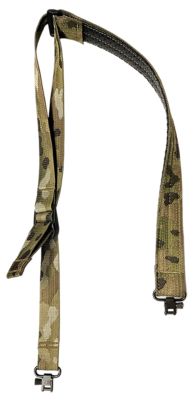
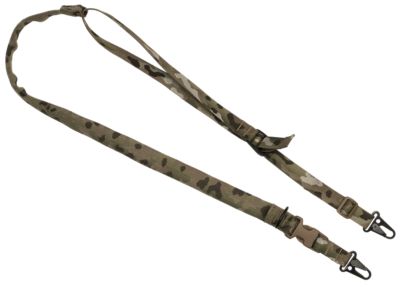
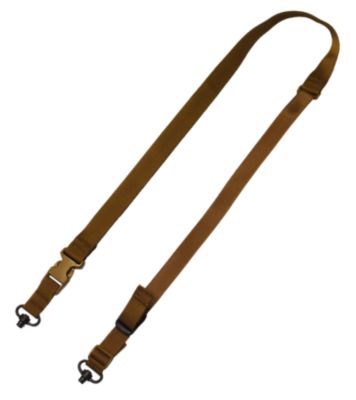
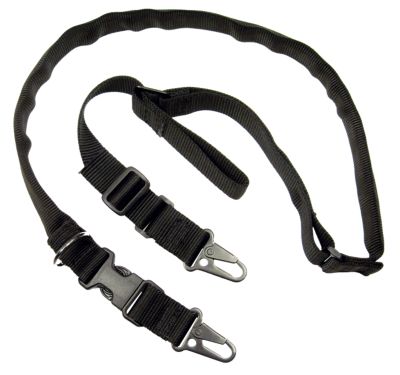
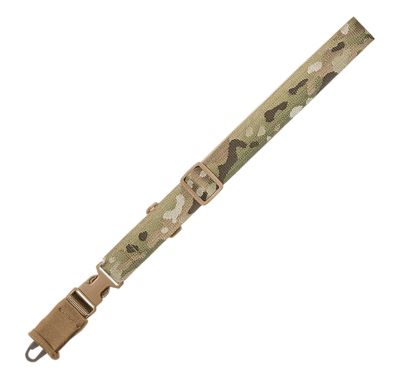
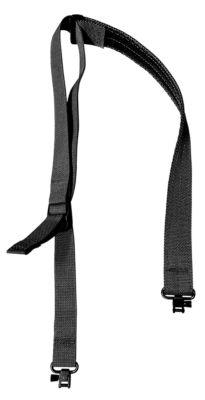
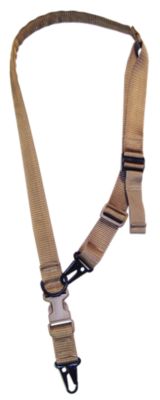
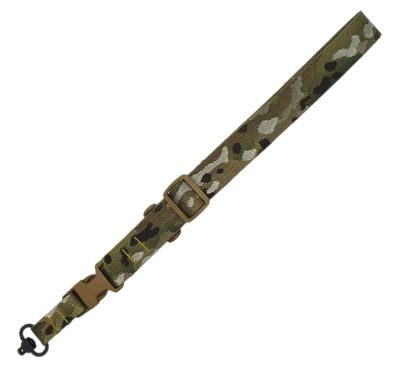
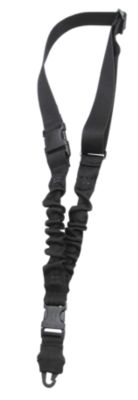
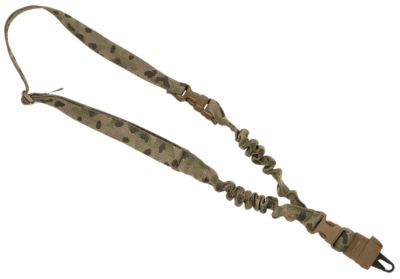
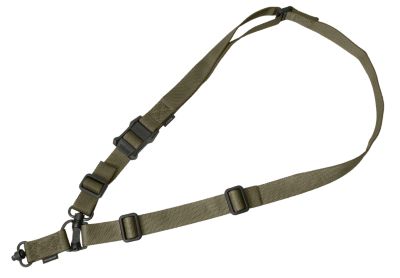
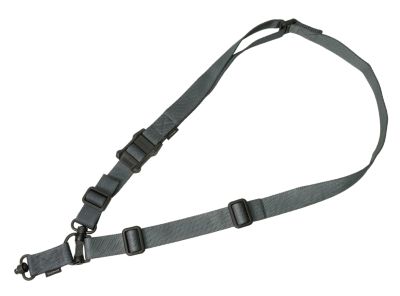
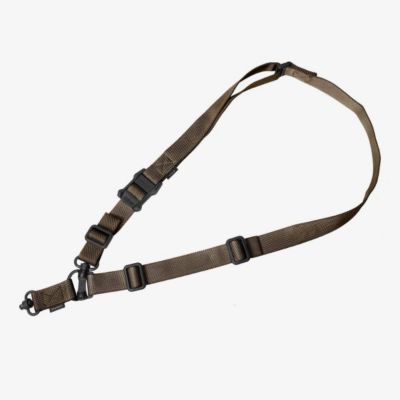
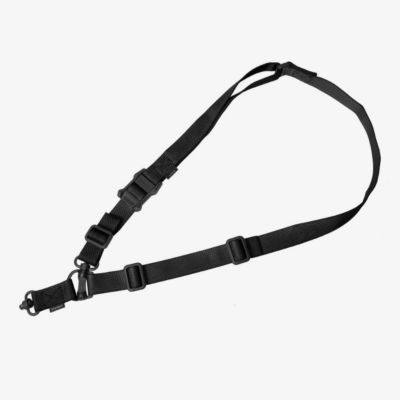
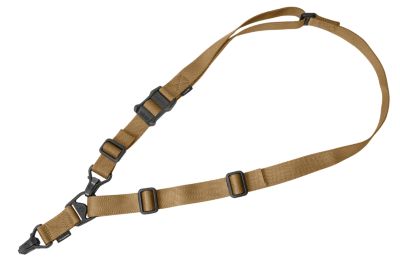
Gun slings for shotguns are carrying straps that attach to a shotgun and support its weight over a shoulder or across the body. A properly fitted sling can make a long walk less tiring and leave your hands free for other gear, though safe firearm handling still comes first. For hunters walking field edges, landowners covering ground on foot, and shooting-sports enthusiasts moving between designated areas, a sling is a practical part of a carrying setup. The right fit helps keep the firearm from shifting with every step, whether you are following a farm lane or heading back to the truck with a gear bag. Two-point shotgun slings attach near the front and rear of the firearm and are a common choice for steady shoulder carry. Their two attachment points help manage how the shotgun hangs, while adjustable straps accommodate different body sizes and carrying preferences. Single-point slings connect at one location, generally toward the rear, and allow more movement; that extra movement can also let the firearm swing while walking. Compatibility matters with either style, since shotguns differ in their attachment provisions. Some sling designs include shell loops, bringing spare ammunition into the carrying setup without a separate pouch. Loop size, shell retention, and the extra weight of loaded loops are all worth considering, particularly when the shotgun will spend a good stretch of time on your shoulder. A plain strap keeps the setup simpler, while a padded strap adds cushioning where the firearm’s weight rests. Neither approach suits every person or every outing. Someone making a short walk to a designated shooting area may prefer less padding and fewer extras, while a hunter carrying additional gear may appreciate a broader shoulder section. The useful distinction is how the sling carries the shotgun, not how many features it has. A strap that sits comfortably, stays adjusted, and matches the firearm’s mounting system has a clear job to do.
Materials and construction shape how a shotgun sling feels in everyday use. Nylon webbing offers a lightweight option with a woven surface and relatively straightforward care. Webbing thickness, edge finishing, and stitching affect comfort as well as wear resistance, especially where a strap passes through adjustment hardware. Leather has a familiar look that pairs naturally with a wood-stocked shotgun, and its feel can soften with appropriate care. It also calls for attention to drying, conditioning, and storage so the strap does not become stiff or develop cracks. Neoprene shoulder sections provide cushioning and some give, while textured backing can help limit slipping against clothing. Padding is not the only comfort factor: strap width, the position of the shoulder section, and the weight of the shotgun all play a part. A narrow strap may pack neatly, but a broader contact area can spread the load more comfortably across the shoulder. Adjustment range deserves the same attention as material. The sling should suit your height, shoulder width, and preferred carrying position without leaving a long tail of loose webbing to catch on brush or gear. Easy-to-reach adjusters can be helpful, but they should also hold their setting rather than creep under the firearm’s weight. Attachment fit is just as important. Sling swivels, clips, loops, and quick-detach connections are not interchangeable across every shotgun, and some attachment hardware may be separate from the strap. The firearm’s mounting provisions, connection dimensions, and manufacturer guidance determine what fits. Clearance around the fore-end and other moving parts matters, too; a sling should not interfere with the shotgun’s operation. Flush stitching, secure seams, and smoothly finished hardware help reduce rubbing against clothing and contact marks on the firearm. For a setup that gets carried often, these small construction details can matter more than a busy pattern or extra attachments.
Care and storage help keep a shotgun sling ready for its next outing. Dirt and grit can collect in woven straps, padding, and attachment hardware, especially after a walk along dusty trails or through thick cover. Cleaning methods should match the material and the manufacturer’s directions. Many synthetic straps tolerate gentle surface cleaning, while leather generally needs products intended for leather rather than a soaking or harsh household cleaner. Padding and webbing should dry fully before enclosed storage, and any care product should stay away from ammunition and firearm components unless the manufacturer specifically permits contact. Inspection is part of ownership as well: frayed edges, pulled stitching, cracked leather, bent hardware, or an adjuster that slips can affect how securely the sling supports its load. Make attachment changes and inspect fit with the shotgun unloaded, following its manual. A sling is a carrying accessory, not a substitute for keeping the muzzle pointed in a safe direction or keeping a finger outside the trigger guard. It also does not replace a firearm case or secure storage. Range rules may limit sling use, so the carrying setup needs to suit the destination as well as the walk there. Shell-holding straps bring another consideration: loaded loops add weight and can change the way the strap settles on the shoulder, making both shell fit and carrying comfort important. Other carrying gear, including
Belt Holsters, serves a separate purpose; a holster carries a compatible handgun at the waist, while a shotgun sling supports a long gun through its attachment points. For a hunting buddy or family member who enjoys time at the range, a sling can be a practical gift when the shotgun’s connections and the recipient’s preferences are known. A simple strap, a cushioned shoulder section, or a leather design each brings a different feel. The best match is the one that fits the firearm, carries comfortably, and suits the owner’s routine without adding unnecessary fuss.