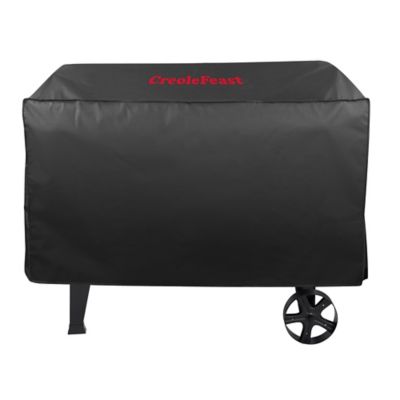
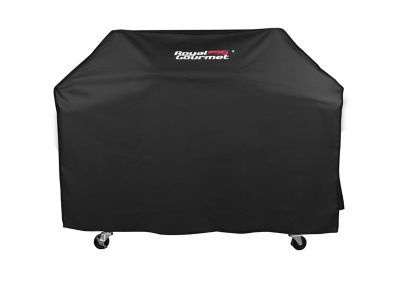
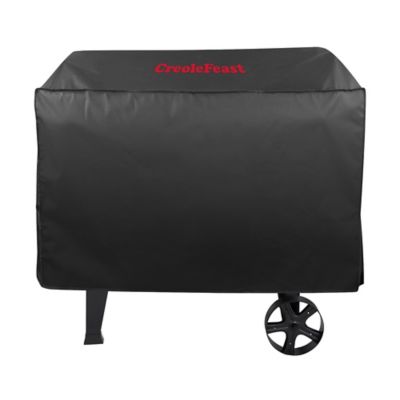
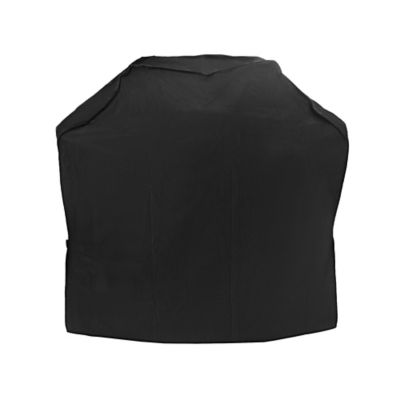
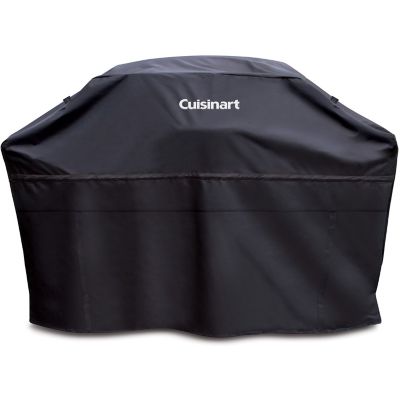
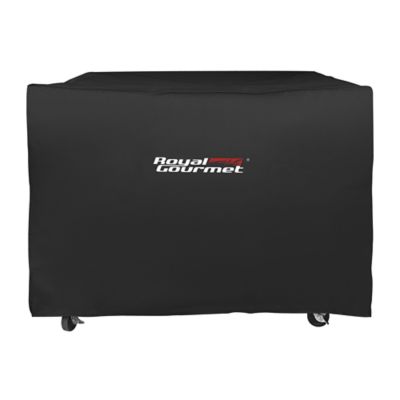
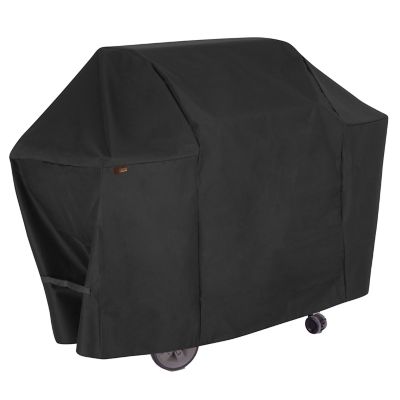
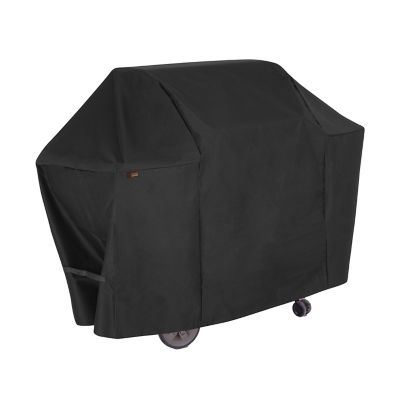
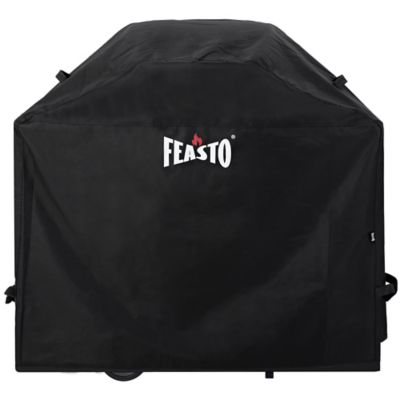
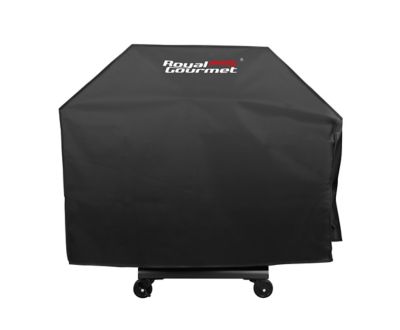
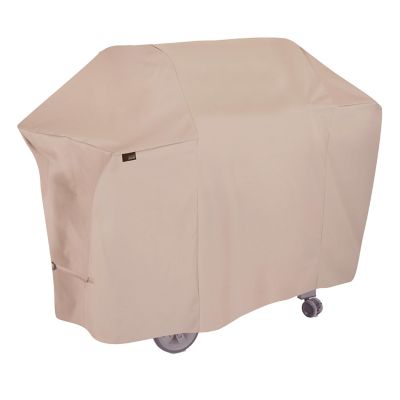
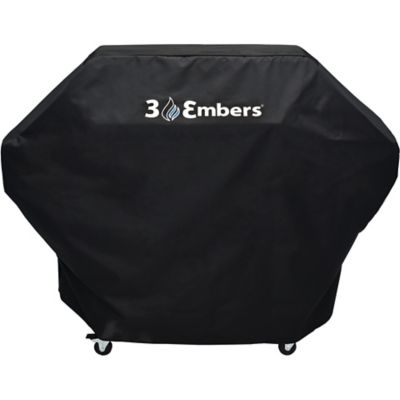
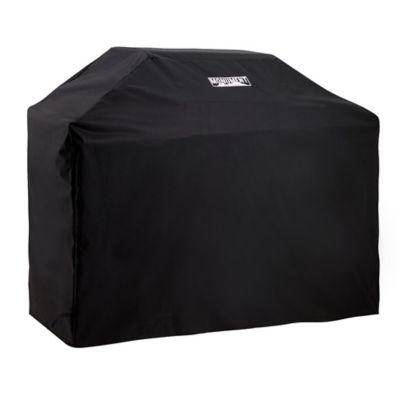
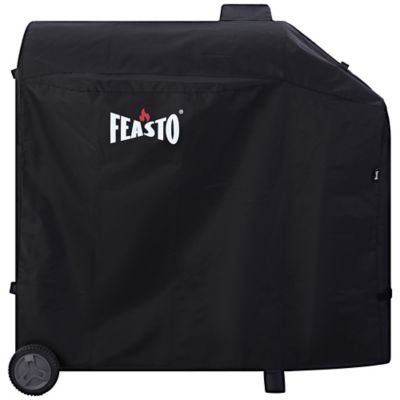
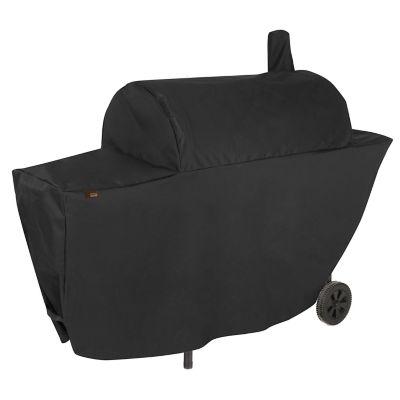
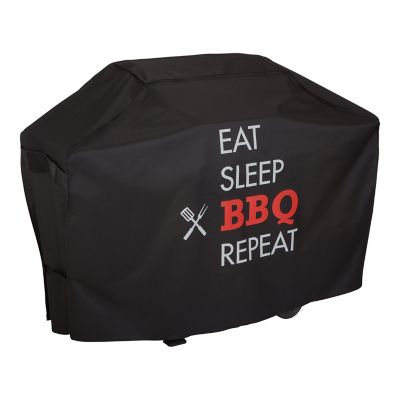
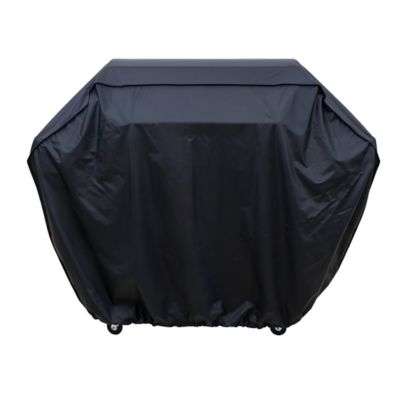
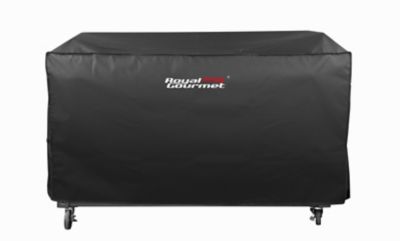
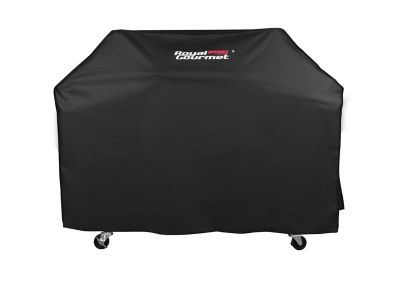
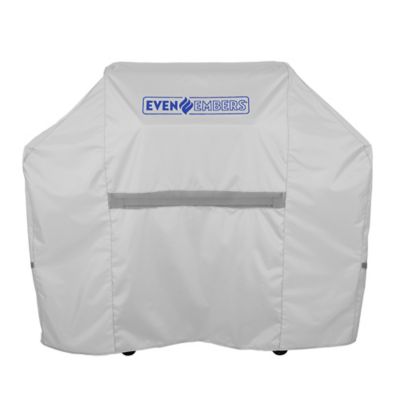
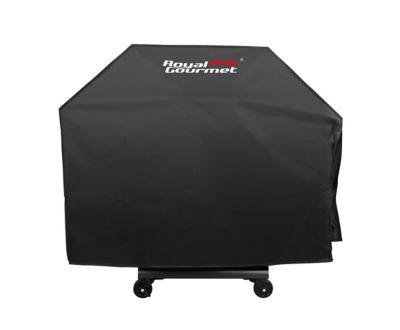
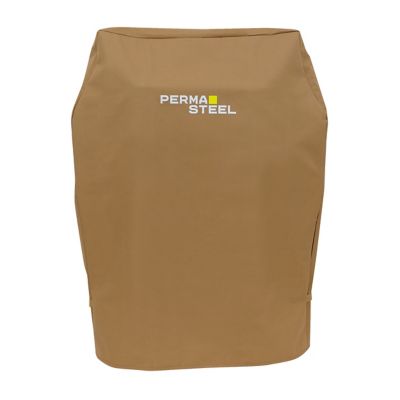
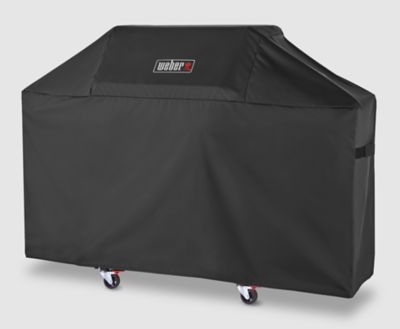
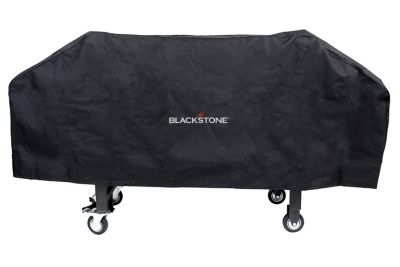
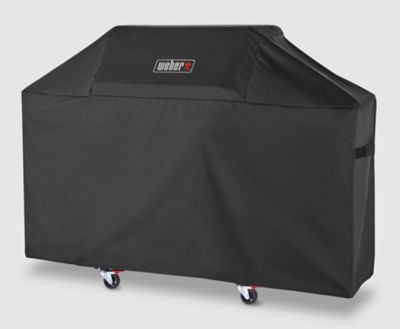
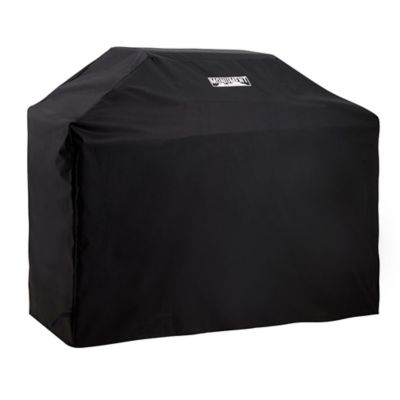
Weather-resistant grill covers help protect outdoor grills from rain, snow, sun exposure, blowing dust and everyday debris between cookouts. A cover creates a barrier over the lid, cooking chamber and exterior surfaces, helping keep bird droppings, fallen leaves and grit from settling into handles, hinges and other hard-to-clean spots. That protection comes in handy whether a grill sits beside a gravel drive, out on an open deck or under a porch roof where wind can still carry rain. Common cover materials include woven polyester and vinyl, with some fabrics featuring a backing or coating that helps shed water. Polyester offers a fabric-like feel and can be easier to fold, while vinyl provides a wipe-clean surface; actual flexibility and resistance to tearing depend on the material and construction. Polyurethane and other water-resistant coatings can help keep moisture from passing through the outer fabric, though seams, openings and wear also affect performance. Weather resistant does not automatically mean waterproof. A water-resistant grill cover generally sheds rain and splashes, while a waterproof designation should be supported by the manufacturer's stated protection level and construction details. Neither term means a cover can prevent every bit of moisture from reaching a grill under every condition. Wind-driven rain can find openings, and condensation can develop underneath when damp air gets trapped against cooler metal. Covered vents can encourage airflow while helping limit direct entry of rain, making ventilation worth considering alongside water protection. Sun exposure matters, too, since ultraviolet light can fade fabric and weaken some materials over time. UV-resistant construction helps address that exposure, but it does not make a cover immune to aging. For grills that stay outside through freezing conditions, material flexibility also matters: a stiff cover can be awkward to lift over handles and corners. Fabric, coatings, stitching and ventilation all contribute to how a cover handles life outdoors, rather than thickness alone telling the whole story.
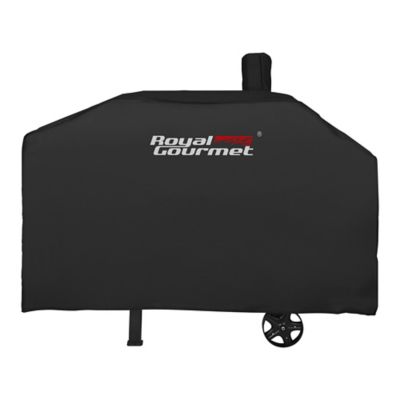
Fit makes a noticeable difference in how well a grill cover stays put and sheds weather. Grills with rounded kettles, barrel-shaped bodies, tall lids and wide side shelves need different cover shapes, even when their listed cooking areas sound similar. Overall width, depth and height are more useful measurements than burner count or cooking-surface size. Width needs to account for side shelves in their intended storage position, while depth should include protruding handles or rear features where the cover manufacturer specifies them. Height matters because a cover that drags on the ground can collect dirt, sit in puddles or catch beneath wheels. A little clearance at the bottom helps keep the hem away from standing water and leaves room for air movement. At the same time, a cover that barely reaches over the lid leaves more of the grill exposed to windblown rain and dust. Enough room to slip over corners without pulling hard at the seams makes everyday handling easier, but large pockets of excess fabric can flap in the wind and gather water. Adjustable straps, buckles, drawcord hems and hook-and-loop closures help manage that extra room and secure the cover around the grill's shape. Their usefulness depends on placement as much as quantity; a strap near the lower cabinet serves a different purpose than a loose tie around an open cart. For a grill that stays on an exposed patio or gets covered after frequent meals,
Heavy Duty Grill Covers bring added emphasis to features such as substantial fabric, reinforced stress points and secure closures. Those features still need to suit the grill's dimensions and surroundings. Strong stitching around handles and corners is especially helpful where the cover gets tugged during removal, while accessible lift handles make a large cover less awkward to gather without scraping it across the ground.
Regular care helps a weather-resistant grill cover keep doing its job without turning every cookout into another chore. A grill needs to be completely cool before a cover goes on, and the grill manufacturer's cooling and covering directions take priority. Hot lids, grease trays and exhaust areas can damage cover material and create a fire hazard. Letting exterior surfaces dry before covering also helps avoid trapping moisture after rain or cleaning. For routine cleanup, a soft brush or cloth can lift loose dirt before a gentle rinse; mild soap may be appropriate when the care label allows it. Harsh cleaners, abrasive scrubbing and machine washing can harm coatings or seams, so the cover's own washing directions matter. Drying it fully before folding helps prevent damp fabric from sitting pressed together in a storage bin or on a shelf. After a storm, clearing leaves and other debris keeps wet material from resting on top for days. Snow should be brushed away gently rather than knocked off with a sharp tool, and frozen fabric should have time to loosen before anyone pulls it over a corner. Small checks around stitched seams, fastening points and the hem can reveal wear before an opening gets larger. Even a covered grill benefits from an occasional look underneath, particularly after extended wet weather or a stretch without cooking. For a household that grills supper several nights a week, easy removal and manageable storage can matter as much as extra fabric weight. For a grill that sits between gatherings, secure fastening and ventilation deserve close attention. A properly fitted cover can also make a practical gift for a backyard cook, provided the grill's measurements and shape are known. From burgers after chores to a full spread for visiting family, a well-matched cover helps keep outdoor cooking equipment cleaner between meals and cuts down on the wiping and brushing before the next fire gets lit.