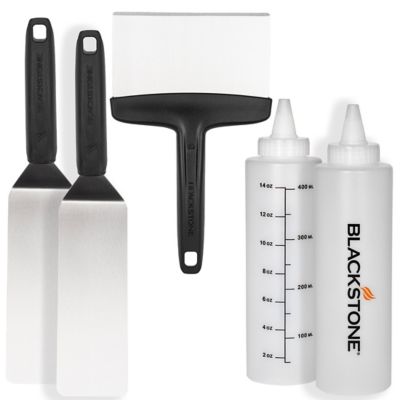
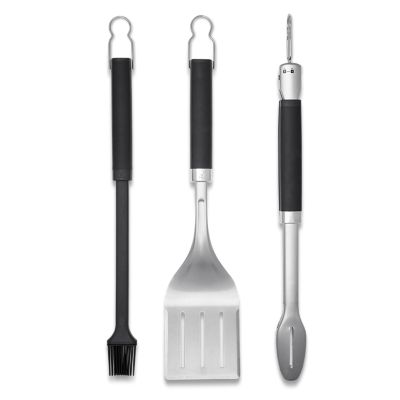
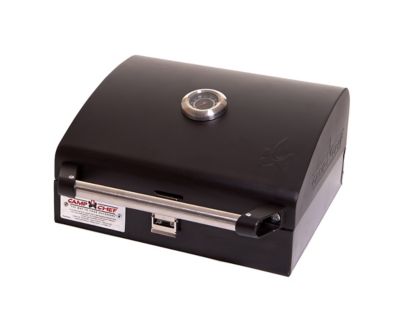
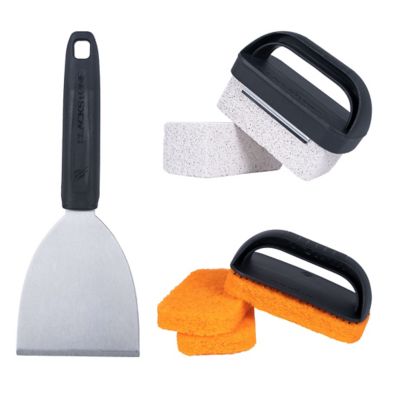
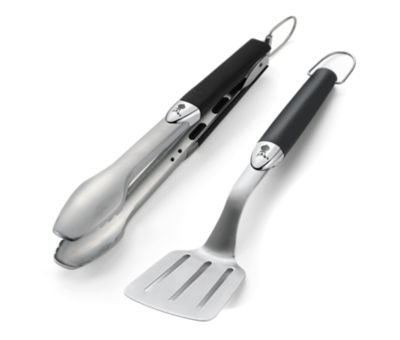
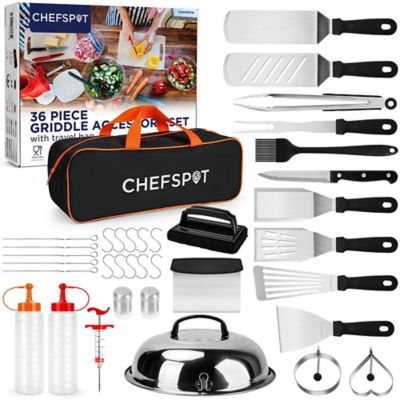
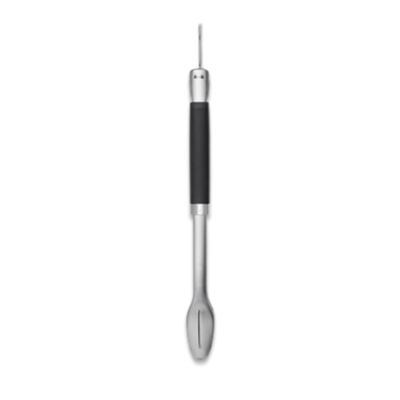
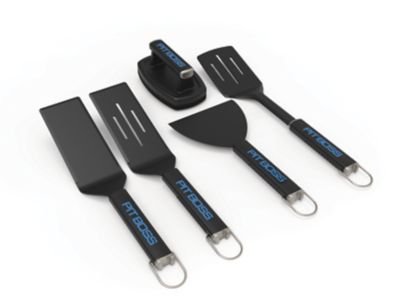
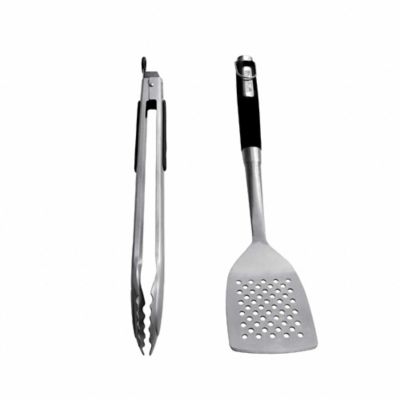
The core grill accessories for everyday outdoor cooking include a meat thermometer, long-handled tongs, a sturdy spatula and a grate-cleaning tool. Each serves a different purpose, from checking the center of a thick pork chop to lifting a burger without leaving half of it stuck to the grate. A meat thermometer checks doneness without relying on color or cutting food open. Instant-read designs suit quick checks across several pieces of meat, while leave-in probes can track a larger roast throughout a longer cook when their probes and cables are rated for that job. Probe length, display visibility and the recommended operating range all matter, especially when working around a deep cooking chamber or reading the screen from a standing position. Food safety is part of that choice: poultry needs to reach 165°F, ground meats such as beef and pork need 160°F, and whole cuts of beef, pork, veal and lamb need 145°F followed by a three-minute rest. Long-handled stainless steel tongs provide reach and control for turning sausages, shifting chicken pieces or moving corn away from a hot spot. A comfortable grip, manageable spring tension and jaws that meet evenly make a difference when supper involves several rounds at the grill. A wide spatula offers support beneath burgers and fish, while a thinner leading edge slides beneath food more easily. Longer handles add distance from the cooking surface, though extra length can feel awkward on a small grill or crowded side shelf. Heat-resistant gloves add another layer of protection for tasks within their stated ratings; they are not a substitute for keeping hands clear of flames. For the person cooking family supper after chores or feeding a crew gathered in the yard, the right mix of grilling tools comes down to steady handling, enough reach and a clear way to check what is happening inside the food.
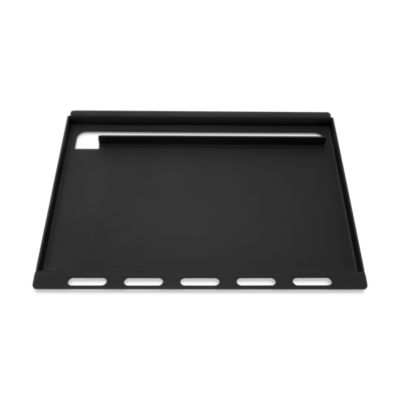
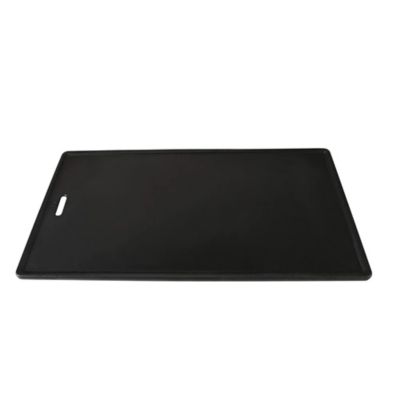
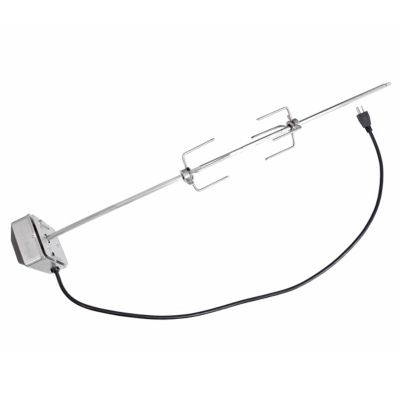
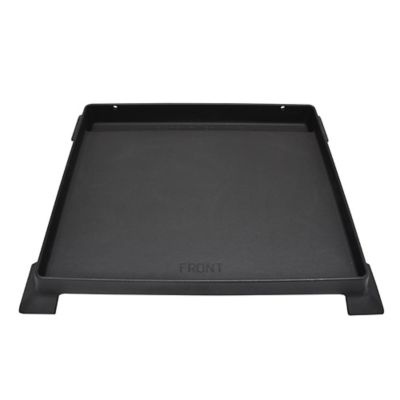
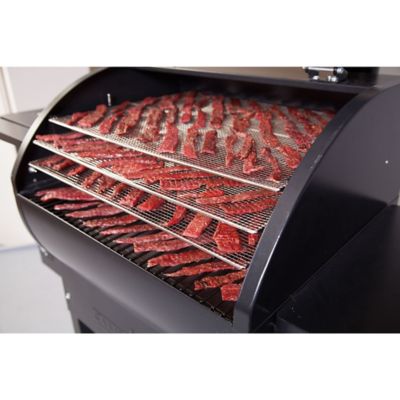
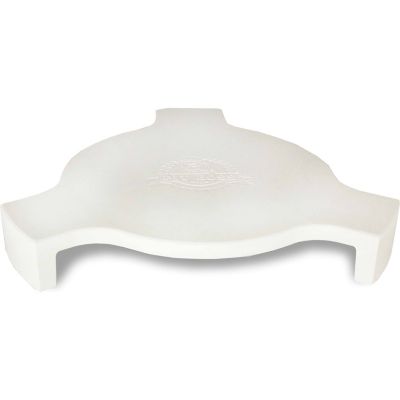
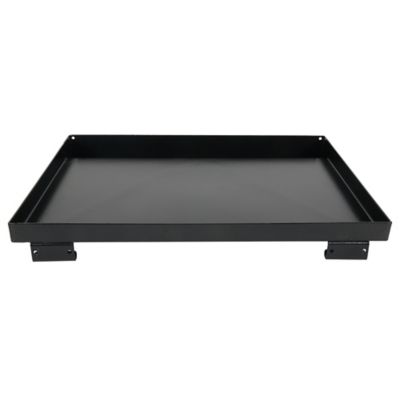
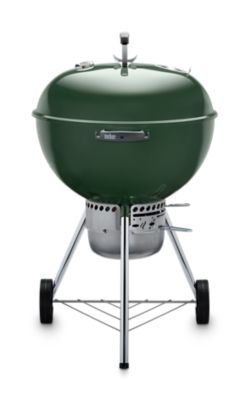
Grill accessory fit depends on more than whether a tool sits neatly beside the grill. Gas, charcoal and pellet grills can have different cooking dimensions, grate layouts, lid clearances and grease-management systems. Replacement grates, warming racks, drip pans and attachments need measurements and compatibility information that match the equipment. Even accessories that rest on top of the cooking surface need enough room for the lid to close and for air and heat to move as intended. A grill basket can keep sliced peppers, onions and smaller vegetables together instead of letting them slip between the bars. Perforated surfaces allow contact with heat and smoke, while solid griddle surfaces suit foods such as eggs, chopped vegetables and smaller pieces that need broad support. Neither style works the same way as an open grate, so the intended meal matters as much as the available cooking space. Racks that hold food upright can free space on the grate, but their height becomes important beneath a shallow lid. Rotisserie attachments also depend on the grill’s mounting points, motor requirements and clearance around the turning food. Materials bring another set of practical differences. Stainless steel is common in grilling tools because it resists rust and cleans up readily, although it still benefits from washing and thorough drying. Cast iron holds heat well and needs care that protects its seasoned surface. Porcelain-coated surfaces call for utensils and cleaning methods that will not chip or scratch the coating. Wood handles can feel comfortable in the hand but generally need protection from soaking and direct flame. Silicone components need a heat rating suited to their location, and any grip or handle should stay outside direct heat unless its instructions specifically allow otherwise. For repeated lifting, scraping and turning, solid joints, secure handle attachments and balanced weight are useful signs of construction suited to the work. A hefty tool is not automatically the better choice if it becomes tiring halfway through a full grate of food.
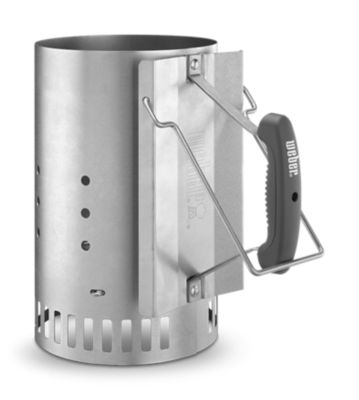
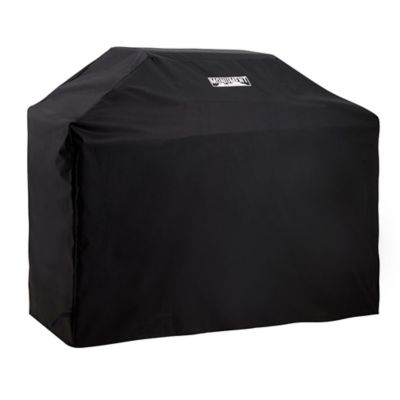
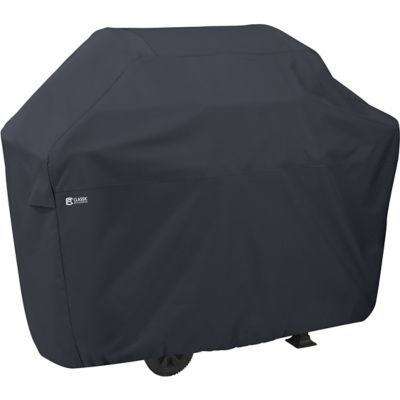
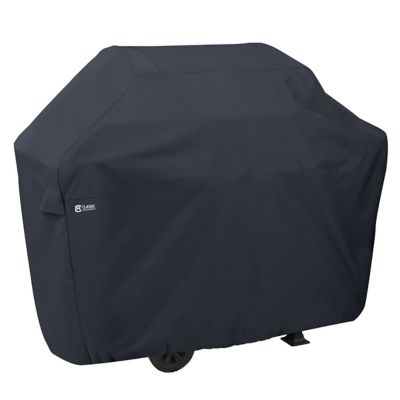
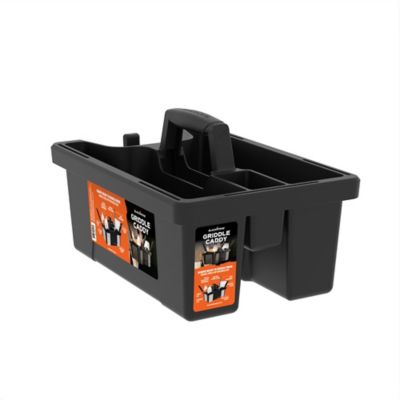
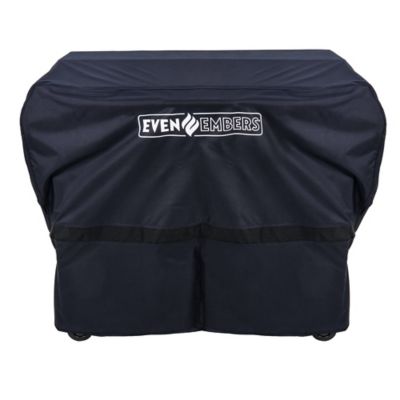
Care and storage help grill accessories stay ready for the next meal rather than becoming another cleanup project. Grease, salt and food residue can collect around hinges, seams and probe connections, so a shape that is easy to wipe or wash has everyday value. Dishwasher compatibility varies by material and construction; wood handles, electronic components and seasoned cast iron often need different treatment from plain stainless steel utensils. Thermometer probes need cleaning between checks of raw and cooked food, while separate serving utensils and platters help keep finished food away from raw juices. Grate-cleaning tools also deserve attention before they touch the grill. Bristle-free brushes, scrapers and other cleaning designs offer different ways to lift residue, and their shape should suit the grate material. Any cleaning tool needs inspection for wear, loose parts or damaged edges. Wire-bristle brushes require particular care because detached bristles can remain on the grate and transfer to food; checking both the brush and cooking surface matters. Grease-catching pans need the correct placement and capacity for the grill rather than a makeshift arrangement that blocks airflow or interferes with burners. Storage works best when tools are clean and dry, with sharp edges, pointed skewers and thermometer probes protected from knocks. Hanging loops and locking tongs can save space, provided stored tools stay clear of hot surfaces. Properly fitted
grill covers help keep dust, dirt and debris off the grill between cookouts, with dimensions that account for side shelves and other attached parts. The grill needs to be fully cool before covering, and damp surfaces need time to dry. Grill accessories also make practical gifts for someone setting up a backyard cooking space, moving into a new home or spending more time cooking outside. Matching the gift to the recipient’s grill and usual meals makes it more useful than choosing by appearance alone, whether that means comfortable everyday tools for burgers and chicken or equipment suited to slow-cooked roasts and larger gatherings.