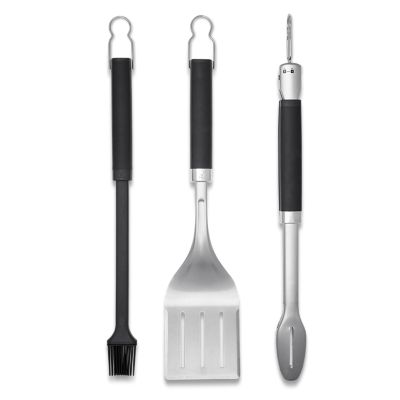
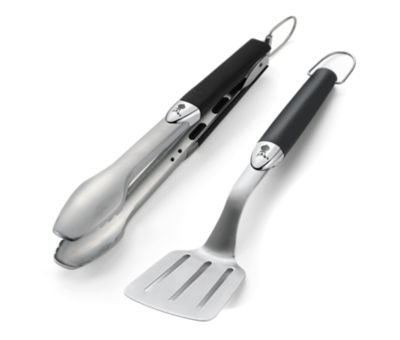
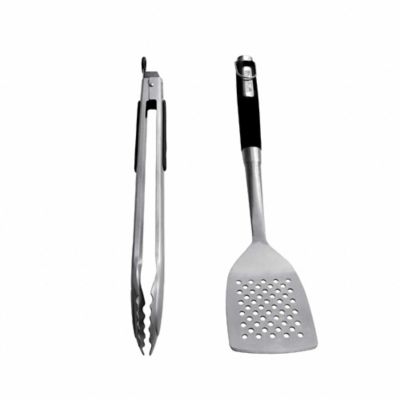
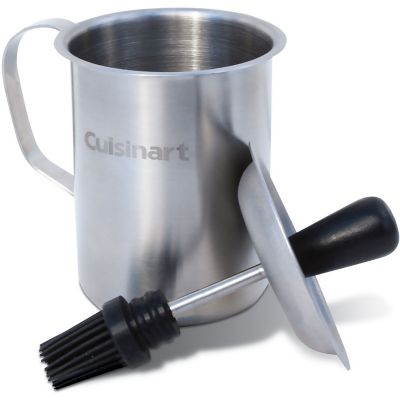
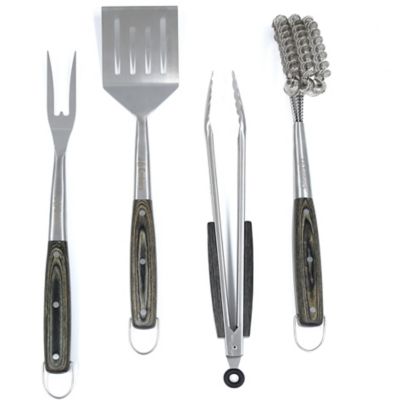
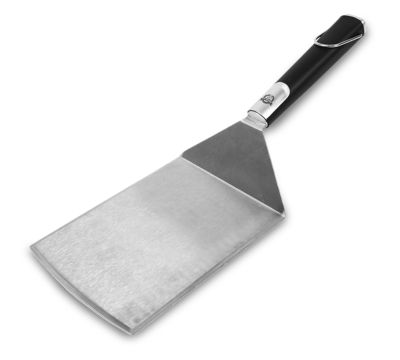
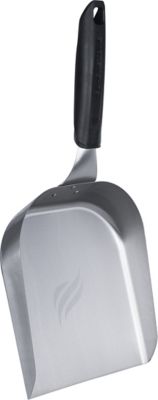
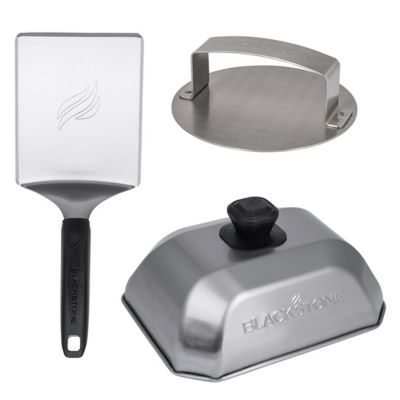
Grilling tools handle the everyday work of turning food, checking doneness, adding sauce, and keeping the cooking surface ready for the next round. For most backyard setups, the core tools include long-handled tongs, a slotted spatula, an instant-read meat thermometer, and a bristle-free grill cleaner suited to the grates. Each has a different job, and a few well-matched pieces can make more sense than a crowded drawer of tools that rarely leave the kitchen. Stainless steel tongs offer a firm hold on steaks, chicken pieces, and ears of corn without piercing the food. Handles around 16 inches long provide extra reach over a hot grate, though the best length also depends on the grill’s depth and the cook’s comfort. Scalloped ends help grip rounded or slippery foods, while a locking mechanism keeps the tongs tucked together between meals. A broad spatula supports burgers and larger portions during a flip; a thinner, beveled leading edge slips beneath food more easily, and slots let grease drain away. Fish and other tender foods benefit from a turner with enough width to support the portion without folding it. An instant-read thermometer checks internal food temperature rather than leaving doneness to appearance alone. A narrow probe and an easy-to-read display are helpful when checking several pieces before bringing supper to the table. Basting brushes round out the basics for cooks who finish ribs with sauce or brush vegetables with oil. Silicone bristles can be easier to rinse clean than tightly packed natural fibers, provided the brush is rated for the heat involved. From a quick meal after chores to a cookout with the whole family, grilling utensils work best when their size and shape match the food on the grate. A heavy steak calls for a different grip than a tender fillet, and a small grill leaves less room to maneuver than a wide cooking surface. Those practical differences matter more than having every tool in a matching set.
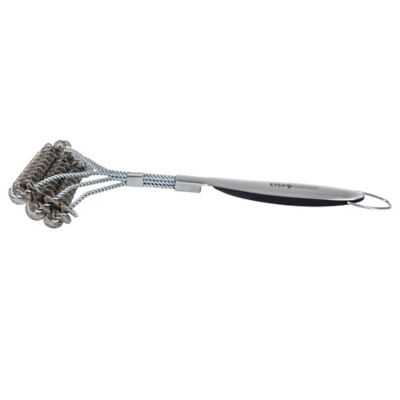
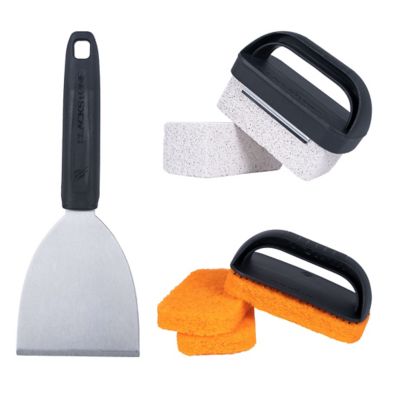
Materials and construction affect how grilling tools feel in the hand and how well they hold up to regular cooking and cleaning. Stainless steel is a common choice for working ends because it resists corrosion and handles contact with food and cooking oils. Thickness matters, too: a spatula should support a loaded burger without excessive bending, while tongs need enough spring to open smoothly without wearing out the cook’s hand. Well-fitted joints, smooth edges, and handles that do not twist under pressure are worth a close look. Wood handles offer a comfortable grip, but generally call for hand-washing and prompt drying rather than a trip through the dishwasher. Silicone grips can add traction, although their heat limits still matter. No handle belongs resting against a hot grate or hanging over a burner. Handle length is a tradeoff between reach and control; an extra-long utensil may suit a deep grill but feel awkward around a smaller cooking area. The same fit considerations apply to cleaning tools. Scrapers need edges compatible with the grate material, especially when working around coated surfaces that can scratch. Bristle-free designs avoid loose wire bristles, but every cleaner still needs inspection for worn edges, loose parts, or trapped debris. Cleaning methods should follow the grill manufacturer’s directions, including whether the surface should be warm or cool. Care between cookouts also makes a difference. Grease and sauce left around hinges or handle joints can make tools sticky and harder to operate. Dishwasher-safe labeling takes the guesswork out of cleanup, while hand-wash-only pieces need separate attention. Thorough drying before storage helps limit rust spots and keeps moisture out of cases and drawers. Thermometers have their own care needs: probe cleaning, battery access, water-resistance limits, and storage protection all deserve consideration. Instant-read models generally are not intended to stay inside a closed grill throughout cooking. Leave-in probes serve a different purpose, with cables and connectors that need placement away from direct flame and other conditions outside their rated limits.
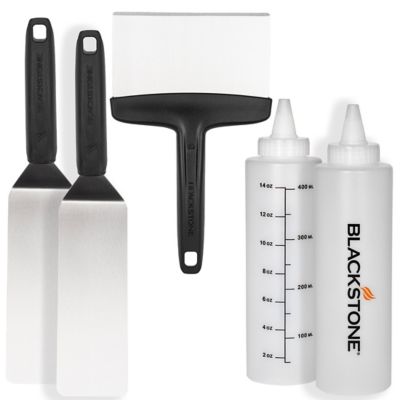
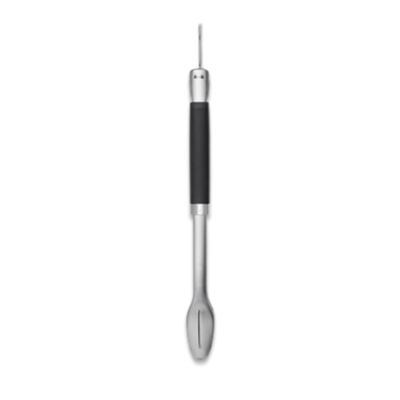
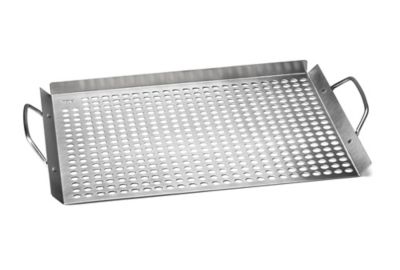
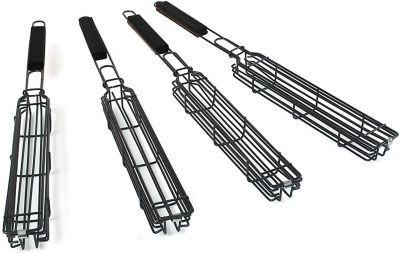
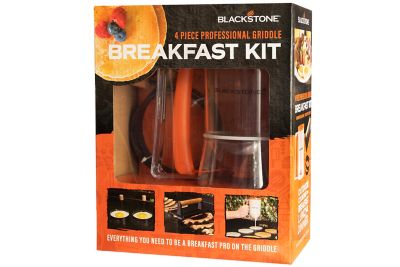
Beyond the basics, grilling accessories support the foods a household likes to cook and the way meals come together. Grill baskets can keep sliced peppers, onions, and other small pieces from dropping between the grates, while skewers hold bite-size portions together for easier turning. Flat metal skewers help keep food from spinning, and handles with enough room to grasp can simplify moving a loaded skewer. A basket’s dimensions matter as much as its capacity: it needs to fit under the lid, leave room for neighboring food, and sit securely on the cooking surface. Long brushes and sauce mops provide reach for larger cuts, but removable or easily washable heads make cleanup less of a chore. For a setup that also includes a flat cooking surface,
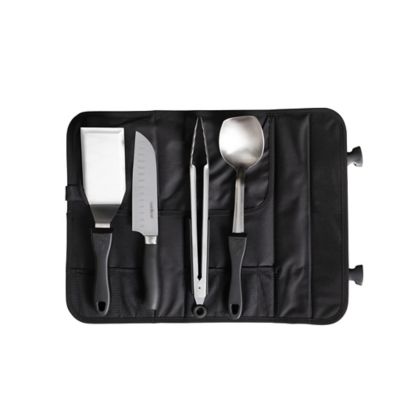
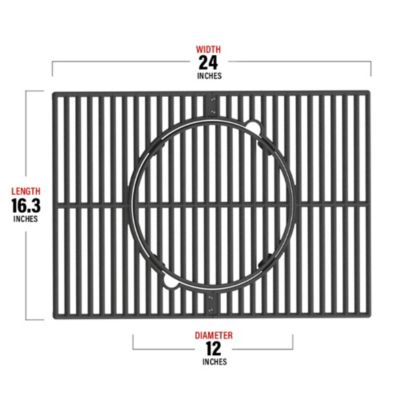
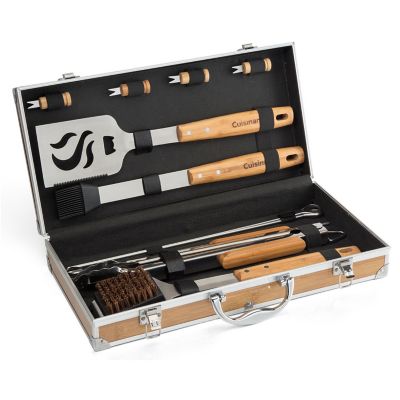
Griddle Tools suit jobs such as turning breakfast eggs, scraping the cooktop, and moving chopped food across a solid surface. Those tasks call for different working edges than lifting food from open grill grates, particularly when the surface has a coating with specific utensil requirements. Storage and carrying features matter when the cooking spot is a walk from the kitchen or the tools travel to a campsite. Hanging loops keep frequently reached-for utensils close by, while a fitted case helps contain long handles and protects thermometer probes during transport. Tools should be clean and dry before being packed away, with sharp points covered and raw-food utensils kept separate from pieces handling cooked food. For someone setting up a first backyard grill, a manageable group of everyday tools makes a practical housewarming or birthday gift. A cook who already has the basics may appreciate a tool suited to a favorite meal, such as a wider turner for fish or a basket for vegetables. Comfortable grips, straightforward cleanup, and a good fit for the cooking surface are useful starting points for either kind of gift. The goal is a collection that earns its place beside the grill, from turning the first burger to carrying the last portion to the table.