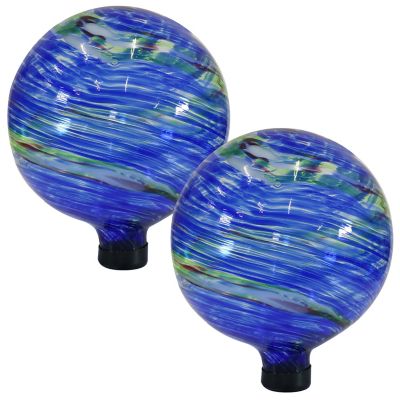
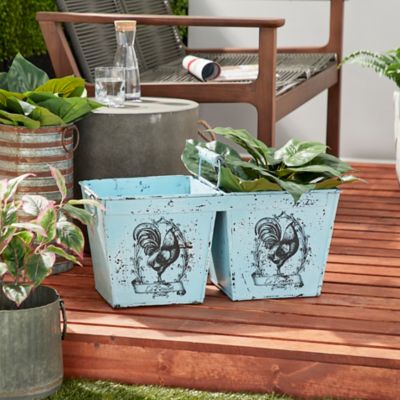
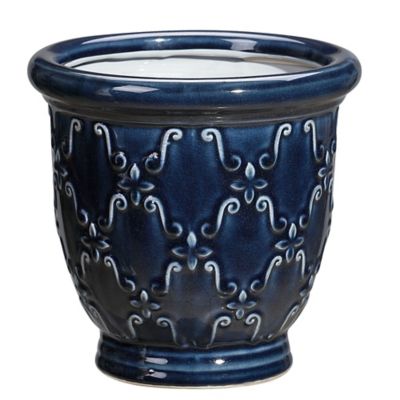
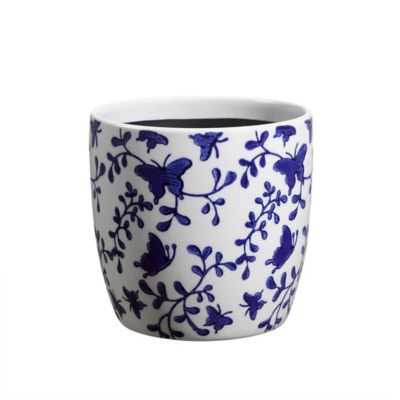
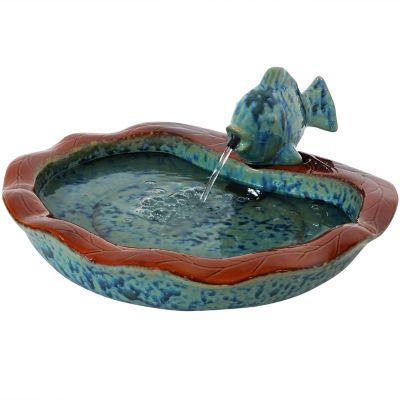
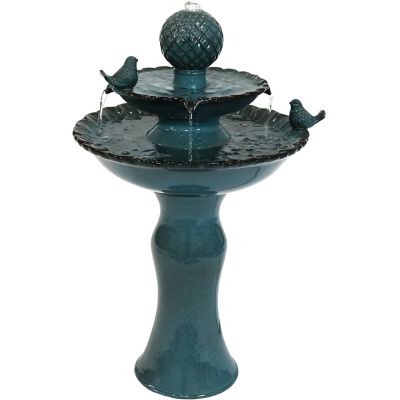
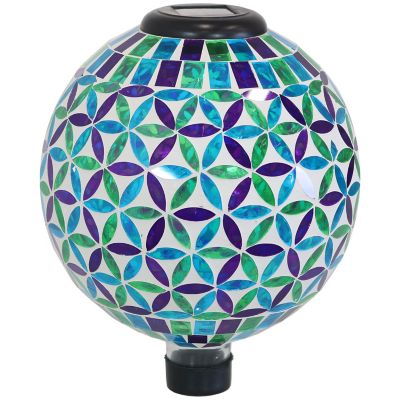
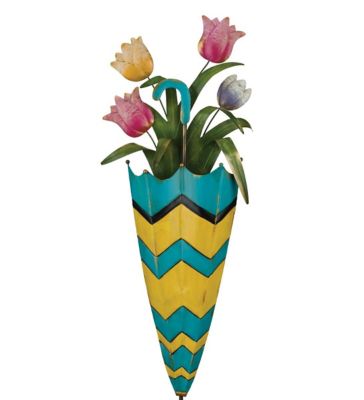
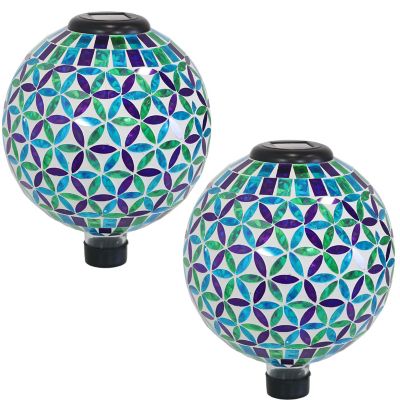
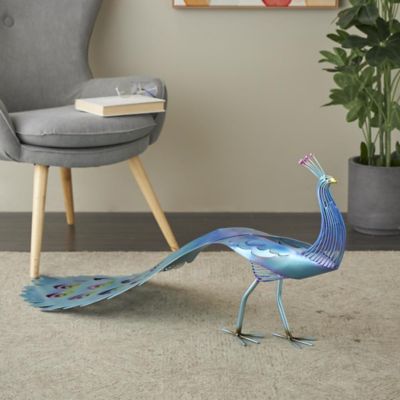
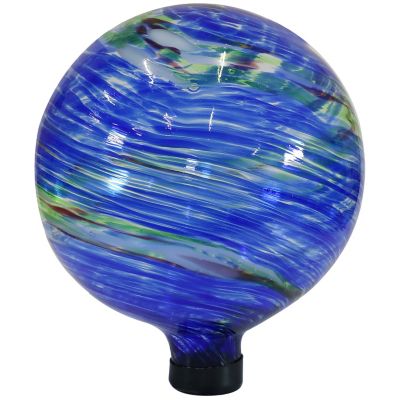
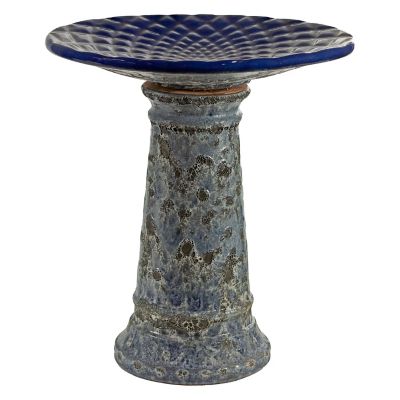
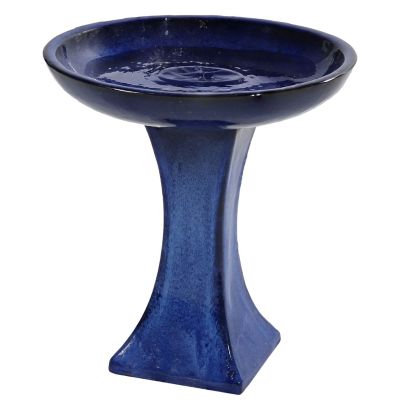
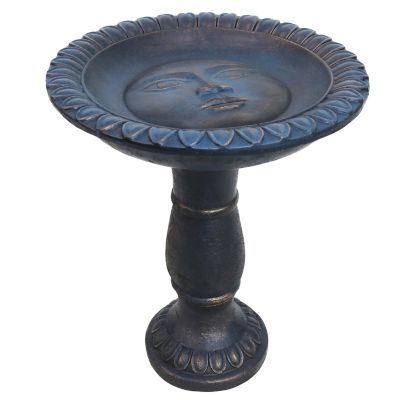
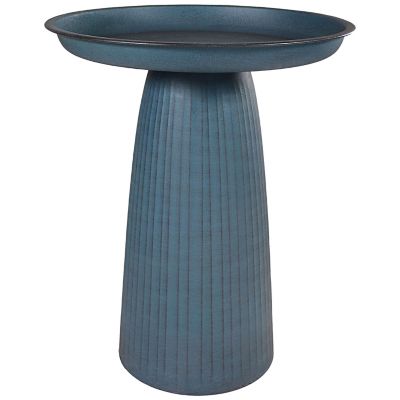
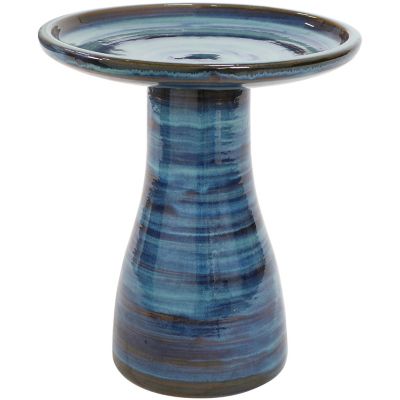
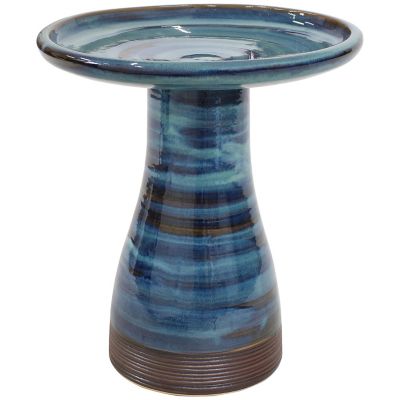
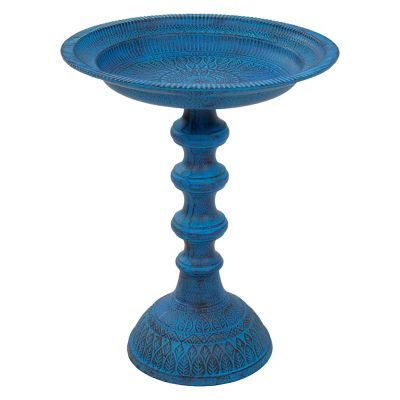
Blue garden accents bring a calm, inviting look to outdoor spaces, with shades that echo water and stand out against green foliage. The color can feel right at home beside a farmhouse porch, along a gravel walk, or in a small courtyard tucked behind the house. Deep navy gives a space a grounded feel, cobalt adds a bright focal point, and softer shades such as sky blue and robin’s egg blue offer a gentler touch. Each shade works a little differently against its surroundings. A rich blue finish has a strong presence beside pale siding or natural stone, while a lighter blue can show up well against dark fencing and leafy shrubs. Blue and white make a crisp pairing, especially near painted porch rails, and blue beside terracotta or natural wood feels relaxed and earthy. Yellow and orange flowers bring out the color’s brighter side without requiring every part of the garden to match. Scale matters just as much as shade: a broad planting bed can carry a larger accent, while a narrow entry benefits from a smaller footprint that leaves room to pass. Details meant to catch the eye belong where they can actually be seen, such as beside a seating area or near a path rather than hidden behind tall plants. A blue accent near the front of a bed can hold its own among leaves and stems without competing with the whole landscape. Repeating a similar blue in a few separated spots helps connect a porch, walkway, and garden bed. Leaving some open space between those touches keeps the setting from feeling crowded. For a property with plenty of open ground, those repeated points of color can also make the area around the house feel more connected without spreading ornaments across every stretch of lawn.
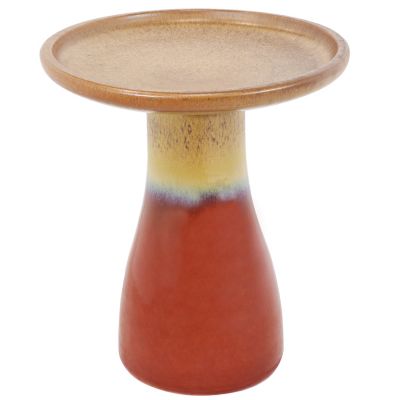
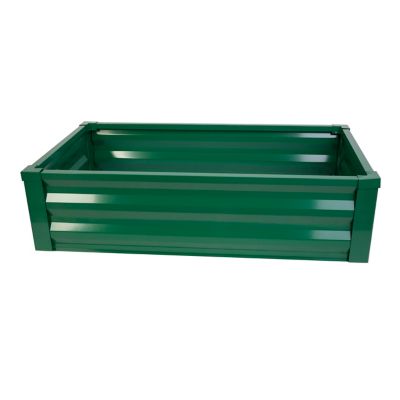
Materials and finishes shape both the appearance and the everyday care of blue garden ornaments. Glazed ceramic offers rich color and a smooth surface that pairs naturally with brick, stone, and leafy plants. Glass can add depth and reflected light, though placement matters around gravel, mowing routes, and other places where an accidental bump could cause damage. Metal brings a different character, from thin, open shapes that let foliage show through to solid forms with more visual weight. Painted and powder-coated finishes provide a colored surface, but their condition still deserves attention, especially around seams, edges, and mounting points. Scratches that expose steel may need attention according to the maker’s care directions. Resin can offer a lighter alternative to heavier materials, making it easier to rearrange an entry or patio, while concrete generally calls for a more settled location because of its weight. No material suits every setting, and an outdoor rating is more useful than judging by appearance alone. Finish details such as UV resistance, surface texture, and care requirements help explain how an accent is intended to perform outside. For pieces that hold plants, drainage openings, interior dimensions, and room for root growth matter as much as the blue finish. A broad rim or thick wall can make the planting space smaller than the outside measurements suggest. Watering access also matters when a container sits close to a wall or behind other objects. Routine care often means removing loose soil, wiping away residue, and following the material’s cleaning directions rather than reaching for a harsh cleaner. Abrasive pads can dull some surfaces or scratch a coating. Pieces with several joined parts may also need occasional checks for loose hardware. Keeping care manageable makes a difference in a busy household, whether the garden gets attention every afternoon or mainly between chores on the weekend.
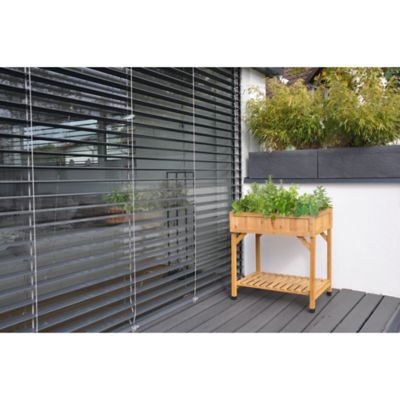
Blue outdoor accents can suit a working homestead, a front-yard flower bed, or a compact patio, but their placement should respect how that space gets its daily use. A path to the shed needs room for a wheelbarrow, and a porch entry needs clear footing when someone is carrying feed, groceries, or a basket of vegetables. Height, base width, and overall weight help determine whether an accent belongs beside a doorway, within a bed, or farther from foot traffic. Freestanding pieces need a level, stable spot, while hanging styles need support and hardware suited to their weight. Ground-mounted accents should sit securely without interfering with irrigation lines or routine garden work. Around children, pets, and livestock, sharp edges, loose parts, and tempting chewable details deserve extra consideration. A thoughtfully placed accent adds color without becoming another obstacle to work around. Blue also pairs well with darker finishes when a garden needs a little more definition. Alongside
black garden accents, it can create a balanced mix of color and contrast, especially against light stone, pale gravel, or white siding. Navy and black sit closer together visually, so differences in shape and surface texture help keep each element distinct. Brighter blues make a clearer contrast and can tie in with cushions, painted trim, or nearby containers. For someone who enjoys tending plants or spending time on the porch, a garden accent can make a thoughtful housewarming, birthday, or retirement gift. A recipient’s favorite shade, available space, and willingness to handle ongoing care are useful considerations. Smaller, easy-to-place accents tend to ask less of a recipient than heavy pieces that need a permanent spot. Whether the setting is a busy backyard or a quiet corner beside the house, the best fit is something that looks at home among the plants and leaves everyday life plenty of room.