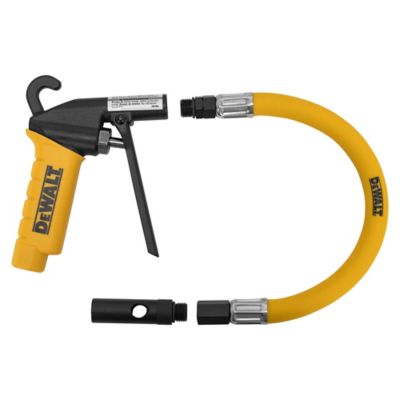
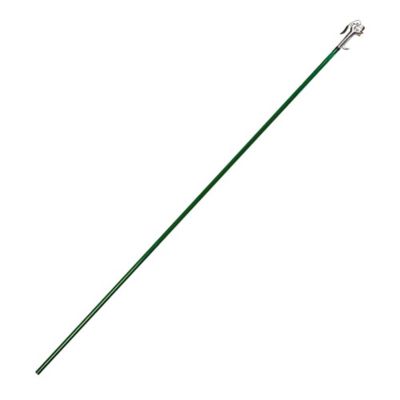
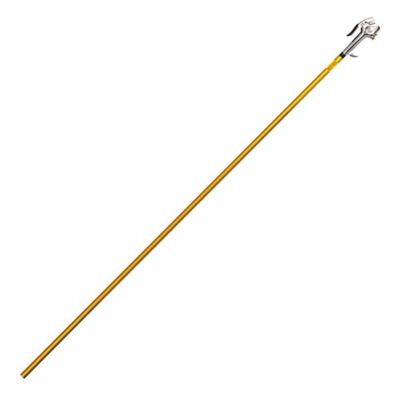
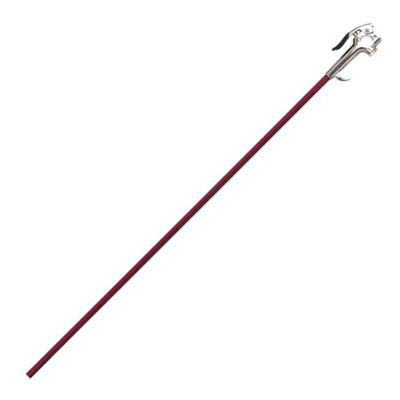
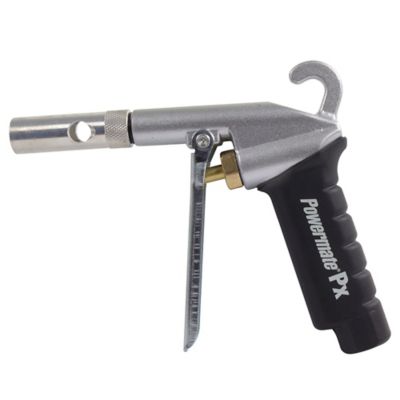
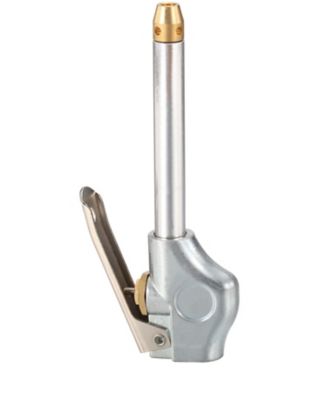
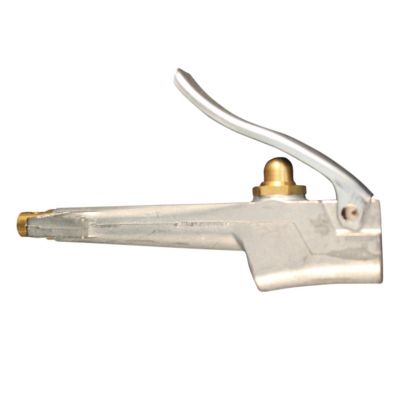
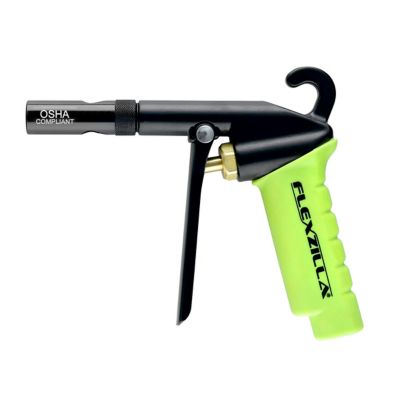
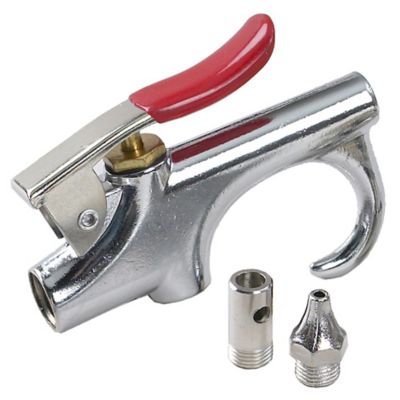
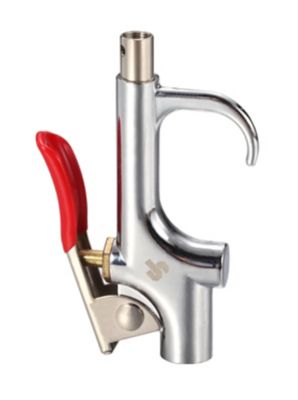
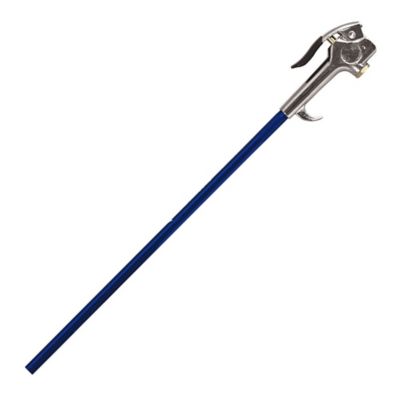
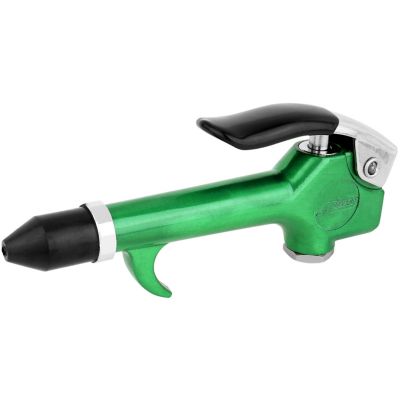
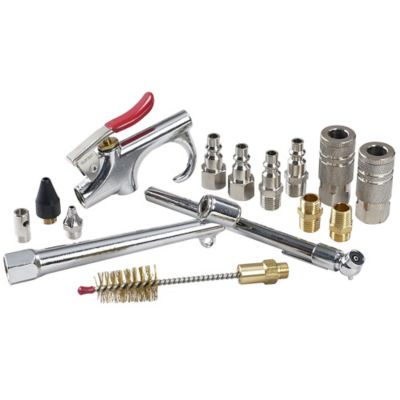
Long-reach air blow guns are compressed-air tools with extended wands that help clear loose debris from deep, narrow or hard-to-reach spaces. Depending on the design, wand lengths can range from about 10 inches to more than 60 inches, giving the operator extra reach around equipment frames, inside accessible machinery compartments and across larger work surfaces. They connect to an air compressor through a hose and direct airflow through a nozzle, with a trigger or lever controlling the discharge. That added length can make a difference when a standard blow gun leaves a tight spot just out of reach. For farmers, mechanics, equipment owners and folks keeping a home shop running, these tools fit into routine cleanup around machinery that has been shut down and secured against movement. A long wand can reach beneath a stationary implement frame or into an open equipment housing without requiring the operator to lean as far over surrounding parts. More length is not always the better fit, though. A shorter extension is easier to maneuver near a crowded bench, while a longer one needs room to swing without striking nearby equipment. Straight tubes suit open paths, and angled tips can help direct air toward a recessed corner when the approach is partly blocked. The useful measurement is the working reach from the grip to the nozzle, not simply the tool’s overall length. Handle shape, trigger placement and balance also matter when the wand extends well beyond the hand. A comfortable grip should allow steady control without requiring an awkward wrist angle, including when wearing properly fitted work gloves. For repeated cleanup tasks, the way the tool carries its weight can matter as much as the extra inches it provides. The best fit leaves enough reach for the job while keeping the nozzle under control and the operator clear of the debris path.
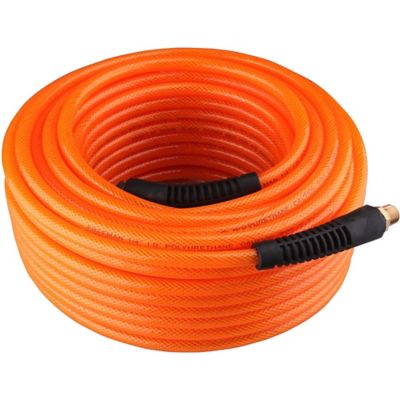
Airflow, connection size and nozzle design help determine how a long-reach air blow gun performs once it is connected. Compressor tank capacity alone does not tell the whole story; the compressor’s air delivery at the required operating pressure needs to match the tool’s airflow demand. A gun that draws more air than the compressor can supply may work briefly, then lose effectiveness as tank pressure falls. Hose length, inside diameter and restrictive fittings can also affect airflow at the nozzle, especially across a larger shop. Matching the inlet thread and coupler style helps avoid connection problems, but a fitting that connects physically still needs a suitable pressure rating. The ratings for the gun, hose, couplers and other components all belong in that check, with the lowest-rated component setting the limit for the connected setup. Nozzles vary, too. A concentrated stream can target a small recess, while a broader pattern spreads air across a wider area. Some designs include pressure-relief openings or other safety features; those features need to remain unobstructed and should never be altered to increase force. For compressed-air cleaning in workplaces covered by OSHA requirements, pressure must generally remain below 30 psi under dead-end conditions, with effective chip guarding and appropriate personal protective equipment. Supply pressure and dead-end nozzle pressure are different measurements, so the gun’s instructions matter. Eye protection is essential, and hearing protection may be necessary depending on noise exposure. The air stream must stay away from people, animals, skin and clothing. Even a small nozzle can propel chips or drive air beneath the skin. Long reach does not make hazardous debris safe to scatter, either. Brake or clutch dust, combustible dust and unknown residues need an appropriate collection method rather than an air blast. Around ordinary loose debris, controlled airflow and a clear discharge path help keep cleanup from simply moving the mess onto another bench.
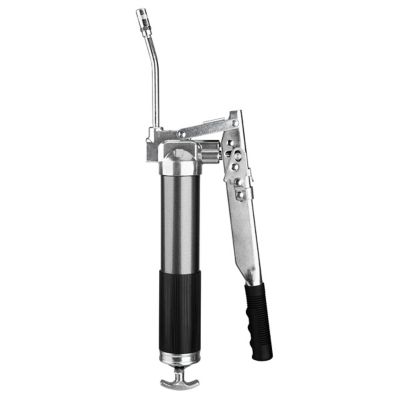
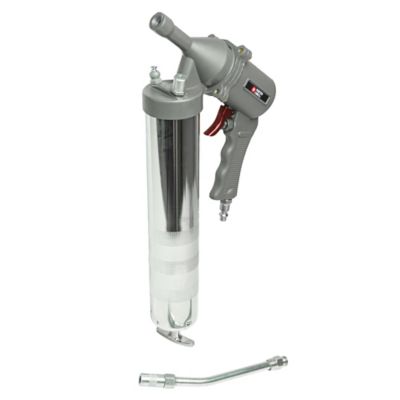
Construction and upkeep influence how a long-reach air blow gun handles everyday shop work. Depending on the design, extension tubes may be aluminum, steel or stainless steel, with metal fittings and molded handles. Aluminum can help keep a longer wand manageable, while steel construction may add weight; corrosion resistance depends on the metal, finish and working environment. A tube’s wall thickness, joints and connection to the handle also deserve attention, since a long extension puts leverage on those points. The wand is an air passage, not a pry bar, scraper or handle for moving equipment. Knocking it against a frame can bend the tube or damage the nozzle, changing where the stream lands. Replaceable tips or extensions can make servicing easier when the manufacturer supports them, but thread fit, pressure rating and approved combinations still matter. Clean, dry compressed air helps limit moisture and contamination inside the tool, and suitable filtration can support that goal. Any lubrication should follow the blow gun manufacturer’s directions rather than assumptions carried over from other air tools. Before inspection or maintenance, disconnect the air supply and release trapped pressure. Loose fittings, damaged seals, a sticking trigger or a bent extension are reasons to stop and address the problem before returning the gun to work. Storage matters as well: a rack or holder that supports the tool without loading the wand helps protect its shape, and keeping the nozzle off a gritty floor helps prevent contamination. In an equipment-maintenance setup, air cleaning and lubrication serve separate purposes. A blow gun can clear loose debris around accessible grease fittings before the fittings receive a final wipe, while
High Pressure Grease Guns deliver lubricant where the equipment maker specifies. Keeping those jobs separate helps prevent dirt from entering a grease point. With suitable reach, compatible air connections and sensible care, a long-reach air blow gun earns its place beside the other tools that keep a working shop moving.