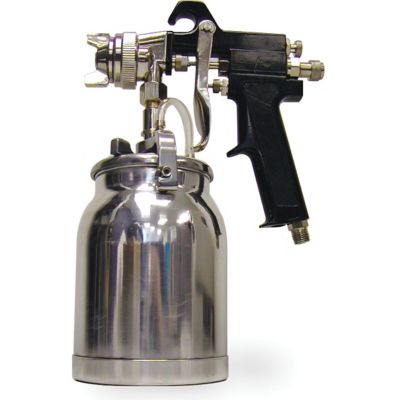
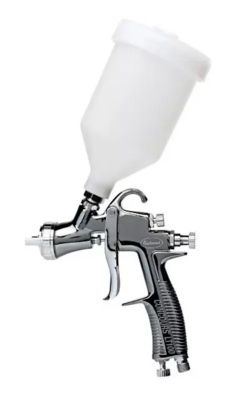
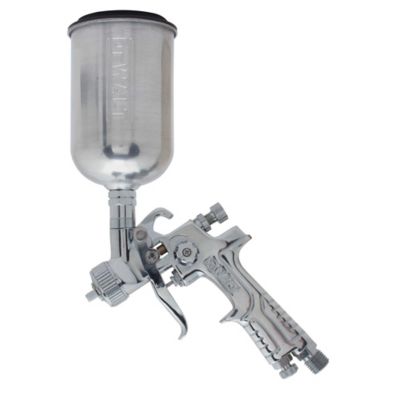
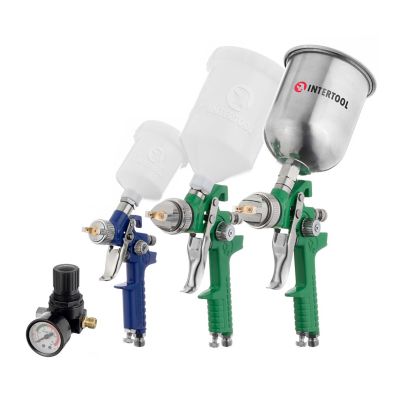
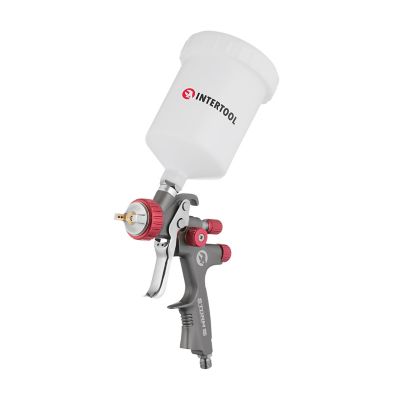
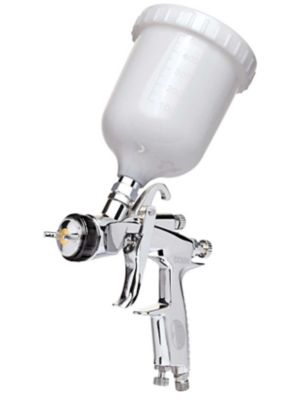
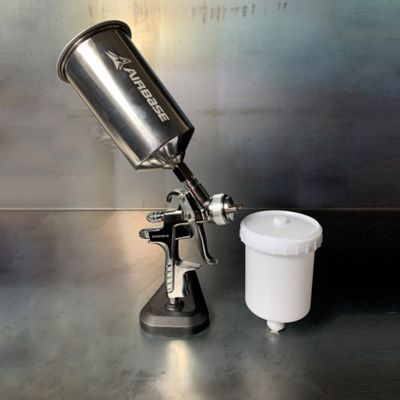
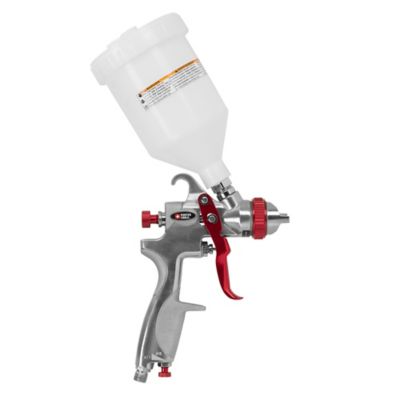
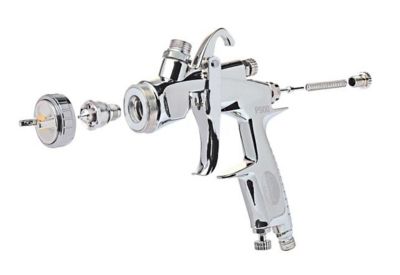
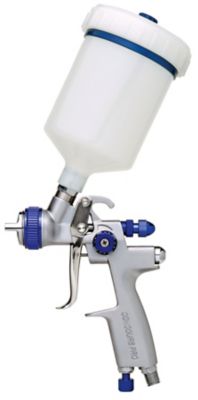
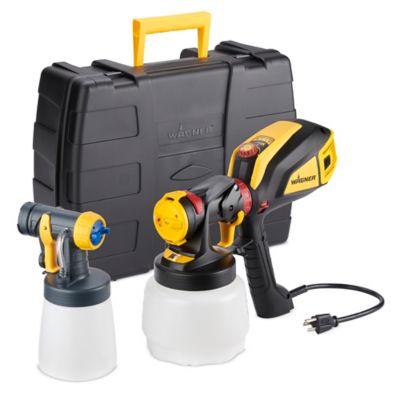
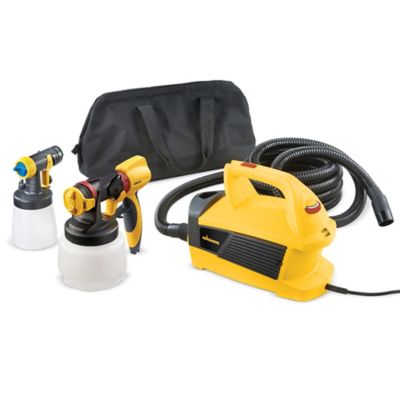
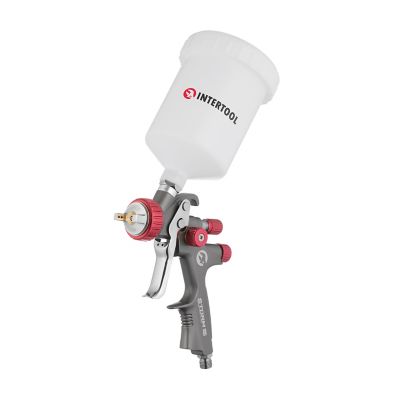
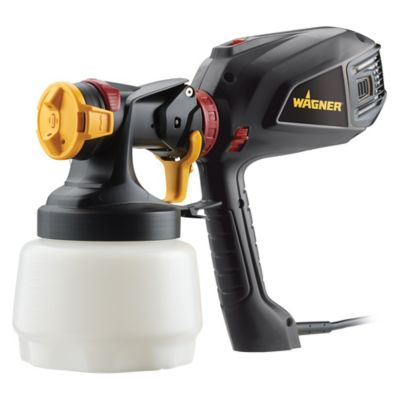
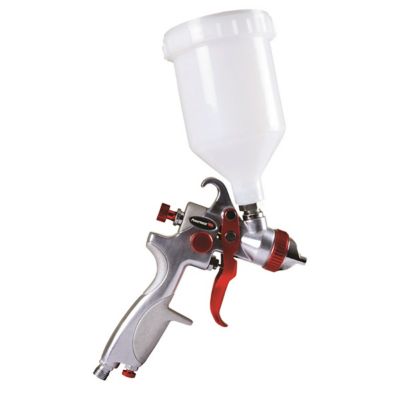
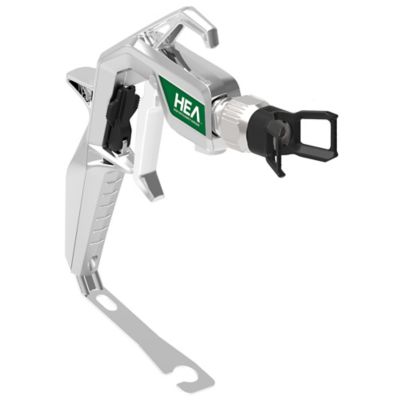
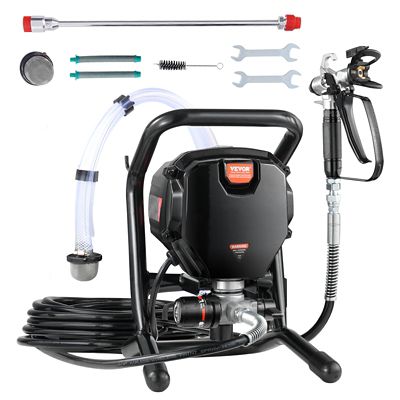
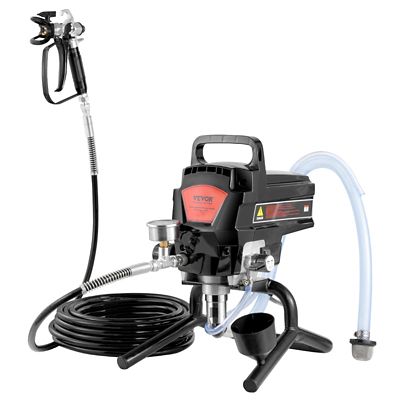
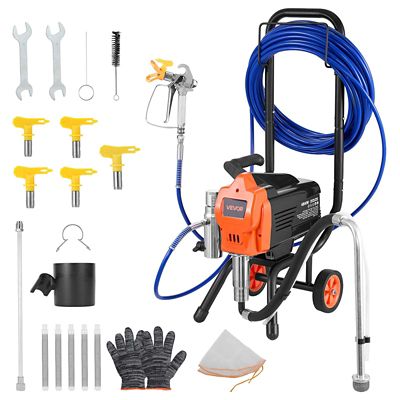
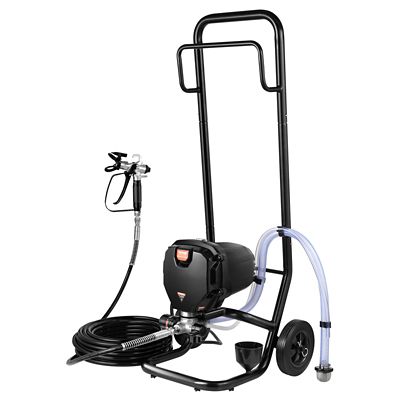
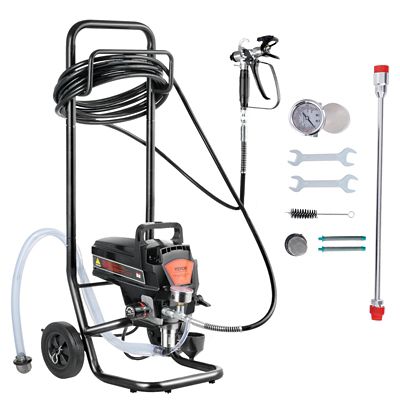
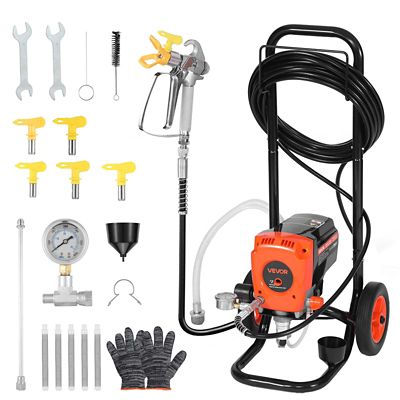
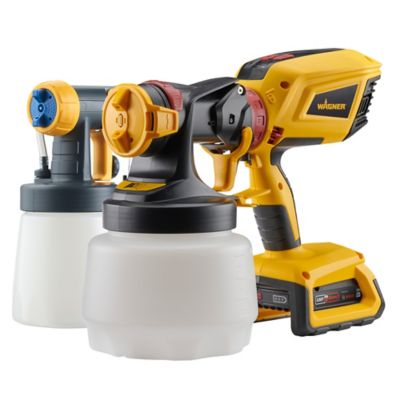
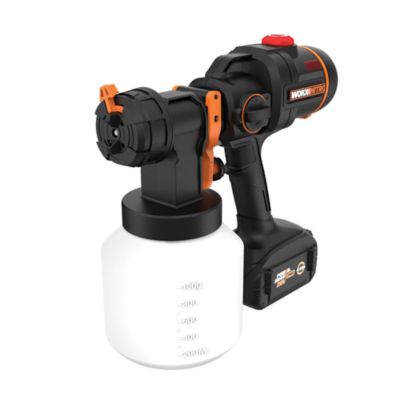
Paint guns turn liquid paint, stain and other compatible coatings into a spray that can reach broad surfaces, narrow edges and curved shapes. Also called spray guns, these tools apply finishes to projects ranging from shop cabinets and furniture to utility trailers, fence panels and tractor sheet metal. The right type depends on the coating, the size of the job and the power or air supply behind it. HVLP, short for high-volume, low-pressure, describes equipment that moves a large volume of air at relatively low pressure to atomize the coating. HVLP paint guns are a common choice for furniture, trim and automotive finishing because they offer control over the spray pattern and can reduce overspray compared with conventional compressed-air spraying. They still require masking and a suitable work area, especially around nearby equipment or finished surfaces. LVLP, or low-volume, low-pressure, guns generally demand less airflow, which can suit some smaller compressor setups when the equipment specifications match. Conventional pneumatic paint guns also rely on compressed air, but their higher atomizing pressure generally creates more overspray. Airless equipment works differently: a pump pushes the coating through a small spray-tip opening at high pressure, making it well suited to larger surfaces such as walls and fences. Electrically powered sprayers may use an airless pump or a turbine that supplies air, so the power source alone does not tell the whole story. For compressor-driven guns, both airflow and pressure matter. A compressor needs enough sustained air delivery for the gun, not simply a high maximum pressure rating. Gravity-feed guns carry a cup above the gun body, while siphon-feed designs draw coating from a cup below it. Pressure-feed setups deliver coating from a separate container. Those arrangements affect balance, working clearance and how much coating the setup can hold, which matters when moving between a small cabinet door and a longer stretch of fencing.
Coating compatibility is a starting point when comparing paint guns. A gun suited to a thin stain may need a different fluid tip, needle or setup for a thicker primer, and not every sprayer handles every paint or solvent. Water-based coatings, solvent-based finishes and heavier materials each have requirements that should line up with both the coating instructions and the equipment specifications. Swapping a tip can change performance, but it does not turn every gun into an all-purpose tool. On pneumatic finishing guns, nozzle size is commonly listed in millimeters. Some automotive base coats and clear coats call for openings around 1.2 to 1.4 millimeters, while certain primers call for larger openings; the coating manufacturer's recommendations take priority over general size ranges. Airless tips follow a different sizing system that identifies spray width and opening size, so their markings are not directly interchangeable with pneumatic nozzle measurements. Fan-pattern adjustment, fluid control and air adjustment also influence how the coating lands. A broad pattern can suit a flat panel, while a narrower pattern can help around chair spindles, braces or smaller parts. Good control is especially noticeable on a curved fender, where excessive material can collect along an edge, or on a cabinet face where an uneven spray pattern leaves visible bands. The surface and coating still do much of the work: bare wood, previously painted metal and rusted steel have different preparation and primer needs. Gun construction matters, too. Metal bodies, compatible fluid passages and solvent-resistant seals can support repeated shop work, while cup material affects weight and cleanup. Grip shape, trigger feel and overall balance deserve attention for longer sessions. A top-mounted cup may feel different as it empties, and a bottom-mounted cup needs clearance near benches or framing. Hose weight and connection placement can also affect comfort when reaching across a wide panel.
A paint gun fits into a larger working setup, whether the job happens in a farm shop, a garage or a finishing space. Compatible hoses, fittings and related
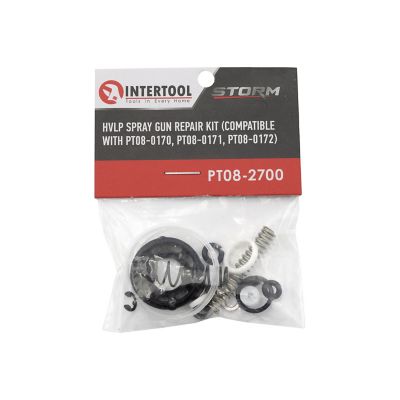
Paint Equipment help connect the air or fluid supply to the task. For pneumatic spraying, filtration and moisture control deserve attention because water or oil carried through an air line can interfere with the finish. Straining the coating can help keep small particles out of fluid passages, while secure connections and a manageable hose length make movement around a trailer frame or workbench less awkward. Spray application also sends material beyond the target surface, so masking nearby areas and containing overspray are part of planning the job. Ventilation, eye protection, gloves and respiratory protection must match the coating and its safety information; some finishes require protection beyond a basic cartridge respirator. Electrical equipment must also be approved for the materials being sprayed, particularly when flammable coatings or solvents are involved. Airless systems carry a high-pressure injection hazard, which makes tip guards, pressure-relief procedures and the manufacturer's handling instructions essential. Care after the job has a direct effect on the next finish. Paint left in a nozzle, air cap or fluid passage can restrict flow and distort the spray pattern. Cleaning materials need to match the coating and the gun's components, and seals or small passages can suffer from harsh solvents or rough handling. Keeping tips, needles and air caps organized helps protect matched parts from damage, while inspecting seals and connections can catch leaks before another project begins. For folks who maintain equipment, refinish furniture or tackle property projects, a well-matched paint gun can be a practical addition to the shop. It can also make a useful gift for someone whose compressor setup, preferred coatings and project needs are already known. The best fit comes down to the work ahead: controlled finishing on smaller pieces, steady coverage across larger surfaces, or a setup that handles regular painting tasks without fighting the operator.