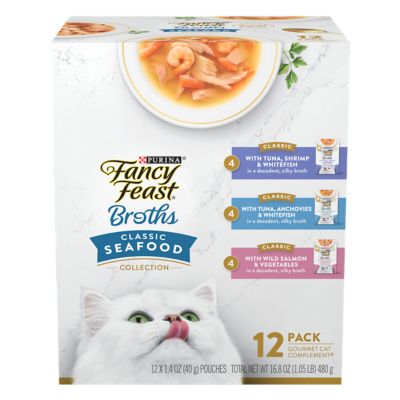
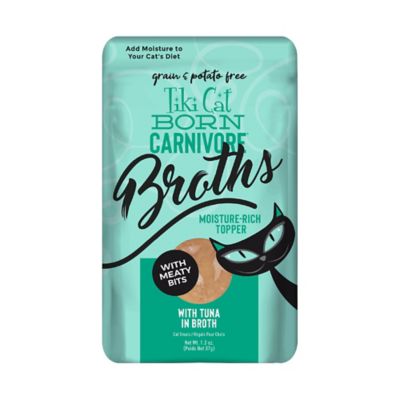
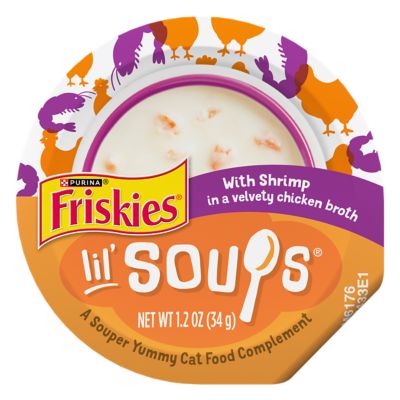
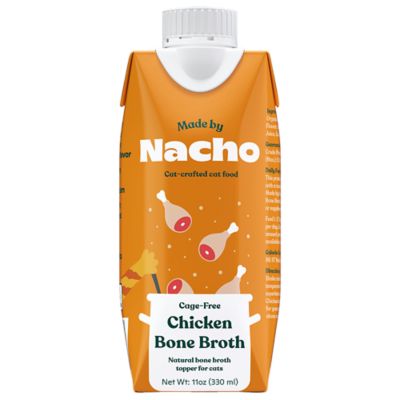
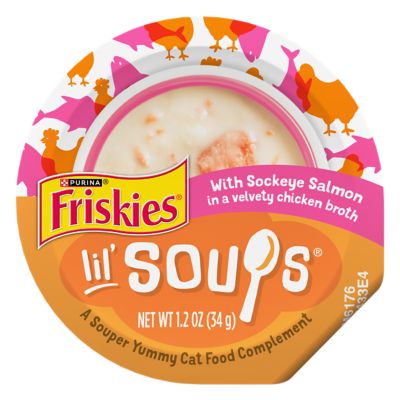
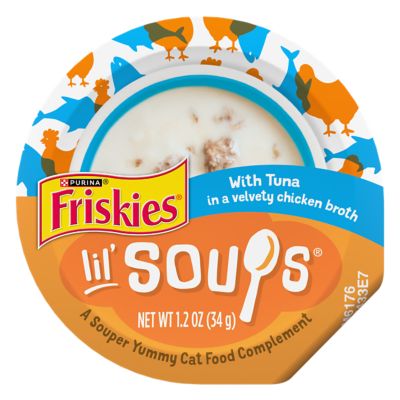
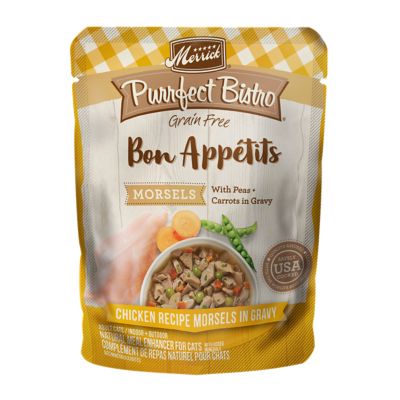
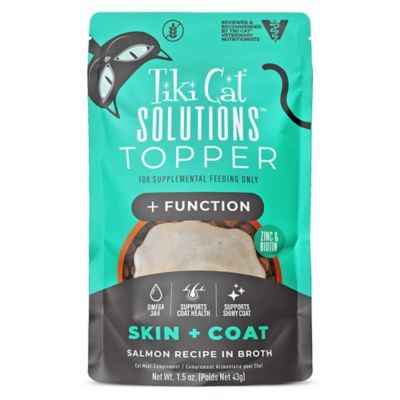
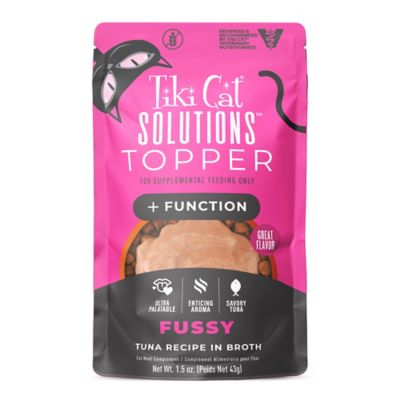
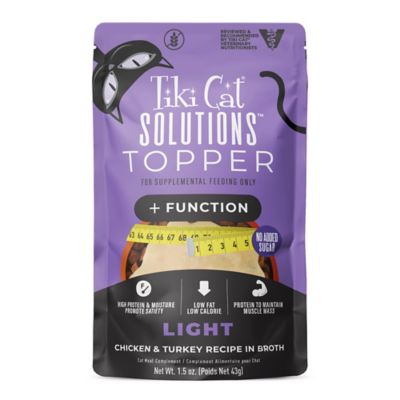
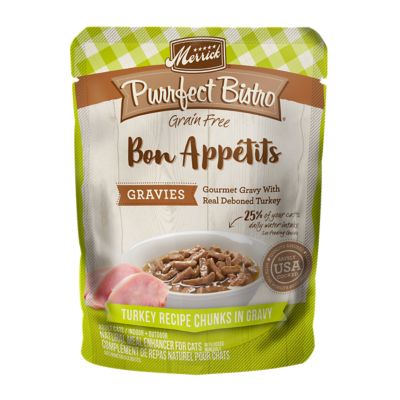
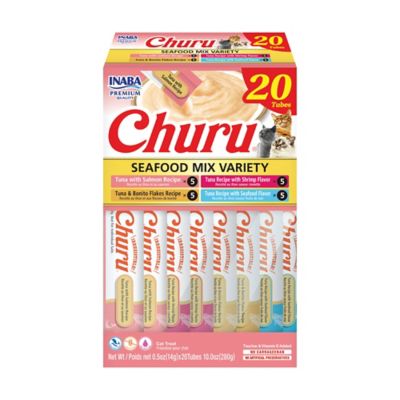
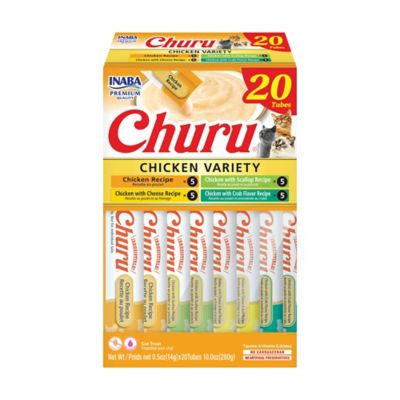
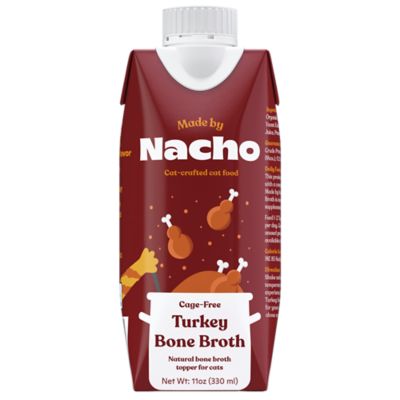
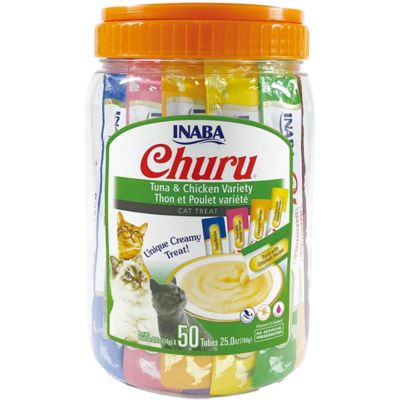
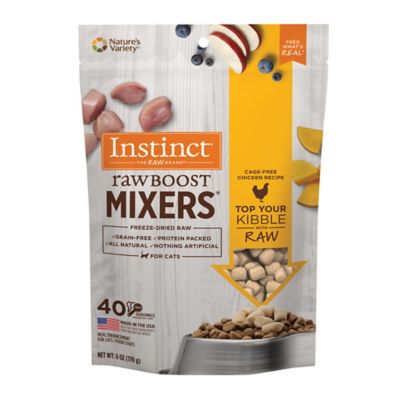
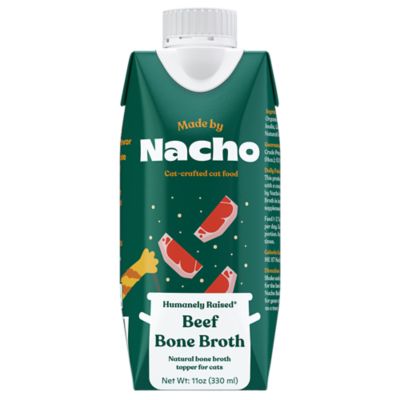
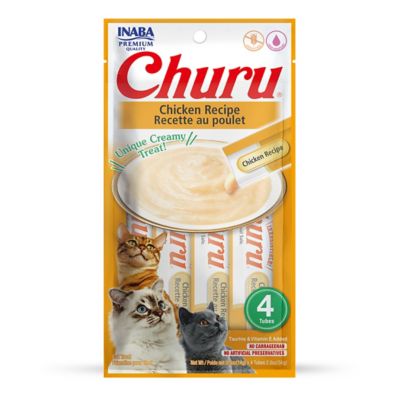
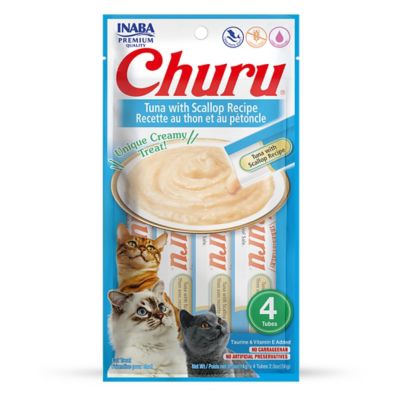
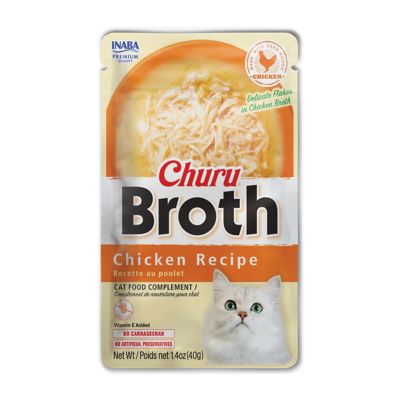
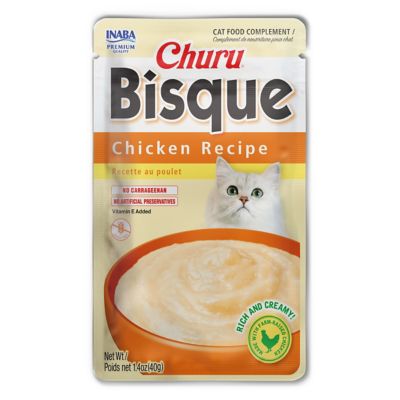
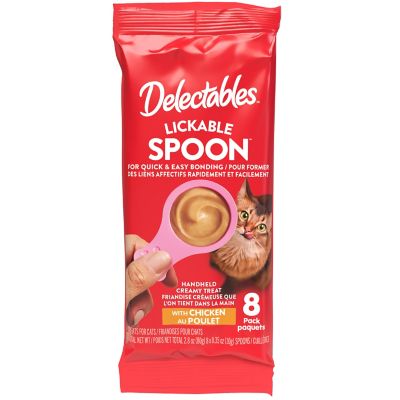
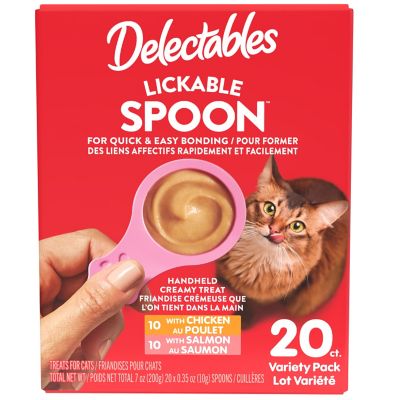
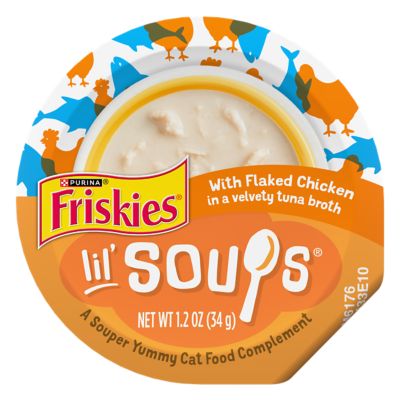
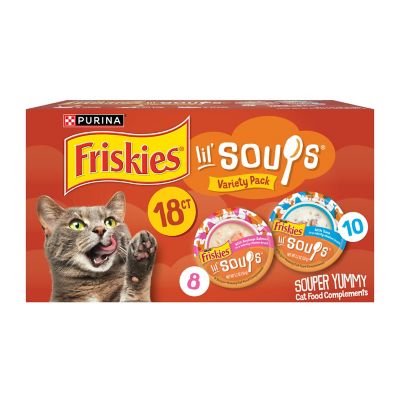
Grain-free cat food toppers bring extra flavor, aroma, and texture to a cat’s regular meals without adding grain ingredients such as wheat, corn, rice, or barley. For the house cat that comes running at the sound of a pouch opening, a spoonful of broth or a scattering of meaty crumbles can make the food bowl a little more inviting. These toppers come in several forms, from pourable liquids and soft shreds to freeze-dried pieces that break apart over kibble. Each offers a different eating experience: broth spreads through a meal, gravy clings to the food, and small flakes add a light layer of flavor without changing every bite. Meat, poultry, or fish may be the main attraction, while other ingredients help create the consistency and nutritional profile. Grain-free does not necessarily mean carbohydrate-free, and recipes can still contain ingredients such as potatoes, peas, or tapioca. The full ingredient list tells more of the story than the wording on the front of the package, especially for a cat following a feeding plan recommended by a veterinarian. For most healthy cats, the absence of grain is not a nutritional advantage by itself; the overall diet and the individual animal’s needs matter more. Toppers are generally meant to complement a complete and balanced cat food, not take its place. That makes them a practical option for adding variety to an established routine, whether the bowl sits beside the kitchen cabinets or in a quiet corner of the mudroom. A cat that prefers smooth food may take more readily to a lickable texture, while one that enjoys flakes may favor a shredded topping. The best match is less about how much gets piled on and more about finding a flavor and consistency that fit the cat’s usual meal, appetite, and feeding needs.
Texture makes a real difference in how grain-free cat food toppers work with the food already in the bowl. A thin broth can settle between pieces of dry food, while a thicker sauce stays closer to the surface. Finely crumbled freeze-dried toppers can spread across a serving, giving a cat less opportunity to pick off a few large pieces and leave the rest behind. Soft morsels or shreds may suit cats that already favor wet food, though any cat showing trouble chewing needs veterinary attention rather than just a softer meal. Wet toppers also contribute moisture, which can be helpful for cats that eat mostly dry food, but fresh drinking water still belongs within easy reach. Portion size deserves just as much attention as texture. A small spoonful can carry more calories than its size suggests, and adding a little extra at every meal can add up, especially for an indoor cat with a low activity level. Unless a veterinarian recommends otherwise, treats and foods that are not complete and balanced generally should account for no more than 10 percent of a cat’s daily calories. Package feeding directions and calorie information help keep those additions in proportion. Life stage matters, too: kittens, adult cats, and senior cats do not all have the same nutritional requirements, and a topper should fit the feeding directions for the animal receiving it. For cats with kidney disease, diabetes, food sensitivities, or other health concerns, even a small addition can affect an established diet. A grain-free label alone does not make a topper suitable for a food allergy, since animal proteins can also trigger reactions. Single-protein recipes may make ingredient comparisons simpler, but they are not automatically appropriate for a veterinary elimination diet. In a home with several cats, separate bowls help keep a topper intended for one animal out of another animal’s meal. They also make it easier to see who is eating the full serving and who is only licking off the tasty part.
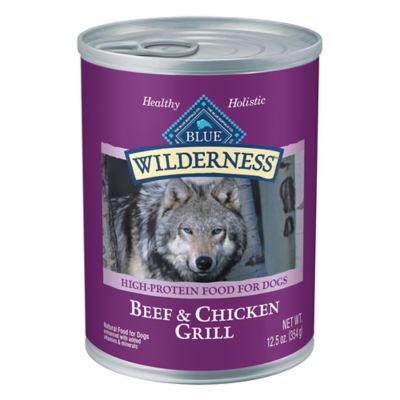
Everyday handling is another part of choosing grain-free cat food toppers that fit life around the house. Single-serving pouches can keep measuring simple, while resealable containers allow smaller amounts to be portioned across meals when the label permits. Package size is worth considering alongside the number of cats being fed and how quickly an opened container needs to be finished. A larger package is not necessarily the most practical choice for one cat receiving only a teaspoon at a time. Wet toppers typically need refrigeration after opening, with the package directions setting the storage period and any serving limits. Dry and freeze-dried forms need protection from moisture and a firmly closed package to help preserve their texture. Freeze-dried does not always mean cooked, so checking whether a recipe contains raw ingredients is important. Raw animal ingredients can carry germs that affect pets and people, making careful handwashing, bowl cleaning, and attention to household health risks especially important. Clean utensils help keep leftovers in the container separate from food that has already been in the cat’s bowl. Once a topper is mixed into a meal, handling should follow the directions for the most perishable part of that serving rather than the storage expectations for dry kibble alone. Introducing a small amount before making it a regular addition gives a clearer picture of how the cat tolerates the recipe. A topper may encourage interest in a familiar meal, but repeated food refusal, weight loss, vomiting, or a sudden change in appetite calls for a veterinarian, not another layer of flavor. For households feeding both cats and dogs, keeping each animal’s nutrition separate matters even when both feeding plans leave out grains. A related category such as
Grain-Free Dry Dog Food serves a different species and is not a substitute for complete cat food. With suitable portions, sensible storage, and attention to the cat’s response, a topper can earn a straightforward place in the daily feeding routine: a little variety alongside the nutrition that does the main work.