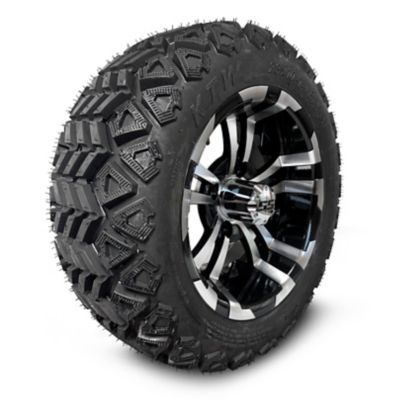
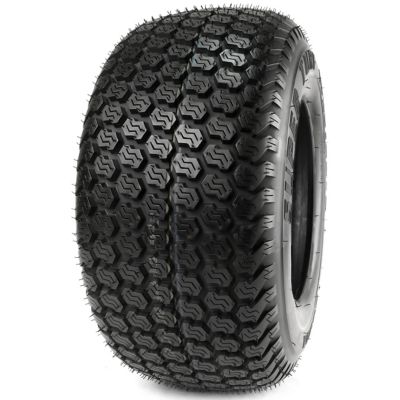
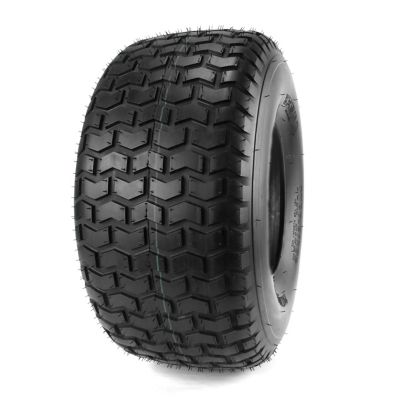
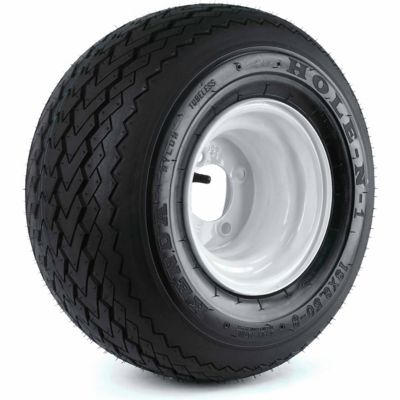
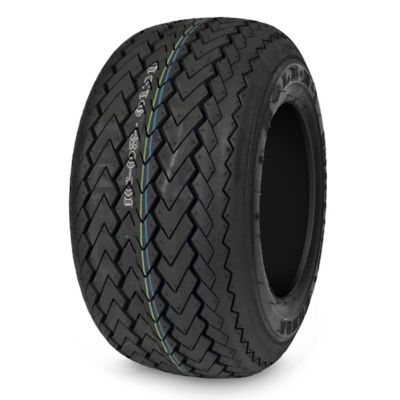
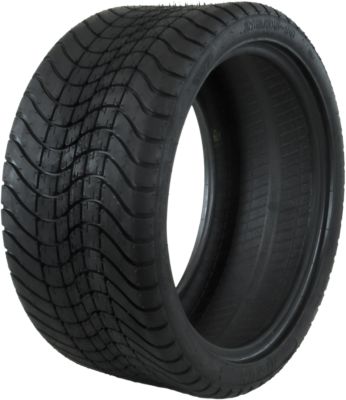
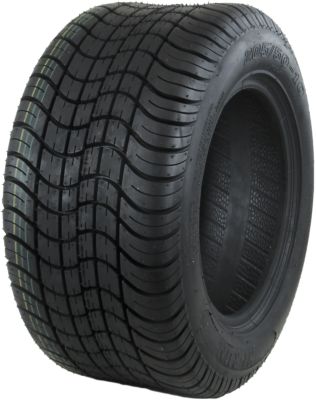
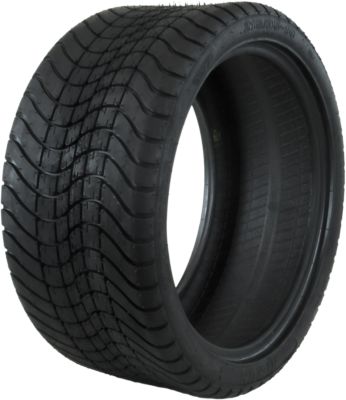
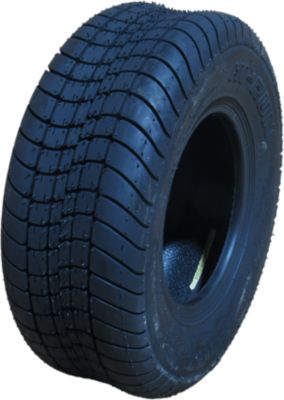
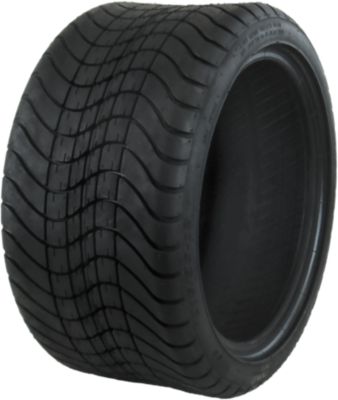
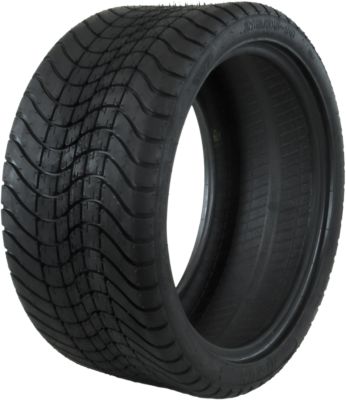
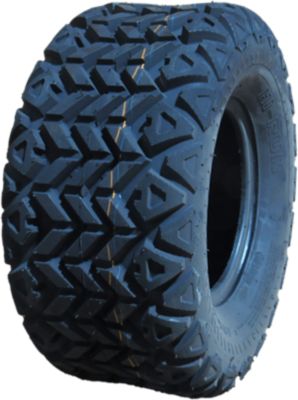
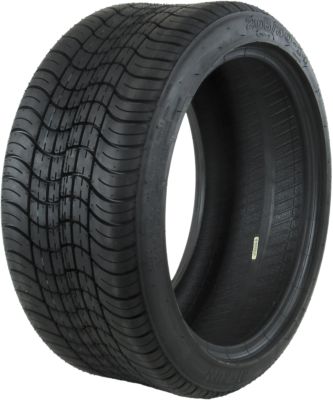
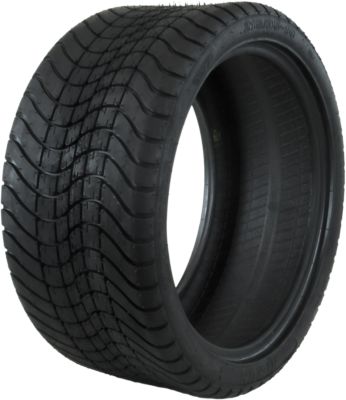
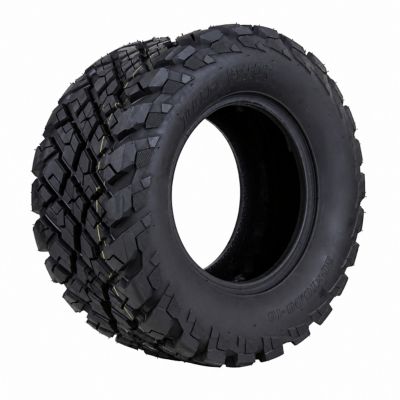
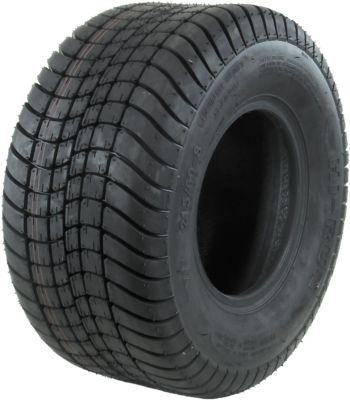
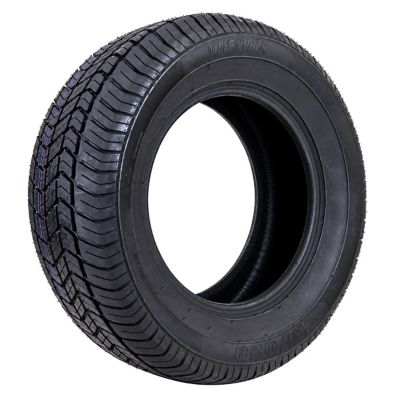
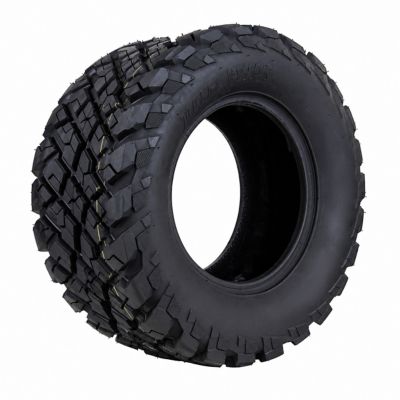
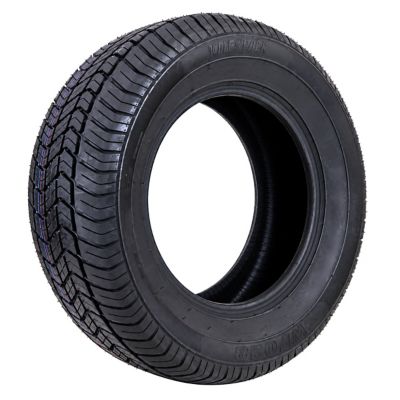
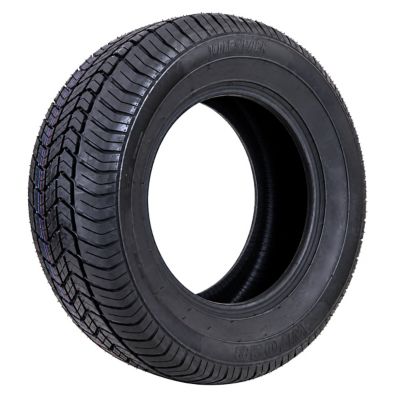
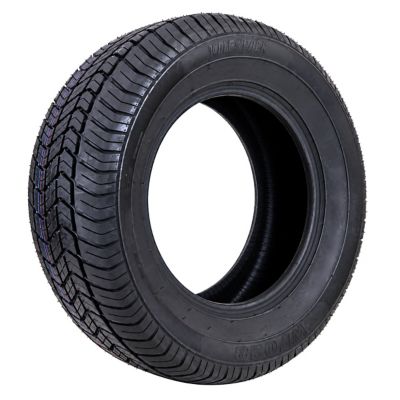
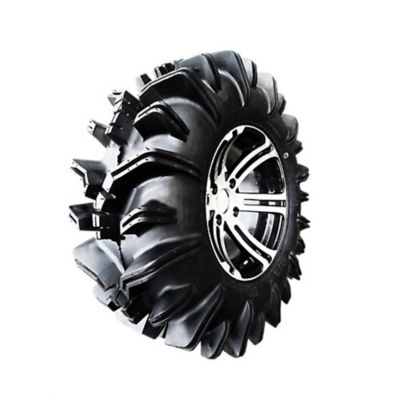
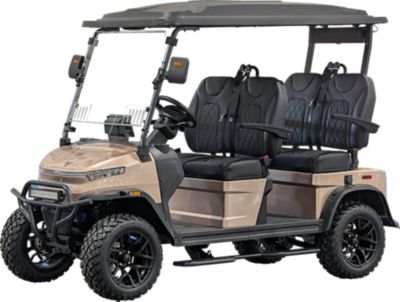
Golf cart tires carry a cart along paved paths, across the yard and down the gravel lane to the barn, so tread choice starts with the ground beneath those everyday trips. Turf tires generally have shallow, closely spaced tread patterns that help limit disturbance to grass while providing a steady ride on maintained grounds. They make sense for golf courses, campgrounds and properties where the cart spends plenty of time crossing lawn. Street-oriented golf cart tires favor pavement, with tread patterns intended for a smoother ride and less rolling noise than aggressive off-road designs. All-terrain tires have more pronounced tread blocks for routes that mix packed dirt, gravel and firm ground. Deeper lugs can provide more bite on loose surfaces, though they may also feel rougher on pavement and leave more noticeable tracks in grass, especially during tight turns. A cart that carries feed buckets between outbuildings has different needs from one that mostly follows a paved campground loop. For mixed routes, the balance between traction, ride comfort and turf protection matters more than an aggressive appearance. Steering sharply or accelerating hard can mark grass even with a turf-friendly tread, while an off-road tire cannot give a cart capabilities beyond its suspension, brakes and ground clearance. Tire selection also depends on the load: a driver heading to the mailbox puts different demands on the tires than a cart carrying passengers, tools and fencing supplies. Load and speed ratings belong in that comparison alongside tread style. Pavement suitability alone does not establish that a cart is legal for public-road travel; vehicle equipment and local rules still apply. Across these applications, golf cart replacement tires work best when their design matches the cart’s regular route rather than an occasional stretch of ground. The right tread helps keep routine trips comfortable without giving up the traction or grass protection that matters most around the property.
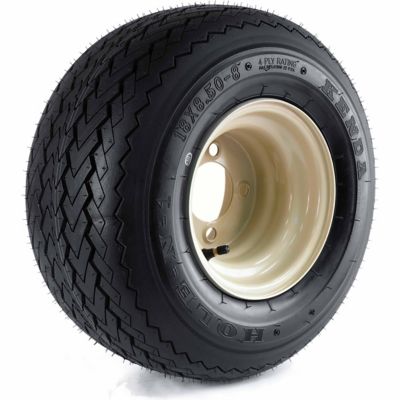
Golf cart tire sizes describe fit, not just appearance, and the numbers on the sidewall are a useful starting point. A common size format is 18x8.50-8, which indicates an approximate overall tire diameter of 18 inches, a nominal width of 8.50 inches and an 8-inch wheel diameter. That final number identifies the wheel diameter the tire fits; an 8-inch tire opening does not fit a 10-inch wheel. Although 18-inch tires on 8-inch wheels are common on many factory-configured carts, there is no single size that fits every make, model and year. Larger overall tire diameters, including sizes around 20 to 22 inches and beyond, require closer attention to clearance. The tire must have room around the body, suspension and steering components, including when the wheels turn and the suspension compresses under a load. Some combinations call for a lift kit, but tire diameter alone does not establish the lift height required. Tire width, wheel offset and the cart’s original configuration also affect fit. A lift kit does not automatically resolve every clearance issue, and taller tires can change effective gearing, acceleration and braking demands. Existing tire markings, the vehicle manual and fit information for the replacement tire help keep those details straight. Tires sold separately mount onto compatible wheels, while a tire-and-wheel assembly pairs the two components together. With an assembly, fit also includes wheel width, bolt pattern, center opening and offset, not simply the tire size printed on the sidewall. Wheel material can matter, too: steel and aluminum wheels differ in weight, finish and maintenance needs, but neither material substitutes for the correct specifications. A matching bolt pattern by itself does not confirm that the whole assembly fits. For anyone also looking at
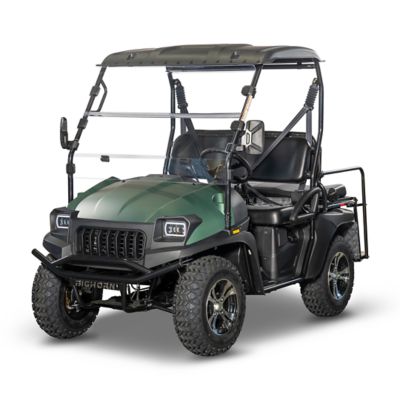
UTV Golf Carts, tire fit and load ratings remain vehicle-specific; a tire that suits one cart may not suit another. Matching replacements to the vehicle’s requirements helps preserve the clearance and handling it was designed to have.
Construction and care play a big part in how golf cart tires hold up to daily chores and miles around the property. Rubber compounds, tread depth, casing design and load capacity all influence wear and ride feel. Bias-ply and radial construction describe different arrangements of the reinforcing cords inside a tire; the appropriate choice depends on the cart’s specifications and intended use rather than a blanket rule that one construction is always better. Ply ratings describe a tire’s strength category, not necessarily its actual number of fabric layers, and they should be considered alongside the stated load rating. Carrying passengers or a loaded cargo bed makes those ratings especially important, since the vehicle’s weight and its load both rest on the tires. Inflation matters just as much. Pressure should follow the applicable vehicle and tire guidance for the setup, with checks made before driving, rather than assuming the maximum pressure molded on the sidewall is the everyday target. Too little pressure can increase flex and heat buildup; too much can affect ride comfort and tread contact. Uneven wear can point to inflation, alignment or worn steering components, so replacing a tire alone may not address the reason it wore out. Regular checks for cuts, embedded objects, sidewall cracking and loss of tread help reveal trouble before a routine trip becomes a walk back to the shed. Golf cart tires can deteriorate with age even when the tread still looks substantial, particularly on carts that sit between outings. Keeping tires clean, limiting prolonged sunlight exposure during storage and addressing slow leaks can help extend their service life. Compatible valve stems and sound wheels matter whenever tires are replaced, and mounting is a job for someone with the proper equipment. From a quiet run along a paved lane to hauling supplies across the home place, properly fitted and maintained tires help a golf cart stay ready for the work it was built to do.