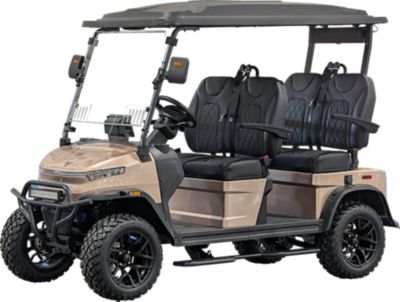
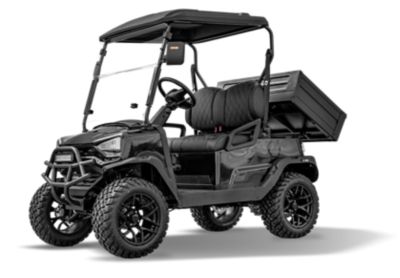
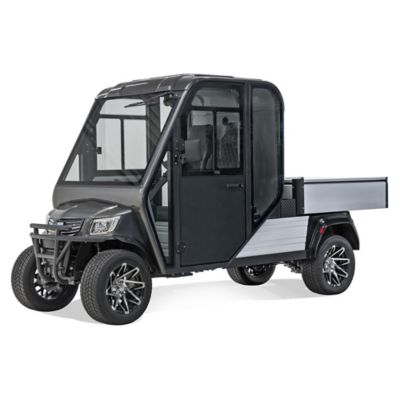
A 4-seat golf cart is a compact passenger vehicle designed to carry four people, commonly in either a 2+2 seating arrangement or an all-forward-facing layout. Many 4-seat golf carts measure roughly 9 to 12 feet long, although dimensions vary by frame, seating design, and accessories. Power options include gas engines and electric drive systems, with electric carts typically drawing power from lead-acid or lithium-ion batteries. That combination of passenger space and a manageable footprint makes these carts a practical fit for permitted golf course travel, campground transportation, and trips along suitable paths on private property. A ride from the house to the barn feels different with passengers aboard, so seating layout deserves as much attention as the motor. A traditional 2+2 cart has two forward-facing front seats and two rear-facing seats, while an all-forward-facing cart places both rows toward the direction of travel. Rear-facing seating can leave room for a convertible cargo platform on models designed for that purpose, but passengers cannot occupy a seat while it is folded into a load deck. Forward-facing rear seats offer a different riding position and may change the space available for bags or supplies. Legroom, seat width, grab handles, footrests, and step-in height all affect how comfortable the ride feels, especially for adults sharing the second row. Four seating positions do not mean every combination of riders and gear falls within the cart’s limits; the manufacturer’s passenger and total load ratings still apply. Overall width and height matter, too, whether the cart needs to pass through a gate, park beside equipment, or fit inside a garage. Roof supports, mirrors, and any added accessories belong in those measurements. A cart that fits the driveway may still need extra room to turn near a feed shed or back out of a narrow parking spot. For a household that regularly carries four people, those everyday clearances can matter more than a long list of extras.
Gas and electric 4-seat golf carts serve similar transportation needs, but their operating routines differ. Electric motors generally provide quiet operation at low speeds without engine exhaust at the cart, which can suit short trips around a property or repeated stops between nearby buildings. Their driving range depends on battery capacity, battery condition, passenger weight, hills, tire pressure, speed, and the route itself. A published range figure is a reference point rather than a promise that every loaded cart will travel that distance. Flooded lead-acid batteries may require electrolyte checks and distilled water according to the battery maker’s directions, while lithium-ion batteries do not call for that watering routine. Lithium-ion systems often weigh less than comparable lead-acid systems, though battery design and capacity determine the actual difference. Battery chemistry, system voltage, and charger compatibility need to match; a charger intended for one setup is not automatically suitable for another. An electric cart also needs a designated charging location and an electrical connection that meets the equipment instructions. Charging time varies with battery size, charge level, and charger output. Gas-powered carts bring a different routine, with fuel, engine oil, filters, and other service points specified in the owner’s manual. They can make sense where charging access is limited, but they should never run inside a barn, garage, or other enclosed space. Neither power type makes a passenger cart a substitute for a tractor or utility vehicle. Carrying capacity, towing permission, ground clearance, and braking performance depend on the particular vehicle’s design. A smooth lane between buildings calls for different traction than a loose gravel path, and turf-oriented tires may not suit every property surface. Larger tires or a lifted chassis can change handling, step-in height, and overall height. Matching the cart to its regular route keeps the focus on the trips it will actually make, whether that is a short loop around the grounds or a longer ride across a large property.
Construction and upkeep play a big part in how a four-passenger golf cart holds up to everyday travel. Frames may be steel or aluminum, with differences in weight, finish care, and corrosion resistance; body panels are often molded materials that need cleaning products suited to their surfaces. Seat upholstery should be easy to wipe down after dusty boots, a spilled drink, or a ride back from the garden. Cushions, seams, floor mats, and passenger handholds deserve a close look because they see regular contact on a cart shared by family members or guests. A stable step and a clear footwell help passengers get settled without climbing over loose gear. Storage compartments and cup holders can keep small belongings organized, but tools, coolers, and bags need secure placement where they will not interfere with pedals, steering, or passenger footing. Any rear platform or basket has its own load limit, and weight placement can affect handling. Routine care includes checking tire pressure, inspecting brakes and steering, watching for loose fasteners, and following the service schedule for the battery or engine. Loose seat mounts or a change in braking feel should be addressed before the next trip, not worked around with an extra-slow ride. Passenger safety also depends on appropriate operating speed, everyone remaining seated, and seat belts being worn wherever provided or required. A roof, windshield, lights, or turn signals do not by themselves make a golf cart legal for public roads. Local rules, vehicle classification, registration requirements, and permitted routes need checking before leaving private property. Golf courses and campgrounds may set their own rules as well. For a different kind of recreational ride,
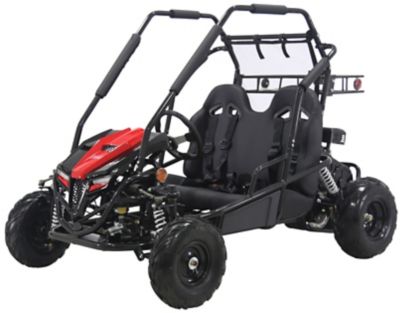
Two Seat Go Karts are a separate category rather than a replacement for four-passenger transportation. The right 4-seat golf cart brings together a suitable seating layout, manageable dimensions, a practical power system, and a maintenance routine that fits the household, leaving room for company without overlooking the details that make everyday travel comfortable.