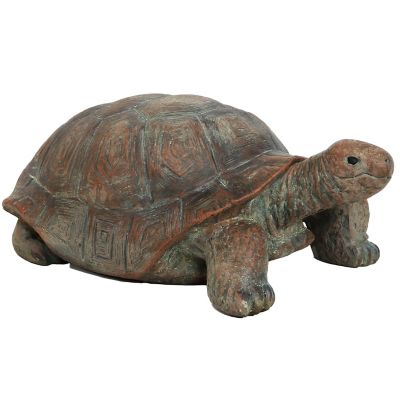
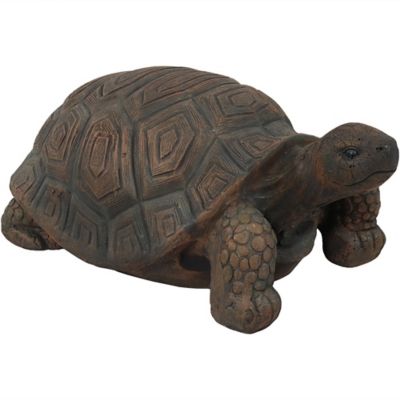
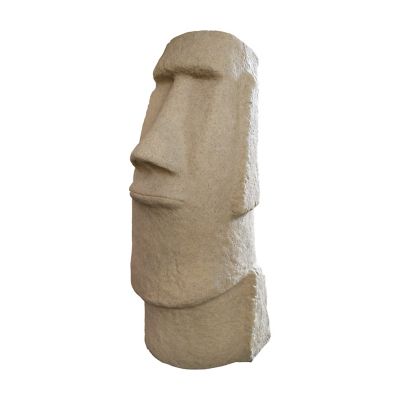
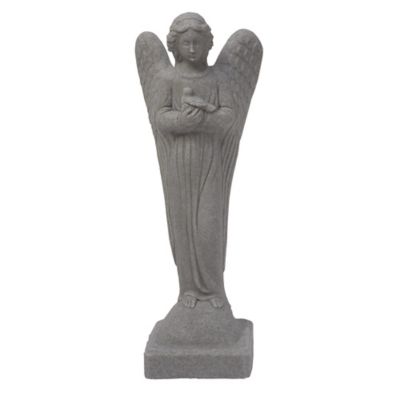
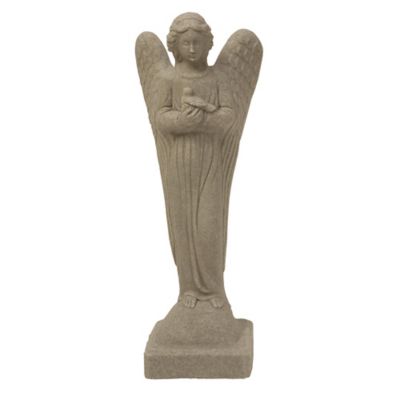
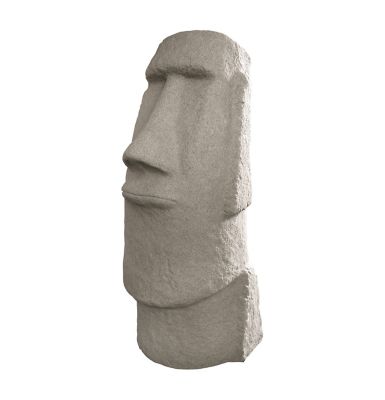
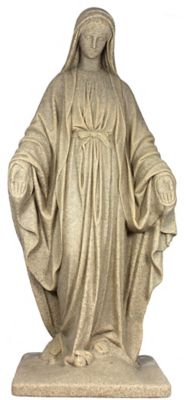
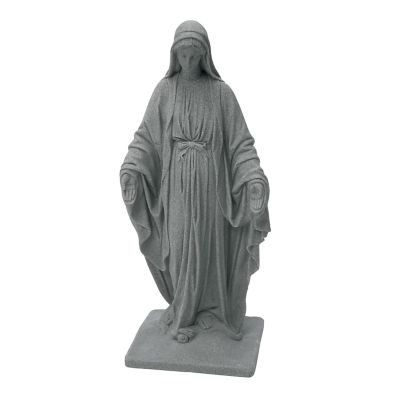
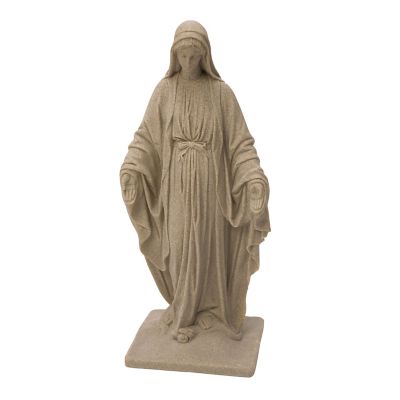
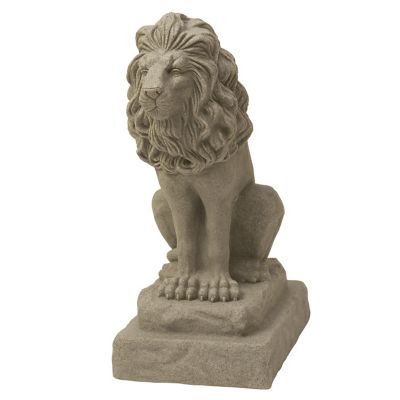
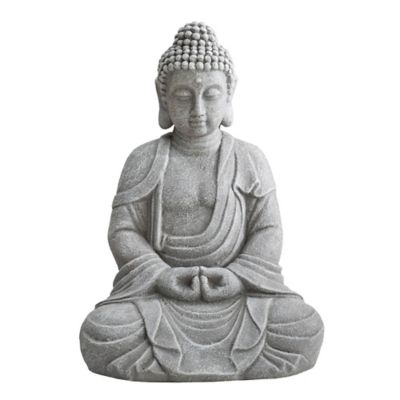
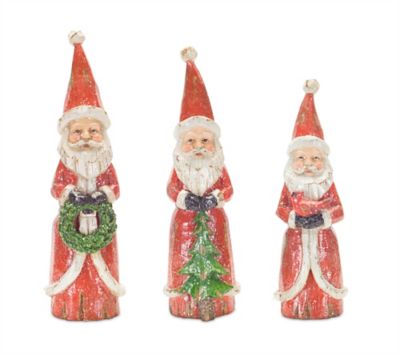
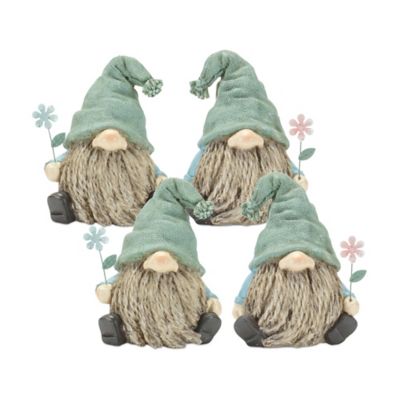
Garden statues bring a little personality to the places where everyday life happens, from the flower bed beside the front steps to the patch of green beyond the back porch. A small animal figure tucked among low plants can feel like a quiet discovery, while a taller sculpture beside a gate gives the entrance a clear focal point. These pieces can suit a farmhouse yard, a neatly edged suburban lawn, a courtyard, or a few containers on a patio. The right look depends less on having a big space and more on choosing a shape that belongs there. Farm animal figures feel at home near split-rail fencing and gravel paths, woodland shapes blend into planted borders, and simple sculptural forms pair nicely with stone edging or plain terracotta pots. Playful characters can bring some fun to a family gathering spot, while angels and other peaceful figures may suit a quiet bench or remembrance garden. Garden statuary also gives a planting bed something to draw the eye without adding another plant to tend. Scale makes a real difference: a figure that looks substantial on a table can disappear behind broad leaves, and a large piece may crowd a narrow walkway. Height, width, and depth all matter, along with the size of the base. Picture the statue from the kitchen window, the driveway, or wherever it will be seen most often. A low figure near a path invites a closer look, while a taller piece can hold its own at the far end of the yard. Leaving a little open ground around the base helps the outline stand out and makes routine tidying easier. For another character-focused option, take a look at
Santa Statues. Whether the goal is a friendly greeting by the porch or a quiet accent beside a favorite seat, a well-placed statue helps make an outdoor space feel settled and personal rather than crowded.
Materials influence everything from the way a garden statue looks to how it sits on the ground and how much effort it takes to move. Cast stone and concrete often have a substantial feel, with textured surfaces that pair well with brick, gravel, and planted beds. Their weight can help them stay put on a suitable foundation, but larger pieces take planning before lifting or repositioning. A solid, level support matters, since a heavy statue can settle unevenly into loose soil or freshly spread mulch. Resin figures can capture fine details in feathers, fur, clothing, or facial features without the weight of solid stone. Some are hollow, so check the listed weight and any securing instructions rather than judging heft by appearance alone. Metal statues range from slender silhouettes to fuller sculpted forms, and their finish affects both their look and their care needs. Bare-looking metal, painted surfaces, and applied patinas do not all behave the same way; the maker’s description should explain whether a changing surface is expected. Ceramic figures offer another range of shapes and finishes, though they need thoughtful placement away from bumping tools and busy foot traffic. Across materials, outdoor suitability comes from the construction and finish together, not simply the name of the material. Details such as narrow ankles, extended wings, projecting ears, and attached accessories deserve a close look because they can be more vulnerable to knocks than a compact shape. A broad base generally makes placement simpler, especially on a patio or stepping-stone pad. Statues with separate sections may need assembly, and pieces designed for anchoring should be set up according to their instructions. For a raised ledge, pedestal, or porch shelf, check both the footprint and the support’s weight limit. The practical choice is a piece that fits its intended spot, leaves room for normal yard chores, and can be handled safely whenever that area needs attention. Thinking through those details before placement saves a lot of rearranging later.
Garden statues work best when their placement suits the way a household actually enjoys the yard. Beside a porch chair, a small figure can add interest without taking away room for boots, a watering can, or a resting dog. Along a walkway, keep the entire base and any outstretched parts clear of the walking surface, with enough room for carrying groceries or rolling a garden cart past. Statues near lawn edges need clearance from mower wheels and string trimmers, which can chip finishes or mark softer surfaces. Around children and pets, a stable position away from climbing spots is especially important; a garden figure is not a play structure, even when its shape is inviting. Near a vegetable patch, set a statue outside the main working row so there is still room to kneel, weed, and harvest. Care is usually easier when the piece is within reach and does not require stepping through plants. Dust, soil splash, and fallen plant material can collect in creases and around the base, dulling the details over time. Follow the maker’s cleaning directions, starting with gentle methods when permitted, such as a soft brush or cloth and a mild soap solution. Harsh scrubbers, strong cleaners, and pressure washing can damage some finishes, so they are not a safe default. Before moving a statue, check for cracks, loose connections, or a shifting base, and lift from the supported body rather than a thin projecting feature. Keeping the care information makes later maintenance simpler, particularly for painted or coated pieces. Garden statues can also make thoughtful gifts for people who enjoy tending flowers, watching wildlife, or making a porch feel welcoming. An animal theme can reflect a favorite creature, while a quiet sculptural piece may mark a meaningful place or memory. For a gift, consider the recipient’s space and ability to lift the piece as much as its appearance. A manageable size and straightforward care requirements help a garden statue become something they can enjoy comfortably for years.