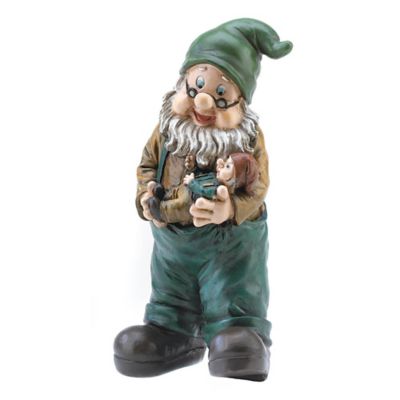
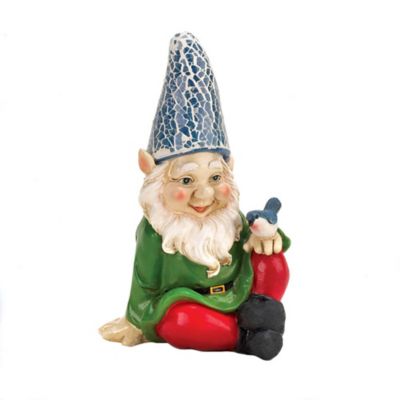
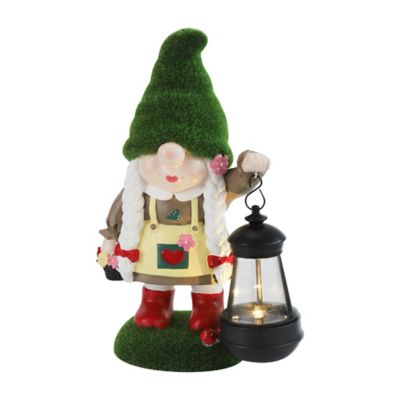
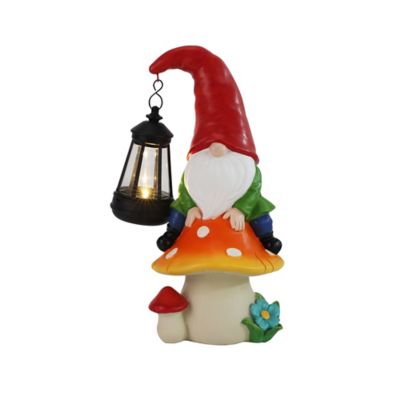
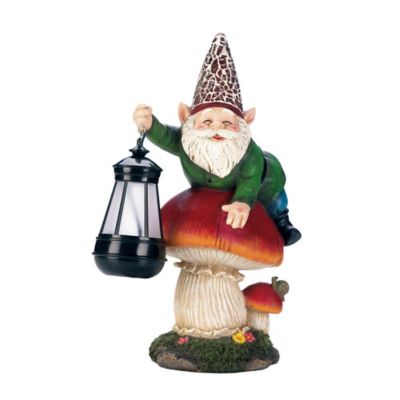
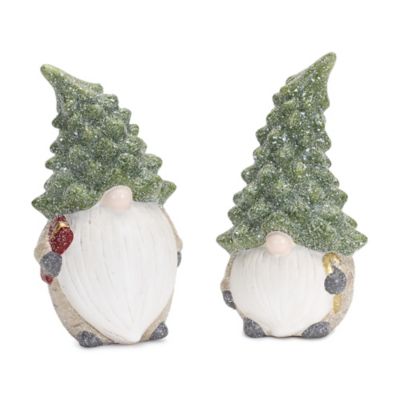
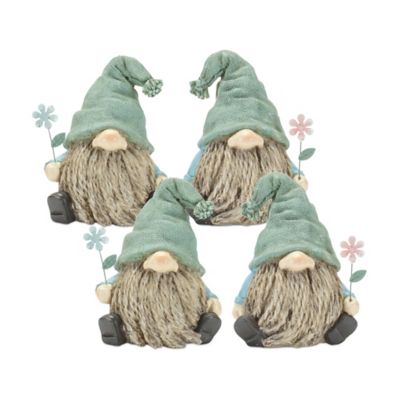
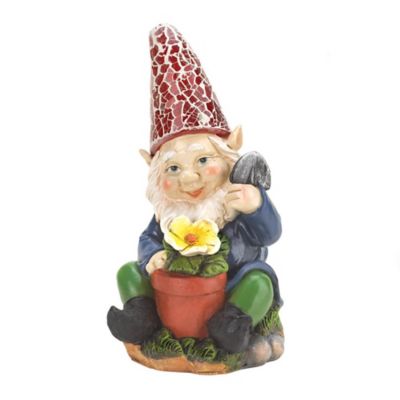
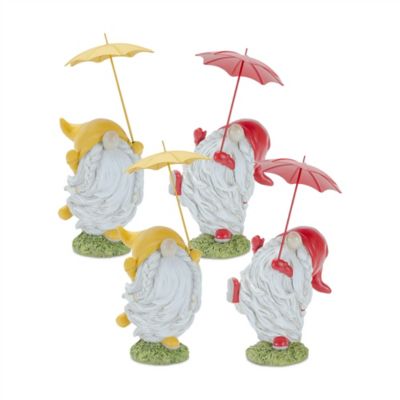
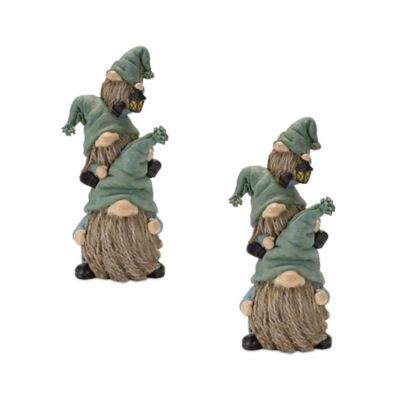
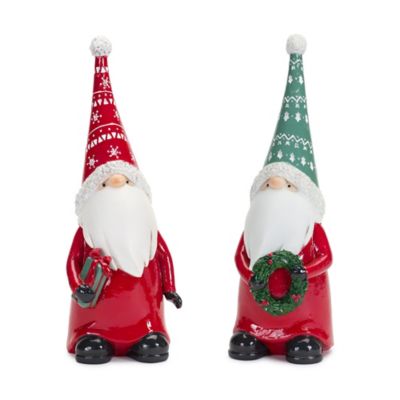
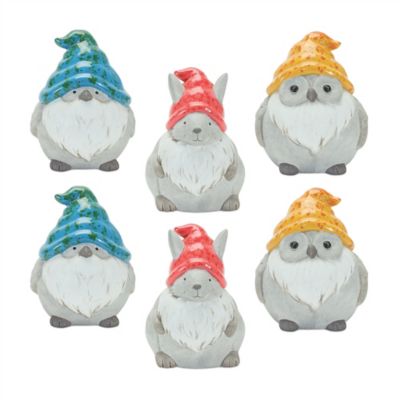
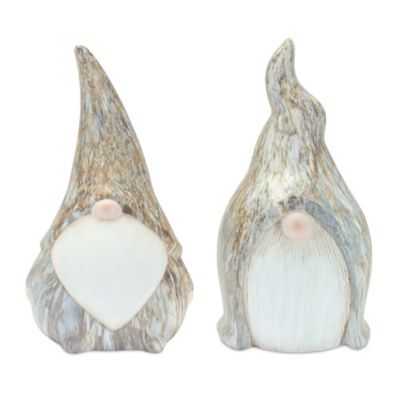
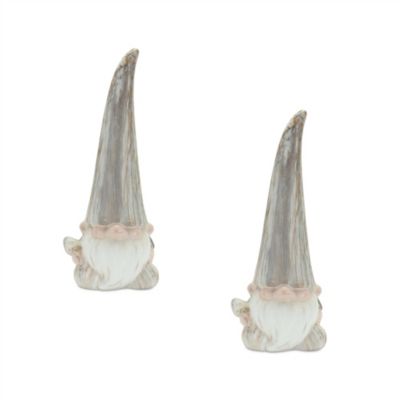
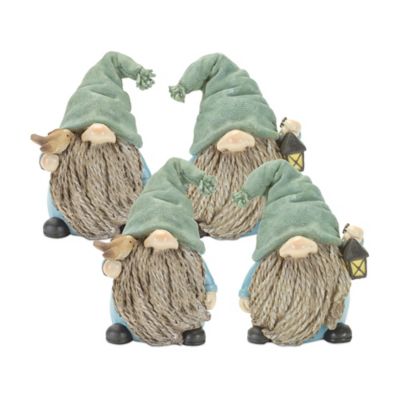
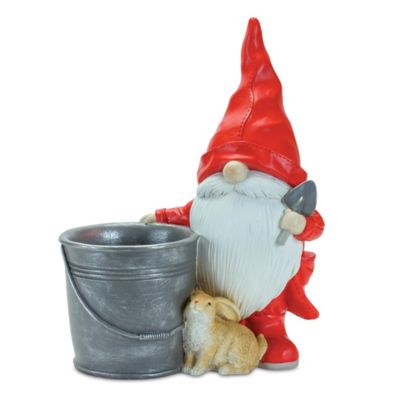
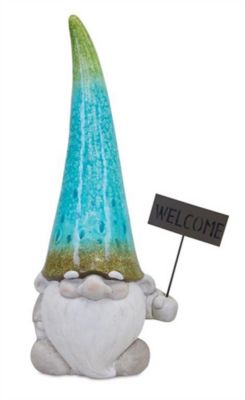
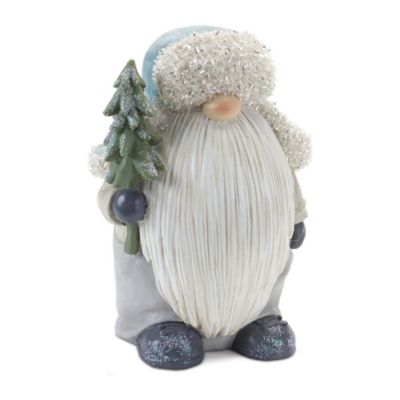
Gnome statues are small figures for gardens, porches, and indoor displays, usually recognized by their pointed hats, beards, and cheerful expressions. Rooted in European folklore, garden gnomes have long been associated with watching over the land and bringing good luck, making them a fitting accent among flowers, vegetables, and leafy plants. That old story is part of their charm, but their appeal is just as much about personality. A figure leaning on a shovel feels right at home beside a raised bed, while a seated gnome can bring a little humor to a porch step or a bench near the potting shed. Some designs feature familiar red hats and earth-toned clothing; others take a more playful turn with animals, oversized boots, or expressive faces. The best match depends on the space and the feeling it already has. A quiet corner with ferns and natural stone calls for a different look than a lively front entry filled with painted pots. Size makes a difference, too. A small gnome can tuck beside a container without stealing attention from the plant, while a taller figure is easier to notice from a walkway or across the yard. Measurements tell more than a photograph alone: overall height, base width, and the reach of a hat, tool, or outstretched arm all affect how a statue fits. A broad base generally gives a figure more support, though the surface beneath it still matters. Flat pavers, level porch floors, and firm shelf surfaces offer steadier footing than loose mulch or uneven gravel. Indoors, a gnome can sit beside a houseplant, on a hearth away from heat, or along a covered entry table. In any setting, leaving a little open space around the figure lets its face and details stand out rather than getting lost among pots, furniture, and other accents. From a distance, the silhouette catches the eye; up close, the expression gives the display its character.
Material is a big part of how gnome statues look, feel, and hold up to everyday placement and handling. Resin allows for detailed faces, textured clothing, and shapes that would be difficult to form in heavier materials. It can resemble stone or painted wood while being easier to move, although the actual weight varies with the size and construction. Hollow figures deserve particular attention at the base and around narrow features, since a pointed hat or thin accessory can be more vulnerable to a bump than the main body. Concrete and cast stone bring a heavier, grounded look that suits brick paths, stone borders, and substantial planters. Their weight can help a statue stay put, but it also makes lifting and repositioning more of a consideration. A sound supporting surface matters, especially on shelves or plant stands. Ceramic gnomes offer crisp shapes and finishes ranging from glossy to matte, with care needed around edges that may chip if knocked against a hard surface. Metal figures bring another look, often with simple outlines or a finish that changes in appearance over time. The material alone does not establish whether a statue belongs outdoors; the manufacturer's placement recommendations and finish information are the better reference. Paint, coatings, seams, and attached pieces can each have their own care needs. For routine cleaning, a soft cloth or soft-bristled brush can lift dust and loose soil from hats, beards, and boots without scrubbing away painted details. Mild soap and a damp cloth may suit some finishes, while porous surfaces or specialty coatings can call for a different approach. Care directions should settle that choice before cleaning begins. Picking up a statue by its body or base, rather than its hat or an attached tool, also helps protect small connections. On an indoor table or wood shelf, a suitable protective pad can help prevent scratches, provided it does not make the base wobble. Near planters, enough clearance for watering and tending plants keeps the figure from becoming an obstacle.
The most inviting gnome displays feel like they belong to the place rather than filling every open spot. A single figure beside a porch planter can say plenty, especially when its colors echo a painted door, a clay pot, or the cushions on a nearby chair. A small grouping can work along a garden border when the figures have enough breathing room for each shape to register. Repeating one color or choosing similar finishes helps bring different figures together without making everything match exactly. Among other
garden statues, gnomes offer a humanlike expression and a touch of storytelling that pairs easily with animal figures, simple stone accents, or a favorite birdbath. Scale keeps those combinations comfortable: a tiny gnome beside a large planter can look intentionally tucked away, while several equally prominent figures may compete for attention. Practical placement counts just as much as appearance. A statue set back from a path leaves room for boots, wheelbarrows, and garden carts, and a clear space around a hose connection makes everyday chores easier. Around children and pets, stable placement and an out-of-the-way spot help reduce accidental bumps; these figures are display pieces, not playthings. Gnome statues can also make thoughtful gifts for gardeners, new homeowners, and folks who enjoy adding personality to a porch or backyard. The recipient's space matters more than the size of the gesture. A compact figure may suit an apartment entry or a plant shelf, while someone with roomy beds and broad paths may appreciate a larger presence. Weight, lifting needs, care requirements, and indoor or outdoor suitability are useful considerations for a gift, too. Whether the look is quietly cheerful or downright silly, a well-chosen gnome adds a familiar face to a favorite spot without getting in the way of the work, plants, and everyday life around it.