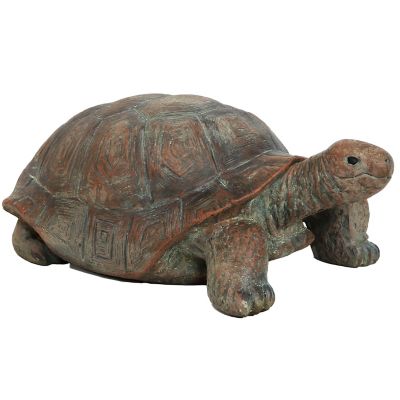
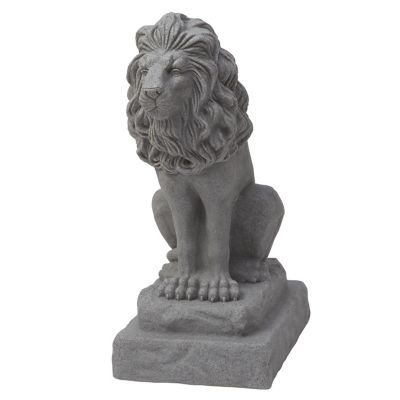
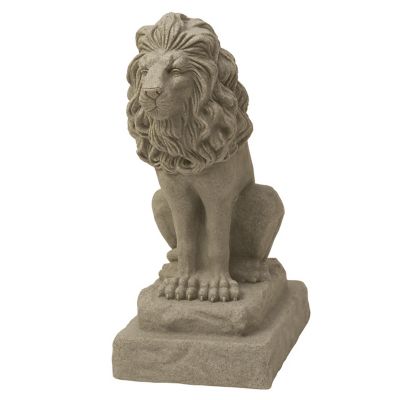
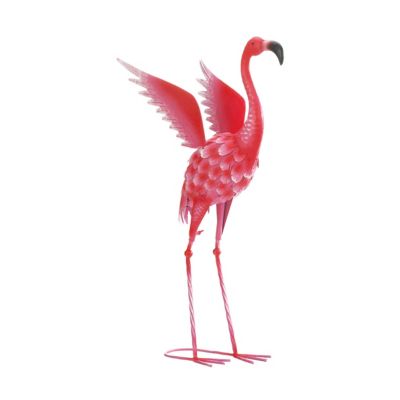
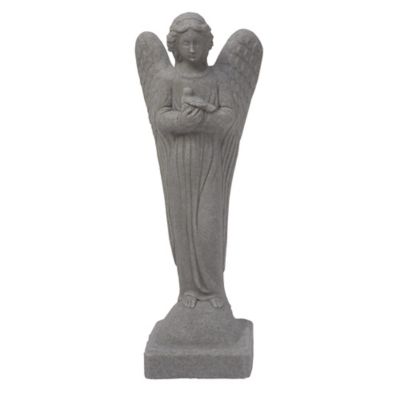
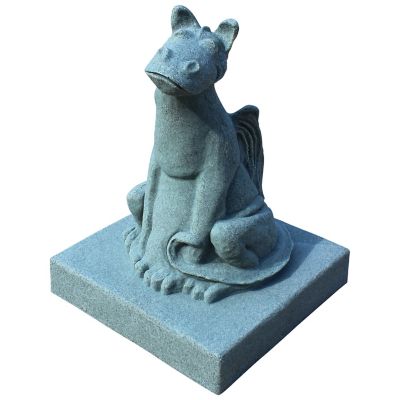
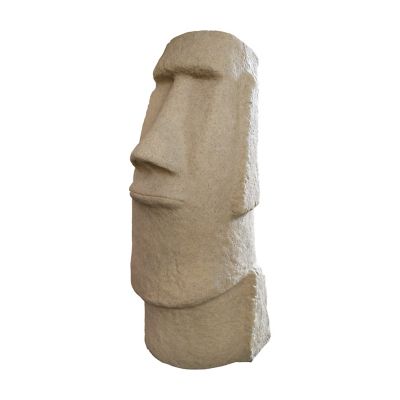
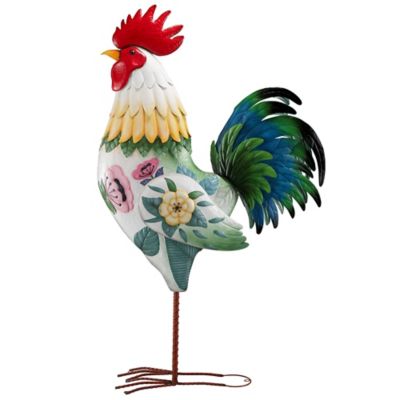
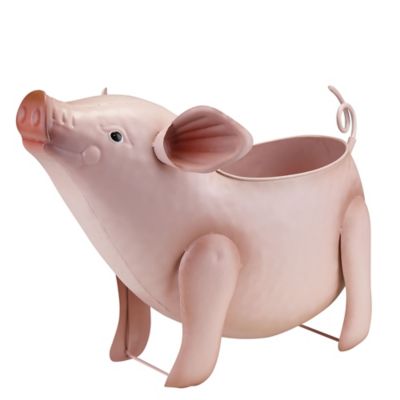
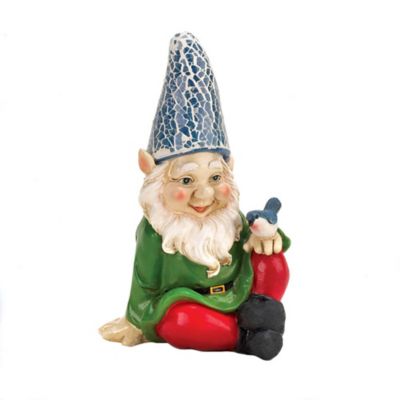
Animal garden statues bring a little more life to the places where folks gather, tend plants, or sit a spell after chores. A rabbit tucked beside a flowerpot, a turtle along a stone path, or a rooster near the porch steps can give an outdoor space a friendly, lived-in feel without taking over the whole yard. These figures fit just as naturally beside a farmhouse entry as they do in a small backyard garden, where a single animal can become a familiar sight among the leaves. Some designs look close to the real thing, with feather patterns, textured fur, and natural coloring. Others have simple outlines, playful expressions, or exaggerated shapes that make them easy to spot from across the lawn. The right look often comes down to the setting and the animals that mean something to the household. Farm animal statues can echo life around the barn, woodland creatures suit spaces edged with shrubs and trees, and pet-inspired figures can celebrate a favorite companion. Size matters as much as the animal itself. A small figure might sit comfortably beside a planter but disappear behind a thick planting, while a tall statue can serve as the main accent at an entrance or the far end of a walkway. Listed height alone does not tell the whole story; width, depth, and the shape of a tail, wings, or horns all affect how much room a statue needs. A crouching animal has a different presence than an upright bird, even when their measurements are similar. Viewing distance makes a difference, too. Fine facial details reward a closer look near a bench, while a clear silhouette is easier to appreciate from the driveway. Matching that scale to the surrounding pots, steps, and plants helps the figure look settled in rather than squeezed into a leftover spot. A little open space around it lets the animal’s shape stand out and keeps the planting from swallowing the scene.
Materials influence an animal garden statue’s weight, texture, and upkeep, so there is more to the choice than appearance alone. Resin can capture small details such as whiskers, feathers, and folds, and many resin figures weigh less than comparably sized cast-stone pieces. That can make repositioning easier when pots or garden arrangements move, though a lighter statue still needs a steady base. Concrete and cast stone bring heft and a substantial look, particularly alongside masonry, gravel, or broad planting beds. Their weight calls for a firm, level spot and a little planning before lifting or carrying. Metal animal statues range from thin, shaped silhouettes to fuller sculpted forms, with finishes that may be painted, sealed, or intended to develop a changing surface appearance. Ceramic pieces offer another look, often with smooth glazed surfaces and crisp color, but their edges and projecting parts need protection from bumps. No single material tells the whole story about strength or suitability; construction, wall thickness, finish, and the maker’s intended placement all matter. An outdoor rating is worth checking rather than assuming that every animal figure belongs in a garden. A statue meant for a sheltered porch may have different care needs from one intended for placement in an open planting bed. Flat paving stones, sturdy steps, and broad plant stands can provide support, provided the surface can handle the weight and the base sits fully on it. Keeping statues clear of mower routes, hose paths, gates, and busy foot traffic helps prevent chips, scrapes, and tipped figures. For routine care, a soft cloth or soft-bristled brush can lift loose dirt from textured areas; further cleaning should follow the material and finish instructions. Harsh cleaners and abrasive pads can damage paint or surface treatments. Lifting from the body or base rather than an ear, beak, or tail also helps protect narrow attachment points. Larger pieces may call for two people to move them without dragging the base or straining a projecting part.
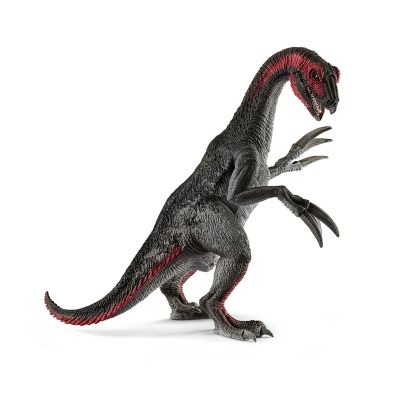
Placement gives animal garden statues much of their charm. A figure set slightly back from a path can feel like a small discovery, especially when its head rises just above low-growing plants. Near a porch, a pair of animals can frame an entrance, while one larger figure beside a bench can give a sitting area a clear point of interest. There is no need to fill every gap. Leaving room between figures keeps each one visible and makes watering, trimming, and sweeping easier. In a working yard, practical clearance matters: a statue should not block access to a spigot, crowd a feed-storage entrance, or sit where a wheelbarrow needs to turn. Near children’s play spaces or pet routes, a stable shape with a broad base deserves particular attention, along with edges, small attached pieces, and anything that could snag a leash. Garden statues are display pieces rather than playthings; for animal-themed play,
Animal Figurine Toys are a separate category with their own age and safety considerations. As gifts, garden animal figures can feel personal without requiring much knowledge of someone’s planting habits. A familiar farm animal may suit a livestock keeper, a bird figure can appeal to someone who enjoys watching the feeder, and a pet-shaped statue can be a thoughtful remembrance when chosen with care. The recipient’s space is worth considering alongside their favorite animal. Someone with a narrow porch may appreciate a compact, easy-to-move figure more than a heavy piece that needs a permanent footing. Color and finish can tie the choice to surroundings already there, whether that means dark metal beside a wooden fence, a stone-like surface near a brick walk, or a painted animal among plain clay pots. From a quiet corner by the back door to a well-traveled garden path, an animal statue adds a familiar face to the yard and gives the space a bit of personality rooted in the animals its owner enjoys.