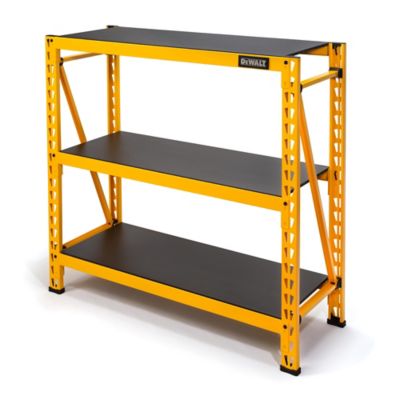
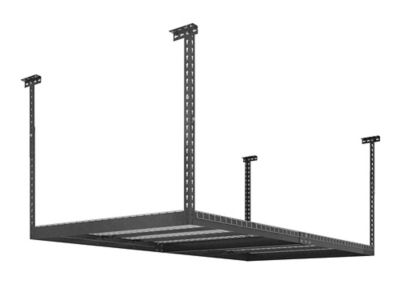
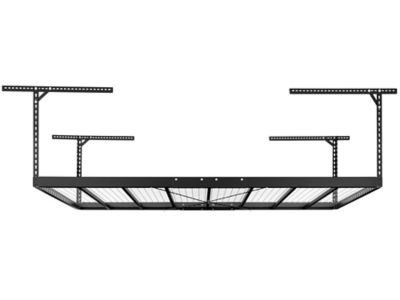
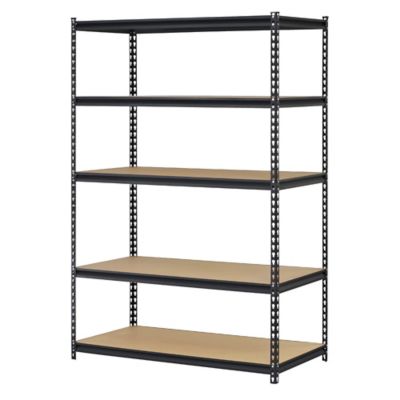
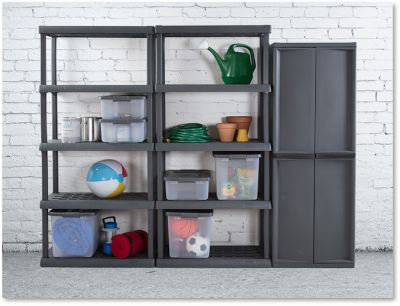
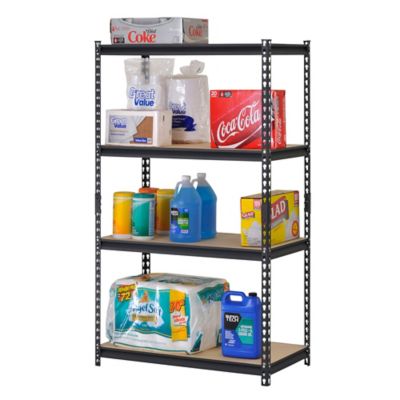
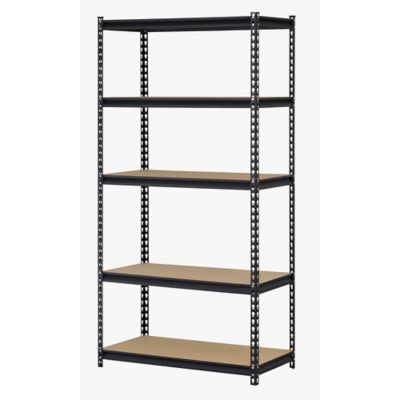
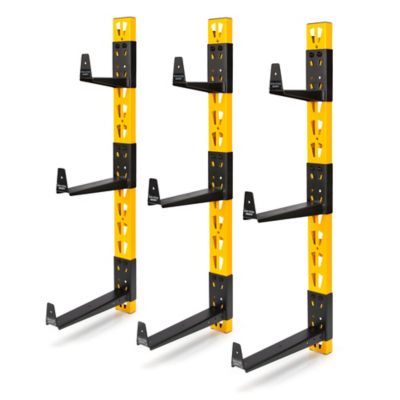
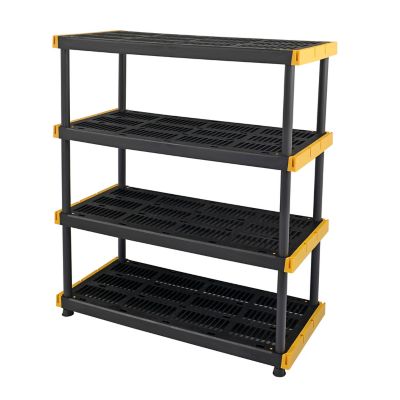
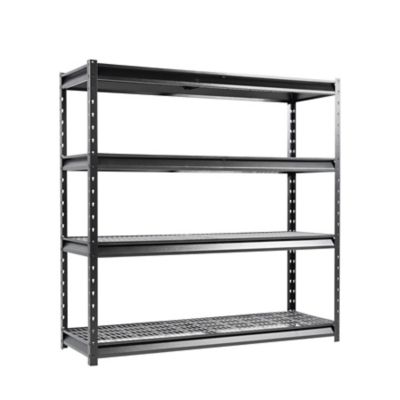
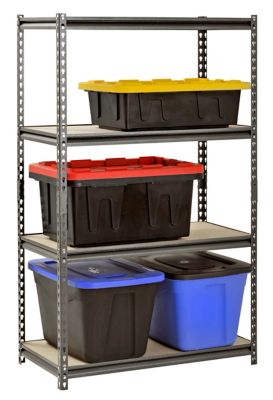
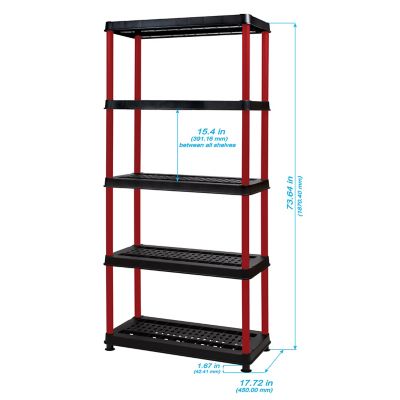
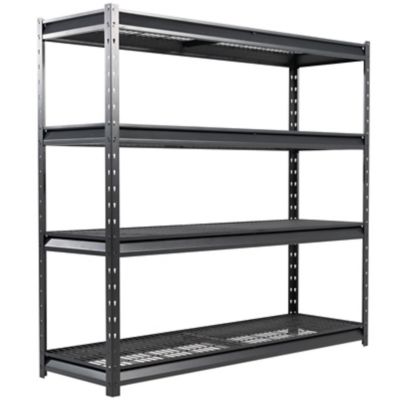
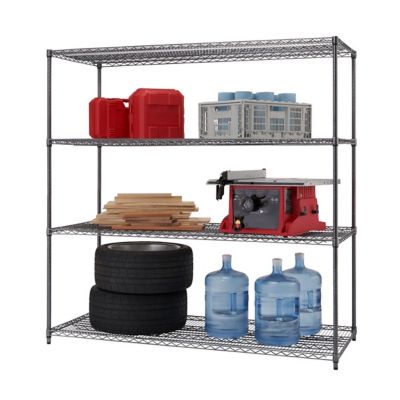
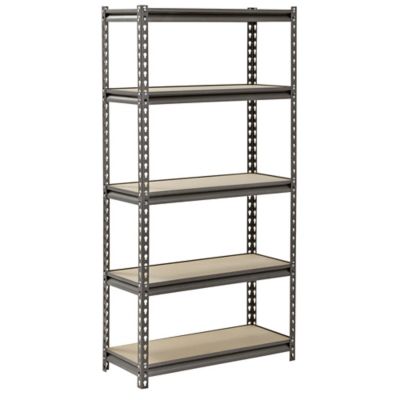
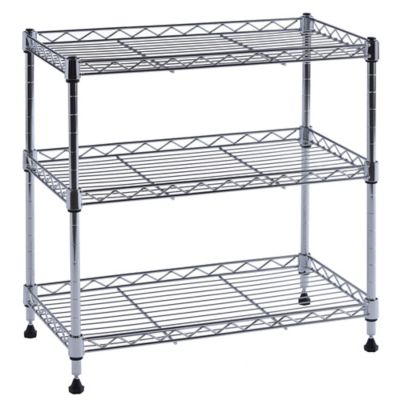
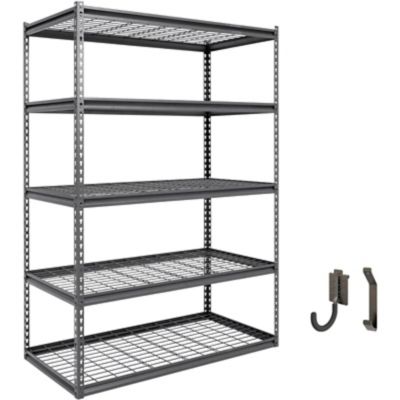
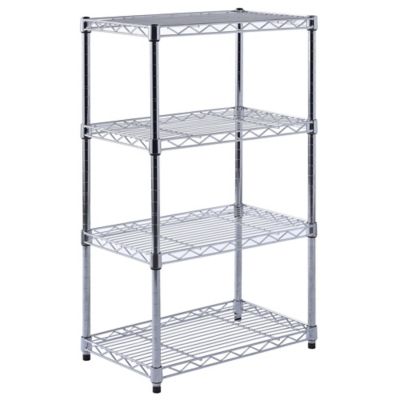
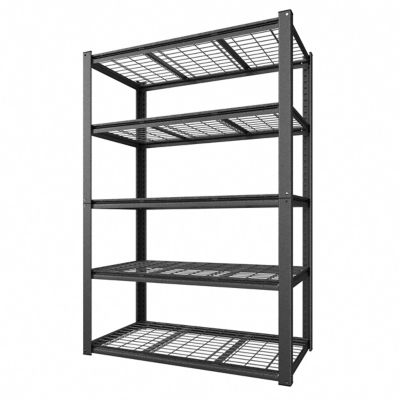
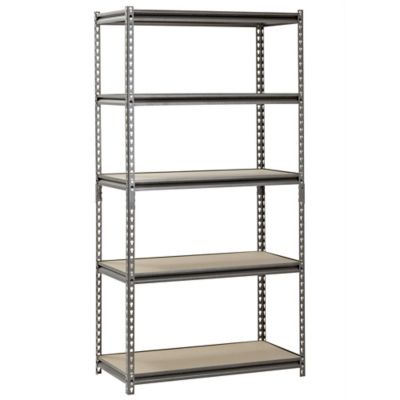
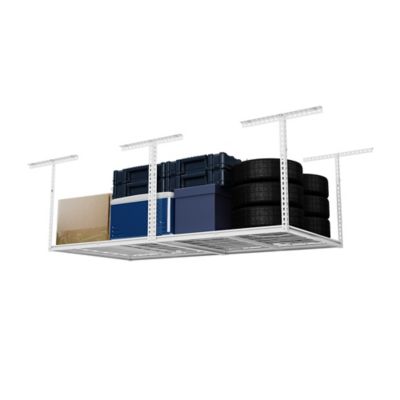
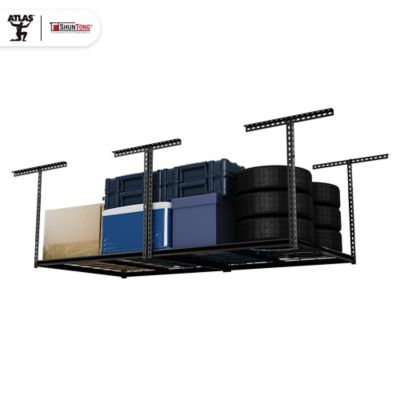
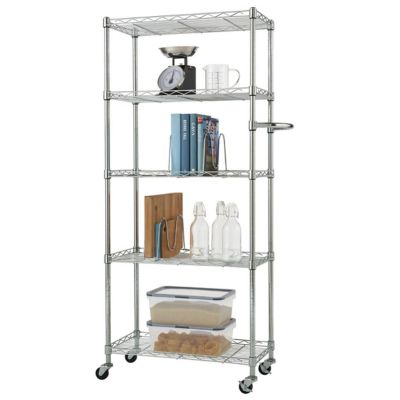
Garage shelving turns open wall space and spare corners into storage for tools, equipment, and supplies that need a place off the floor. The main types include freestanding shelving units, wall-mounted shelves, and overhead storage racks, with different layouts suited to different loads and garage spaces. Freestanding shelves rest on the floor and work well along an open wall or beside a workbench. Wall-mounted shelving attaches to suitable structural supports, leaving room underneath for rolling equipment or other gear. Overhead racks make room for less frequently needed belongings, provided the ceiling structure and installation can support the load. For a garage that handles everything from vehicle upkeep to repairs around the property, a mix of shelf sizes can make better use of the space than one deep rack. Shallow shelves keep small containers within reach, while deeper shelves accommodate larger storage totes and tool cases. Shelf height matters, too: a tall opening can hold an upright piece of equipment, but several shorter openings may provide more practical space for parts bins. Adjustable shelves offer flexibility as the contents change, although adjustment methods and spacing vary by design. A good fit leaves room for the garage door, tracks, wall outlets, and access to equipment that needs regular service. Depth deserves particular attention where a vehicle parks nearby, since a shelf that fits against the wall can still interfere with an open truck door or a clear walking path. In a shared garage, shelving can also establish a boundary between parking space and work space, keeping storage from spreading into the middle of the floor. The most useful garage storage shelves match the room’s dimensions and the things going onto them, rather than simply filling every available inch. There should still be enough room to lift a tote straight off a shelf, carry a tool case past a parked vehicle, and reach the back of a shelf without stretching across sharp or heavy equipment.
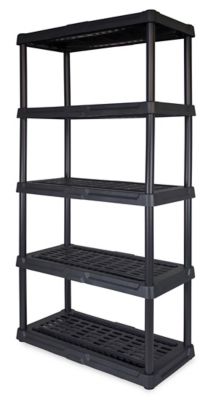
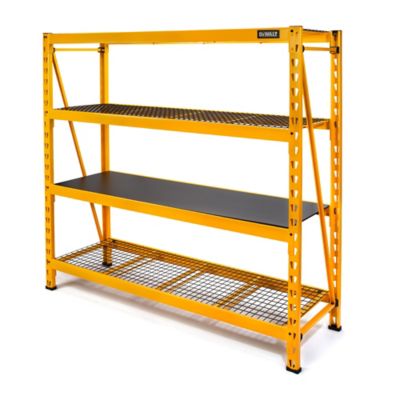
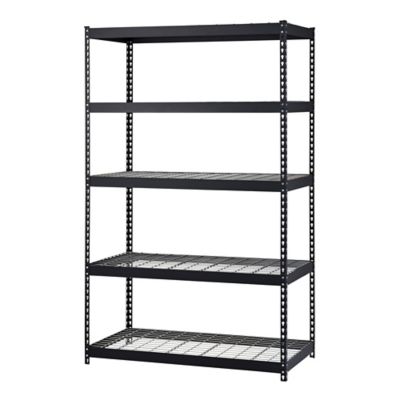
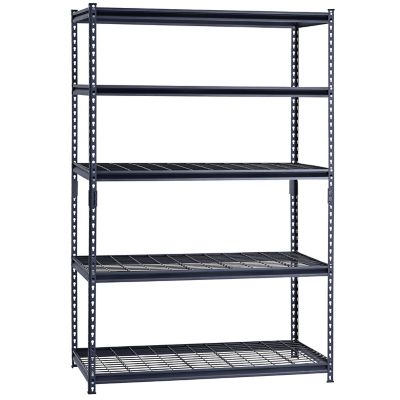
Materials make a difference in how garage shelving handles weight, spills, and everyday wear. Steel shelving is a common choice for tool storage and other demanding jobs, with the frame, shelf supports, and deck construction all contributing to its load rating. Protective finishes help shield the metal, though scratches and exposed edges deserve attention if moisture reaches them. Wire shelves let loose dirt fall through and make it easier to see what is stored overhead, but small hardware and narrow containers may need bins or a compatible shelf liner for support. Solid shelves give small objects a continuous surface and help keep debris from dropping onto the level below. Wood and engineered wood shelf decks offer a firm platform, but their resistance to liquids depends on their construction and finish; prolonged dampness or an unattended spill can cause damage. Molded resin or plastic shelving can be a practical match for lighter garage supplies, with care requirements that differ from metal or wood. Material alone does not tell the whole story, so the listed weight capacity matters more than appearance or the heft of a frame. A per-shelf rating is different from the total rating for a complete unit, and both may depend on evenly distributed weight and a particular assembly arrangement. A compact, heavy load can stress a shelf differently than several lighter bins spread across it. For tool cases, substantial parts containers, and other weighty storage needs,
Heavy Duty Garage Storage Shelves offer a category worth considering alongside the load requirements of the space. Heavy belongings generally belong on lower levels, with lighter loads higher up. Wall and ceiling systems need attachment points, fasteners, and structural support suited to the installation, while freestanding units may require anchoring according to their instructions. A level, firm surface and properly seated shelf components are part of a sound setup, not details to leave for later.
The right arrangement makes garage shelving useful long after the first round of straightening up. Someone maintaining a mower and a pickup may want service supplies close to the workbench, while a household sharing space with bicycles and sports equipment may need separate shelves for each activity. Around an acreage or small farm, labeled containers for fence repair parts, work gloves, and equipment attachments can save a walk back to the shed when a job is already underway. Clear containers make contents easy to spot, while opaque bins keep a busy shelf looking more settled; either needs dimensions that work with the shelf opening and enough hand room for lifting. Small parts are easier to manage in divided containers than scattered across an open shelf, and frequently needed gear belongs where it can be reached without moving three other things. Shelving also benefits from a little breathing room rather than being packed edge to edge, especially where long tools or awkward cases need space to turn. Chemicals, automotive fluids, animal feed, and household belongings should not all share a shelf simply because they fit. Product labels and storage requirements determine what belongs together, and some materials call for a dedicated cabinet or another storage location instead of open shelving. Routine care is straightforward: clear away grit, wipe up spills promptly, and clean surfaces with methods suited to the shelf material. Periodic checks of fasteners, braces, shelf decks, and wall attachments can reveal loose connections, bending, or other damage before more weight is added. Compatible replacement decks, liners, and storage bins can help keep an established setup working, but accessories should not interfere with supports or change the stated load limits. Garage shelving earns its space when a socket set has a steady home, a parts bin slides out without a struggle, and the floor stays clear enough to get the next job started.