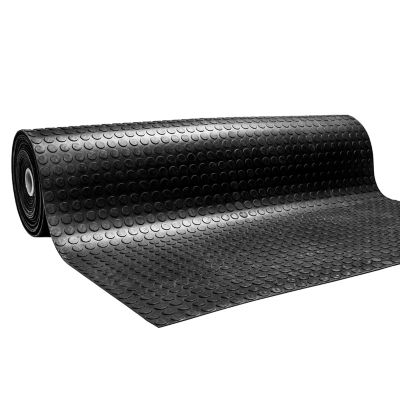
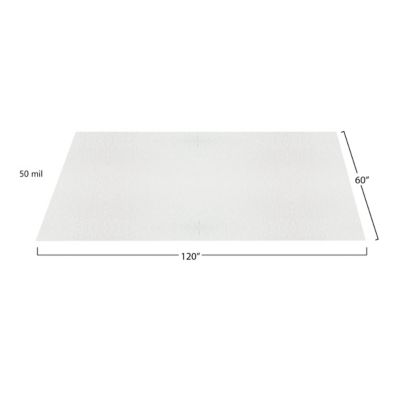
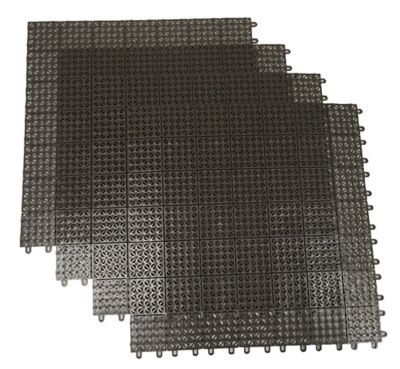
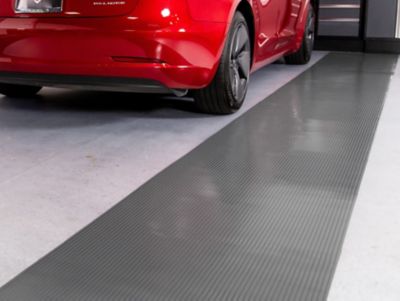
Garage flooring gives a hard-working space a surface that suits what happens there, whether that means parking a pickup, tuning up a mower, or spending an afternoon at the workbench. Bare concrete can collect stains and shed dust, while a floor covering can make the space easier to clean and more comfortable to work in. The right material depends on the job. Roll-out vinyl creates broad coverage with fewer joints, making it worth considering where sweeping up sawdust, grass clippings, and tracked-in grit is part of the routine. Interlocking plastic tiles offer a modular layout, with individual sections that may be replaceable if damage occurs. Solid-top tiles provide a continuous working surface, while open-grid designs allow small debris and some liquids to pass beneath the walking surface, where they still need attention during cleaning. Rubber flooring brings a different feel underfoot and can help cushion a standing work area, although compatibility with vehicle fluids, tires, and heavy equipment varies by material. Concrete coatings create a bonded finish rather than a removable covering, so surface preparation and the condition of the slab matter a great deal. Across these options, thickness alone does not tell the whole story. Surface texture, resistance to abrasion, backing construction, and the way seams or edges connect all affect everyday performance. A garage that mainly holds a family vehicle has different needs from a farm shop where equipment rolls in and out and tools hit the floor. Flooring intended for vehicle traffic needs the appropriate load rating and resistance to tire contact; a cushioned surface meant for standing may belong only in front of a bench. Matching the flooring to those tasks helps keep the space practical without giving up a clean, finished appearance. It also helps separate the demands of a parking bay from those of a tool room, hobby corner, or household storage area sharing the same slab.
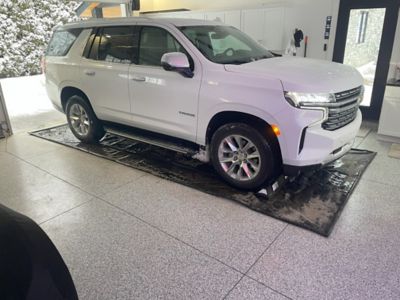
Fit matters just as much as material, especially in a garage where doors, cabinets, and rolling equipment already have their places. Wall-to-wall coverage can pull the space together, while a smaller section can define a repair bay or protect the floor beneath a frequently parked vehicle. For focused coverage,
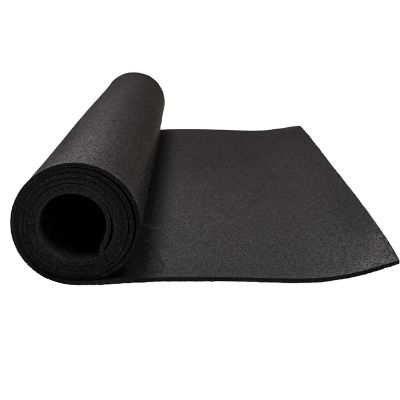
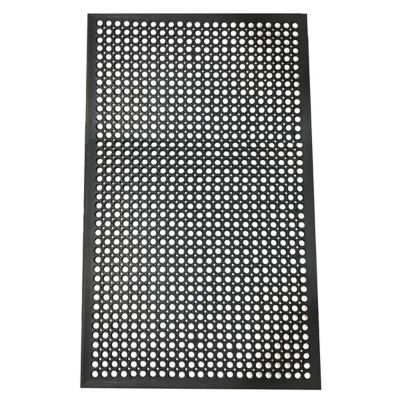
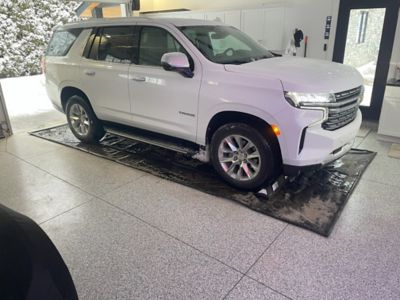
Garage Floor Mats can help establish a parking area or work zone without covering every square foot. The useful footprint includes more than the space between the tires: room beside the vehicle matters for stepping out, reaching a tool cart, and moving around an open door. Flooring thickness also affects clearance beneath entry doors and along cabinet toe kicks, and raised edges need careful placement near walking paths. Beveled transitions can make a change in floor height easier to cross with a cart or creeper, provided they suit the flooring system and the equipment moving over it. Interlocking layouts may require expansion space at the perimeter, while roll-out materials can have their own requirements for lying flat and staying in place. Those details belong in the manufacturer's installation directions, along with any limits on adhesives or fastening methods. The slab underneath remains important, too. A covering does not repair a failing concrete surface, level a deep depression, or solve moisture coming through the slab. Concentrated loads deserve particular attention: a floor that supports vehicle tires may not be rated for the small contact points of jack stands, lift posts, or loaded metal casters. A floor jack rolling under a truck puts different demands on the surface than a person walking across it in work boots. The same goes for turning tires in a tight bay, where twisting force can challenge tile connections or shift a loose covering. Keeping these real shop conditions in mind makes the finished layout better suited to daily work, not just an empty garage.
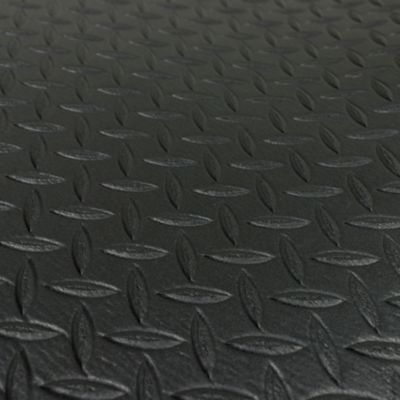
Care requirements are worth weighing before a garage floor becomes part of the daily routine. A smooth, closed surface can make sweeping easier, but texture often provides more traction underfoot. Deeper patterns and open grids can hold grit, so cleanup may involve more than a quick pass with a broom. Seams, wall edges, and the area beneath removable sections can also collect debris or moisture. For many flooring materials, routine care starts with removing loose dirt and following the maker's directions for a suitable cleaner. Strong solvents, aggressive degreasers, abrasive brushes, and pressure washing are not appropriate for every surface. Oil, fuel, brake fluid, and other shop chemicals need prompt attention, and resistance to one substance does not establish resistance to another. No flooring makes a spill harmless or guarantees footing when the surface is slick. A parking area benefits from a material whose care instructions match the messes likely to land on it, while a bench area may put greater emphasis on standing comfort and easy removal of metal shavings. Welding, grinding, and other spark-producing work call for flooring specifically suited to that exposure; ordinary plastic, vinyl, or rubber coverings should not be assumed to handle sparks safely. Appearance has a practical side as well. Lighter colors can make a dropped screw easier to spot, while darker tones may show less visible staining but make tiny parts harder to find. Patterns can help distinguish a walking lane from a parking space, though tools and hardware should remain easy to see against the surface. For a garage that serves as both parking space and workshop, a straightforward layout with manageable cleaning needs often makes the most sense. The goal is a floor that fits the way the building works: room to roll out the toolbox, park the mower, unload supplies, and get on with the next job.