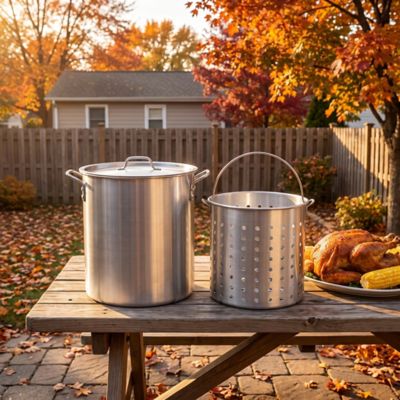
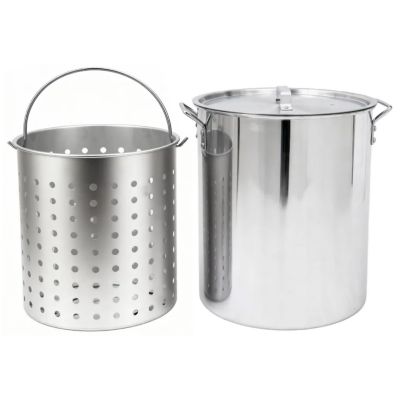
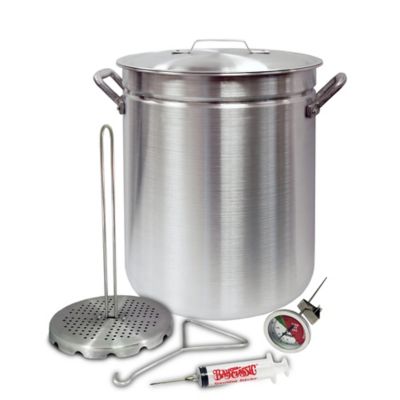
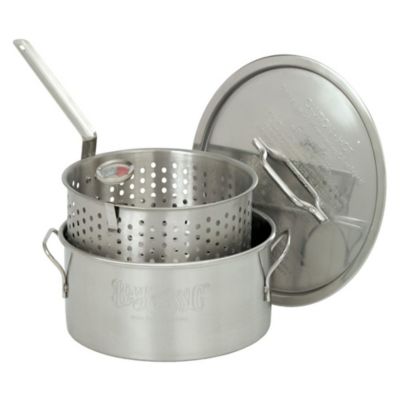
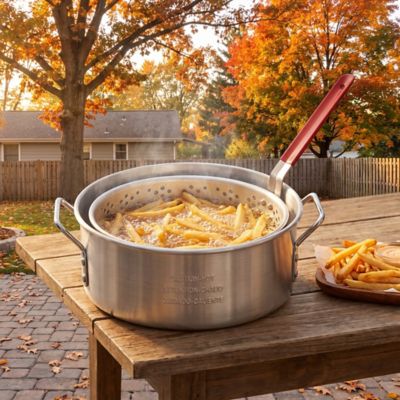
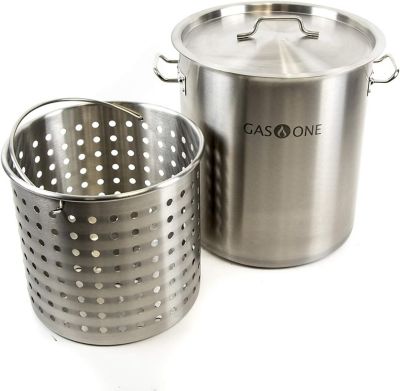
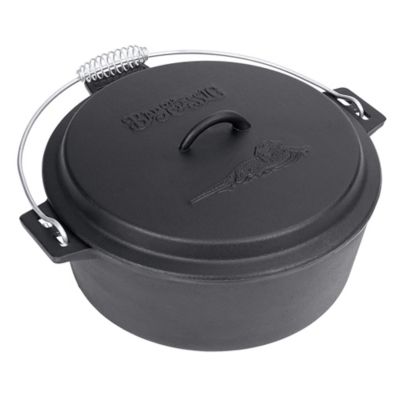
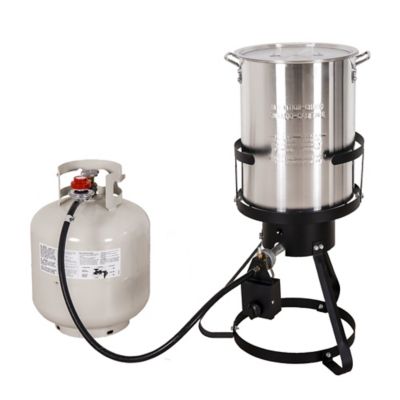
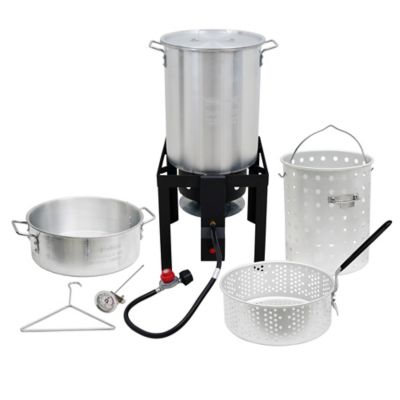
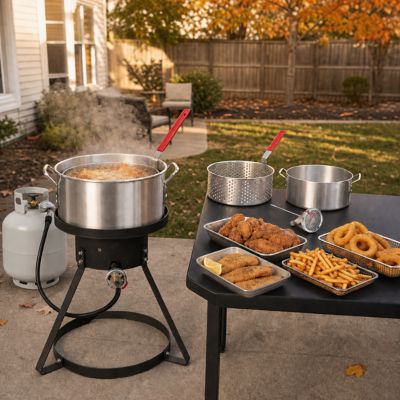
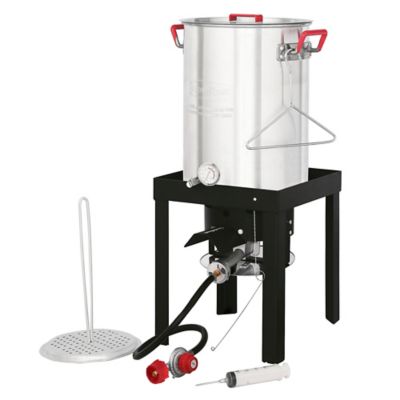
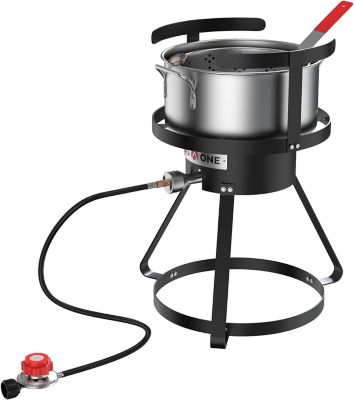
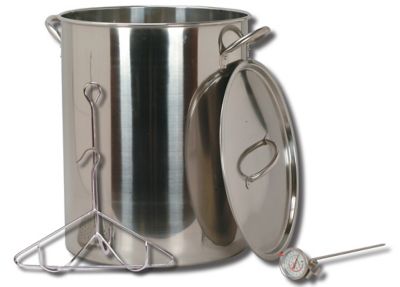
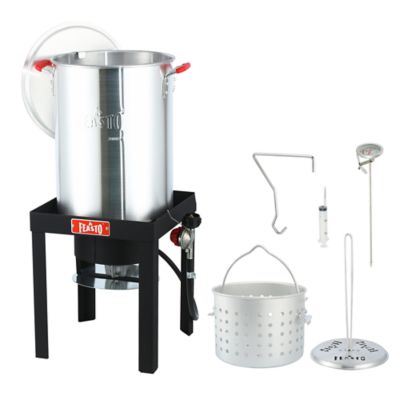
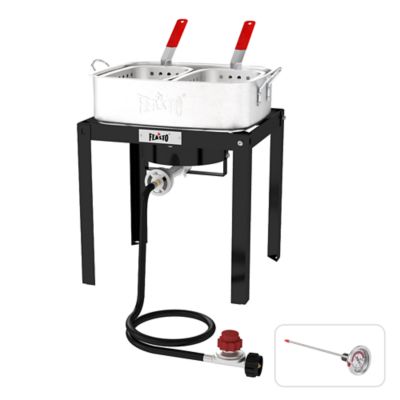
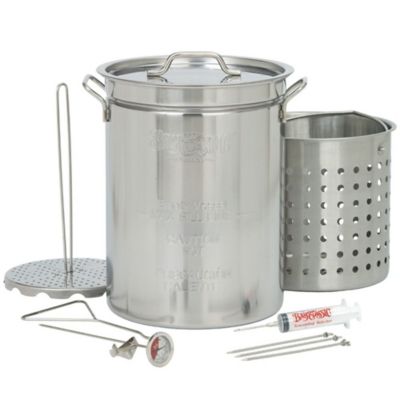
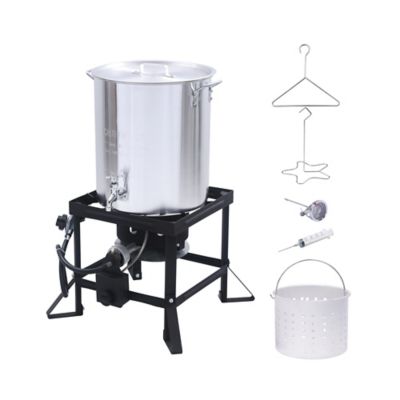
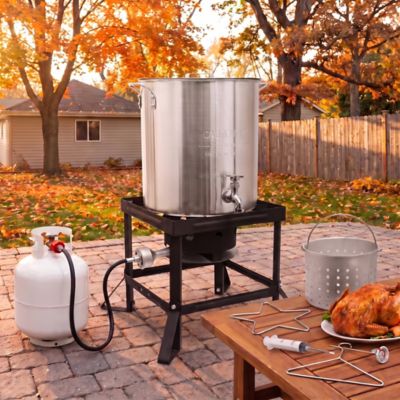
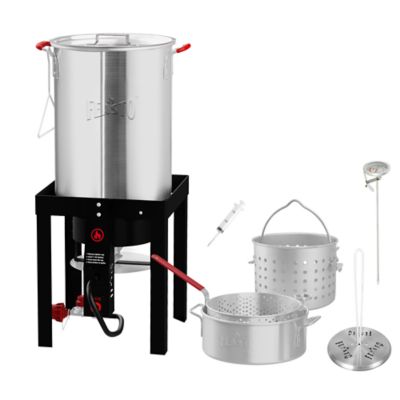
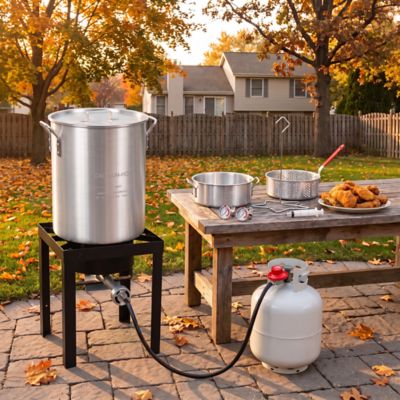
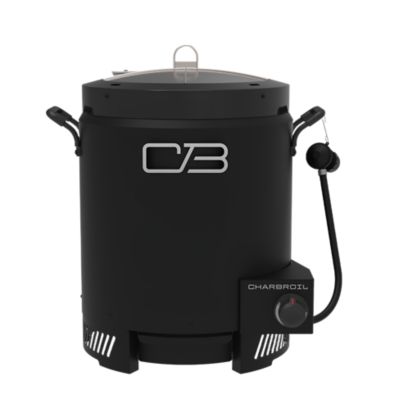
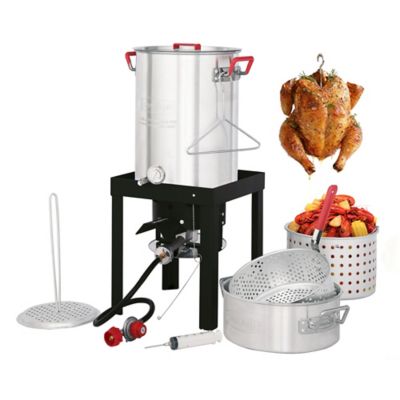
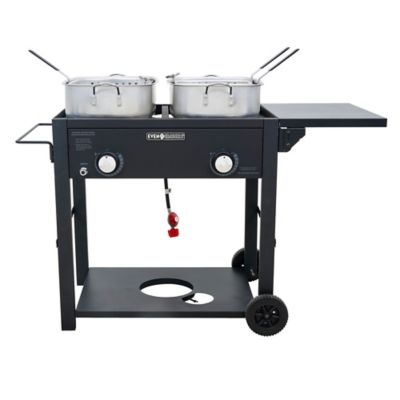
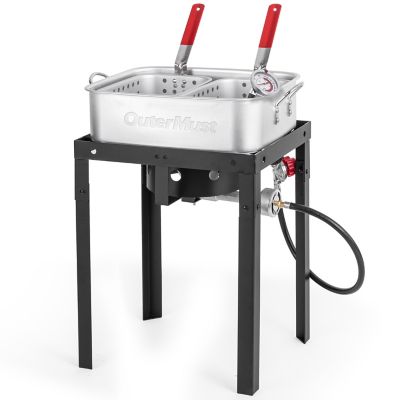
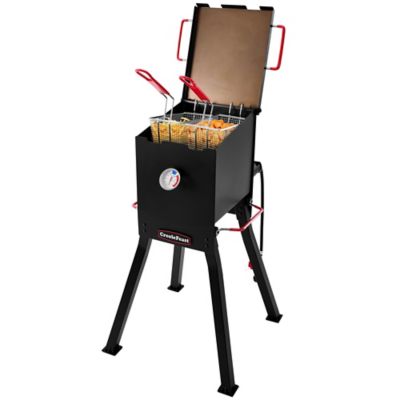
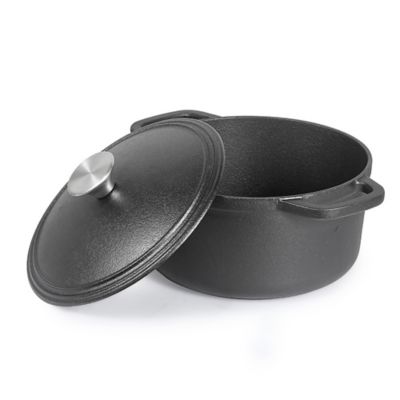
A frying pot is a deep cooking vessel designed to hold hot oil for frying foods such as chicken, fish, french fries, hush puppies, and battered vegetables. Also called a deep-frying pot, it provides more depth than a skillet, giving food room to cook beneath the oil while leaving space above it for bubbling and movement. That combination makes frying pots a practical part of the kitchen for folks who enjoy a crisp coating and a tender center, whether supper means a few pieces of chicken or several batches of fresh-caught fish. Unlike an electric deep fryer, a frying pot gets its heat from a compatible stove or burner, so the pot, heat source, and accessories all need to work together. Some designs suit indoor stovetops, while others belong with outdoor cooking equipment; those applications are not interchangeable. Capacity matters, but the number of quarts alone does not tell the whole story. The pot’s diameter, depth, recommended oil level, and food capacity determine how much can cook comfortably in one batch. A wide opening gives fillets and larger pieces room to lie apart, while deeper sides provide space above the oil. Filling a pot to the brim is never appropriate for frying, since adding food raises the oil level and causes bubbling. For a family meal, manageable batches often make more sense than a vessel that takes a large amount of oil to fill. For a backyard gathering, additional cooking space can help keep food moving without crowding each batch. Overcrowding lowers the oil temperature and can leave the coating greasy instead of crisp. A frying pot with dimensions that match both the food and the cooking setup makes it easier to keep that steady rhythm, from the first batch of potatoes to the last piece of fish. It also leaves the cook room to work with a basket, skimmer, or long-handled utensils without squeezing everything into a narrow opening.
The material and construction of a frying pot affect its weight, heating behavior, care needs, and suitability for different cooking surfaces. Stainless steel is a common choice for its resistance to rust and its straightforward cleaning, though heat distribution depends on the construction of the base and walls. A layered base can help spread heat more evenly, while plain stainless steel may develop hotter areas over a concentrated burner. Aluminum weighs less than many other cookware materials and conducts heat readily, which can be handy when a pot needs to respond to burner adjustments. It can also dent or react poorly to certain cleaners, so the care directions matter. Cast iron holds heat well and brings substantial weight to the cooking setup, especially once oil and food are inside. Its seasoning needs attention, and thorough drying helps prevent rust. Enameled surfaces have different care requirements from bare iron, and not every coating is suitable for every frying application. Across materials, a flat, stable base and sound handle attachments matter for a long service life. Handles should offer enough clearance for a secure grip with appropriate heat protection, but a hot pot full of oil should stay in place rather than travel from one work surface to another. Burner fit deserves just as much attention as the pot itself. The base needs steady support, and the cookware must match the heat source specified by its manufacturer. Induction cooking requires a compatible magnetic base, while glass cooking surfaces may have limits related to cookware weight and diameter. Outdoor propane equipment belongs outdoors, away from enclosed spaces and combustible materials. A large vessel does not automatically belong on a small burner, and a regular stockpot is not automatically suitable for a high-output frying setup. Thermometers, baskets, and lifting tools also need the right dimensions and heat ratings. A basket that sits properly inside the pot can make draining easier, while a frying thermometer helps the cook watch the oil as food goes in and batches come out.
Everyday details often determine how well a frying pot fits into a household’s cooking routine. A smooth interior, accessible corners, and a rim that allows controlled pouring can make cleanup less awkward once the oil has cooled completely. Removable baskets need enough space for washing, and handles or thermometer clips should not trap food where a cloth cannot reach. Dishwasher suitability varies by material and construction, so the manufacturer’s care directions take priority over a general assumption about metal cookware. Bare cast iron generally needs hand washing, prompt drying, and attention to its seasoning; other surfaces may call for nonabrasive cleaning tools to protect the finish. Oil also needs a plan beyond the meal. Completely cooled cooking oil can be strained and stored when appropriate for its condition and the manufacturer’s guidance, while oil that smells off, foams excessively, or smokes sooner than expected needs replacement. Cooking oil does not belong down a sink drain. Storage space is another practical consideration, particularly for deeper pots with wide handles or separate baskets. A pot that fits comfortably on a shelf is easier to keep clean and ready for the next supper than one that has to balance on top of other cookware. For anglers and families who regularly serve breaded fillets,
Fish Fryers offer another way to consider equipment built around that kind of meal. Frying pots also suit cooks who make onion rings for a family get-together, fry chicken for a shared supper, or turn garden vegetables into a crunchy side dish. As a gift, the best match reflects the recipient’s cooking space, preferred heat source, and comfort with hot oil rather than simply choosing the biggest pot. A manageable size, compatible accessories, and clear care requirements make more sense for someone cooking for two, while a frequent host may appreciate room for larger batches. Whatever the meal, stable placement, dry food surfaces, and close attention throughout cooking belong alongside the cookware. Those practical details help a frying pot earn its place in a kitchen or outdoor cooking setup.