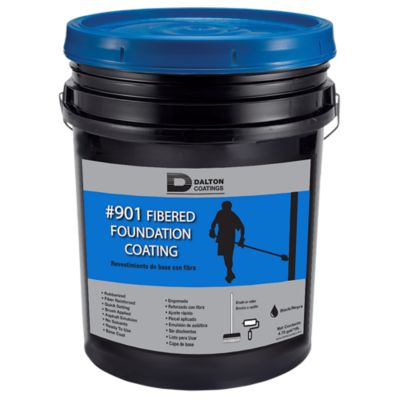
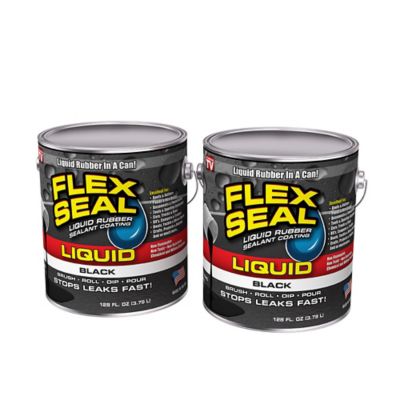
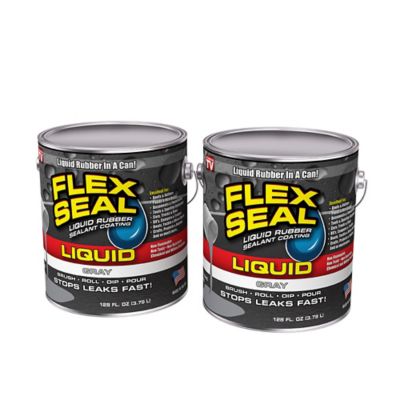
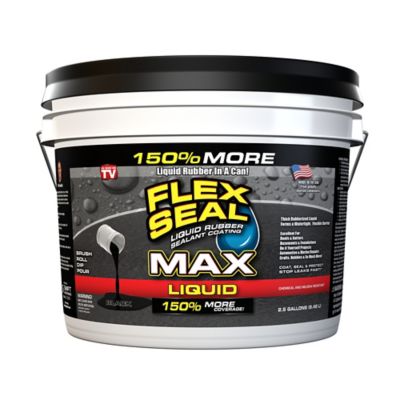
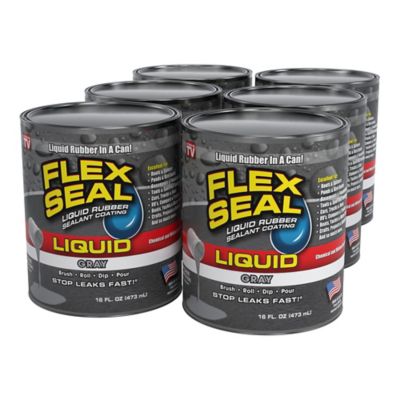
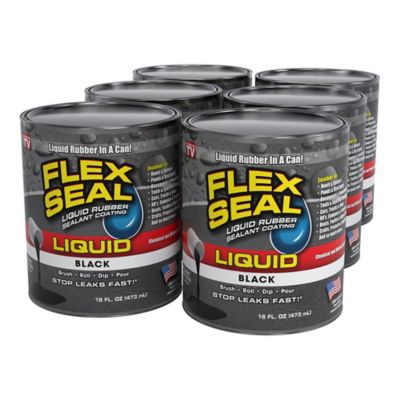
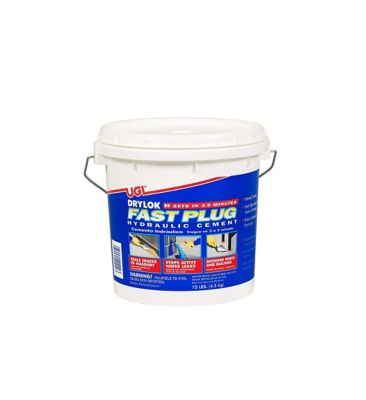
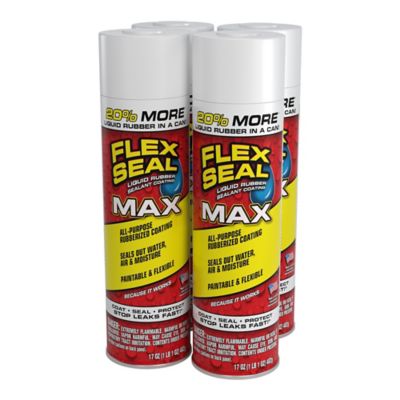
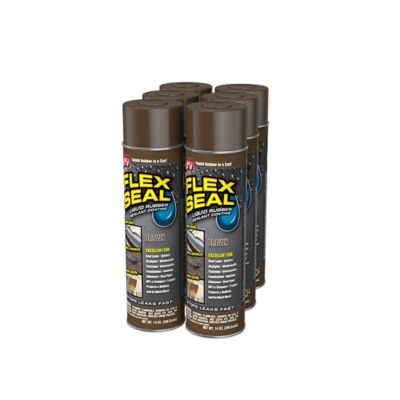
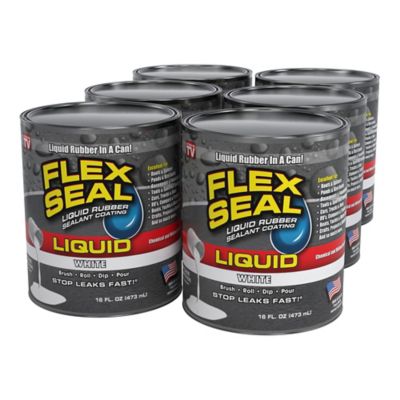
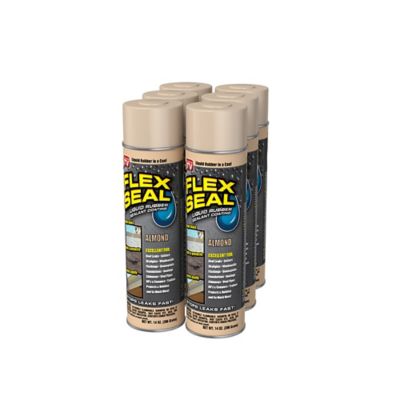
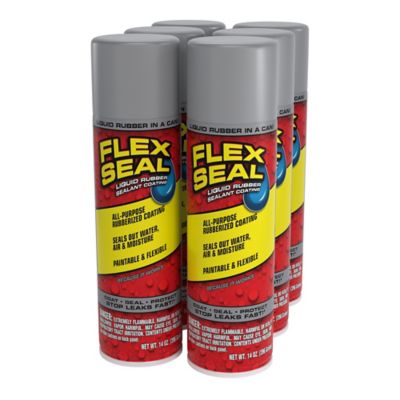
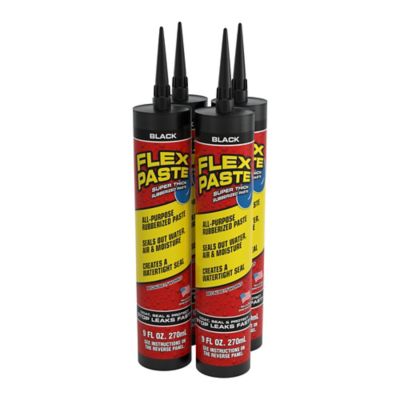
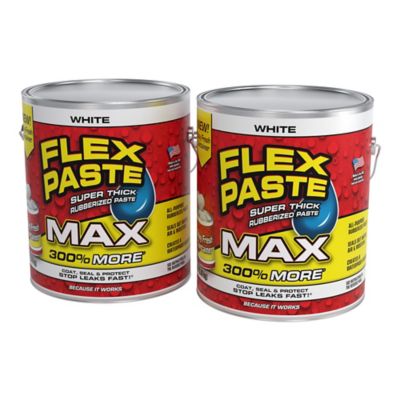
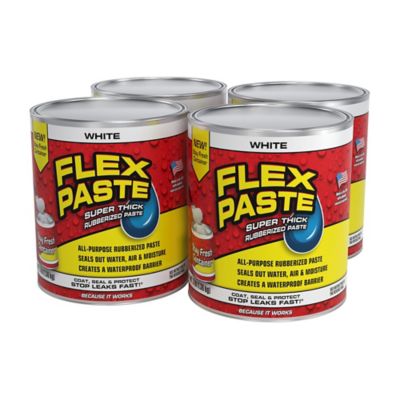
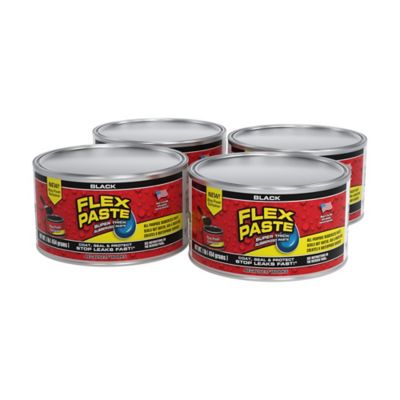
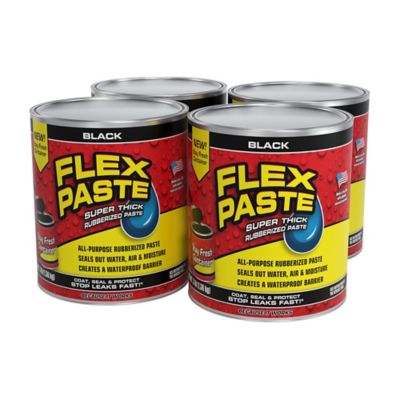
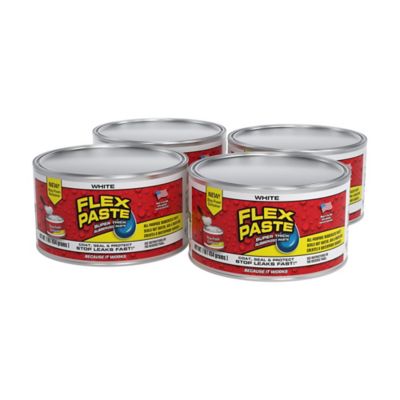
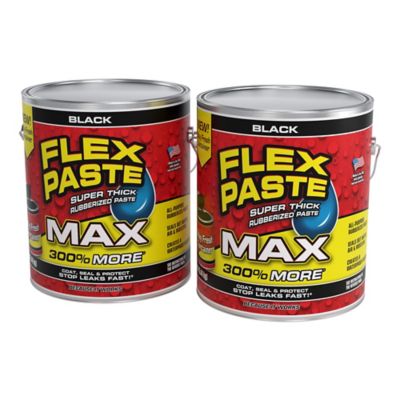
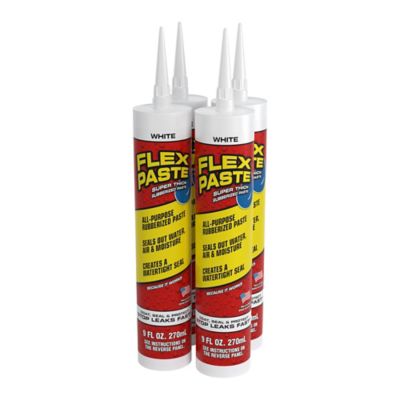
When it comes to keeping your home or outbuildings dry and sturdy, having the right foundation waterproofing solutions on hand can make all the difference—especially as the seasons shift and the weather brings everything from summer downpours to chilly fall rains. Folks living in rural areas know all too well how a soggy crawl space or damp basement can sneak up after a heavy storm or as the ground thaws and shifts. That’s why it’s smart to think ahead about moisture control, whether you’re fixing up an old farmhouse, building new, or just looking to shore up your barn, shed, or shop. There are all sorts of products out there designed to help keep water out and protect your foundation—think liquid-applied barriers, peel-and-stick membranes, drainage mats, and more. Each type brings its own set of benefits, from flexible coatings that seal up hairline cracks to sturdy drainage boards that channel water away from your walls. Choosing the right solution depends on your building’s needs, your soil type, and how much exposure you’re dealing with. For folks tackling repairs themselves, ease of application and durability through freeze-thaw cycles can be just as important as long-term protection. Whether you’re a seasoned DIYer or someone who prefers to call in the pros, these products are built to handle the rough-and-tumble conditions that come with rural living.
Foundation waterproofing products aren’t just for folks patching up an old homestead—they also make a thoughtful gift for anyone fixing up their place, starting a new build, or managing a hobby farm. Maybe your neighbor’s got a leaky cellar, or your cousin’s finally started that shop he’s been dreaming about. These solutions can be a real lifesaver, helping to prevent costly water damage and keeping storage spaces dry for feed, tools, or equipment. They’re also handy for anyone looking after livestock or pets, since a dry foundation means healthier, safer shelters for animals as the cooler months roll in. When you’re shopping, consider how the product will be used—some are best rolled or brushed on, while others come in sheets or panels that line the exterior of your foundation. Don’t forget to think about the little details, like sealing up pipe penetrations or corners where water likes to sneak in. And if you’re already working on keeping your place watertight, you might want to check out other moisture-fighting solutions—like
Waterproof Roof Coatings—to help keep every part of your property protected from top to bottom. No matter your project, investing in the right foundation waterproofing can help you stay ahead of the weather and keep your home, barn, or shop standing strong for seasons to come.