Fly Masks For Horses
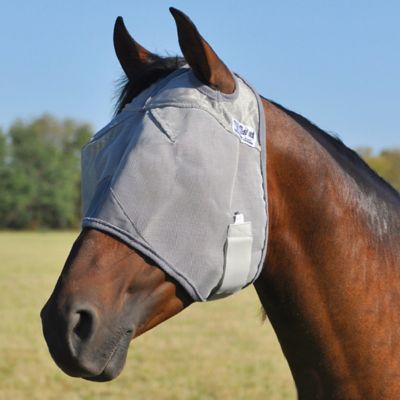
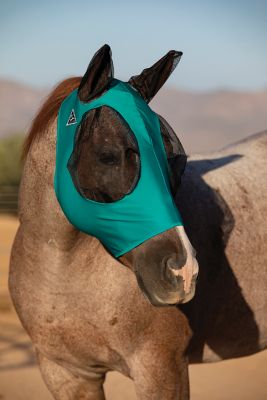
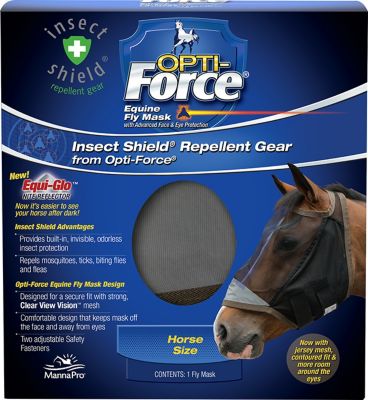
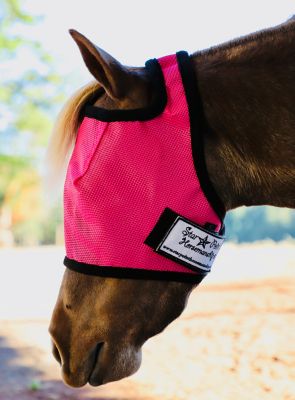
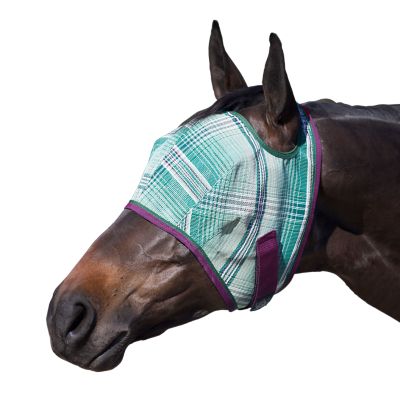
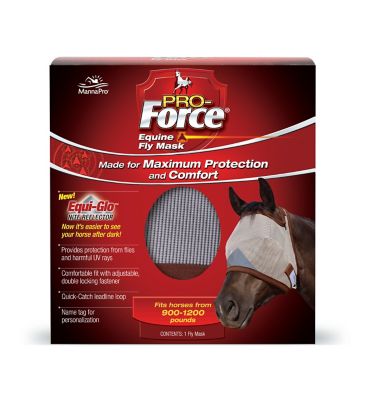
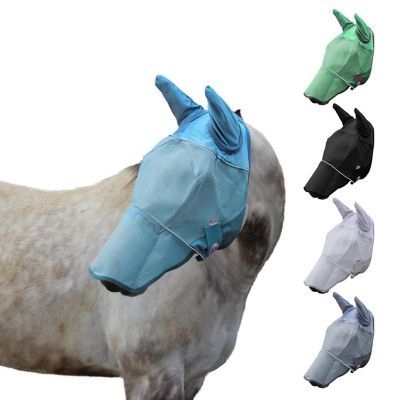
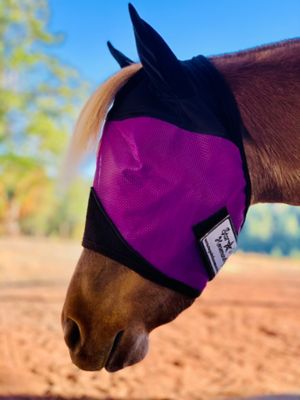
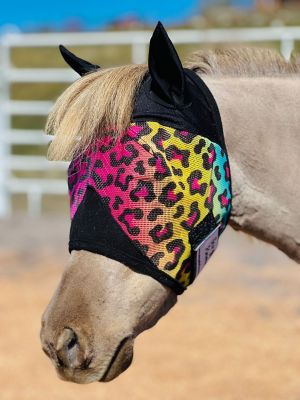
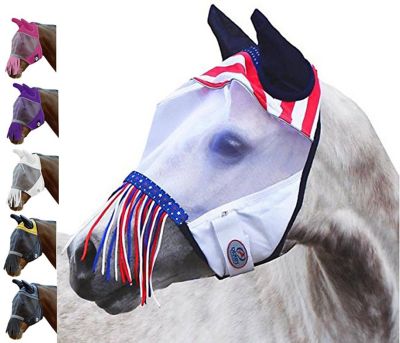
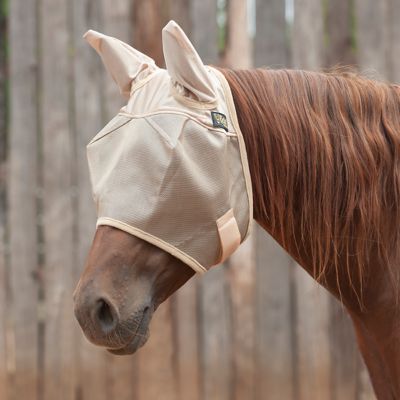
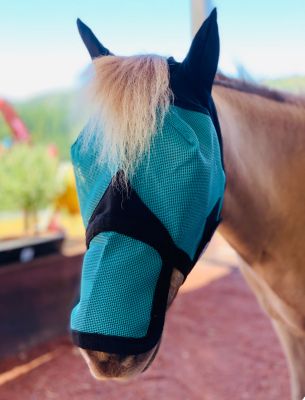
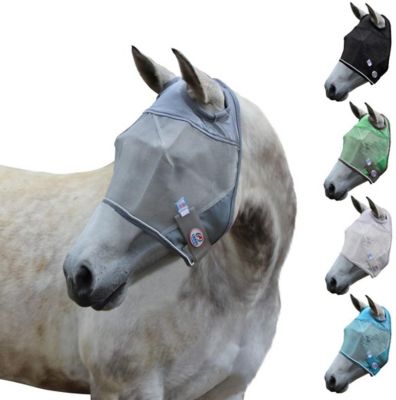
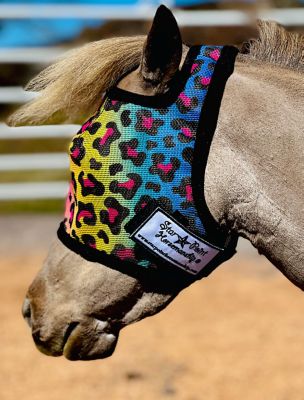
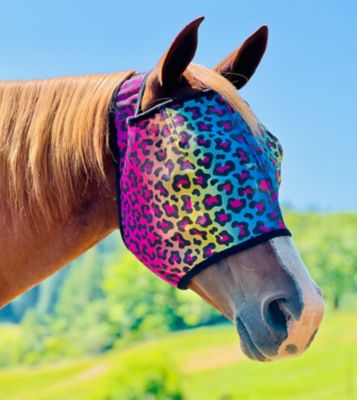
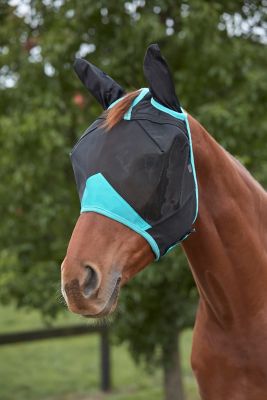
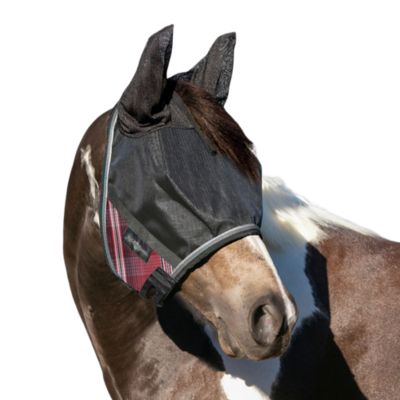
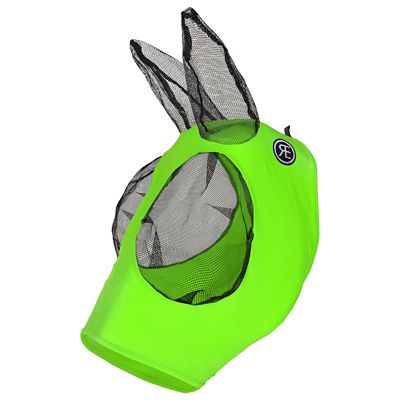
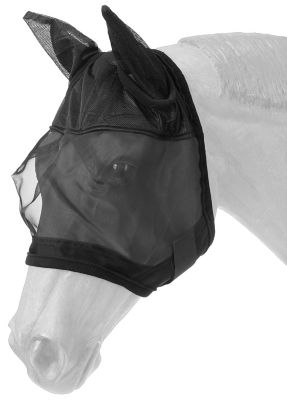
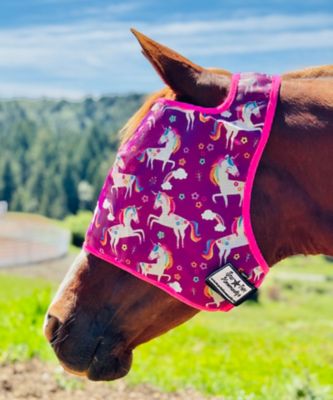
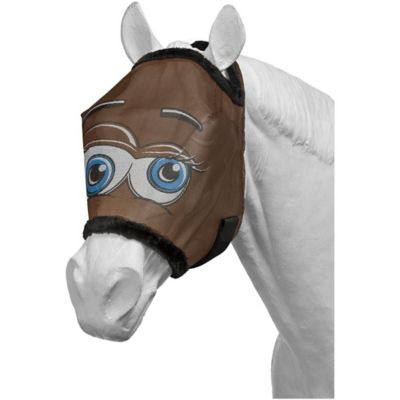
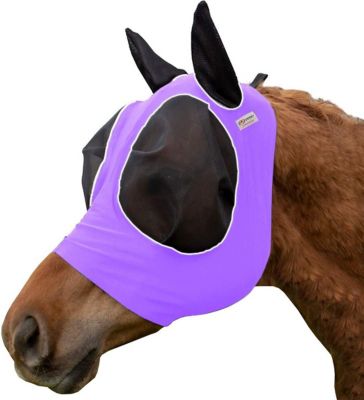
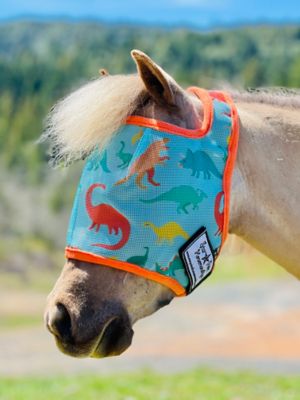
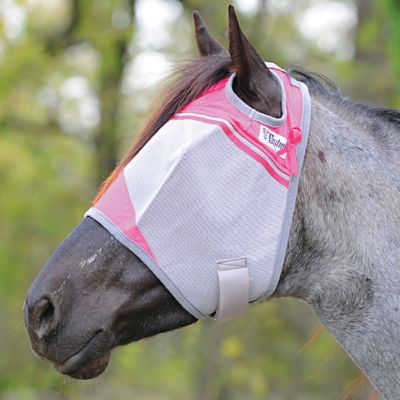
Fly Masks for Horses are a must-have when it comes to keeping your herd comfortable during fly season. Whether you’ve got a few backyard buddies or a whole barn full of horses, these masks help keep pesky bugs at bay so your animals can graze in peace. With plenty of options to fit different sizes and needs, it’s easy to find the right fly mask for every horse in your care. Keep your horses happy and focused on the important stuff, like munching grass and enjoying the sunshine.

Best Of FAQ
What is a fly mask for horses for?
A fly mask helps keep pesky flies and other bugs off your horse’s face, ears, and eyes. It’s like a comfy shield that lets your horse graze in peace without getting bothered by insects.
How do I put a fly mask on my horse?
Just slip the mask gently over your horse’s nose and ears, then fasten the straps under their jaw or behind their ears. Make sure it fits snug but not too tight—your horse should be able to blink and move around easy.
Can my horse wear a fly mask all day?
Yep, most folks leave fly masks on their horses during the day when bugs are out and about. Just remember to take it off at night or check under it daily to make sure there’s no dirt or debris causing trouble.
Do fly masks block sunlight?
Some fly masks come with UV protection built in, which helps shield your horse’s eyes from harsh sunlight. If you’re worried about sunburn or sensitive eyes, look for one that mentions UV blocking features.
How do I clean a fly mask?
Most fly masks can be rinsed off with a hose or tossed in the washing machine on gentle. Let it air dry before putting it back on your horse so it stays fresh and comfy.
Best Sellers
-
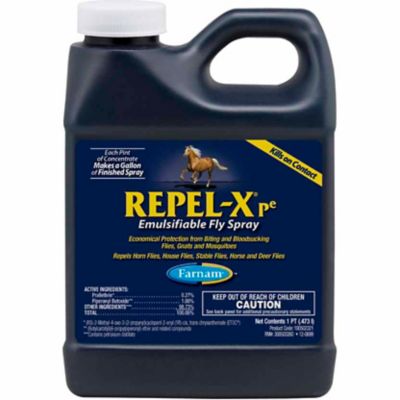
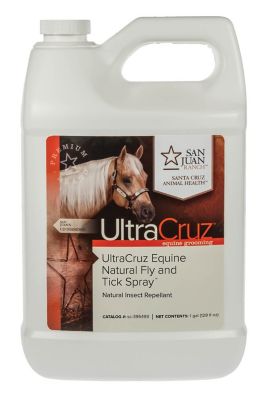
"Smells great. Works great. Best fly spray out there ! I buy the concentrate ! Mix as directed"
-
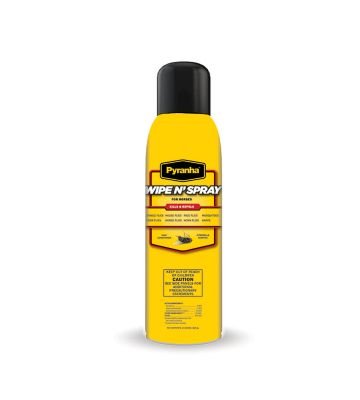
"This fly spray works the best out of all that i have tried and is a great price"
-
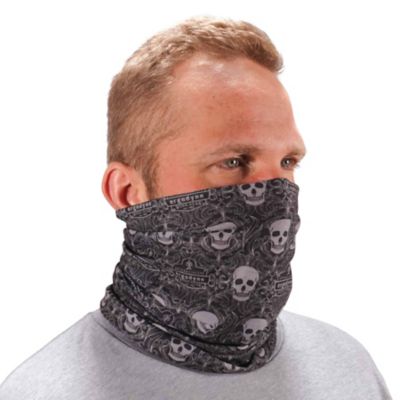
"It's amazing how great it works . The guys at work keep asking what it is and how can they get one"
-
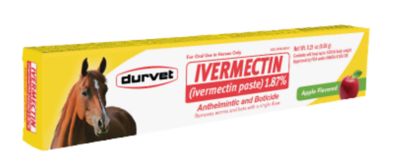
"Ivermectin is the best all-around wormer for maintenance use throughout the year"
-
"This fly spray works great, my horses and I love the smell and the most important thing to me is that"